What Age Can A Puppy Eat Dry Dog Food: Safe Feeding Guide
What age can a puppy eat dry dog food? Learn when to introduce kibble, how to transition safely, and feeding tips for healthy growth.
Most puppies can eat dry dog food at about 7 to 8 weeks old. By this age, many puppies are fully weaned from their mother’s milk and can chew small pieces of puppy kibble.
Puppies may start tasting softened dry food at 3 to 4 weeks old, but they usually need the food soaked in warm water or puppy milk replacer. Do not rush the change. A puppy’s teeth, jaw, gut, and immune system are still developing.
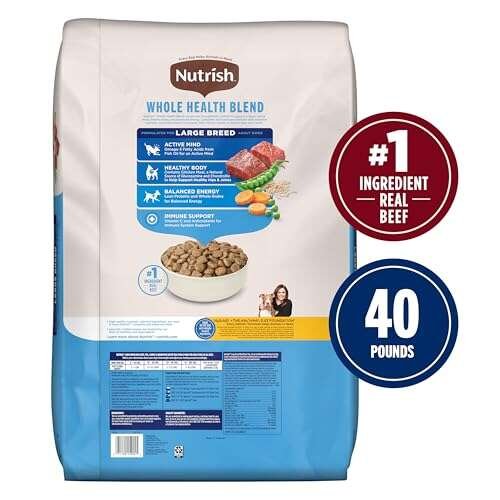
For puppies in the United States, choose a food labeled “complete and balanced” for growth under the nutritional standards of the Association of American Feed Control Officials (AAFCO). Large-breed puppies need a formula made for large-breed growth.
At What Age Can a Puppy Eat Dry Food?
A puppy can usually eat dry food without added water at 7 to 8 weeks old. Some puppies manage dry kibble sooner, while others need softened food for a few more weeks.
The normal weaning process often follows this pattern:
| Puppy age | Usual food stage | What to do |
|---|---|---|
| Birth to 3 weeks | Mother’s milk or approved milk replacer | Do not offer dry kibble as the main food |
| 3 to 4 weeks | Early weaning | Introduce soft puppy food or soaked kibble |
| 5 to 6 weeks | Mixed feeding | Slowly reduce the amount of added water |
| 7 to 8 weeks | Mostly or fully weaned | Offer dry puppy food if the puppy chews it well |
| Over 8 weeks | Puppy diet | Feed measured puppy food suited to the dog’s size |
The exact timing can vary. A small puppy may need smaller kibble, more soaking, or more time to eat comfortably. A puppy that stays with its mother may learn to eat solid food by copying her behavior.
The American Kennel Club and veterinary nutrition guidance commonly place full weaning at around 7 to 8 weeks. Puppies should remain with their mother and littermates until at least 8 weeks in most cases, unless a veterinarian or reputable rescue professional advises otherwise.
Can a puppy eat dry food at 6 weeks?
A 6-week-old puppy may eat dry food if it is softened and mixed with water. Some puppies can handle partly dry kibble at this age, but dry food should not replace a gradual weaning process.
Watch the puppy while it eats. If the puppy coughs, struggles to chew, vomits, or refuses the food, add more water and contact a veterinarian if the problem continues.
How to Transition a Puppy to Dry Dog Food
The safest approach is to move from soft food to dry kibble over several days. A sudden switch can cause loose stool, gas, or vomiting.
Step 1: Choose a puppy formula
Pick a food labeled for:
- Puppy growth
- All life stages, if it meets the puppy’s needs
- Large-breed growth for a large-breed puppy
Check the package for an AAFCO nutritional adequacy statement. This statement tells you whether the food is designed to support growth.
Do not use adult dog food as a puppy’s main diet unless your veterinarian gives specific advice. Adult formulas may not provide the right balance of calories, protein, fat, calcium, and phosphorus for growing bones.
Step 2: Soak the kibble
Place the measured kibble in a clean bowl. Add warm water and let it soften.
The food should have a soft, porridge-like texture for young puppies. Avoid very hot water, which can burn the mouth and may reduce the appeal of the food.
Do not use cow’s milk. It can cause stomach upset and does not provide the right nutrition for puppies. If a very young puppy needs milk, use a commercial puppy milk replacer recommended by a veterinarian.
Step 3: Reduce the water slowly
As the puppy grows, use less water every few days. The change may look like this:
- Very soft food with plenty of warm water
- Thick, mashed food
- Moist kibble with only a small amount of water
- Dry kibble with fresh water available nearby
There is no need to remove water on a strict schedule. Let the puppy’s chewing ability, stool quality, and comfort guide the pace.
Step 4: Keep fresh water available
A puppy eating dry food needs access to clean drinking water. Dry kibble contains much less moisture than canned food or soaked food.
Wash the water bowl each day. Puppies can spill or soil bowls quickly, so check the water several times a day.

How Much Dry Food Should a Puppy Eat?
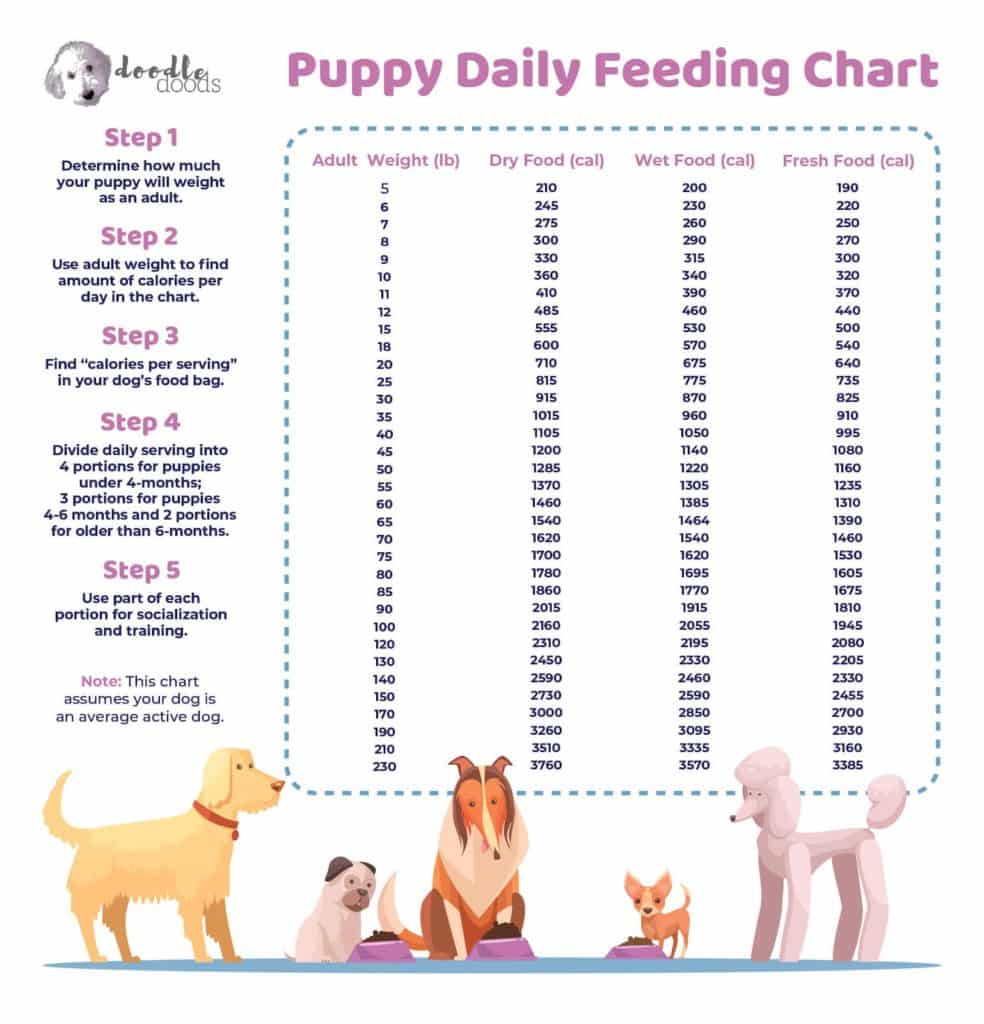
The correct amount depends on the puppy’s age, adult size, current weight, activity, health, and the calorie content of the food.
Start with the feeding guide on the bag. Treat that amount as a starting point, not a fixed rule. Two puppy foods may use different calorie levels, so the same cup measurement may not provide the same energy.
A practical feeding process
- Find the puppy’s age and expected adult weight on the package.
- Divide the daily amount among several meals.
- Measure the food with a standard measuring cup or, more accurately, a kitchen scale.
- Check the puppy’s body shape and weight each week.
- Ask your veterinarian to adjust the amount if growth seems too fast or too slow.
Puppies should look lean, not round. You should be able to feel the ribs with light pressure, but the ribs should not be sharply visible in most healthy puppies.
Overfeeding can lead to excessive weight gain. This matters especially for large-breed puppies because rapid growth can place stress on developing bones and joints.
How often should a puppy eat?
A common schedule is:
- 6 to 12 weeks: four small meals per day may work well
- 3 to 6 months: three meals per day
- 6 to 12 months: two meals per day
Small or toy-breed puppies may need more frequent meals. They have smaller stomachs and may be more vulnerable to low blood sugar if they do not eat. Ask your veterinarian for a specific schedule if the puppy is very small, underweight, ill, or unusually sleepy.

How to Choose the Right Dry Puppy Food
The best dry food is one that meets the puppy’s growth needs, suits the puppy’s size, and is tolerated well.
Look for a complete and balanced statement
In the United States, the package should state that the food is complete and balanced for growth or for all life stages. AAFCO does not approve or endorse individual pet foods, but its nutrient profiles and feeding trial standards help define nutritional adequacy.
The label should also list feeding directions and the manufacturer’s contact details.
Match the food to the puppy’s expected size
Large-breed puppies grow for a longer period and need careful control of calories and minerals. Choose a diet labeled for large-breed puppy growth when appropriate.
Small-breed puppy food often has smaller pieces and more calories per ounce. That can help a small puppy eat enough energy without needing a large volume of food.
Do not assume that “small breed” or “large breed” on the front of a bag proves the food is right. Read the nutritional adequacy statement and ask your veterinarian if the puppy has a medical concern.
Consider kibble size
A puppy should be able to pick up and chew the pieces without struggling. If the kibble is too large:
- Soak it with warm water
- Break it into smaller pieces if the food allows
- Use a puppy formula with a smaller kibble size
- Ask your veterinarian for advice if the puppy cannot eat comfortably
Avoid choosing food based only on ingredient-list appeal. Ingredients matter, but the complete nutrient profile, calorie level, feeding directions, and quality controls matter too.

Signs a Puppy Is Ready for Dry Kibble
A puppy may be ready for less-soft food when it can:
- Sit or stand steadily while eating
- Chew soft food without coughing
- Show interest in the mother’s or littermates’ food
- Eat several small meals without vomiting
- Produce normal, formed stool
- Drink water from a shallow, stable bowl
Readiness is not based on age alone. A puppy that is weak, underweight, sick, or orphaned may need a different feeding plan.
Signs the transition is going well
A successful change usually includes:
- Normal appetite
- Normal energy for the puppy’s age
- Formed stool
- No repeated vomiting
- Gradual weight gain
- Comfortable chewing and swallowing
Puppies grow at different rates, so weekly weight checks are more useful than judging growth by appearance alone.
Signs to slow down or seek help
Contact a veterinarian if the puppy has repeated vomiting, ongoing diarrhea, blood in the stool, a swollen belly, trouble breathing, severe tiredness, or refuses several meals.
Very young puppies can become dehydrated or weak quickly. A puppy that cannot keep food or water down needs prompt veterinary advice.
Do not give human anti-diarrhea medicine unless a veterinarian specifically tells you to do so. Some human medicines can harm dogs.
Common Mistakes When Feeding Puppies Dry Food
Several simple mistakes can make the transition harder.
Changing food too quickly
A fast change can upset the digestive system. Mix the old and new foods over about 5 to 7 days when possible. For very young puppies, make the texture change gradual as well.
Feeding too much
Puppies need enough calories to grow, but more food is not always better. Large-breed puppies in particular should grow steadily rather than as fast as possible.
Use body condition, weight checks, and veterinary guidance to adjust portions.
Leaving food out all day
Free-choice feeding can make it difficult to track how much a puppy eats. It can also encourage overeating and make house training harder.
Measured meals are usually easier to manage. Your veterinarian may recommend a different approach for a very small puppy or a puppy with a health problem.
Adding too many treats
Treats, chews, table scraps, and toppers add calories. Keep extras small and account for them in the daily amount.
Avoid foods that are toxic to dogs, including chocolate, grapes, raisins, onions, garlic, xylitol, and alcohol.
Wetting food and leaving it out
Moist food spoils faster than dry kibble. Serve soaked food at mealtime, then discard leftovers rather than leaving them out for hours.
Wash the bowl after meals, especially when food has been mixed with water.

Special Situations That Change the Answer
Some puppies need a customized feeding plan rather than a standard dry-food schedule.
Orphaned puppies
An orphaned puppy may need commercial puppy milk replacer before it can manage solid food. The age, weight, and health of the puppy affect the plan.
Do not try to raise a very young orphaned puppy on dry food alone. Work with a veterinarian or experienced animal-care professional.
Toy-breed puppies
Toy-breed puppies may have small mouths and small stomachs. They may do better with tiny kibble and more frequent meals.
A toy puppy that becomes weak, shaky, confused, or unusually sleepy may have low blood sugar or another urgent problem. Seek veterinary help promptly.
Large-breed puppies
Large-breed puppies need careful calorie control and an appropriate calcium-to-phosphorus balance. Use a food made for large-breed growth and follow the feeding instructions closely.
Do not add calcium supplements unless a veterinarian prescribes them. Extra calcium can create nutritional problems during skeletal development.
Puppies with food allergies or digestive disease
A puppy with chronic diarrhea, itching, repeated ear infections, poor growth, or vomiting may need a veterinary examination. Changing foods repeatedly can make it harder to identify the cause.
A veterinarian may recommend a specific therapeutic diet or a controlled food trial.

Frequently Asked Questions
Can puppies eat dry food without water?
Yes. Most puppies can eat dry food without added water by about 7 to 8 weeks. Provide fresh drinking water at all times and soften the kibble if the puppy struggles to chew it.
Can an 8-week-old puppy eat dry kibble?
Usually, yes. An 8-week-old puppy can often eat dry puppy kibble as its main food if it is fully weaned and can chew comfortably. Feed a complete and balanced growth formula in measured meals.
Should I soak puppy kibble?
Soaking is helpful for puppies that are still learning to chew, have small mouths, or find the kibble too hard. Reduce the water gradually as the puppy becomes comfortable with dry pieces.
How long should puppies eat puppy food?
Many dogs eat puppy food until they reach most of their adult size. Small breeds may switch earlier than large breeds, which can keep growing for longer. Ask your veterinarian when to change based on the puppy’s breed, size, body condition, and food.
Can a puppy eat adult dog food?
A small amount of adult dog food is unlikely to cause a problem for most healthy puppies, but adult food should not be the main diet during growth unless a veterinarian recommends it. Puppies need a diet formulated to support development.
What if my puppy refuses dry food?
First, check for stress, teething pain, illness, a sudden food change, or kibble that is too large. Try softening the food and offering a quiet meal area.
Contact a veterinarian if the puppy refuses food for several meals, seems weak, vomits, has diarrhea, or is very young.
Key Takeaways
- Most puppies can eat dry dog food at 7 to 8 weeks old.
- Introduce softened kibble at about 3 to 4 weeks during weaning.
- Choose food labeled complete and balanced for growth.
- Use a large-breed puppy formula when appropriate.
- Change the texture and food gradually.
- Feed measured meals and keep fresh water available.
- Contact a veterinarian for vomiting, ongoing diarrhea, weakness, poor growth, or refusal to eat.
Conclusion
The usual answer to “what age can a puppy eat dry dog food?” is around 7 to 8 weeks. Start with softened kibble during weaning, then reduce the water as the puppy learns to chew.
Use a growth-formulated food, measure each meal, and watch the puppy’s stool, appetite, energy, and weight. If the puppy is very small, orphaned, ill, or not eating well, ask a veterinarian for a feeding plan before making further changes.

Pet Care Writer & Researcher
Daniel writes practical guides on daily care, feeding, and safety, turning complex topics into simple, actionable advice.