Can A Dog Eat Dog Food: Safety Guide For Owners
Can a dog eat dog food safely? Learn which foods are healthy, what to avoid, and how to protect your pet’s health with expert tips.
Yes, a dog can eat dog food, and complete, balanced formulas are made to meet a dog’s daily nutrition needs.
If you are asking, “can a dog eat dog food,” the answer seems simple, but the details matter. A dog’s age, size, health, activity level, and the type of food all affect what is safe and healthy. This guide explains how to choose dog food, how much to serve, what ingredients to watch, and when to call a veterinarian.
Can a dog eat dog food every day?
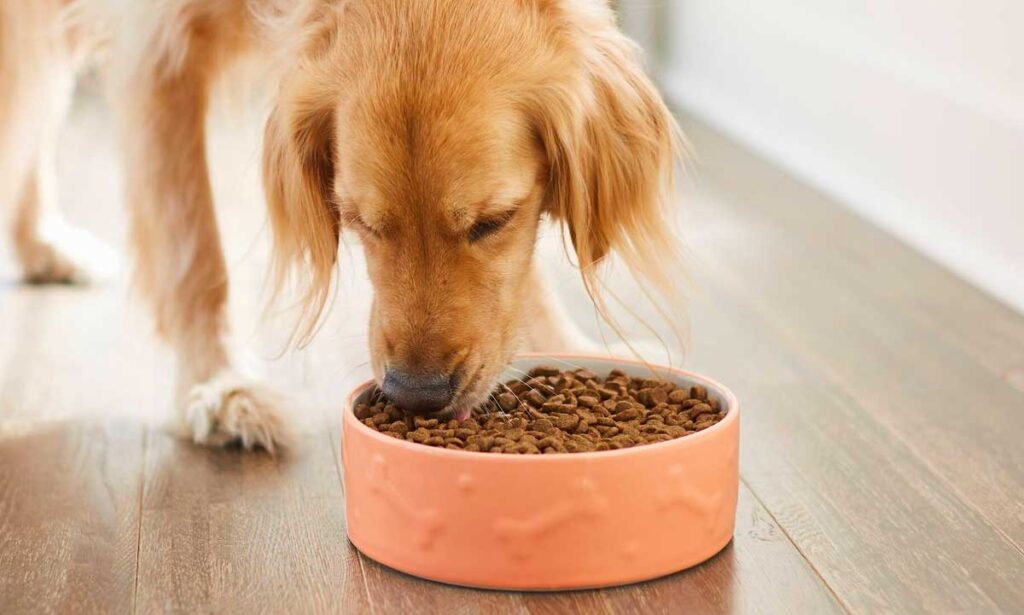
Yes, a dog can eat dog food every day when the food is complete and balanced for that dog’s life stage. Commercial dog foods are designed to provide key nutrients such as protein, fat, vitamins, and minerals.
Look for a nutritional adequacy statement on the package. In the United States, this statement often confirms that the food meets standards set by the Association of American Feed Control Officials, also called AAFCO.
A complete daily diet should match your dog’s needs:
• Puppies need food made for growth and development.
• Adult dogs need food for maintenance.
• Pregnant or nursing dogs need food with higher energy and nutrient levels.
• Senior dogs may benefit from food suited to lower activity or age-related health needs.
• Dogs with medical conditions may need a prescription diet from a veterinarian.
A dog can eat dog food that comes as dry kibble, canned food, fresh food, or a properly formulated homemade diet. The key is not the shape or texture. The key is nutritional balance and safe handling.

What makes dog food safe and nutritious?
Dog food is more than meat in a bowl. Dogs need a balanced mix of nutrients to support muscles, bones, skin, digestion, immunity, and energy.
Protein
Protein supplies amino acids that help build and repair muscles. Common sources include chicken, beef, turkey, fish, eggs, and plant ingredients such as peas or lentils.
Dogs can digest many plant ingredients. However, the full recipe must provide the right amino acids and nutrient levels. A food that lists a high amount of meat is not automatically better.
Fat
Fat provides concentrated energy and helps the body absorb vitamins. It also supports healthy skin and a shiny coat.
Too much fat may cause weight gain or digestive upset. Some dogs are also prone to pancreatitis, a painful condition that can worsen after eating very fatty foods.
Carbohydrates and fiber
Dogs can digest cooked carbohydrates such as rice, oats, potatoes, and barley. Fiber helps support normal bowel movements and healthy gut bacteria.
Some dogs do well with grain-inclusive food, while others may need a different formula due to an allergy or medical issue. Grain-free food is not automatically healthier.
Vitamins and minerals
Calcium, phosphorus, zinc, iron, vitamin A, and other nutrients must be present in safe amounts. Too little or too much of some nutrients can cause health problems.
This is why randomly mixing ingredients at home can be risky. A recipe may look healthy but still lack essential nutrients.

How do you choose the right dog food?
When deciding whether a dog can eat dog food, start with the label and your dog’s needs. A trusted food should clearly state the intended life stage and feeding purpose.
Use these steps:
-
Check the nutritional adequacy statement. Choose food labeled complete and balanced for your dog’s life stage.
-
Match the food to your dog’s age. Puppy food is not the same as adult food.
-
Consider body size. Large-breed puppies need controlled calcium and energy to support steady growth.
-
Review calorie information. Two foods may look similar but contain very different calories per cup.
-
Consider health needs. Allergies, kidney disease, diabetes, obesity, and digestive disorders may require veterinary guidance.
-
Buy from a company with clear quality control. Look for information about nutrition experts, ingredient testing, and manufacturing standards.
-
Watch your dog’s response. Healthy stool, steady weight, good energy, and a healthy coat are useful signs that the food suits your dog.
Ingredient lists can help, but they do not tell the whole story. The first ingredient alone does not prove that a food is complete, safe, or superior.

Can a dog eat dog food made for another life stage?
A dog can eat dog food made for another life stage once or in a small amount without harm in most cases. However, feeding the wrong formula for weeks or months may create nutritional problems.
For example, puppy food often contains more calories and nutrients than adult food. An adult dog may gain weight if it eats puppy food every day.
Adult food may not provide enough nutrients for a growing puppy. Puppies, especially large-breed puppies, need carefully balanced diets for normal bone development.
Senior formulas vary widely. Some contain fewer calories, while others add fiber or nutrients aimed at joint support. There is no single diet that suits every older dog.
If you need to change life-stage formulas, make the switch over about seven days:
• Days 1 and 2: Give 75% old food and 25% new food.
• Days 3 and 4: Give 50% old food and 50% new food.
• Days 5 and 6: Give 25% old food and 75% new food.
• Day 7: Give only the new food if your dog’s stool and appetite remain normal.
Some dogs need a slower change. Vomiting, ongoing diarrhea, or refusal to eat deserves veterinary advice.
How much dog food should a dog eat?
The feeding chart on the package is a starting point, not a strict rule. Dogs of the same weight may need different amounts based on age, breed, activity, metabolism, and health.
An active working dog may need more calories than a calm indoor dog. A dog that has been spayed or neutered may also need fewer calories than before.
Measure food with a standard measuring cup or, even better, a kitchen scale. Free feeding can make it hard to track calories and may lead to weight gain.
Use these body condition signs:
• You should be able to feel the ribs without pressing hard.
• Your dog should have a visible waist when viewed from above.
• The abdomen should slope upward behind the rib cage.
• A heavy fat layer over the ribs may signal excess weight.
Treats should usually provide no more than about 10% of daily calories. Table scraps count as treats, even when they seem small.
Fresh water should always be available. Water supports digestion, circulation, temperature control, and kidney function.

Can a dog eat wet food, dry food, or both?
Yes, a dog can eat dry food, wet food, or a mix of both if the total diet is complete and balanced. Each type has benefits and limits.
Dry food is convenient, easy to measure, and often less costly per serving. It also stores well after opening.
Wet food contains more water and may help dogs that have trouble chewing or drinking enough. Many dogs also find its smell and texture appealing.
A mixed diet can offer variety. However, you must reduce the amount of one food when adding another. Otherwise, extra calories can lead to weight gain.
Do not assume that a can of food is meant to replace a full meal. Some products are labeled for intermittent or supplemental feeding only. These foods may be useful as toppers or treats but should not make up the whole diet.
Store opened wet food in the refrigerator and use it within the time listed on the label. Wash bowls often, especially after serving moist food.

What human foods should dogs avoid?
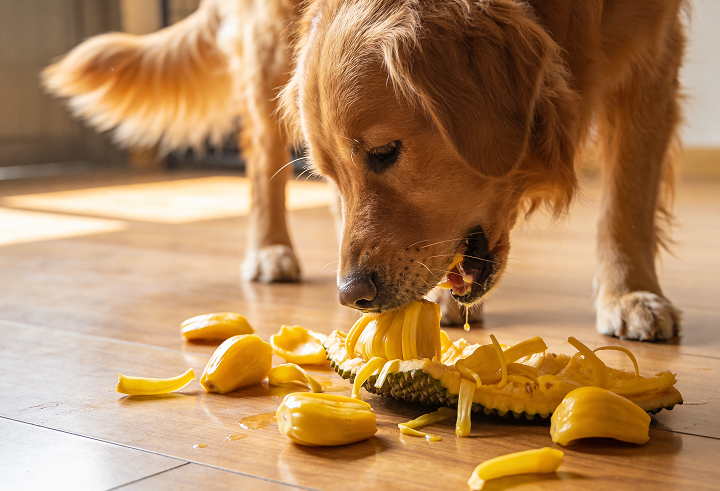
A dog can eat dog food safely, but many human foods are unsafe for dogs. Some can cause stomach upset, while others may lead to poisoning or organ damage.
Keep these foods away from dogs:
• Chocolate and cocoa
• Grapes and raisins
• Onions, garlic, leeks, and chives
• Xylitol, a sweetener found in some gum, candy, baked goods, and toothpaste
• Alcohol
• Caffeine
• Macadamia nuts
• Raw yeast dough
• Cooked bones
• Very fatty foods
• Large amounts of salty food
Never give a dog a bone simply because it is natural. Cooked bones can splinter and injure the mouth, throat, stomach, or intestines.
If your dog eats a toxic food, do not wait for symptoms. Contact a veterinarian or a pet poison service at once. Have the package, ingredient list, and estimated amount ready.
Can a dog eat cat food instead of dog food?
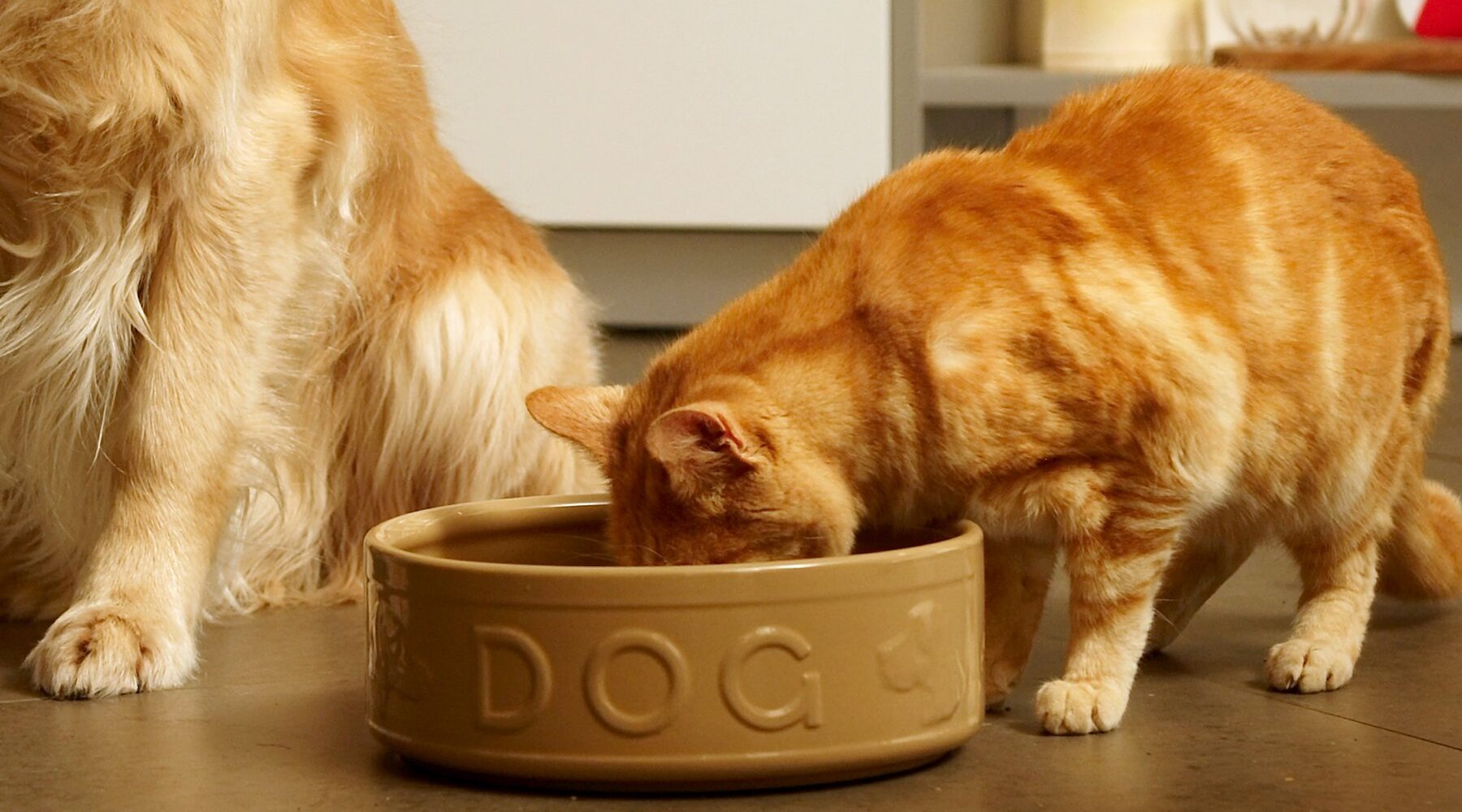
A dog can eat a small amount of cat food without a problem in many cases. Cat food is usually higher in protein and fat because cats have different nutritional needs.
A bite or two is not usually dangerous for a healthy dog. Regularly feeding cat food is another matter. It may provide too many calories and may not give dogs the right nutrient balance.
Frequent cat food intake may contribute to weight gain, diarrhea, or pancreatitis in sensitive dogs. It can also make a dog ignore its normal food.
Keep separate bowls in different areas if your dog steals cat meals. You can also feed pets at set times and remove bowls after they finish.

Can a dog eat homemade dog food?
A dog can eat homemade dog food, but a homemade diet must be carefully formulated. Meat and rice alone do not provide all the vitamins and minerals a dog needs.
Common homemade diet mistakes include:
• Too little calcium
• Incorrect calcium-to-phosphorus balance
• Missing essential fatty acids
• Inadequate zinc or iodine
• Too much liver and vitamin A
• Excess calories
• Unsafe raw ingredients
If you want to prepare your dog’s meals, work with a veterinary nutrition professional. Use an exact recipe and follow it closely. Small changes can alter the nutrient balance.
Raw diets also carry risks. Raw meat may contain bacteria such as Salmonella or E. coli, which can affect pets and people. Bones may break teeth or cause blockages.
In my experience working with pet owners, the biggest homemade-diet mistake is assuming that a few healthy ingredients make a complete meal. Dogs need a full nutrient plan, not just fresh food.
What if a dog refuses its usual food?
A dog may refuse food because of stress, dental pain, nausea, illness, heat, medication, or a simple dislike of the flavor. A sudden appetite change should not be dismissed if it lasts or comes with other symptoms.
Check for signs such as:
• Vomiting
• Diarrhea
• Low energy
• Drooling
• Trouble chewing
• A swollen belly
• Weight loss
• Increased thirst or urination
• Pale gums
A healthy adult dog that skips one meal may be monitored closely. Puppies, senior dogs, diabetic dogs, and dogs with chronic illness need faster advice.
Do not keep switching foods every few hours. That can upset the stomach and teach a dog to hold out for a favorite option. Offer a suitable meal at a set time, then remove it after about 15 to 20 minutes.
How can you change a dog’s food safely?
Changing food slowly helps the digestive system adjust. A sudden change can cause loose stool, gas, vomiting, or reduced appetite.
Follow this simple plan:
-
Mix a small amount of new food with the current food.
-
Increase the new food gradually over one week.
-
Keep treats and table scraps limited during the change.
-
Watch stool quality, appetite, energy, and itching.
-
Slow the change if digestive signs appear.
Dogs with very sensitive stomachs may need two weeks or more. Ask your veterinarian for a plan if your dog has inflammatory bowel disease, food allergies, pancreatitis, or another digestive condition.
One practical lesson is worth remembering: a food transition is not a race. Moving slowly is often easier than trying to fix a stomach upset later.
When should you contact a veterinarian?
Most questions about whether a dog can eat dog food are routine. Some situations need professional help.
Contact a veterinarian if your dog:
• Vomits repeatedly
• Has bloody or black stool
• Cannot keep water down
• Stops eating for an unusual length of time
• Becomes weak or unusually quiet
• Has trouble breathing
• Has a painful or swollen abdomen
• May have eaten a toxic ingredient
• Loses weight without a clear reason
• Has repeated diarrhea
Your veterinarian can assess teeth, weight, hydration, digestion, and possible disease. They may also recommend blood tests or a special diet.
Food labels are useful, but they cannot replace a medical exam. A diet that suits one dog may be wrong for another.
Frequently Asked Questions About Can a Dog Eat Dog Food
Can a dog eat dog food made for puppies?
Yes, an adult dog can usually eat a small amount of puppy food. Puppy food is richer in calories and nutrients, so regular feeding may cause weight gain in adult dogs.
Can a dog eat dog food every day?
Yes, a dog can eat dog food every day when it is complete and balanced for the dog’s life stage. Serve the right portion and provide fresh water at all times.
Can a dog eat expired dog food?
It is best not to feed expired dog food. Nutrients may decline, and the food may become spoiled, especially if the package is damaged or has been stored in heat or moisture.
Can a dog eat dog food with grains?
Yes, most dogs can eat grains such as rice, oats, barley, and corn when they are properly cooked and included in a balanced recipe. Grain allergies are uncommon, so avoid removing grains without veterinary advice.
Can a dog eat dog food after vomiting?
A dog may need a short feeding plan after vomiting, but the right approach depends on the cause and the dog’s health. Repeated vomiting, weakness, blood, or inability to keep water down requires prompt veterinary care.
Can a dog eat wet and dry dog food together?
Yes, wet and dry dog food can be served together if both are complete and balanced or are used as directed. Adjust the total portion so the combined meal does not provide too many calories.
Can a dog eat dog food with artificial preservatives?
Some approved preservatives are used to keep food safe and fresh. If you have concerns, ask your veterinarian about the product and choose a food from a company with strong quality control and clear labeling.
Conclusion
A dog can eat dog food every day when the recipe is complete, balanced, safe, and suited to the dog’s age and health. Choose food based on nutrition, calorie needs, body condition, and veterinary guidance rather than marketing claims alone.
Introduce new food slowly, limit treats, avoid toxic human foods, and monitor your dog’s weight, stool, appetite, and energy. If you are unsure which diet fits your dog, ask your veterinarian for a personalized plan. Share your dog’s feeding experience or explore more trusted pet nutrition resources to keep every meal safe and nourishing.

Pet Care Writer & Researcher
Daniel writes practical guides on daily care, feeding, and safety, turning complex topics into simple, actionable advice.