What Are The Best Fresh Dog Foods: Healthy Choices
What are the best fresh dog foods? Compare healthy ingredients, expert tips, and top options to find nutritious meals your dog will love.
The best fresh dog foods are complete, balanced recipes made with safe ingredients and matched to your dog’s needs.
Choosing among fresh dog foods can feel like reading a menu in a language you do not speak. Recipes may feature real meat, vegetables, and grains, but attractive ingredients alone do not prove a food is nutritionally complete. This guide explains what are the best fresh dog foods, how leading options compare, and how to choose a safe meal for your dog’s age, size, health, and budget.
What are the best fresh dog foods?
The best fresh dog foods are not always the most expensive or the most heavily advertised. They are diets that provide complete and balanced nutrition, use sound food safety practices, and fit your dog’s health needs.
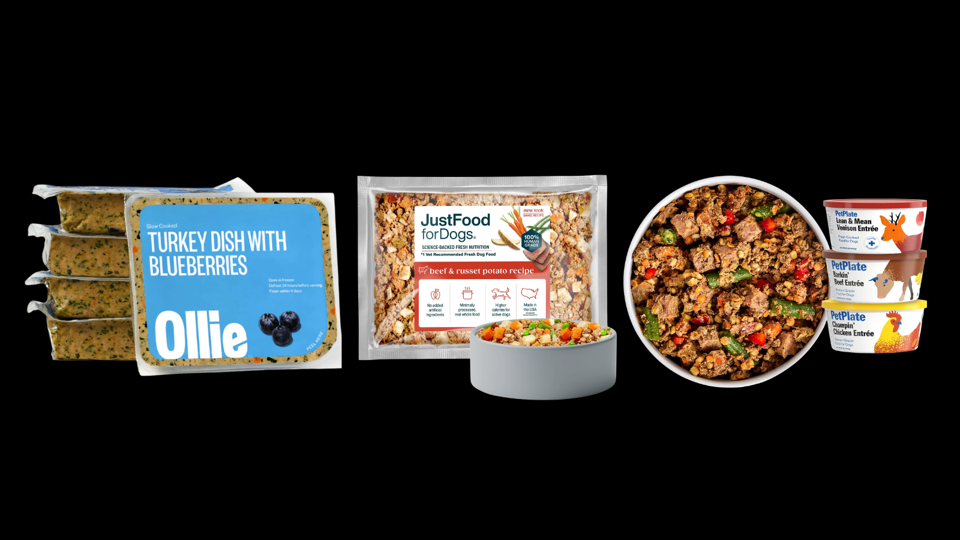
Several fresh dog food brands stand out because they offer portioned meals, clear ingredient lists, and recipes designed with veterinary or nutrition expertise. Popular options include:
• JustFoodForDogs: A strong choice for owners who want recipes developed with veterinary guidance and several therapeutic diet options.
• The Farmer’s Dog: Known for customized meal plans, doorstep delivery, and gently cooked recipes based on a dog’s profile.
• Ollie: Offers fresh meals and baked food, with recipes tailored to a dog’s age, size, activity, and ideal weight.
• Nom Nom: Provides portioned fresh meals and nutrition information, although product availability can vary.
• PetPlate: Offers fresh cooked meals in convenient portions, including recipes for different life stages.
• Freshpet: A convenient refrigerated option found in many retail stores, with several complete and balanced recipes.
A brand should not earn your trust only because it uses words such as “human-grade,” “natural,” or “premium.” Look for a nutritional adequacy statement showing that the food meets Association of American Feed Control Officials standards for your dog’s life stage.
How to choose the best fresh dog food
Choosing the best fresh dog food starts with your dog, not the package. A healthy adult Labrador may need a very different meal from a senior Chihuahua with kidney disease.
Use this checklist before you buy:
- Check the nutritional adequacy statement
The label should state that the recipe is complete and balanced for a specific life stage. That may include growth, maintenance, pregnancy, or all life stages.
Avoid relying on a food labeled only for “intermittent or supplemental feeding.” That type of product is not designed to be your dog’s only food.
- Review the calorie content
Fresh food contains a high amount of water. This can make a portion look large while providing fewer calories than the same weight of dry food.
Ask the company for calories per gram, cup, pack, or container. Then compare the feeding guide with your dog’s weight, body condition, and activity.
- Look for qualified nutrition input
A food company should explain who formulates its recipes. The strongest sign is involvement from a board-certified veterinary nutritionist or a qualified animal nutrition expert.
This does not mean every recipe without a named expert is unsafe. It does mean transparent companies make it easier to judge their process.
- Consider your dog’s health
Fresh food may help some dogs eat better or maintain a healthy weight. It is not a cure for allergies, diabetes, kidney disease, pancreatitis, or other medical problems.
If your dog has a health condition, ask your veterinarian before changing foods. Prescription diets have nutrient targets that ordinary fresh meals may not meet.
- Check storage and delivery rules
Fresh dog food usually needs refrigeration or freezing. Confirm how long the food can stay cold during delivery and how long an opened pack remains safe.
A good feeding plan is one you can follow every day. If storage feels difficult, a refrigerated roll, frozen pack, or shelf-stable option may suit your home better.
Best fresh dog foods for different needs
There is no single winner for every dog. The best fresh dog foods depend on your dog’s age, size, health, taste, and your daily routine.
Best for customized meal plans
The Farmer’s Dog and Ollie are popular for customized feeding plans. You provide details such as breed, weight, age, activity, and body condition, then receive portioned meals.
Customization can be useful, but it is not the same as a medical diet. Treat the feeding guide as a starting point. Watch your dog’s body condition and adjust with veterinary advice if weight changes.
Best for veterinary-developed recipes
JustFoodForDogs is a useful choice for owners who value recipes developed with veterinary input. It offers standard meals and some diets created for specific health needs.
Not every dog needs a therapeutic recipe. Still, the company’s approach may appeal to owners who want more nutrition information than a basic ingredient panel provides.
Best for store convenience
Freshpet is widely available in many grocery and pet stores. This can make it easier to buy a fresh meal without arranging home delivery.
Store availability varies by location. Read the label carefully because product lines may differ in calories, ingredients, and life-stage suitability.
Best for portion control
Pre-portioned meals from brands such as Nom Nom, PetPlate, Ollie, and The Farmer’s Dog can simplify feeding. This is especially helpful when a dog needs a precise calorie amount.
Portions still need review. A very active dog may need more food, while a less active dog may gain weight on the suggested amount.
Best for a mixed feeding plan
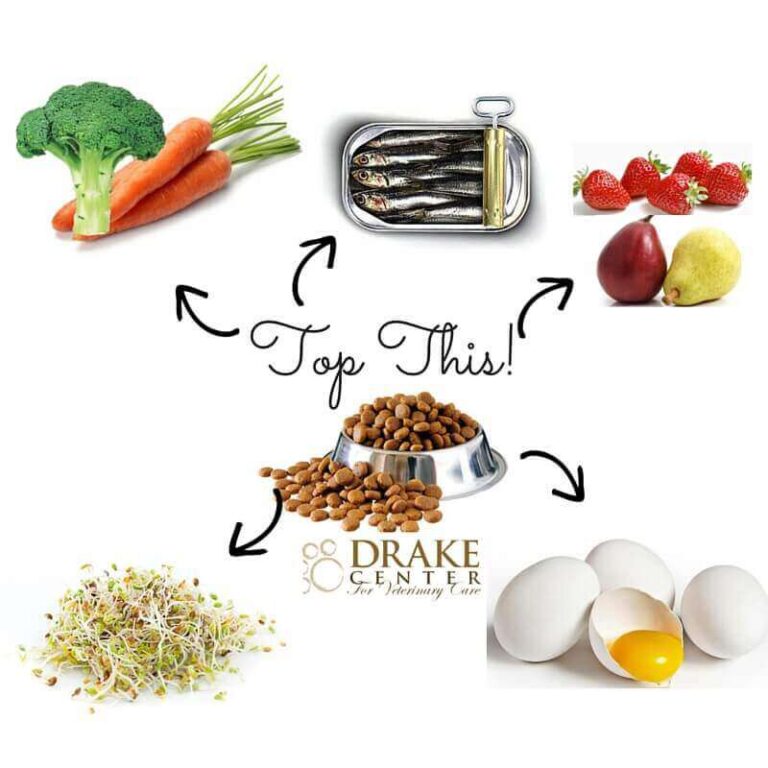
Some owners use fresh food as a topper rather than a complete diet. This can make meals more appealing without replacing all of the dog’s regular food.
Keep toppers and treats near 10% or less of daily calories unless your veterinarian gives different advice. Large amounts of an unbalanced topper can dilute essential nutrients.

Fresh dog food versus dry kibble and canned food
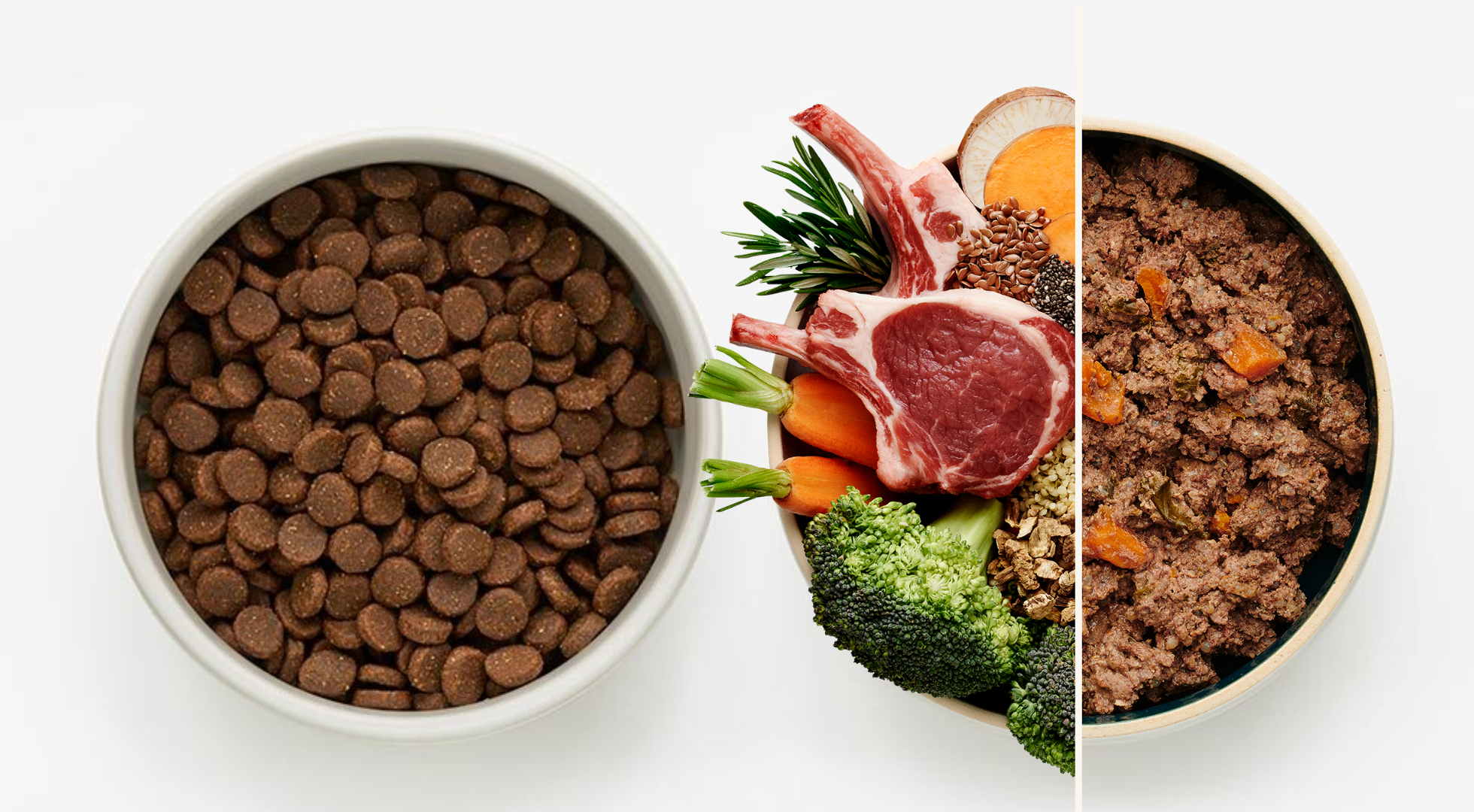
Fresh food is usually gently cooked and refrigerated or frozen. Dry kibble is cooked, dried, and shaped into pieces. Canned food is heat-processed in a sealed container.
Each format has strengths and limits:
• Fresh food often has higher moisture and a soft texture.
• Dry food is easy to store, measure, and use in puzzle toys.
• Canned food provides moisture and can work well for dogs that dislike dry textures.
• Fresh food may have a strong smell and appeal to picky eaters.
• Dry food is often less expensive per calorie.
• Canned and fresh foods can spoil more quickly after opening.
The key question is not whether fresh food looks more like home cooking. The key question is whether the food supplies the right nutrients in the right amounts.
Research does not prove that every fresh diet produces better long-term health than every complete dry or canned diet. Diet quality, calorie control, food safety, genetics, exercise, and veterinary care all matter.

Benefits of fresh dog foods
Fresh dog foods can offer practical benefits when used correctly.
Higher moisture
Many fresh meals contain much more water than dry kibble. Extra moisture may support overall fluid intake, especially for dogs that rarely drink from a bowl.
However, fresh food should not replace veterinary treatment for urinary, kidney, or other medical conditions.
Stronger taste and aroma
Gently cooked meat and vegetables may smell more appealing than dry food. This can help some picky dogs eat regular meals.
A dog that suddenly loses interest in food may be sick. Do not assume the problem is simply a dislike of kibble.
Easier portion control
Individually packed meals can reduce guesswork. This may help owners manage calories and maintain a healthy body condition.
You still need to count treats, chews, table scraps, and supplements. These extras can quietly add many calories.
Less processing than kibble
Fresh cooked food typically goes through fewer drying steps than kibble. That may appeal to owners who prefer a softer, moist diet.
Less processing does not automatically mean better nutrition. A fresh recipe still needs safe handling and a complete nutrient profile.
Helpful texture for some dogs
Soft food can be easier for dogs with missing teeth, sore gums, or trouble chewing. A veterinarian should examine any dog that has sudden chewing problems.
Limitations and risks of fresh dog food
The best fresh dog foods still have limitations. Understanding them helps you make a calm and informed choice.