What Is A Complete Dog Food: Essential Guide
Learn what is a complete dog food, why balanced nutrition matters, and how to choose the right formula for your dog’s health and daily needs.
A complete dog food provides all essential nutrients your dog needs in the right amounts for daily health.
When pet owners ask, “What is a complete dog food?” they are usually asking whether a product can safely serve as their dog’s main diet. The answer depends on more than the ingredient list. You must check the nutritional adequacy statement, life-stage guidance, feeding directions, and your dog’s health needs. This guide explains how to identify complete dog food, how it differs from treats and toppers, and how to choose it with confidence.

What is a complete dog food?
A complete dog food contains all the essential nutrients a dog needs for normal daily life. These nutrients include protein, fat, carbohydrates, vitamins, minerals, water, and essential fatty acids.
In the United States, the more precise term is usually “complete and balanced.” This means the food meets established nutrient profiles for a specific life stage or has passed an approved feeding trial. A food labeled only as a treat, snack, topper, or supplement may not provide enough nutrients to support a dog on its own.
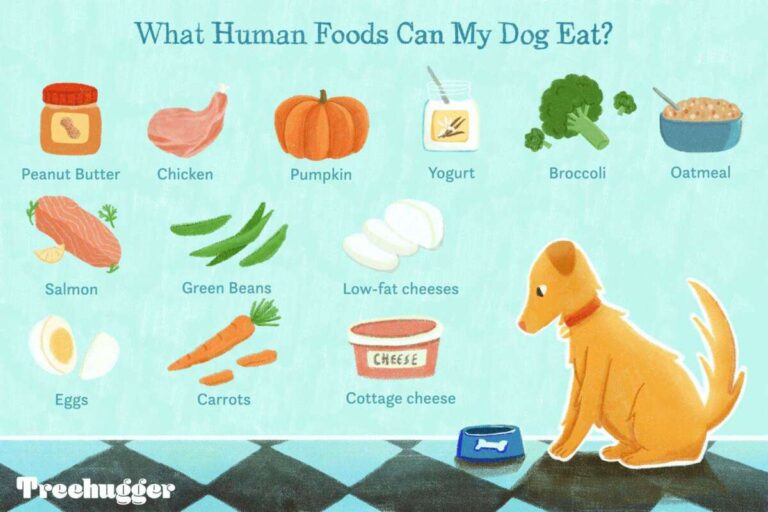
Think of complete dog food as a full meal plan rather than one healthy ingredient. Chicken may provide protein, and pumpkin may provide fiber, but neither one supplies every nutrient a dog needs.
A complete dog food should support key body functions, including:
• Muscle growth and repair
• Strong bones and teeth
• Healthy skin and a shiny coat
• Brain and nerve function
• Immune system health
• Normal digestion
• Energy production
• Heart and organ function
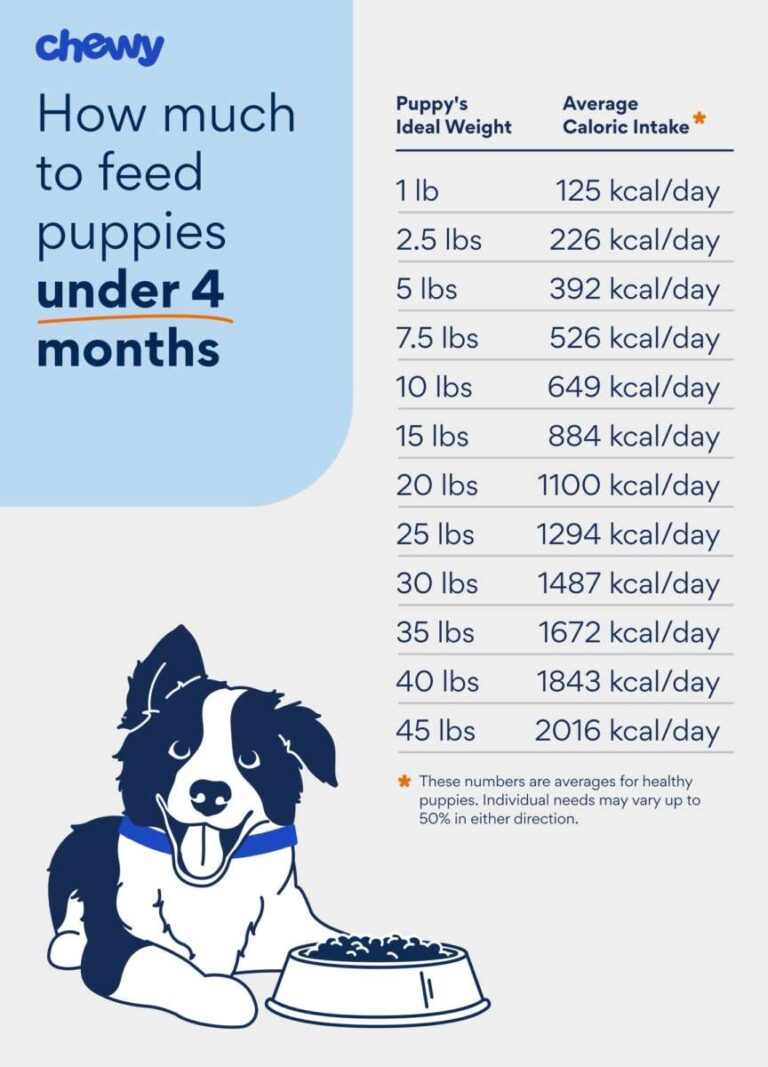
The word “complete” does not mean the food is perfect for every dog. Puppies, adult dogs, pregnant dogs, senior dogs, and dogs with medical conditions have different needs. A food can be complete for adult maintenance but unsuitable for a growing puppy.

How to tell if dog food is complete and balanced
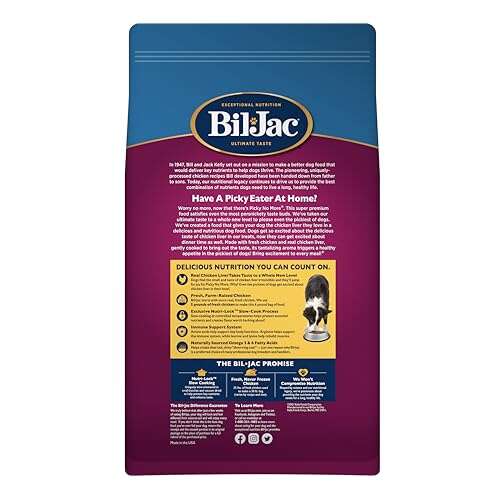
The most reliable place to look is the nutritional adequacy statement on the package. In the United States, this statement is often found on the back or side of the bag, can, pouch, or box.
Look for wording such as:
“Formulated to meet the nutritional levels established by the Association of American Feed Control Officials’ Dog Food Nutrient Profiles for adult maintenance.”
You may also see:
“Animal feeding tests using AAFCO procedures substantiate that this product provides complete and balanced nutrition for…”
This statement tells you how the food supports nutritional needs. It also tells you which life stage it is meant to support.
Check the life-stage statement
A complete dog food may be made for one or more of these groups:
• Growth, for puppies
• Gestation and lactation, for pregnant or nursing dogs
• Adult maintenance, for mature dogs
• All life stages, for dogs from growth through adulthood
“Complete and balanced for all life stages” sounds convenient, but it does not always mean it is the best choice for every dog. These foods often contain nutrient levels designed to support growth. An inactive adult dog may need careful portion control when eating such a diet.
Do not rely only on the front label
words such as “natural,” “premium,” “holistic,” and “healthy” do not prove that a food is nutritionally complete. These terms may describe ingredients or marketing goals, but they do not replace the adequacy statement.
The ingredient list is useful, too, but it must be read in context. Ingredients are listed by weight before cooking. Fresh meat contains a lot of water, so its position on the list does not tell the whole nutritional story.
Confirm feeding directions
A complete dog food should provide feeding guidelines. These are starting points, not exact rules. Your dog’s age, size, activity, metabolism, body condition, and health can change the amount needed.
A practical way to monitor feeding is to check your dog’s body condition every few weeks. You should be able to feel the ribs under a thin layer of fat without seeing every rib clearly.

What nutrients does a complete dog food contain?
A complete dog food must supply many nutrients in proper amounts and ratios. More of one nutrient is not always better. Nutrition is like a recipe: too little or too much of one part can affect the whole result.
Protein
Protein supplies amino acids for muscles, skin, organs, hormones, and immune function. Dogs can use animal and plant proteins, as long as the full diet provides the amino acids they need.
The amount and quality of protein matter. A growing puppy, working dog, or pregnant dog may need more protein than a healthy adult dog with a low activity level.
Fat
Fat is a concentrated source of energy. It also helps dogs absorb fat-soluble vitamins and supports skin, coat, brain, and cell health.
Essential fatty acids, such as omega-3 and omega-6 fatty acids, play important roles in the body. Fish oil is one source of omega-3 fatty acids, but many complete diets use other carefully balanced ingredients.
Carbohydrates and fiber
Dogs do not have a strict dietary need for carbohydrates in the same way they need certain amino acids and fatty acids. However, carbohydrates can provide energy and help food hold its shape.
Fiber supports bowel health and may help dogs feel full. Sources can include beet pulp, brown rice, oats, peas, pumpkin, and certain vegetable fibers. The right amount depends on the food and the dog.
Vitamins and minerals
Vitamins and minerals support bones, blood, nerves, muscles, metabolism, and immunity. Important nutrients include calcium, phosphorus, zinc, iron, copper, vitamin A, vitamin D, and several B vitamins.
Balance is especially important with calcium and phosphorus. Homemade diets that contain meat but lack a carefully planned mineral source can be unsafe, particularly for puppies.
Water
Water is an essential nutrient, even though it does not appear as a vitamin or mineral on the label. Dry food contains less water than canned food, so dogs eating mostly kibble should always have fresh water available.
Wet food can help increase water intake, but it still needs to be complete and balanced if it will make up most of the diet.

Complete dog food versus treats, toppers, and supplements
Not every product sold in the pet aisle is meant to be a complete meal. Understanding the difference can prevent nutritional gaps.
| Product type | Main purpose | Can it be the sole diet? |
|---|---|---|
| Complete dog food | Provides daily nutrition | Yes, when appropriate for the dog’s life stage |
| Treat | Rewards or snacks | Usually no |
| Food topper | Adds taste or moisture | Usually no |
| Broth | Adds flavor or liquid | No, unless clearly labeled complete and balanced |
| Supplement | Adds selected nutrients | No |
| Therapeutic diet | Supports certain medical needs | Only with veterinary guidance |
Many treats carry wording such as “for intermittent or supplemental feeding only.” This means they are not designed to meet all nutritional needs.
Treats, table food, and toppers should generally remain a small part of daily calories. A common guideline is to keep extras near 10% or less of daily calories, with the remaining calories coming from complete dog food. Dogs with weight problems, pancreatitis, diabetes, allergies, or other conditions may need stricter limits.
A lesson worth remembering is simple: healthy ingredients do not automatically create a healthy diet. A spoonful of plain pumpkin may be useful for some dogs, but a bowl made from pumpkin, chicken, and rice may still lack key vitamins and minerals.

Types of complete dog food
Complete dog food comes in several forms. The best option is the one your dog eats well, digests well, and can receive safely within your budget.
Dry dog food
Dry food, often called kibble, is easy to measure and store. It usually costs less per meal than wet food and can be useful for training or food puzzles.
Kibble contains less water than canned food. Dogs that eat dry food need steady access to clean drinking water.
Wet or canned dog food
Wet food contains more moisture and may be easier for some dogs to chew. It can also help make meals more appealing to picky eaters.
Once opened, canned food should be refrigerated and used according to the package directions. Wet food often costs more and may spoil faster after opening.
Fresh or refrigerated food
Fresh dog foods may be gently cooked or processed and then chilled or frozen. Some are complete and balanced, while others are designed only as toppers.
Read the adequacy statement carefully. Refrigerated storage does not prove that a food is nutritionally complete.
Freeze-dried or dehydrated food
These foods remove much of the water from the ingredients. Some are complete and balanced, but others are meant only for supplemental feeding.
Follow rehydration instructions when provided. Changing the water content can affect the food’s calories and texture.
Raw dog food
Some raw diets are complete and balanced, but many are not. Raw feeding can also increase the risk of bacterial contamination for dogs and people in the home.
Children, older adults, pregnant people, and anyone with a weak immune system may face higher risks from foodborne bacteria. If you are considering a raw diet, discuss it with a veterinarian who understands nutrition and safe food handling.
Is homemade dog food complete?
Homemade dog food can be complete, but it is difficult to balance without a carefully designed recipe. Many online recipes contain too little calcium, zinc, iodine, vitamin D, or other essential nutrients.
A meal of cooked meat, rice, and vegetables may look wholesome, yet it may not meet a dog’s full nutritional needs. This is especially serious for puppies, because nutrient imbalances can affect bone growth.
If you want to feed homemade food as the main diet:
- Ask your veterinarian for guidance.
- Work with a board-certified veterinary nutritionist when possible.
- Use a recipe made for your dog’s exact life stage and health status.
- Measure ingredients with a kitchen scale.
- Use the prescribed vitamin and mineral supplement.
- Follow the recipe without frequent substitutions.
- Review the recipe if your dog gains weight, loses weight, or develops health changes.
Do not add random supplements to a commercial complete dog food unless your veterinarian recommends them. Extra calcium, vitamin D, or other nutrients can cause harm.

How to choose the best complete dog food
Choosing complete dog food does not need to feel like solving a puzzle. Start with your dog, then compare products.
1. Match the food to the life stage
Choose food for growth, adult maintenance, all life stages, or gestation and lactation as needed. Large-breed puppies may need food with specific guidance for controlled growth.