What House Food Can I Feed My Dog: Safe Human Foods
Wondering what house food can i feed my dog? Learn safe human foods, healthy portions, and ingredients to avoid for a happier, healthier pet.
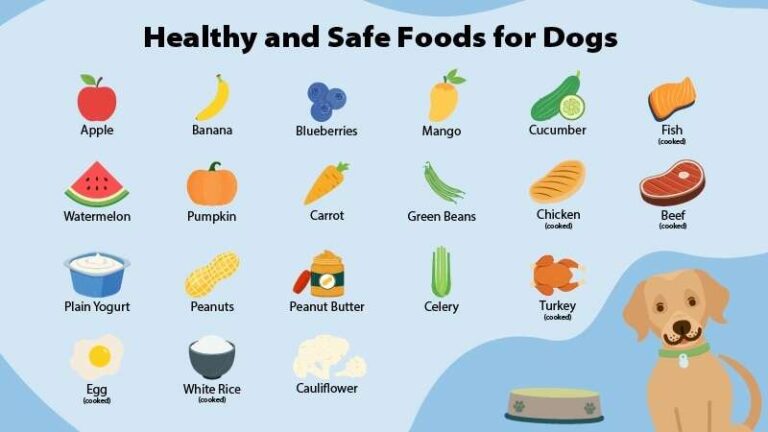
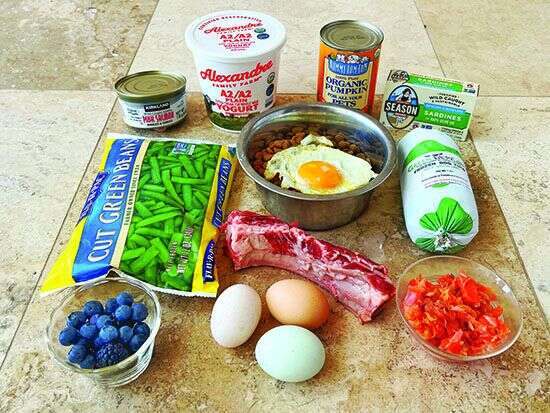
Dogs can safely eat plain chicken, turkey, eggs, rice, carrots, green beans, pumpkin, and some fresh fruit.
Knowing what house food can i feed my dog helps you share meals safely without upsetting your dog’s stomach or unbalancing a complete diet. The best choices are plain, cooked foods served in small amounts, while fatty, seasoned, and toxic foods stay off the menu. This guide explains safe options, serving sizes, foods to avoid, and simple ways to feed human food responsibly.
What house food can i feed my dog safely?
Most healthy dogs can enjoy certain household foods as occasional treats. These foods should be plain, fully cooked, and free from salt, butter, oil, sauces, garlic, and onion.
Safe choices include:
• Lean chicken or turkey with no skin or bones
• Cooked eggs
• Plain white or brown rice
• Plain oatmeal made with water
• Cooked carrots
• Green beans
• Sweet potatoes
• Plain pumpkin
• Apples without seeds or the core
• Bananas in small portions
• Blueberries and strawberries
• Cucumber
• Plain, unsweetened yogurt for dogs that tolerate dairy
• Small amounts of cooked salmon with all bones removed
When asking what house food can i feed my dog, think of simple foods that are easy to digest. A plain piece of chicken is much safer than chicken covered in gravy, seasoning, or fried coating.
Human food should support your dog’s normal diet, not replace it. Complete commercial dog food is formulated to provide the right balance of protein, fat, vitamins, and minerals.

Best protein foods for dogs
Protein helps maintain muscle, skin, hair, and daily energy. Lean, plain protein is often one of the most useful types of house food for dogs.
Chicken and turkey
Cooked chicken and turkey are popular choices because they are mild and rich in protein. Remove the skin, fat, seasoning, and every bone before serving.
Never give cooked poultry bones. They can splinter and cause choking, mouth injuries, intestinal blockage, or internal damage.
Eggs
Fully cooked eggs can be a healthy treat for many dogs. Serve them plain, without salt, cheese, butter, oil, or seasoning.
Start with a small amount. Some dogs may develop gas, loose stool, or vomiting after eating new foods.
Fish
Plain cooked salmon, cod, and white fish can provide protein and useful fats. Check the fish carefully for bones before offering it.
Avoid raw fish unless your veterinarian recommends a carefully managed diet. Raw animal foods may carry harmful bacteria and parasites.
Lean beef
Small pieces of plain, cooked lean beef can work as an occasional treat. Trim visible fat and avoid burgers with onions, garlic, heavy salt, or sauces.
Fatty meat may trigger stomach upset. In some dogs, a rich meal can contribute to pancreatitis, a painful inflammation of the pancreas.
In my experience, the biggest mistake people make is sharing meat from their own plate. The meat itself may be safe, but the marinade, gravy, and seasoning are often the real problem.
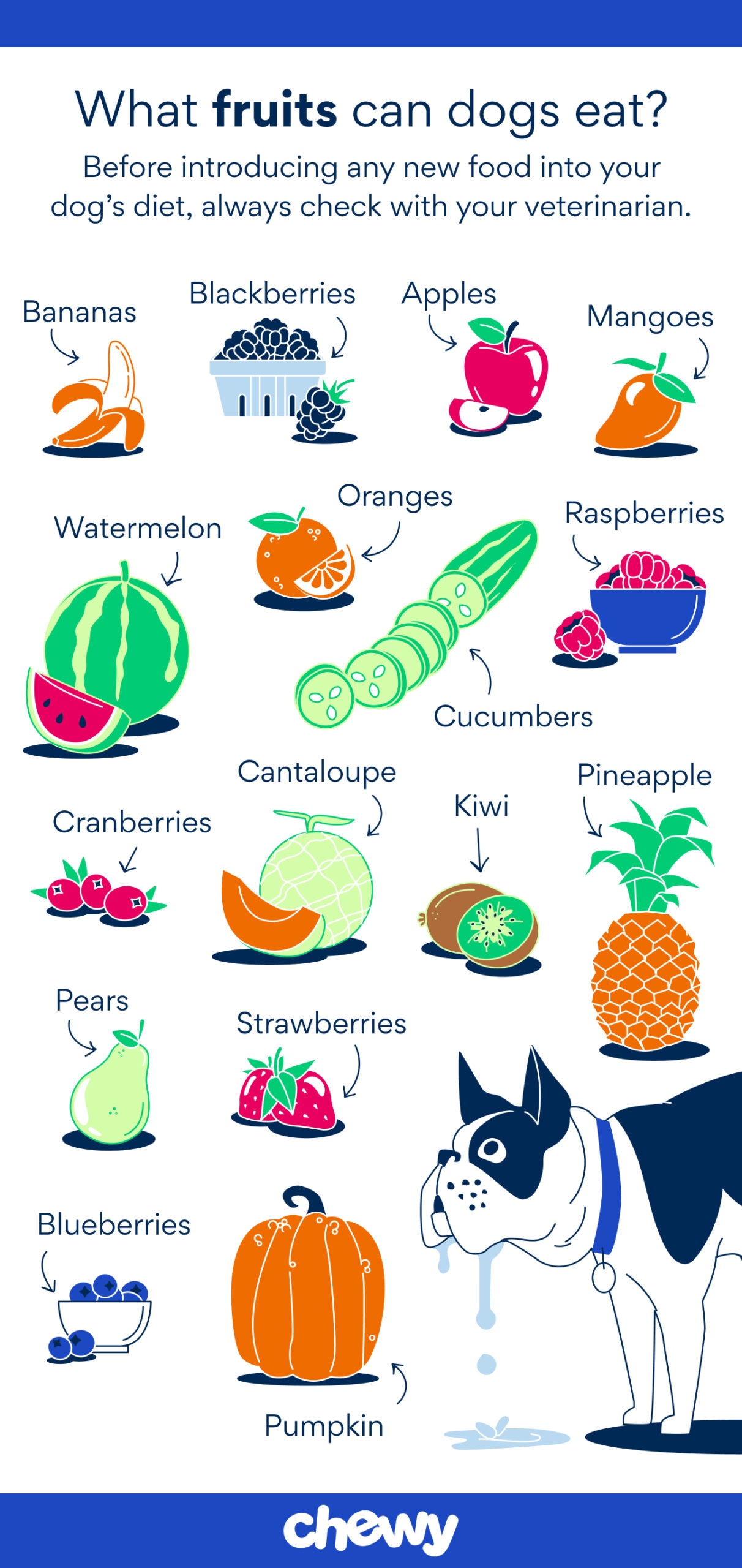
Fruits and vegetables dogs can eat
Fruits and vegetables can add fiber, water, and new flavors to a dog’s routine. They should still be treats, not the main source of nutrition.
Safe vegetables
Many dogs enjoy these vegetables when they are plain and cut into small pieces:
• Carrots
• Green beans
• Peas
• Cucumber
• Zucchini
• Broccoli in small amounts
• Cauliflower in small amounts
• Cooked sweet potato
• Plain pumpkin
• Cooked squash
Raw carrots can make a crunchy snack for some dogs. For small dogs, older dogs, or dogs that gulp food, cook or grate the carrot to lower the choking risk.
Plain pumpkin may help add fiber to a dog’s diet, but it is not a cure for ongoing diarrhea or constipation. Use pure pumpkin, not pumpkin pie filling, which often contains sugar and spices.
Safe fruits
Dogs may eat small portions of:
• Apple flesh with the seeds and core removed
• Bananas
• Blueberries
• Strawberries
• Seedless watermelon
• Cantaloupe
• Pear flesh without seeds
Fruit contains natural sugar, so portion size matters. Too much may cause diarrhea or contribute extra calories.
Grapes and raisins are never safe choices. Even small amounts can cause sudden kidney injury in some dogs, and there is no reliable safe dose.
Preparing produce
Wash fresh produce before serving it. Cut food into pieces that match your dog’s size and chewing habits.
When deciding what house food can i feed my dog, preparation matters as much as the ingredient. A plain cooked sweet potato may be safe, while a sweet potato casserole with butter, sugar, onions, and spices is not.
 vegetables dogs can eat”
style=”max-width: 100%; height: auto; border: 2px solid black; border-radius: 10px; display: block; margin: 0 auto;”
loading=”lazy”
/>
Grains, dairy, and other household foods
Some grains and dairy products are safe for dogs, but tolerance differs from one dog to another. Introduce one new food at a time so you can spot a reaction.
Rice and oatmeal
Plain cooked rice is often gentle on the stomach. Plain oatmeal made with water can also provide fiber, but it should be cooled and served without sugar, milk, raisins, or sweeteners.
Rice and oatmeal are not complete diets. Feeding large amounts for many days can leave your dog short of important nutrients.
Plain yogurt
Unsweetened yogurt with live cultures may be suitable for some dogs. Choose a product without xylitol, artificial sweeteners, added sugar, or fruit syrup.
Many adult dogs do not digest lactose well. Stop feeding yogurt if your dog develops gas, diarrhea, vomiting, or abdominal discomfort.
Peanut butter
Some dogs enjoy a small amount of plain peanut butter as a treat or a way to fill a food toy. Always check the label for xylitol, also called birch sugar, which can cause a dangerous drop in blood sugar and liver injury.
Peanut butter is high in fat and calories. Use only a small smear, especially for dogs that are overweight or have a history of pancreatitis.
Bread
A small piece of plain, fully baked bread is usually not harmful to most healthy dogs. It offers little nutritional value, so it should not become a regular snack.
Never give raw yeast dough. Dough can expand in the stomach and produce alcohol as it ferments, creating a medical emergency.

House foods dogs should never eat
Understanding what house food can i feed my dog also means learning what to keep away. Some foods are toxic, while others can cause choking, obstruction, or severe digestive problems.
Keep these foods away from dogs:
• Chocolate, cocoa, and coffee
• Grapes and raisins
• Onions, garlic, leeks, and chives
• Xylitol or birch sugar
• Alcohol
• Macadamia nuts
• Raw yeast dough
• Cannabis products
• Very salty foods
• Fatty scraps and fried foods
• Cooked bones
• Moldy food and compost
• Foods containing large amounts of nutmeg
Chocolate toxicity depends on the type and amount eaten, as well as the dog’s size. Dark chocolate and cocoa powder are especially dangerous.
Onions and garlic can damage red blood cells. This risk applies to raw, cooked, dried, and powdered forms, so check sauces, seasoning blends, baby food, and leftovers.
If your dog eats a toxic food, do not wait for symptoms. Contact your veterinarian or a pet poison service at once, and keep the package or ingredient list nearby.

How much human food can a dog eat?
Treats and extra foods should generally make up no more than 10% of your dog’s daily calories. The remaining 90% should come from a complete and balanced diet suited to the dog’s life stage.
This 10% rule includes table scraps, training treats, dental chews, supplements, and food used to hide medicine. A few bites can add up quickly, especially for a small dog.
Use these general serving ideas:
• Toy dogs: one or two small bites
• Small dogs: one or two teaspoons to a tablespoon
• Medium dogs: one to two tablespoons
• Large dogs: a few tablespoons to a small handful
These are broad examples, not exact prescriptions. A dog’s weight, age, activity, health, and current food all affect the right amount.
When considering what house food can i feed my dog, measure the serving before you offer it. Do not judge portions by your own appetite; a bite for a Labrador can be a full meal for a Chihuahua.

How to introduce new foods safely
A careful introduction can prevent many stomach problems. Even a healthy food may cause trouble if your dog eats too much too fast.
Follow these steps:
- Choose one plain food.
- Offer a very small amount.
- Watch your dog for 24 to 48 hours.
- Look for vomiting, diarrhea, gas, itching, swelling, or changes in behavior.
- Stop the food if symptoms appear.
- Contact your veterinarian if symptoms are severe, persistent, or sudden.
Do not introduce several new foods at the same time. If your dog becomes ill, you will not know which ingredient caused the reaction.
It helps to keep a simple food log. Write down the food, portion, date, and any symptoms. This small habit can reveal patterns and gives your veterinarian useful information.
Puppies, senior dogs, and dogs with medical conditions need extra care. Dogs with diabetes, kidney disease, liver disease, food allergies, pancreatitis, or sensitive digestion may need a stricter plan.