What Is In My Dog Food: Ingredient Guide
Learn what is in my dog food, how to read ingredient labels, and which nutrients support your pet’s health. Make smarter feeding choices today.
What is in my dog food usually includes meat, grains or vegetables, vitamins, minerals, fat, and safe preservatives.
Learning what is in my dog food helps you judge its quality, safety, and fit for your pet. A dog food label can feel like a science lesson, but the key details are easier to understand than they seem. This guide explains each part of the label, how ingredients are listed, which claims matter, and what to discuss with your veterinarian.
What is in my dog food?
What is in my dog food depends on the recipe, brand, life stage, and diet type. Most complete dog foods contain several main groups of nutrients:
• Protein from meat, poultry, fish, eggs, or plants
• Fat from animal or plant sources
• Carbohydrates from grains, potatoes, peas, or other plants
• Fiber from ingredients such as beet pulp, pumpkin, or cellulose
• Vitamins and minerals for body function
• Water, especially in canned and fresh foods
• Preservatives that help keep the food safe and fresh
A good dog food is more than a list of attractive ingredients. It should provide the right balance of nutrients for your dog’s age, size, activity level, and health needs.
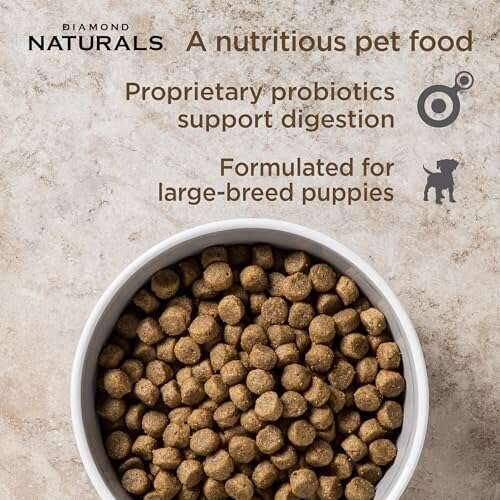
Puppy food, adult food, and senior food can have different nutrient levels. Food for large breed puppies, for example, must control calcium and energy to support steady bone growth.

How to read a dog food label
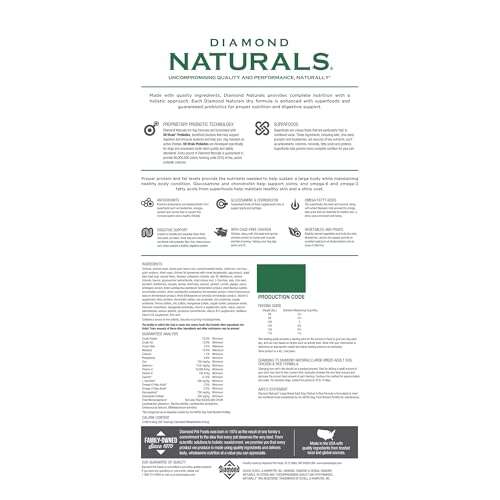
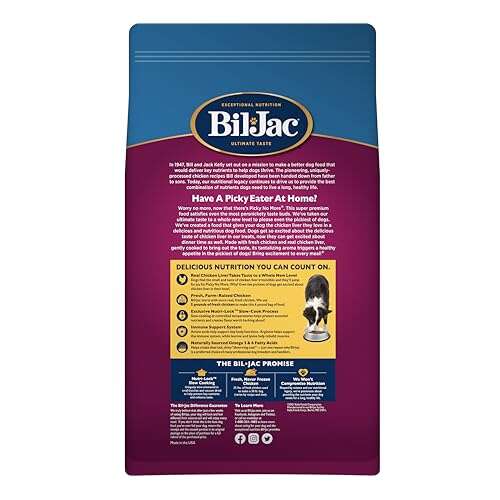
The label tells you what is in my dog food, but the information must be read in the right order. Start with the product name, the ingredient list, the guaranteed analysis, and the nutritional adequacy statement.
Check the product name
The product name can describe how much of a certain ingredient the food contains.
For example, “beef dog food” may follow different rules from “dog food with beef.” A product with “beef dinner” in its name usually contains a stated minimum amount of beef. A product that says “with beef” may contain a much smaller amount.
Words such as “flavor” also have a specific meaning. A food with “chicken flavor” may contain enough chicken flavor to make the food taste like chicken, but it may not contain much chicken tissue.
Read ingredients in order
Dog food ingredients appear by weight before cooking. The first ingredient weighs the most at the start of production. However, fresh meat contains a lot of water, while meals and dry ingredients contain much less.
For example, fresh chicken may appear before chicken meal. After cooking, much of the fresh chicken’s water leaves the product. Chicken meal may then provide more actual protein than its position suggests.
The first five to ten ingredients can offer useful clues, but they do not tell the entire story. Nutrient levels, ingredient quality, digestibility, and safety also matter.
Find the guaranteed analysis
The guaranteed analysis usually lists minimum crude protein and crude fat. It also lists maximum crude fiber and moisture.
“Crude” does not mean poor quality. It refers to a laboratory method used to estimate nutrient levels. Still, these numbers do not show how well your dog digests each nutrient.
Dry and canned foods should not be compared by looking at label percentages alone. Canned food contains much more water. To compare them fairly, use a dry matter calculation or ask your veterinarian for help.
Look for nutritional adequacy
A complete and balanced statement is one of the most important parts of the package. In the United States, this statement is usually based on nutrient profiles or feeding trials recognized by the Association of American Feed Control Officials.
The statement should match your dog’s needs. It may say the food is complete and balanced for:
• Growth
• Adult maintenance
• All life stages
• Pregnancy and nursing
• A specific size of dog
Treats, toppers, and many homemade diets are not complete foods. They should not replace a balanced main diet unless a veterinary nutrition professional has designed the plan.
Protein in dog food
Protein supports muscles, skin, hair, organs, hormones, and immune function. Dogs need certain amino acids from protein, not simply a high number on the label.
Common protein ingredients include:
• Chicken
• Turkey
• Beef
• Lamb
• Fish
• Eggs
• Soy
• Peas
• Lentils
• Rice protein
Animal ingredients can be very useful, but plant ingredients are not automatically bad. The full recipe matters. A food may combine animal and plant proteins to meet the dog’s amino acid needs.
Meat meal can also be a valuable ingredient. Chicken meal, for example, is a concentrated source of chicken protein after much of the water has been removed. By-products may include nutritious organs such as liver and heart. The word “by-product” does not mean waste.
A practical lesson from comparing many labels is simple: do not judge a food by one ingredient. A dramatic front-of-package claim may sound impressive, while the complete nutrient profile tells the more important story.
How much protein does a dog need?
The right amount depends on age, health, activity, and body condition. Puppies, pregnant dogs, and working dogs may need different nutrient levels from calm adult dogs.
More protein is not always better. Dogs with certain medical conditions may need a carefully controlled diet. Ask your veterinarian before changing protein levels for kidney disease, liver disease, allergies, or digestive problems.
Fat, carbohydrates, and fiber
Fat is a major energy source in dog food. It also helps the body absorb vitamins A, D, E, and K. Essential fatty acids support the skin, coat, brain, and immune system.
Sources of fat may include:
• Chicken fat
• Fish oil
• Beef fat
• Flaxseed
• Canola oil
• Sunflower oil
Omega 3 fats from fish oil can support skin and coat health. They may also help manage some forms of inflammation. However, the dose and product quality matter, so supplements should be discussed with a veterinarian.
Carbohydrates provide energy and help shape dry kibble. Dogs can digest cooked grains and many other plant foods. Corn, wheat, rice, oats, and barley can provide energy, starch, protein, vitamins, and minerals.
There is no strong reason to avoid all grains unless your dog has a proven medical need. True food allergies are less common than many owners think, and a veterinary elimination diet is the best way to investigate one.
Fiber supports normal stool and gut health. Some fibers ferment in the colon and feed helpful gut bacteria. Too much fiber, however, may reduce calorie density or cause gas and loose stool.
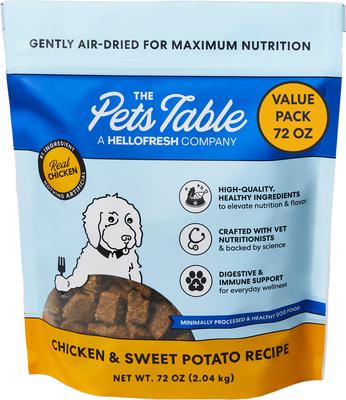
Vitamins, minerals, and supplements
Vitamins and minerals help control many body processes. Calcium and phosphorus support bones. Zinc supports skin and immune health. Iron helps carry oxygen in the blood.
Dog food may contain nutrients from whole ingredients, added supplements, or both. Added vitamins and minerals are common and can help make a recipe complete and balanced.
You may also see ingredients such as:
• Taurine
• Glucosamine
• Chondroitin
• Probiotics
• Prebiotics
• Antioxidants
These ingredients can serve a purpose, but their presence does not prove that a food is superior. The amount, form, stability, and research behind the ingredient all matter.
Do not add human vitamins to your dog’s food without professional advice. Too much vitamin D, calcium, iron, or other nutrients can cause serious harm.
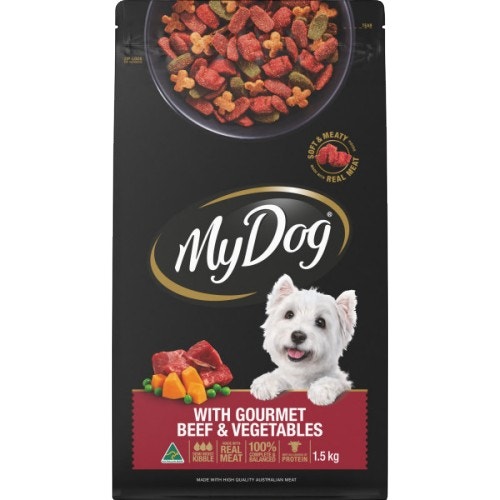
Preservatives and additives
Preservatives help stop fats from becoming rancid and protect food during storage. Common options include mixed tocopherols, citric acid, rosemary extract, and certain approved synthetic preservatives.
Natural does not always mean safer. A natural preservative may work for a shorter time or vary in strength. Approved synthetic preservatives can be safe when used within legal limits.
Other additives may improve texture, taste, color, or shelf life. Some are functional, while others are mainly for appearance or consumer appeal.
When checking what is in my dog food, focus on safety testing and overall nutrition instead of assuming that every unfamiliar term is dangerous. If your dog has a known sensitivity, your veterinarian can help identify ingredients that should be avoided.
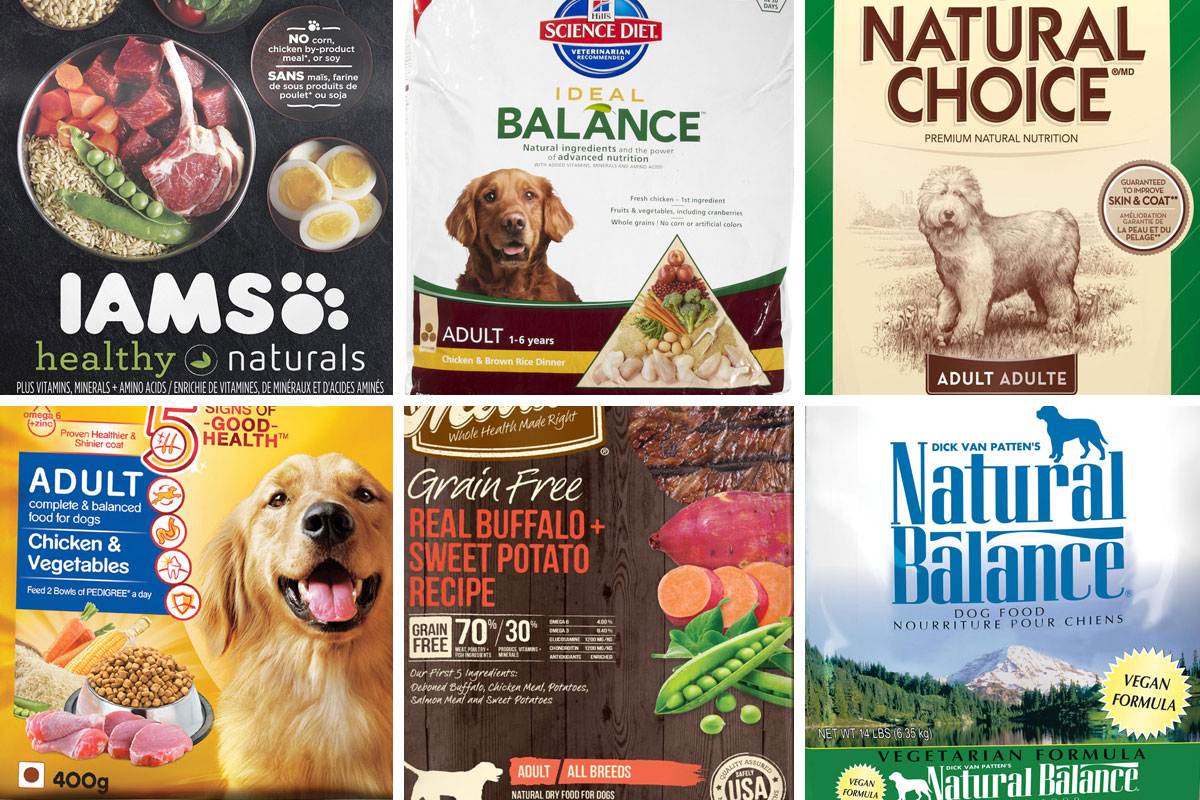
Common dog food ingredients explained
Meat and poultry
These provide protein, fat, moisture, and flavor. Fresh meat contains more water than meat meal, so the label position does not tell the whole story.
Meat meal
Meal is a concentrated ingredient made after water and fat are reduced. A named meal, such as lamb meal, can provide useful protein.
Animal by-products
By-products can include organs and other edible tissues. They may be rich in nutrients and are not automatically inferior to muscle meat.
Grains
Rice, corn, wheat, oats, and barley can supply energy and nutrients. Most dogs can eat properly cooked grains without a problem.
Peas and lentils
These can provide carbohydrates, protein, and fiber. They are common in grain-free diets and should be considered as part of the full recipe, not judged alone.
Beet pulp
Beet pulp is a fiber source. It can help support stool quality and healthy fermentation in the gut.
Cellulose
Cellulose adds fiber and can help manage calorie density. It has little nutritional value compared with protein or fat.
Animal fat and plant oils
These add energy and essential fatty acids. The balance of fatty acids is more useful than judging the ingredient by name alone.
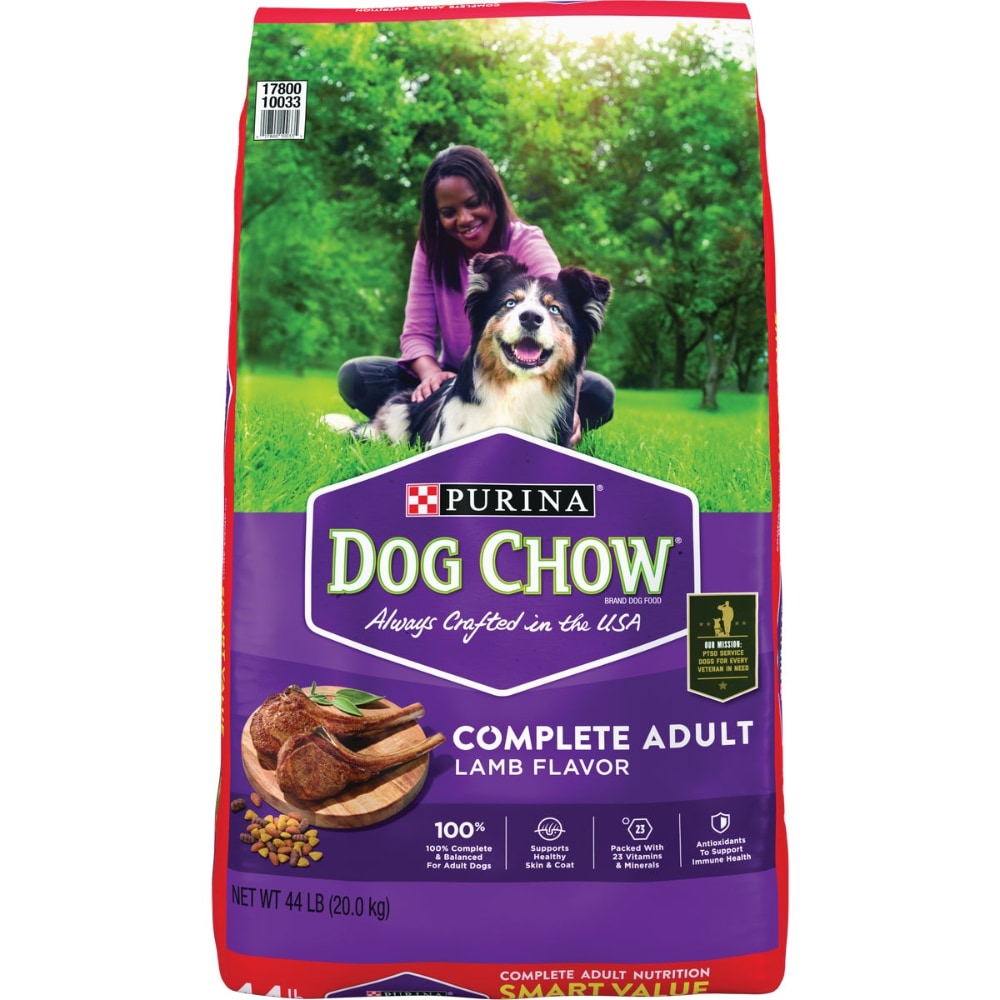
Grain-free dog food and ingredient concerns
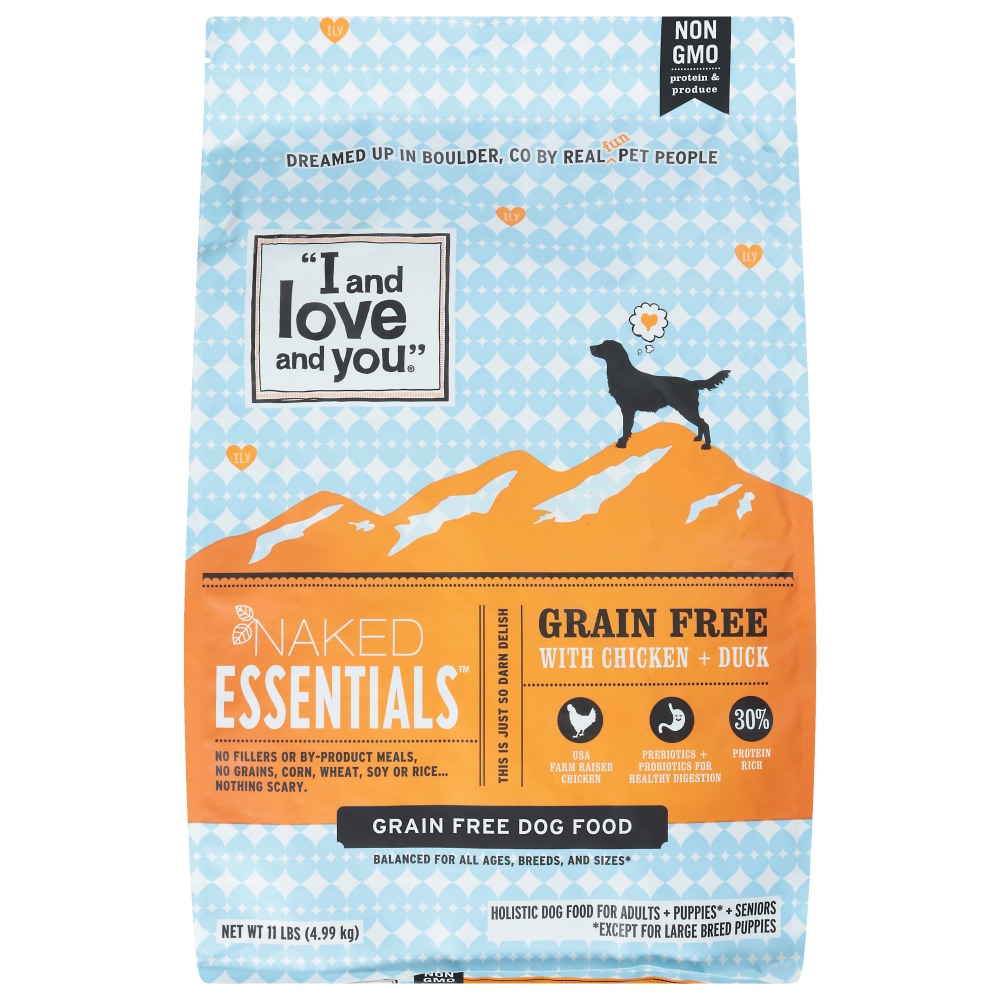
Grain-free food does not mean carbohydrate-free. Many grain-free recipes replace grains with peas, lentils, chickpeas, or potatoes.
The U.S. Food and Drug Administration investigated reports of canine dilated cardiomyopathy involving some diets that contained high amounts of these ingredients. The issue is complex, and research has not shown that every grain-free diet causes heart disease.
This does not mean every grain-free food is unsafe. It does mean that diet choice deserves care, especially when a recipe relies heavily on legumes or unusual ingredient combinations.
Before choosing a grain-free diet, ask:
• Does my dog have a diagnosed reason to avoid grains?
• Is the food complete and balanced?
• Does the company employ qualified nutrition experts?
• Does the company perform feeding trials or other quality checks?
• Has my veterinarian reviewed the diet?
Avoid changing food because of a trend alone. Dogs do not need a fashionable diet. They need a safe, balanced diet that supports good health.
How to judge dog food quality
Quality is not decided by the first ingredient or the front of the bag. Look at the entire product and the company behind it.
Use this checklist:
-
Confirm that the food is complete and balanced for your dog’s life stage.
-
Check the calorie content, especially if your dog gains weight easily.
-
Review the protein, fat, fiber, and moisture levels.
-
Look for clear ingredient names and feeding directions.
-
Learn whether the company has nutrition and quality control staff.
-
Check whether the company tests finished products for nutrient accuracy and contaminants.
-
Choose a food your dog eats well and digests comfortably.
-
Monitor body weight, stool, coat, energy, and appetite.
A high price does not guarantee better nutrition. A low price does not automatically mean poor nutrition. Marketing terms such as “premium,” “holistic,” and “natural” may have limited value unless you understand the legal definition behind them.
The best food is one that is safe, balanced, suitable for your dog, and fed in the correct amount.
Wet food, dry food, fresh food, and homemade diets
Dry kibble is convenient, affordable, and easy to measure. It also has a long shelf life after opening. However, it contains little water compared with canned food.
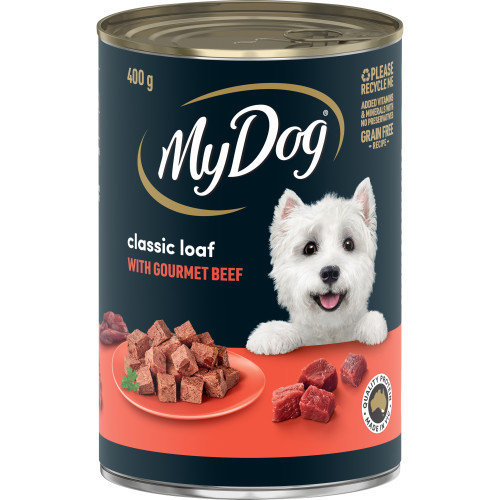
Wet food contains more moisture. It may help dogs that need extra water or prefer a softer texture. Once opened, it needs refrigeration and should be used within the time listed on the package.
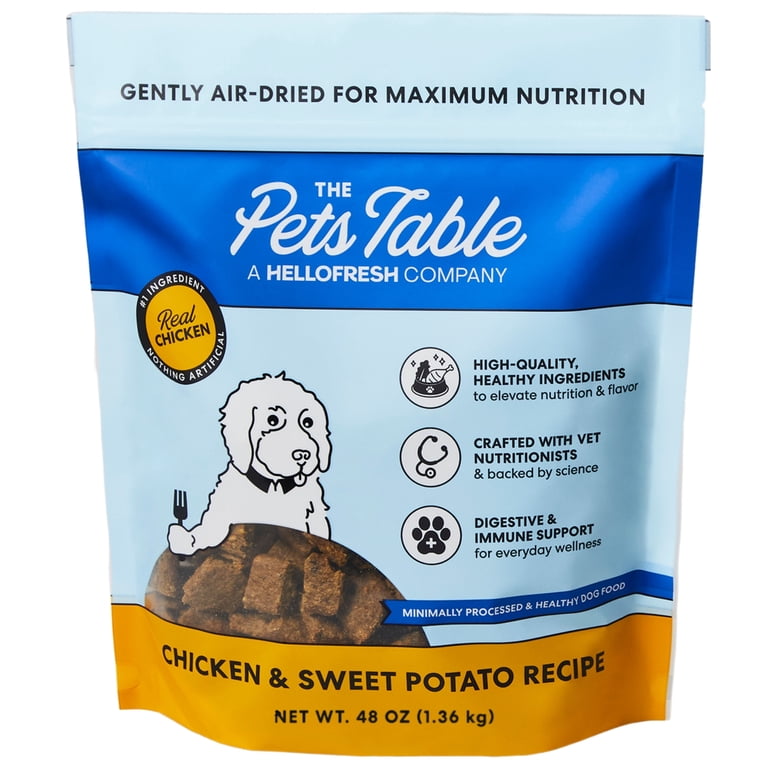
Fresh refrigerated and gently cooked foods may be appealing, but check their nutritional adequacy and storage rules. “Fresh” describes handling and style, not necessarily nutritional quality.
Homemade diets can work when they are formulated by a board-certified veterinary nutritionist. Recipes found online may lack calcium, zinc, iodine, vitamin D, or other key nutrients.
Raw diets also carry risks. Raw meat can contain harmful bacteria, and bones can break teeth or cause intestinal injury. These diets may also expose people in the home to pathogens. Discuss any raw or homemade plan with your veterinarian first.
Feeding mistakes to avoid
Understanding what is in my dog food is helpful, but feeding habits matter just as much. Even a balanced food can cause weight gain when served in large portions.
Avoid these common mistakes:
• Measuring food by eye
• Ignoring calories in treats
• Changing food suddenly
• Adding many table scraps
• Giving supplements without guidance
• Choosing food based only on advertising
• Switching diets before checking for a medical problem
Change foods slowly over about seven days. Mix a small amount of the new food with the old food, then increase the new food over time. Dogs with sensitive stomachs may need an even slower change.
Keep treats near 10 percent or less of daily calories unless your veterinarian gives different advice. A small dog can use up its daily treat allowance very quickly.
When your dog may need a special diet
Some dogs need food designed for a medical condition. Examples include diets for food allergy trials, urinary disease, kidney disease, diabetes, obesity, gastrointestinal disease, or joint problems.
A prescription diet is not just a list of special ingredients. Its nutrient levels, digestibility, texture, and manufacturing controls may all be important.
Contact your veterinarian if your dog has:
• Ongoing vomiting or diarrhea
• Sudden weight loss or gain
• Excessive thirst or urination
• Itchy skin or repeated ear infections
• Loss of appetite
• Low energy
• Blood in the stool or urine
Do not diagnose a food allergy from a single symptom. Many conditions can cause itching, diarrhea, or ear problems. A proper veterinary workup gives you a clearer answer.
Frequently asked questions about what is in my dog food
What is the first ingredient in most dog food?
The first ingredient is the one that weighs the most before processing. It may be fresh meat, meat meal, a grain, or another ingredient, but its position alone does not prove that the food is best.
Is meat meal safe for dogs?
Named meat meals, such as chicken meal or fish meal, can be safe and nutritious sources of concentrated protein. They are made by removing much of the water from the ingredient.
Are grains bad for dogs?
Most dogs can digest cooked grains such as rice, oats, corn, wheat, and barley. Grain-free food is usually needed only when a veterinarian identifies a specific reason for avoiding grains.
Should dogs eat by-products?
Some by-products include nutritious organs such as liver and heart. The term does not automatically mean the ingredient is unsafe or low quality.
How can I tell if my dog food is complete and balanced?
Look for a nutritional adequacy statement on the package. It should say the food is complete and balanced for your dog’s life stage or condition.
Are preservatives in dog food harmful?
Approved preservatives help keep food safe and prevent rancidity. Natural preservatives are not always safer, so consider the full recipe, storage instructions, and your dog’s response.
Can I make my dog’s food at home?
You can, but a homemade diet should be formulated by a veterinary nutrition professional. Many online recipes lack essential vitamins and minerals.
Conclusion
Knowing what is in my dog food makes it easier to choose a safe and suitable diet. Look beyond the marketing on the front of the package. Review the ingredient list, guaranteed analysis, calorie content, feeding directions, and complete-and-balanced statement.
Watch your dog’s weight, stool, coat, energy, and appetite after any diet change. When health problems or special diets are involved, your veterinarian should guide the decision. Use this label-reading approach the next time you shop, and share your questions or experiences in the comments.

Pet Care Writer & Researcher
Daniel writes practical guides on daily care, feeding, and safety, turning complex topics into simple, actionable advice.