Can Neighbors Complain About Dog Barking During Day: Rules
Can neighbors complain about dog barking during the day? Learn noise rules, quiet hours, neighbor rights, and practical ways to resolve barking complaints.
Yes, neighbors can complain about dog barking during the day if it is loud, frequent, or unreasonable.
Daytime barking is not automatically illegal, but it can still violate local noise rules, lease terms, or community standards. The answer depends on how long the barking lasts, how often it happens, how loud it is, and how your city defines a nuisance. This guide explains your rights, your neighbor’s options, and practical ways to solve the problem before it becomes a formal dispute.
Can neighbors complain about dog barking during the day?
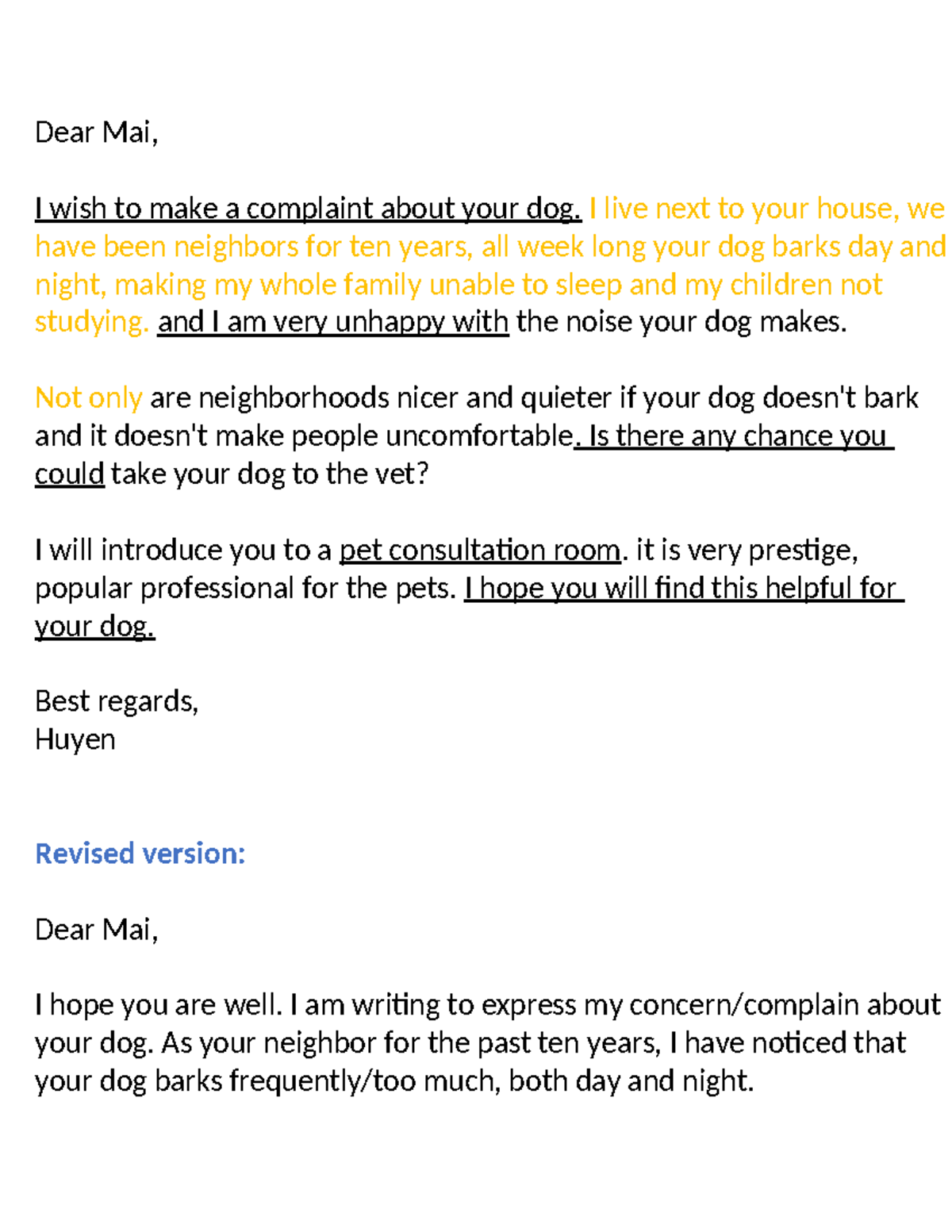
Yes, neighbors can complain about dog barking during the day. A complaint may be made to you, a landlord, a homeowners association, animal control, or a local code enforcement office.
Many people assume noise rules apply only at night. That is not always true. Cities and counties often regulate excessive noise at all hours, even though nighttime rules may be stricter.
The key issue is usually not one short bark. It is a repeated or continuous pattern that affects another person’s ability to sleep, work, study, or enjoy their home.
Examples may include:
• A dog barking for several hours while its owner is away
• Repeated barking every day at the same time
• Loud barking that continues after reasonable efforts to stop it
• Barking that can be clearly heard inside a nearby home
• A dog reacting to people, cars, or animals throughout the day
A neighbor can complain even if the barking happens during normal daytime hours. However, making a complaint does not automatically mean you broke the law or that you will receive a fine.

When does daytime dog barking become a legal nuisance?
Daytime dog barking may become a legal nuisance when it is excessive, unreasonable, or ongoing. The exact standard depends on state law and local ordinances.
Some local rules use a time limit. For example, an ordinance may prohibit barking that continues for a set number of minutes. Other rules focus on the total pattern, such as repeated barking over several hours or multiple days.
A local law may consider:
• The length of each barking episode
• The number of barking episodes
• The time of day
• The volume of the noise
• The distance between homes
• Whether the barking is constant or occasional
• Whether the noise interferes with normal home use
• Whether the owner took reasonable steps to reduce it
A single bark, a few alert barks, or normal puppy noise is rarely enough by itself. But frequent barking that continues for weeks may support a nuisance complaint.
It is also important to understand the difference between a subjective complaint and an enforceable violation. A neighbor may find the sound annoying, but an agency may require proof that the noise meets a legal standard.
What laws control dog barking during the day?
Dog barking laws usually come from local governments. Cities, counties, and towns may each have their own animal control or noise ordinance.
Some areas classify excessive barking as a public nuisance. Others treat it as a noise violation. A few communities have specific “barking dog” laws that explain how complaints, warnings, investigations, and penalties work.
Common rules include:
• A ban on continuous barking for a stated period
• A ban on repeated barking that disturbs nearby residents
• A requirement that the owner prevent unreasonable noise
• A process for written complaints from one or more neighbors
• A warning before a citation or fine
• Evidence requirements, such as recordings or noise logs
Lease agreements may create additional duties. If you rent, your lease may prohibit disturbances, excessive noise, or conduct that interferes with other tenants. A landlord could act even if the city does not issue a citation.
Homeowners associations may also have rules about pets and noise. HOA rules cannot replace local law, but they may provide another path for enforcement.
Because rules vary, check your city or county website, animal control department, municipal code, lease, and HOA documents. Do not rely only on general advice from another state.

Why do dogs bark during the day?
Dogs bark for many reasons. Understanding the cause is often the fastest way to reduce the noise.
Common causes include:
• Separation distress when the owner leaves
• Boredom or lack of exercise
• Fear of people, vehicles, or other animals
• Territorial behavior near windows or fences
• Excitement during play
• Hunger, pain, or illness
• A need to go outside
• Noise from construction or nearby homes
• Reinforcement from attention, yelling, or treats
A dog that barks only when alone may have separation anxiety. A dog that barks at every passerby may need less visual access to the street. A dog that barks during outdoor time may need more supervision and activity.
Think of barking as a symptom rather than the whole problem. Punishing the sound without addressing the cause can increase stress and make the pattern worse.
What should you do if a neighbor complains?
Take the complaint seriously, even if you believe the barking is normal. Your neighbor may be hearing a pattern that you cannot hear when you are at work or inside your home.
Start with a calm conversation. Thank the person for telling you and ask for specific details.
Useful questions include:
• What time does the barking usually start?
• How long does each episode last?
• Does it happen every day?
• Is the barking worse when I leave?
• Can you provide a recording or written log?
Avoid arguing about whether the dog “should” bark. The goal is to learn what your neighbor experiences and find a workable solution.
Then monitor the dog. A pet camera, audio recorder, or trusted friend can help you learn what happens when you are away. Keep a simple record of the time, duration, trigger, and response.
A practical response plan may include:
-
Schedule a veterinary checkup if the barking is new or unusually intense.
-
Increase walks, play, training, and mental enrichment.
-
Close blinds or use privacy film to block street activity.
-
Bring the dog indoors during busy periods.
-
Use a sitter, walker, daycare, or trusted friend when needed.
-
Work with a qualified reward-based trainer.
-
Ask your neighbor whether the noise has improved.
The biggest mistake is ignoring the issue until an official complaint arrives. Early action often prevents a small problem from becoming a legal or personal conflict.

How can you reduce dog barking during the day?
The best solution depends on the reason for the barking. A trainer or veterinary behavior professional can help identify the trigger and build a safe plan.
Reduce visual and sound triggers
If the dog barks at people or cars, block access to windows and fences. White noise, calm music, or a quieter indoor room may also help.
Do not leave the dog in a yard where it can watch every person who passes. A fence may contain the dog, but it does not remove the trigger.
Add exercise and mental work
A tired dog may bark less, but exercise alone is not a complete treatment. Many dogs also need tasks that use their minds.
Try:
• Scent games
• Food puzzles
• Short training sessions
• Sniff walks
• Safe chew items
• Rotating toys
Use puzzle toys carefully. Choose products that match the dog’s size and chewing style, and supervise when needed.
Treat separation-related barking carefully
If barking starts soon after you leave, the dog may be experiencing distress. Sudden isolation can feel like a storm to an anxious dog.
Helpful steps may include:
• Practicing very short departures
• Returning before panic begins
• Building alone time slowly
• Keeping departures calm
• Using a trainer who understands separation anxiety
Severe cases may need a veterinary behavior assessment. Never use medication without veterinary guidance.
Avoid harmful training methods
Yelling may sound like barking to the dog. Shock collars and punishment can also increase fear and stress, especially when the cause is anxiety.
Reward-based training is generally safer and more effective for teaching quiet behavior. Reward the dog when it notices a trigger and remains calm, rather than waiting until the barking has continued for several minutes.
What evidence can a neighbor use in a barking complaint?
Evidence helps an agency decide whether the barking violates a rule. A complaint may include:
• Dates and times
• Approximate duration
• Audio or video recordings
• Written statements
• A log of repeated incidents
• Statements from other affected residents
• Police, animal control, or code enforcement reports
Recording laws vary by state, especially when audio captures private conversations. A neighbor should avoid trespassing, placing recording devices on your property, or using harassment to collect proof.
If you are the dog owner, keep your own records too. Note when you made changes, what treatment or training you tried, and whether the barking improved.
Many agencies do not require professional sound equipment. Some may accept a clear log or recordings that show a repeated pattern. Others may require a formal affidavit or testimony.
A recording of one short barking episode may not prove a continuing nuisance. Several recordings across different days may provide stronger evidence.

What happens after a barking complaint?
The process differs by location, but it often follows a gradual path.
A typical process may include:
-
An informal conversation between neighbors
-
A written warning from animal control or code enforcement
-
A required response from the dog owner
-
A formal complaint or sworn statement
-
An investigation or hearing
-
A citation, fine, or compliance order
-
Further penalties if the problem continues
Some cities require the complaining neighbor to document the barking for a specific period. Others allow an officer to investigate the noise directly.
Possible consequences may include a warning, civil fine, hearing, court order, or requirement to take corrective steps. In serious or repeated cases, local law may impose larger penalties.
The dog is not usually removed simply because one neighbor complains. Removal is more likely to involve separate issues, such as cruelty, dangerous behavior, neglect, or repeated failure to obey an official order.
If you receive a notice, read it carefully. Check the deadline, hearing date, evidence rules, and steps required to respond. If the notice could lead to a major fine or court case, consider speaking with a local attorney.
Can a neighbor complain about dog barking during the day in an apartment?
Yes, a neighbor can complain about dog barking during the day in an apartment. Apartment buildings often have thin walls, shared hallways, and strict quiet enjoyment rules, so sound may affect several residents.
Your lease may prohibit excessive noise or disturbances at any hour. A property manager may investigate even when the city’s noise ordinance does not apply.
If you rent, review:
• Pet addendums
• Noise clauses
• Community rules
• Warning procedures
• Notice and appeal rights
Landlords usually cannot control every sound a pet makes. However, they may act when barking is persistent, unreasonable, and disruptive.
Work with management in writing. Explain the steps you are taking, ask for specific dates and times, and request a reasonable chance to correct the problem. Keep copies of emails, notices, training records, and veterinary documents.
Can neighbors complain about dog barking during the day in a homeowners association?
Yes, neighbors can complain about dog barking during the day in an HOA community. HOA rules may regulate nuisance noise, pets, and conduct that disturbs other residents.
An HOA may issue a warning, request a hearing, or impose fines if its governing documents allow that action. The association must still follow its own procedures and applicable state law.
Check the declaration, bylaws, rules, enforcement policy, and fine schedule. Some associations require written notice and an opportunity to be heard before imposing penalties.
Do not assume an HOA rule makes all barking illegal. The association may need to show that the barking violates a specific rule or creates an unreasonable disturbance.
A cooperative response usually works best. Ask for the exact rule, request details about the alleged barking, and show that you are taking practical steps to reduce it.
What if the neighbor’s complaint is unfair?
Some complaints are exaggerated, mistaken, or made during a short period of unusual noise. A dog may bark because of fireworks, construction, a medical problem, or a temporary visitor.
You still should not dismiss the complaint without checking. Use a camera or trusted observer to learn what is really happening.
If the complaint appears inaccurate:
• Stay polite and avoid personal attacks
• Ask for dates and times
• Keep your own records
• Save evidence of training and veterinary care
• Communicate in writing when possible
• Review the exact local rule
• Respond to official notices by the deadline
Do not retaliate with loud music, threats, or confrontational visits. Retaliation can create a separate legal problem and damage your credibility.
If harassment, threats, trespassing, or property damage occurs, document it and contact the appropriate authority. A barking dispute does not give either side permission to intimidate the other.
How to talk with a neighbor about dog barking
A respectful conversation can solve the issue before it reaches an agency.
You might say:
“Thanks for letting me know. I did not realize the barking was lasting that long. Can you tell me when it usually happens? I will monitor it and work on a plan.”
This approach does three things. It recognizes the neighbor’s experience, gathers useful facts, and shows good faith.
Offer a reasonable update after you make changes. For example, tell the neighbor that you hired a walker, moved the dog away from the window, or scheduled a trainer.
Do not promise that the dog will never bark. That promise is unrealistic. Instead, promise specific actions and a time to review progress.
In many real-world disputes, people become more patient when they see steady effort. The goal is not perfect silence. The goal is reasonable control and peaceful coexistence.
What mistakes should dog owners avoid?
The most common mistake is waiting until the barking becomes a formal complaint. Early feedback is easier to handle than a citation, hearing, or eviction notice.
Other mistakes include:
• Assuming daytime barking can never violate a rule
• Leaving a distressed dog alone for long periods
• Yelling from inside the house
• Using punishment without identifying the cause
• Failing to read the lease or HOA rules
• Ignoring written notices
• Blaming the neighbor instead of checking the facts
• Promising a solution without following through
Another mistake is using an anonymous or unregulated bark-control device without understanding its risks. Some devices may cause fear, and some local rules or housing policies may restrict them.
Use humane, evidence-based methods. If the barking is severe, sudden, or linked to anxiety, get help from a veterinarian and a qualified trainer.
Frequently Asked Questions About Can Neighbors Complain About Dog Barking During the Day
Can neighbors complain about dog barking during the day if it happens only occasionally?
Yes, neighbors can complain, but an occasional short bark may not meet the legal standard for excessive noise. Authorities usually look at the frequency, duration, volume, and effect on nearby residents.
Is it illegal for a dog to bark during the day?
Usually, barking during the day is not automatically illegal. It may become a violation when it is continuous, repeated, unusually loud, or classified as a nuisance under local law.
How long can a dog bark before a neighbor can complain?
There is no single nationwide time limit. Some local ordinances set a specific duration, while others use a broader standard based on whether the barking is unreasonable or disruptive.
Can a neighbor call the police about a barking dog?
A neighbor can contact the police, but animal control or code enforcement often handles ongoing barking complaints. Police may respond when there are threats, an immediate disturbance, or a local rule directing them to handle noise issues.
Can a landlord evict someone because of dog barking?
A landlord may take action if barking violates the lease or substantially disturbs other tenants. Eviction usually requires proper notice and legal procedure, and the exact rules depend on the state and lease terms.
What should I do if animal control contacts me about barking?
Read the notice, identify the deadline, and respond calmly. Ask what evidence is required, document the steps you are taking, and consider local legal advice if a fine, hearing, or court action is involved.
Can a dog be taken away because of barking?
A dog is not usually removed for one barking complaint. Removal is more commonly linked to neglect, cruelty, dangerous conduct, or repeated failure to comply with an official order.
Conclusion
Neighbors can complain about dog barking during the day, and daytime noise is not automatically protected from local nuisance rules. The outcome usually depends on the barking’s duration, frequency, volume, effect on others, and the law in your city or county.
Start with facts, not anger. Monitor the dog, check local rules, speak respectfully with your neighbor, and use humane training or veterinary support to address the cause.
Acting early can protect your relationship, your housing, and your dog’s well-being. Review your local ordinance today, make a practical noise-reduction plan, and share your experience or questions in the comments.

Pet Care Writer & Researcher
Daniel writes practical guides on daily care, feeding, and safety, turning complex topics into simple, actionable advice.