What Is The Healthiest And Safest Dog Food: Safe Guide
What is the healthiest and safest dog food? Learn how to choose nutritious, safe options for your dog with practical, vet-informed tips.
The healthiest and safest dog food is a complete, balanced diet that matches your dog’s age, size, health, and lifestyle.
Choosing the healthiest and safest dog food can feel like reading a science exam in the pet aisle. Labels use words such as “natural,” “premium,” and “holistic,” but these terms do not always prove that a food is nutritionally complete. This guide explains what matters, what to avoid, and how to choose a safe diet with confidence.
What makes dog food healthy and safe?
The healthiest and safest dog food provides all essential nutrients in the right amounts. It should also be made by a company with strong quality controls, clear labeling, and a reliable safety record.
Dogs need more than protein. A balanced diet must provide:
• Protein for muscles, skin, organs, and immune health
• Fat for energy, brain function, skin, and coat health
• Carbohydrates for energy and fiber, when included
• Vitamins and minerals for bones, blood, nerves, and body systems
• Water to support digestion, circulation, and temperature control
The food should also be suitable for your dog’s life stage. Puppies, adult dogs, pregnant dogs, and senior dogs have different needs. A large-breed puppy, for example, needs careful control of calcium and calories to support steady bone growth.
Look for a nutritional adequacy statement on the package. In the United States, this statement often says the food is “complete and balanced” for a specific life stage under standards set by the Association of American Feed Control Officials, or AAFCO.
A food can have excellent ingredients and still be unsuitable for your dog. For example, a high-calorie formula may be healthy for an active working dog but cause weight gain in a quiet indoor dog.
The best types of dog food
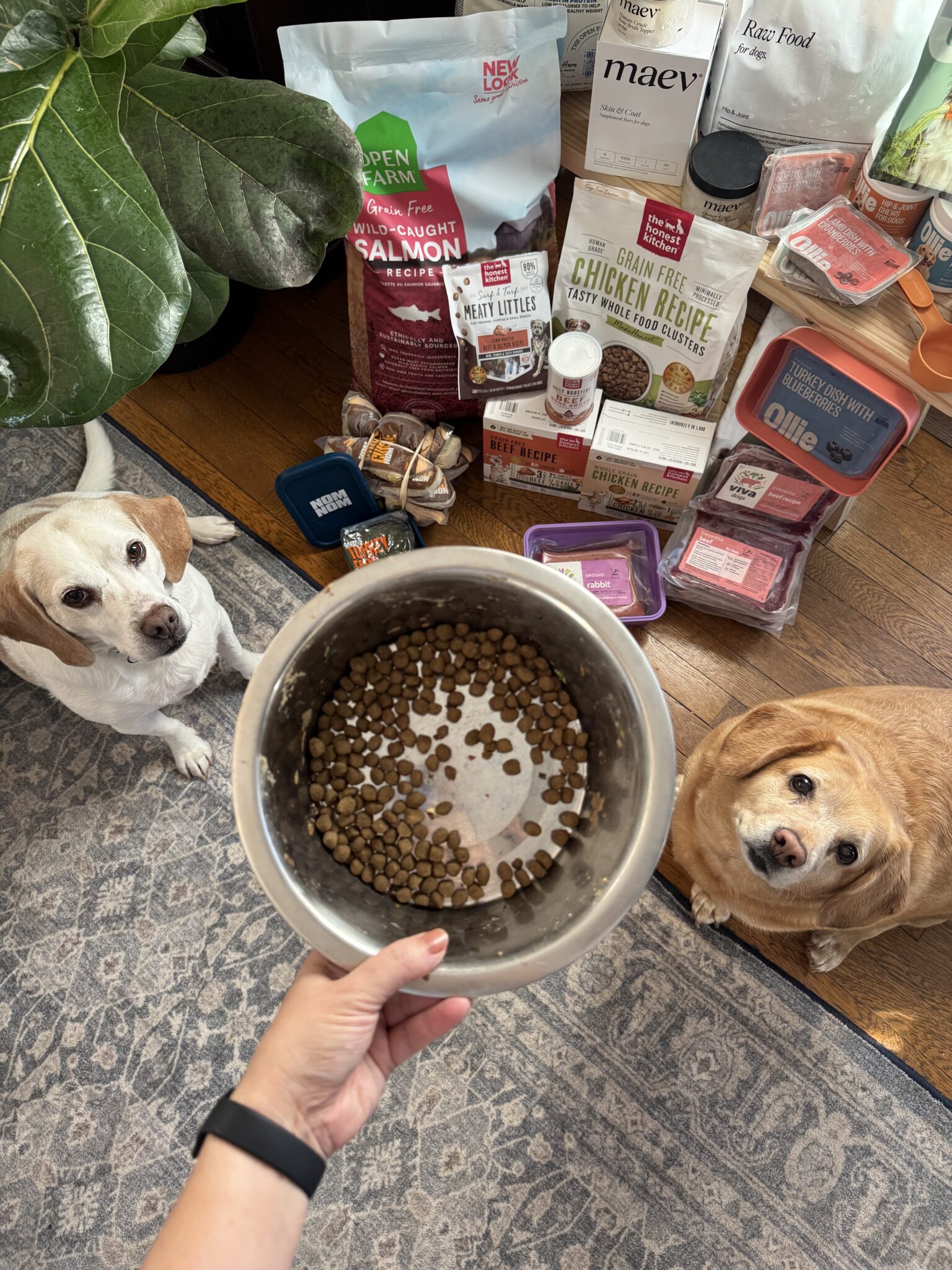
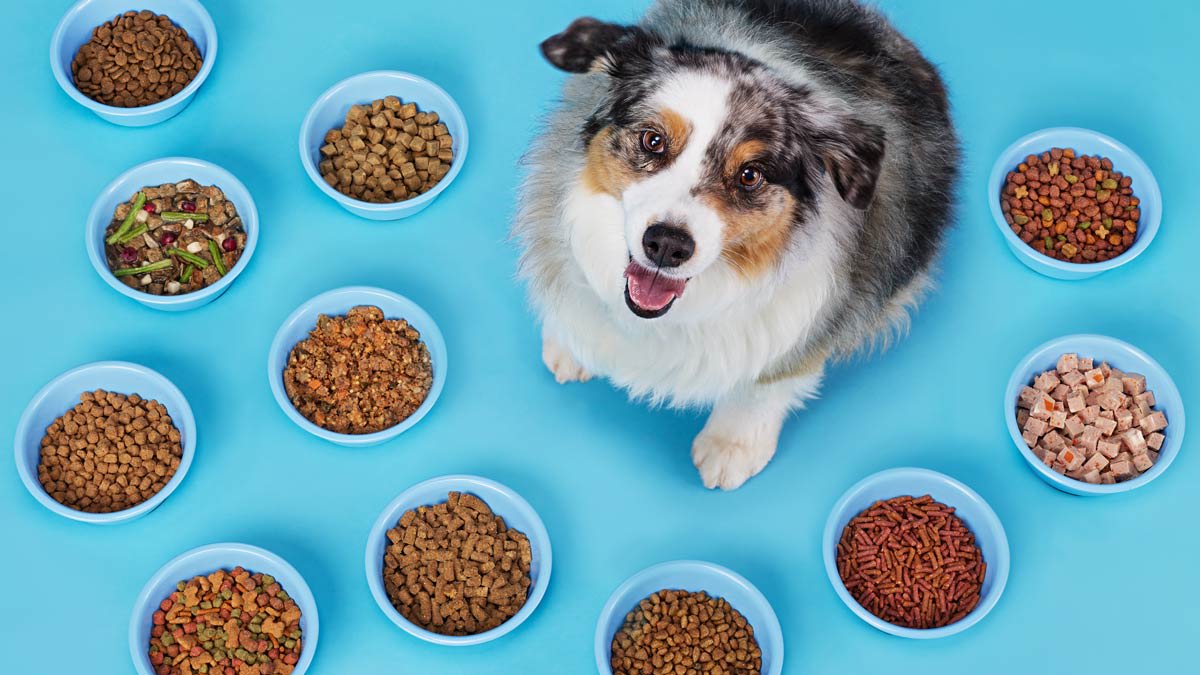
There is no single food that is best for every dog. Dry food, wet food, fresh food, and properly prepared homemade diets can all work when they meet your dog’s nutritional needs.
Dry dog food
Dry food is popular because it is convenient, affordable, and easy to measure. It also stores well after opening.
A good dry food should have:
• A complete and balanced claim
• Clear feeding directions
• A life-stage label
• A company that explains its testing and quality process
Dry food does not clean teeth as well as brushing. Some dental diets may help reduce plaque because of their texture, but ordinary kibble should not replace tooth brushing or veterinary dental care.
Wet dog food
Wet food contains more water than dry food. This can help dogs that drink little or need extra moisture in their diet.
It may be useful for:
• Dogs with poor appetite
• Older dogs with dental pain
• Dogs that need more water intake
• Dogs that prefer soft textures
Wet food often costs more per serving. Once opened, it must be refrigerated and used within the time listed on the label.
Fresh or gently cooked food
Fresh food may be appealing because it looks similar to home cooking. However, appearance does not prove nutritional balance.
Choose a fresh diet only when the company can show that it is complete and balanced. Ask whether the food is made with veterinary nutrition expertise and tested for nutrient content.
Homemade dog food
Homemade food can be safe, but it is easy to get wrong. Meat and rice alone do not provide enough calcium, certain vitamins, trace minerals, or essential fatty acids.
If you prepare your dog’s meals at home, use a recipe made by a board-certified veterinary nutritionist. Do not change the ingredients without checking the recipe again, since small changes can upset the nutrient balance.
:max_bytes(150000):strip_icc()/pedigree-complete-nutrition-ecaaefce0d5b4e2a85b0108f657f403e.jpg)
How to read a dog food label
The front of a bag is designed to attract attention. The back and side panels usually provide more useful facts.
Check these parts of the label:
1. Nutritional adequacy statement
This is one of the most important lines on the package. It should state that the food is complete and balanced for a certain life stage or condition.
Avoid using a food as your dog’s main diet if it says:
• “For intermittent or supplemental feeding only”
• “Treat”
• “Topper”
• “Snack”
These products may be useful in small amounts, but they are not designed to provide a full diet.
2. Calorie information
Calorie content is often listed as kilocalories per cup, can, or kilogram. Two foods can look similar but contain very different calorie levels.
Your veterinarian can help estimate your dog’s daily calorie needs. Then you can adjust portions based on body weight, body shape, activity, and changes over time.
3. Ingredient list
Ingredients appear by weight before cooking. Meat may appear high on the list because it contains water. This does not mean the food is automatically better than one with a different ingredient order.
Do not judge a food by one ingredient alone. The full nutrient profile, safety process, and feeding results matter more than marketing phrases.
4. Feeding instructions
Feeding charts are starting points, not strict rules. Your dog may need more or less food based on age, activity, metabolism, neuter status, and body condition.
Measure food with a standard measuring cup or kitchen scale. Free-pouring food is a common cause of unplanned weight gain.
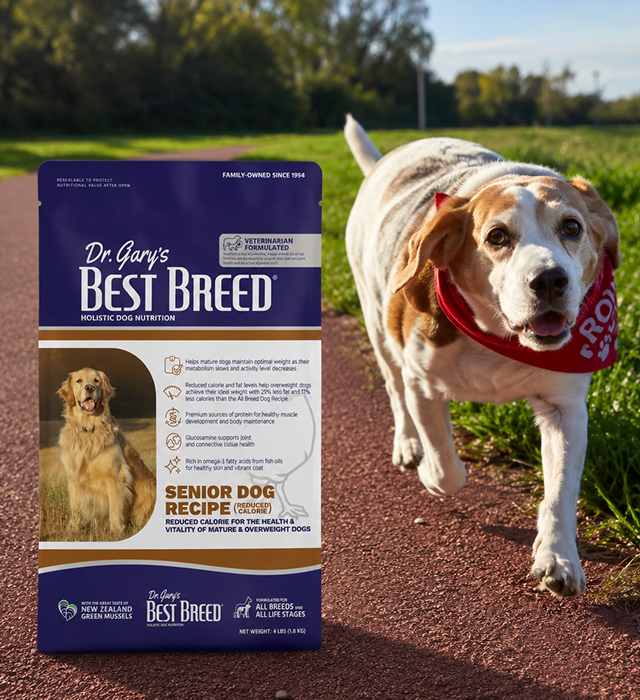
Ingredients to look for and ingredients to question
Healthy dog food does not need a trendy ingredient list. It needs safe ingredients in a balanced recipe.
Useful ingredients may include:
• Named animal proteins such as chicken, turkey, beef, lamb, or fish
• Digestible grains such as rice, oats, barley, or corn
• Vegetables and fruits in suitable amounts
• Fish oil or other sources of omega-3 fatty acids
• Fiber sources that support normal digestion
• Vitamins and minerals added to meet nutrient targets
Some ingredients are often misunderstood. Corn, wheat, and soy are not automatically harmful. Most dogs can digest them, and they can provide useful nutrients. Food allergies are possible, but they are less common than many online claims suggest.
Be careful with foods that make dramatic promises. Claims such as “cures allergies,” “detoxes the body,” or “prevents all disease” are warning signs. No ordinary dog food can replace diagnosis or treatment from a veterinarian.
What about grain-free diets?
Grain-free food is not automatically healthier. Some grain-free diets use peas, lentils, chickpeas, or potatoes in large amounts. The FDA has investigated reports of diet-associated dilated cardiomyopathy in dogs eating certain diets, particularly those with high levels of pulses or potatoes among their main ingredients.
The exact cause is complex and may involve multiple factors. If your dog does not have a diagnosed grain allergy, ask your veterinarian before choosing a grain-free food.
What about by-products?
By-products are parts of an animal other than skeletal muscle. They can include nutrient-rich organs such as liver and heart.
The word “by-product” does not mean unsafe or low quality. Safety depends on the ingredient, processing, storage, and overall formula.
Foods and diets that may be unsafe
Some feeding trends carry more risk than benefit. The safest choice is based on evidence, not social media popularity.
Raw diets
Raw diets may contain bacteria such as Salmonella, Campylobacter, or Listeria. These germs can affect dogs and people in the home, including children, older adults, pregnant people, and those with weak immune systems.
Raw bones can also break teeth, cause choking, or create intestinal blockages. Freezing does not reliably remove every health risk.
Unbalanced meat-only diets
A meat-only diet can lead to calcium deficiency and other nutrient problems. Puppies are especially vulnerable because poor nutrition can affect bone growth and development.
Toxic human foods
Never intentionally feed dogs:
• Chocolate
• Grapes or raisins
• Onions, garlic, and chives
• Xylitol, also called birch sugar
• Alcohol
• Macadamia nuts
• Uncooked yeast dough
Fatty scraps and heavily seasoned foods can also trigger stomach upset or pancreatitis in some dogs.
Spoiled or recalled food
Do not feed food that smells unusual, has mold, damaged packaging, or signs of moisture or insects. Keep the lot number and expiration date until the food is finished.
If a product is recalled, stop feeding it and follow the recall instructions. The FDA provides updates about pet food recalls and safety alerts.

Choosing food for different dogs
The healthiest and safest dog food depends on the individual dog in front of you.
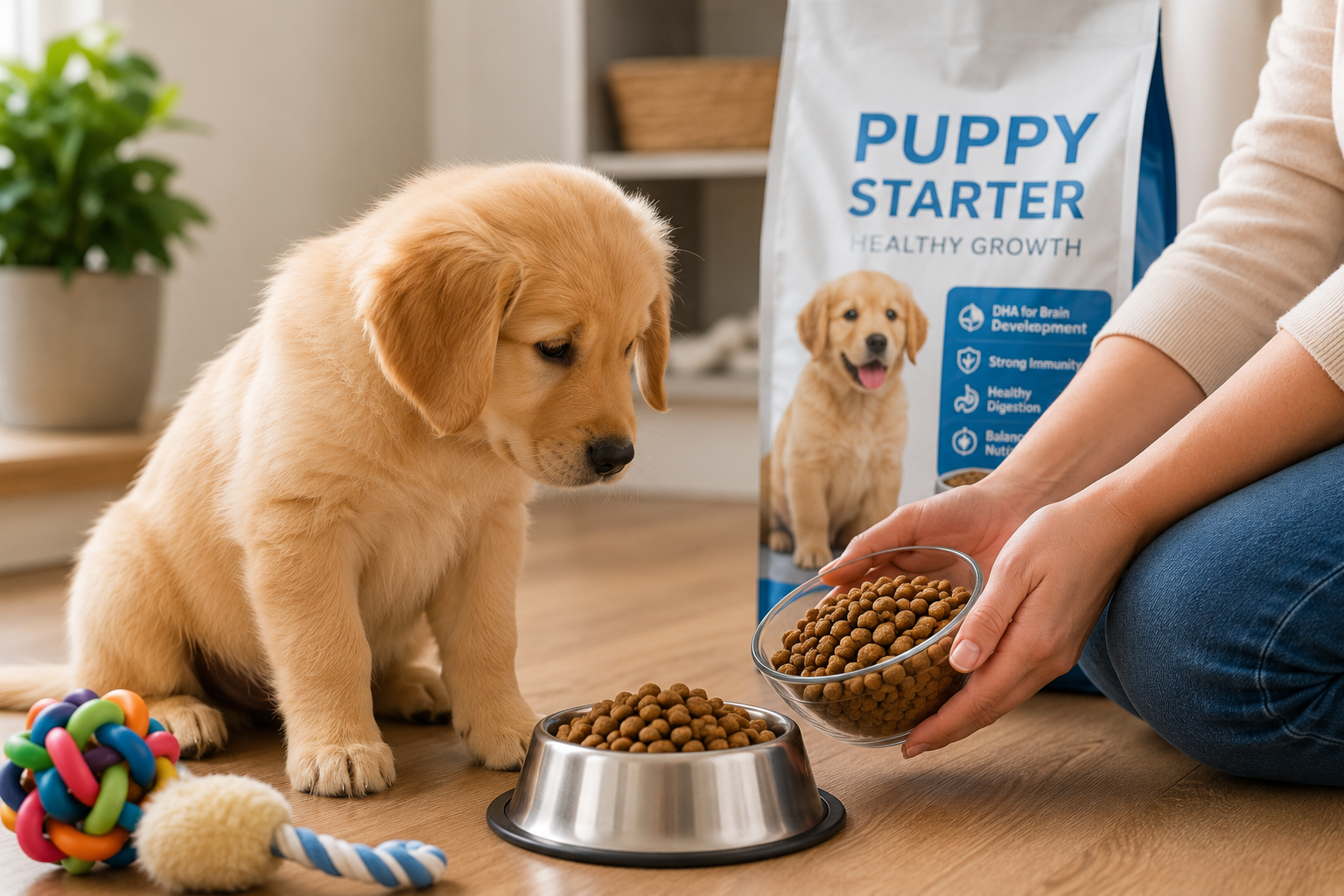
Puppies
Puppies need more calories and nutrients per pound than adult dogs. Large-breed puppies need food designed for controlled growth.
Choose a formula labeled for:
• Growth
• Puppy
• All life stages, if appropriate
Do not add calcium supplements unless your veterinarian recommends them. Too much calcium can be harmful, especially for growing large-breed dogs.
Adult dogs
Adult dogs need enough nutrients to maintain muscle, healthy skin, and a stable body weight. An adult formula may be better than an all-life-stages formula for a dog that gains weight easily.
Watch body condition rather than focusing only on the number on the scale. You should be able to feel the ribs under a thin layer of fat, and your dog should have a visible waist when viewed from above.
Senior dogs
There is no single nutrient profile that defines every senior diet. Older dogs may need fewer calories, more protein quality, or adjustments for kidney, heart, joint, or dental issues.
A senior dog should have regular veterinary checks. A food change alone cannot manage an undiagnosed medical problem.
Dogs with allergies or sensitive stomachs
Signs of a food allergy may include repeated itching, ear infections, or digestive problems. These signs can also come from fleas, environmental allergies, parasites, or other diseases.
A veterinarian may recommend a strict elimination diet using a hydrolyzed or novel protein formula. During the trial, treats, table food, flavored medicines, and chews may need to stop.
Overweight dogs
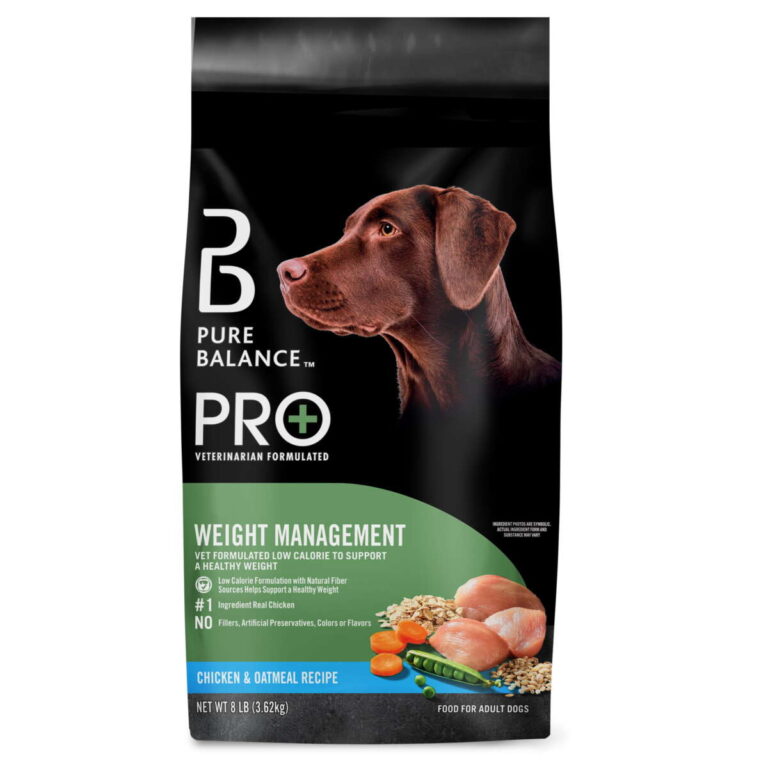
Weight control depends on calories, treats, activity, and portion size. A weight-management food may help because it often contains fewer calories per cup and more fiber.
Do not simply cut a regular diet by half. That can reduce important nutrients. Ask your veterinarian for a safe weight-loss plan.
How to compare dog food brands
Brand reputation matters, but advertising alone is not proof of quality. A responsible company should be able to answer basic questions about its food.
Look for information about:
• Who formulates the diet
• Whether qualified nutrition experts are involved
• Where the food is made
• How ingredients are tested
• Whether finished products are tested for nutrients
• What quality controls prevent contamination
• Whether the company has a clear recall process
• How long the company has made pet food
A company does not need to use the most expensive ingredients to make a good diet. It does need consistent manufacturing and testing.
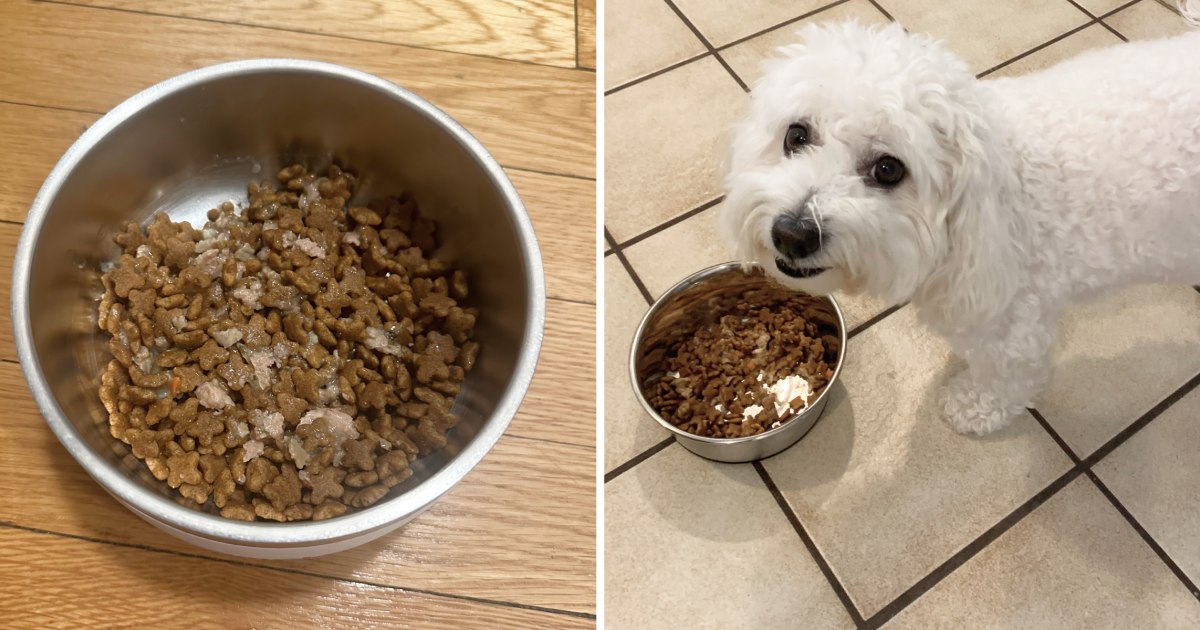
One lesson many dog owners learn the hard way is that sudden diet changes can cause diarrhea. Change food over about seven days unless your veterinarian gives different advice.
Try this simple plan:
-
Feed about 75% old food and 25% new food for two days.
-
Move to 50% old food and 50% new food for two days.
-
Feed 25% old food and 75% new food for two days.
-
Serve the new food alone on the next day.
Slow changes are not always possible when a food is recalled or unavailable. In those cases, monitor your dog and contact your veterinarian if symptoms appear.
How much should your dog eat?
The healthiest and safest dog food can still cause problems when the portion is too large. Calories from treats, dental chews, table scraps, and toppers count too.
Keep extras below about 10% of daily calories unless your veterinarian recommends another plan. For a small dog, one large biscuit can equal a surprising share of the day’s calories.
Use these habits:
• Measure every meal
• Feed at consistent times
• Weigh your dog regularly
• Check body shape each month
• Reduce treats when needed
• Keep fresh water available
If your dog is gaining weight, reduce calories slowly and ask for veterinary advice. Sudden weight gain can sometimes signal a medical problem.
When to ask a veterinarian
A veterinarian can help match food to your dog’s health, age, breed size, and activity. This matters most when your dog has a chronic condition or unusual symptoms.
Seek professional advice if your dog has:
• Repeated vomiting or diarrhea
• Weight loss or rapid weight gain
• Persistent itching or ear infections
• Blood in the stool
• Poor appetite
• Excessive thirst or urination
• A history of kidney, liver, heart, or pancreas disease
• Trouble chewing or swallowing
A food label cannot diagnose disease. It can only describe the product. Your veterinarian may recommend blood tests, an elimination diet, or a therapeutic diet when needed.
From a practical standpoint, the best feeding plan is one you can follow every day. A moderately priced, complete diet that your dog eats well and maintains a healthy body condition is often a better choice than an expensive food your dog refuses or that causes stomach problems.
Frequently asked questions about the healthiest and safest dog food
What is the healthiest and safest dog food for most dogs?
For most healthy dogs, it is a complete and balanced food made for their life stage by a company with strong quality controls. The right choice may be dry, wet, or fresh food, as long as it meets nutritional standards and suits the dog.
Is grain-free dog food safer than regular dog food?
No. Grain-free food is not proven to be safer or healthier for most dogs. Unless a veterinarian identifies a specific need, a balanced diet with or without grains may be appropriate.
Is raw dog food healthy?
Raw food is not automatically healthier, and it can expose dogs and people to harmful bacteria. Raw bones also carry risks such as broken teeth, choking, and intestinal blockage.
Can dogs eat homemade food every day?
They can eat homemade food every day only when the recipe is complete and balanced. Use a recipe prepared by a qualified veterinary nutritionist, because meat, rice, and vegetables alone often lack key nutrients.
How do I know if a dog food is complete and balanced?
Look for a nutritional adequacy statement on the package. It should say the food is complete and balanced for your dog’s life stage, such as growth, adult maintenance, or all life stages.
Should I change my dog’s food if the stool looks normal?
Not always. Normal stool is a good sign, but overall health, body condition, coat, appetite, and energy also matter. Change food when there is a clear reason, and make the transition slowly.
Are expensive dog foods healthier?
Not necessarily. Price does not guarantee better nutrition or safety. Focus on nutritional adequacy, quality control, calorie content, and how your dog responds to the food.
Conclusion
The healthiest and safest dog food is not defined by a shiny package or a trendy ingredient. It is a complete and balanced diet that fits your dog’s life stage, health needs, calorie needs, and personal tolerance.
Read the adequacy statement, measure portions, treat raw and homemade diets with care, and ask your veterinarian about unusual symptoms or special diets. Start with one sensible change, track your dog’s weight and digestion, and use trusted veterinary resources to guide the next step.

Pet Care Writer & Researcher
Daniel writes practical guides on daily care, feeding, and safety, turning complex topics into simple, actionable advice.