Are Elevated Dog Beds Good For Older Dogs: Pros & Tips
Are elevated dog beds good for older dogs? Learn the benefits, drawbacks, and expert tips for choosing a comfortable, supportive bed.
Yes, elevated dog beds can help older dogs by easing pressure, improving airflow, and making rest more comfortable.
Are elevated dog beds good for older dogs? Often, yes—but the right choice depends on your dog’s joints, balance, strength, and sleeping habits. A raised cot may help an aging Labrador stay cool and supported, while a frail senior Chihuahua may need a low, soft bed that is easier to reach.
This guide explains the benefits, risks, best features, and safe ways to use an elevated dog bed. It also shows when a traditional orthopedic bed may be the better option.
What Is an Elevated Dog Bed?
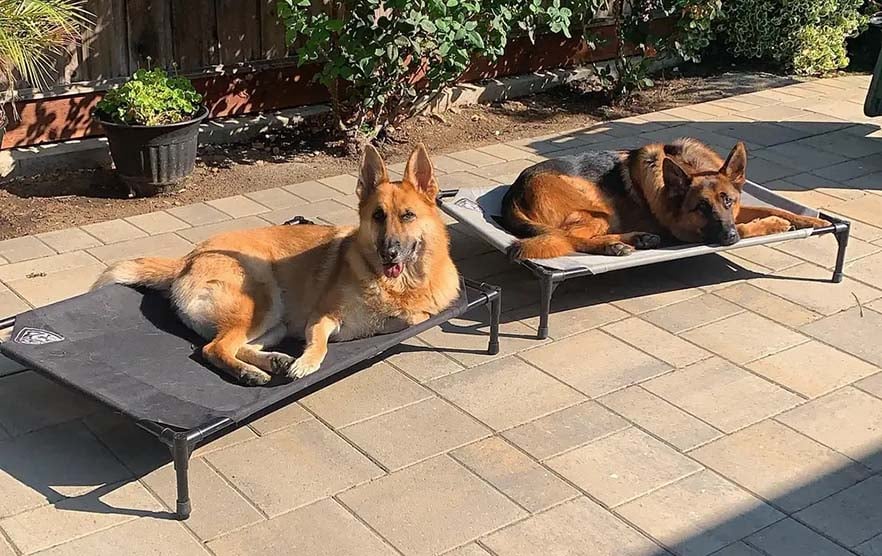
An elevated dog bed is a sleeping surface raised above the floor by a frame or legs. Most models use a strong fabric center stretched across a metal, plastic, or wood frame. The design keeps your dog off cold floors and allows air to move below the bed.
Unlike a thick memory foam mattress, an elevated dog bed usually has a firm, suspended surface. Some models include a padded cover or mattress for extra comfort. Others are simple mesh cots made for outdoor use and warm weather.
Are elevated dog beds good for older dogs when compared with floor beds? They can be, especially when the bed offers firm support without creating a deep dip. Still, the height and surface must match the dog’s physical needs.
Common types include:
• Raised cot beds with breathable mesh
• Elevated beds with a removable cushion
• Wooden platform beds with an orthopedic mattress
• Portable outdoor beds with folding frames
• Low profile raised beds designed for small or weak dogs
:max_bytes(150000):strip_icc()/k9-ballistics-chew-proof-armored-rip-stop-elevated-dog-bed-elsa-saatela-01-b1b67c0e54c341538a032bed5d5c9f51.jpg)
Are Elevated Dog Beds Good for Older Dogs?
In many cases, are elevated dog beds good for older dogs because they can reduce pressure on sore joints and keep the body supported. The firm surface spreads weight more evenly than a thin blanket or sagging pillow. This may help dogs with mild arthritis, hip stiffness, or pressure points.
A raised bed also allows air to flow under the dog. This can help senior dogs stay cooler in warm rooms or during summer. Older dogs may not regulate body heat as well as young dogs, so ventilation can improve sleep comfort.
However, an elevated bed is not automatically right for every senior dog. Dogs with weak legs, poor balance, severe arthritis, or vision loss may struggle to climb onto a high frame. A fall from even a short bed can cause pain or fear.
The best answer depends on your dog’s condition:
• A mobile senior dog may enjoy a raised cot.
• A dog with mild joint pain may benefit from firm support.
• A dog with severe weakness may need a low orthopedic mattress.
• A dog recovering from surgery should use only the bed approved by a veterinarian.
• A dog with incontinence may benefit from a washable, waterproof raised bed.

Benefits of Elevated Dog Beds for Senior Dogs
Firm support for aging joints
Older dogs often develop osteoarthritis. The condition can make it hard to rise from a soft bed that sinks too much. A firm elevated surface may make standing easier because the dog has a stable base to push against.
Are elevated dog beds good for older dogs with arthritis? They may be helpful for dogs that can still step onto the bed safely. The surface should support the dog without sagging in the middle.
A bed that dips can force the hips and spine into an uneven position. Think of it like sleeping in a hammock every night. Some dogs love that feeling, but others wake up stiff and sore.
Better airflow
Air can move beneath an elevated dog bed. This feature helps reduce heat buildup around the belly, chest, and legs. It may also help dry moisture after a damp walk.
Breathable fabric is useful for dogs with thick coats, skin folds, or a habit of sleeping in warm rooms. It can also reduce contact with dusty floors, though it does not replace regular cleaning.
Easier cleaning
Many raised beds have removable covers that can go into the washing machine. Hair, dirt, drool, and small accidents are easier to manage when the sleeping surface is washable.
For senior dogs with bladder leaks, choose a bed with waterproof fabric and sealed seams. A washable cover is helpful, but it should not trap moisture against the skin.
Less exposure to cold floors
Tile, concrete, and hardwood floors can feel harsh on aging joints. A raised bed creates a barrier between the dog and the cold surface. This may help during winter or in homes with poor insulation.
The benefit is greatest when the bed has enough padding. A thin mesh cot may lift the dog off the floor but still feel too firm for a bony senior dog.
Improved sleeping posture
A level, supportive bed may help a dog rest with the spine in a more natural position. Good posture does not cure arthritis, but it may reduce strain during long periods of sleep.
Are elevated dog beds good for older dogs that move often at night? A stable bed with a wide frame can give them a consistent place to rest. Add a nearby rug so the dog does not step straight onto a slippery floor.

Possible Drawbacks and Safety Risks
Are elevated dog beds good for older dogs in every situation? No. Height can become a problem when a dog has poor balance, weak muscles, or trouble judging distance.
A senior dog may slip while climbing onto the bed. The frame may also slide on tile or wood. Look for rubber feet, a wide base, and a surface that stays firm when the dog turns around.
Other risks include:
• A frame that bends under the dog’s weight
• Fabric that sags and creates a deep dip
• Sharp corners or exposed screws
• A bed that is too high to reach safely
• A slippery surface that makes standing hard
• A narrow design that causes the dog to fall off
• Trapped nails, collars, or blankets around the frame
Check the bed each week. Press the center, inspect the stitching, and tighten loose parts. Replace the bed if the fabric stretches too much or the frame becomes unstable.
Avoid placing the bed near stairs, balconies, fireplaces, or busy walkways. A calm corner with good lighting is safer for a dog with poor vision or hearing.

How to Choose the Best Elevated Dog Bed for an Older Dog
Measure your dog first
Measure from the nose to the base of the tail. Add about 6 to 12 inches so your dog can stretch out. Also measure the dog’s width while lying on the side.
The bed should allow the dog to turn around without stepping off the edge. A bed that is too small may force the spine into a tight curve.
Select a safe height
Height matters more than many owners expect. A tall bed may offer airflow, but it can be hard for a stiff dog to use.
For a senior dog, look for:
• A low entry height
• A gentle step or ramp if needed
• A wide, stable frame
• A nonslip surface beneath the bed
• No sharp or exposed hardware
Are elevated dog beds good for older dogs when the frame is 8 to 12 inches high? Sometimes, but not always. The right height is the one your dog can reach without jumping, scrambling, or showing fear.
Choose the right surface
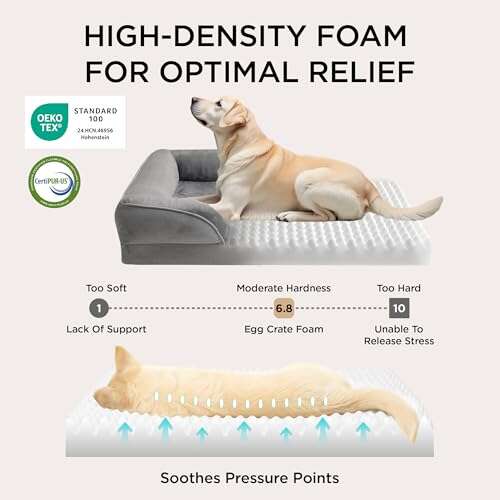
Mesh fabric supports airflow, but it may not offer enough cushioning for a thin or bony dog. A padded cover can improve comfort. Memory foam may work well when it is firm and does not hold too much heat.
Avoid very soft padding that traps the dog in one position. Your dog should be able to shift weight and stand without a struggle.
Check the weight limit
Use the manufacturer’s weight rating as a starting point, not a guarantee of perfect support. A heavy dog needs a strong frame and tightly stretched fabric. Add extra caution if the dog has weak legs or a history of falling.
When possible, choose a bed rated well above your dog’s current weight. This can reduce sagging and improve stability.
Consider cleaning needs
A washable cover is one of the best features for an older dog. Look for:
• Machine washable fabric
• Waterproof or water resistant material
• Quick drying fabric
• Replacement covers
• Rust resistant frame parts
Are elevated dog beds good for older dogs with incontinence? They can be, provided the surface is easy to clean and the dog does not lie on damp fabric. Keep spare covers available for quick changes.

How to Introduce an Elevated Bed Safely
Do not expect a senior dog to love a new bed on the first day. Older dogs often prefer familiar smells and routines. Place the new bed beside the old bed and add a blanket that smells like home.
Use treats to reward calm interest. Never pull or push your dog onto the bed. Let the dog sniff, touch, and step up at its own pace.
Follow these steps:
-
Place the bed on a nonslip rug.
-
Keep it away from stairs and sharp furniture.
-
Encourage one paw at a time with a small treat.
-
Reward the dog for standing calmly on the surface.
-
Offer another treat when the dog lies down.
-
Watch the first several attempts closely.
-
Stop if the dog trembles, slips, pants, or avoids the bed.
A short ramp may help a large dog or one with hip pain. The ramp should have a gentle slope and a grippy surface. Practice during the day, not when your dog is tired or needs to go outside.
Are elevated dog beds good for older dogs who refuse to use them? Not necessarily. Refusal may signal that the surface feels unstable, the height is uncomfortable, or the dog prefers a warmer bed.

Elevated Beds Versus Orthopedic Floor Beds
An orthopedic floor bed usually contains memory foam, supportive foam, or layered cushioning. It may be better for dogs with severe arthritis, muscle loss, pressure sores, or limited mobility.
An elevated bed often wins on airflow, cleanliness, and firm support. An orthopedic bed often wins on cushioning and easy access. Neither design is best for every senior dog.
Some dogs do well with both. You might place a low orthopedic mattress in the living room and a raised cot in a cool, shaded area. This gives the dog a choice based on temperature and comfort.
When comparing beds, consider:
• How easily your dog can get up
• Whether the surface stays stable
• The dog’s body weight and muscle strength
• Joint pain and medical conditions
• Room temperature
• Cleaning needs
• The risk of falls
In my experience with senior dog care guidance, owners often focus on the bed’s appearance and forget the entry point. A stylish bed is not useful if the dog cannot climb onto it without pain. Ease of access should come first.
:strip_icc()/k-h-pet-products-pillow-top-bolster-bed-alyssa-kingham-05-3dbca1acf7994eaf979810496b460a7f.jpg)
Signs the Bed Is Helping
A good bed should make rest look easier. Your dog may settle faster, change positions without distress, and rise with less hesitation. The dog may also choose the bed during the day without being guided there.
Look for these positive signs:
• Relaxed muscles
• Even breathing
• A normal sleeping position
• Willingness to lie down
• Easy movement on and off the bed
• No repeated slipping or scrambling
Keep a simple note for a few days. Record how long your dog sleeps, how stiff the dog seems after resting, and whether the bed is used by choice.
Are elevated dog beds good for older dogs if they sleep longer on them? Longer sleep can be a positive sign, but it is not proof that the bed treats a medical problem. Dogs may sleep more because of age, illness, pain, or medication.

When to Ask a Veterinarian
Talk with a veterinarian before buying an elevated bed if your dog has severe arthritis, a recent injury, neurological disease, or trouble standing. Professional advice is especially important after surgery.
A veterinarian can assess joint pain, muscle strength, gait, and balance. They may also recommend physical therapy, pain control, weight management, ramps, or a specific mattress type.
Contact a veterinary clinic promptly if your dog:
• Cannot rise without help
• Falls repeatedly
• Cries when lying down
• Drags a leg
• Develops a pressure sore
• Stops eating or drinking
• Shows sudden weakness
Are elevated dog beds good for older dogs with serious mobility problems? They may not be safe without changes recommended by a veterinary professional. A low bed, padded mat, or supportive harness may be more appropriate.
Frequently Asked Questions About Are Elevated Dog Beds Good for Older Dogs
Are elevated dog beds good for older dogs with arthritis?
They can help some dogs by providing firm, even support and better airflow. Choose a low, stable model with a padded surface, and ask your veterinarian if your dog has moderate or severe pain.
Are elevated dog beds safe for dogs with weak legs?
They may be unsafe if the dog must jump or climb onto a high frame. Select a low bed with a nonslip surface, or choose a floor mattress if your dog cannot step up reliably.
Do elevated dog beds help dogs sleep cooler?
Yes, the open space beneath the bed allows air to circulate around the dog. Breathable mesh works well in warm weather, but add light padding if the surface causes pressure on bony areas.
Can an elevated dog bed prevent joint pain?
No bed can prevent or cure all joint pain. A supportive bed may reduce pressure and improve comfort, but arthritis also needs proper veterinary care and a broader management plan.
Should an older dog use an elevated bed after surgery?
Only use one if your veterinarian approves it. After surgery, a dog may need a low, padded bed with limited movement to reduce the risk of slipping or falling.
What height is best for an elevated bed for a senior dog?
The best height is low enough for the dog to step onto without jumping or scrambling. The exact height depends on the dog’s size, strength, balance, and joint health.
Conclusion
Are elevated dog beds good for older dogs? They can be an excellent choice for mobile senior dogs that need firm support, better airflow, and protection from cold floors. They are less suitable for dogs with severe weakness, poor balance, or serious mobility limits unless a veterinarian recommends a safe setup.
Choose stability, easy entry, washable materials, and enough padding over looks or extra height. Watch how your dog moves, sleeps, and rises for the first week. If the bed makes rest easier, keep using it; if your dog struggles, switch to a lower orthopedic option and seek professional advice.
Your senior dog deserves a bed that feels safe, not just one that looks comfortable. Compare suitable beds, measure carefully, and share your dog’s experience in the comments.

Pet Care Writer & Researcher
Daniel writes practical guides on daily care, feeding, and safety, turning complex topics into simple, actionable advice.