What Is The Best Bedding For Outside Dogs: Cozy Guide
What is the best bedding for outside dogs? Find cozy, weather-resistant options to keep your pet warm, dry, and comfortable in every season.
The best bedding for outside dogs is thick, dry, washable, and raised off cold, wet ground.
Choosing the best bedding for outside dogs takes more than picking a soft blanket. Outdoor bedding must manage moisture, block cold air, resist chewing, and stay clean through rain, mud, snow, and daily use. The right setup also depends on your dog’s coat, age, health, shelter, and local climate. This guide explains the safest materials, common mistakes, seasonal changes, and simple ways to make an outdoor sleeping area warmer and more comfortable.
What is the best bedding for outside dogs?
For most healthy dogs, the best bedding for outside dogs is a raised, weather-resistant dog bed with a washable cover and a thick layer of insulation. A durable outdoor cot, insulated pad, or waterproof mattress works well when placed inside a dry, well-ventilated shelter.
In very cold or wet areas, clean straw can be a useful bedding layer. Straw traps warm air and dries faster than many cloth blankets. However, straw should be dry, free of mold, and replaced often.
The best choice usually includes three parts:
• A raised base that keeps your dog away from cold or wet ground
• A thick sleeping layer that supports the body and holds warmth
• A waterproof or water-resistant cover that can be washed often
A soft bed on a damp floor can become cold and unsafe. Think of bedding as a winter coat for the ground. It must create a barrier between your dog and the weather.
Why raised bedding matters
Ground contact pulls heat away from the body. This is called conductive heat loss. Concrete, frozen soil, and wet grass can make a dog cold even when the air does not seem extreme.
A raised cot or platform allows air to move under the bed. It also keeps rainwater, mud, insects, and melting snow away from the sleeping surface. Even a few inches of lift can make a noticeable difference.
Why dryness matters more than softness
Moist bedding loses much of its insulating value. Wet fabric also encourages odor, mold, bacteria, and skin problems. A dry straw bed may protect a dog from cold better than a thick but damp blanket.
The best bedding for outside dogs should always be checked by hand. If it feels wet, clammy, or cold, remove it and replace it at once.

Best types of outdoor dog bedding
Different bedding materials work for different dogs and climates. No single product is perfect for every yard, season, or shelter.
Outdoor dog cots
An elevated dog cot is one of the best choices for outdoor use. It has a strong frame and a tight fabric surface that lifts the dog away from the ground.
Benefits include:
• Good air flow underneath
• Easy cleaning with a hose
• Less contact with mud and insects
• Strong support for many adult dogs
• Lower risk of water soaking into the sleeping surface
A cot alone may not provide enough warmth in winter. Add a fitted outdoor pad or insulated cover when temperatures drop. Make sure the added pad cannot bunch up or trap water.
Insulated outdoor dog beds
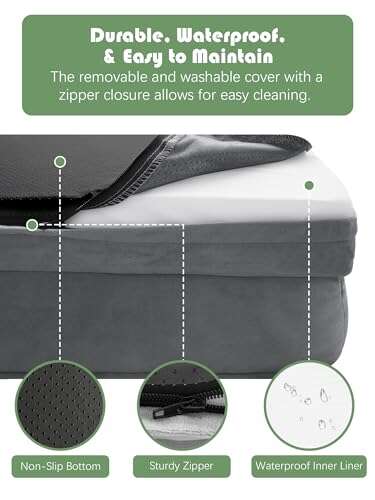
An insulated outdoor bed often has a foam core, a waterproof shell, or several layers designed for cold weather. These beds can provide good support and warmth when kept under a roof.
Look for:
• A sealed or water-resistant bottom
• A cover that comes off for washing
• Dense foam that does not flatten quickly
• Strong stitching and chew-resistant fabric
• A size that lets your dog curl up and stretch out
Memory foam can support older dogs, but it should stay dry. If rain can reach the bed, choose a product made for outdoor use rather than a regular indoor memory foam mattress.
Straw bedding
Clean straw is a practical choice for many outdoor dog houses. It is light, affordable, and holds pockets of warm air. Dogs can move it around and make a nest.
Use straw instead of hay. Hay contains more moisture and can spoil or grow mold. Straw should be golden, dry, and free from a musty smell.
Replace straw when it becomes:
• Damp or compressed
• Dirty with urine or feces
• Moldy or dusty
• Full of pests
Some dogs may chew or eat straw. A small amount may pass without trouble, but large amounts can cause digestive problems. Watch your dog during the first few days.
Fleece blankets
Fleece is warm and soft, but it is not always the best bedding for outside dogs. It can absorb water, freeze when wet, and become tangled around a dog’s legs.
Fleece can work in a covered, dry kennel during mild weather. It is a poor choice when rain, snow, or standing water can reach it. Wash it often and remove it if your dog chews fabric.
Rubber or waterproof mats
Rubber mats provide a dry barrier over concrete, wood, or packed soil. They are easy to rinse and can reduce pressure on a dog’s joints.
A rubber mat is not a complete bed. It does not trap much heat by itself. Pair it with a thick pad, cot, or clean straw layer.

How to choose the best bedding for outside dogs
The best bedding for outside dogs depends on more than the product label. Check the whole sleeping area before you buy anything.
Consider your dog’s coat and body type
A thick-coated dog may tolerate cool weather better than a short-haired dog. However, thick fur does not make a dog safe in freezing rain, strong wind, or extreme cold.
Small dogs, lean dogs, puppies, senior dogs, and dogs with health problems lose heat faster. Hairless and short-coated breeds need extra protection. A dog with arthritis may also need firm, supportive foam rather than a thin blanket.
Consider the climate
Your local weather should guide your choice.
In hot climates:
• Choose a raised, breathable cot
• Avoid thick foam in direct sun
• Provide shade and fresh water
• Use light bedding that does not trap too much heat
In rainy climates:
• Use a waterproof cover
• Keep the bed under a roof
• Raise it above the floor
• Check for hidden dampness each day
In cold climates: