Are Bolster Beds Good For Dogs: Pros And Cons
Are bolster beds good for dogs? Learn the comfort, support, safety benefits, and potential drawbacks before choosing one for your pet.
Yes, bolster beds are good for many dogs because they offer comfort, support, warmth, and a secure place to rest.
Are bolster beds good for dogs? In most cases, yes, but the best choice depends on your dog’s age, size, sleep style, health, and personal comfort. After comparing common dog bed designs and reviewing guidance from veterinary experts, this guide explains the benefits, limits, safety points, and features that matter most.
What Is a Bolster Dog Bed?
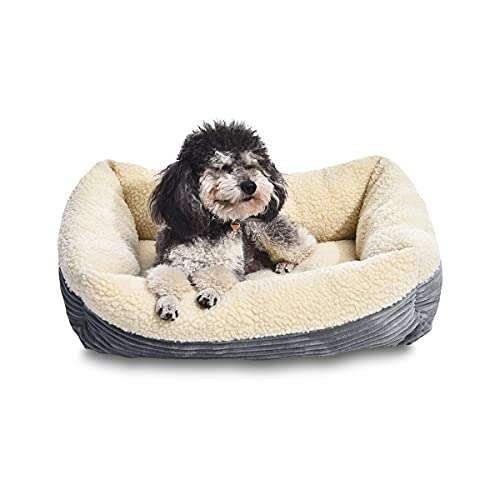
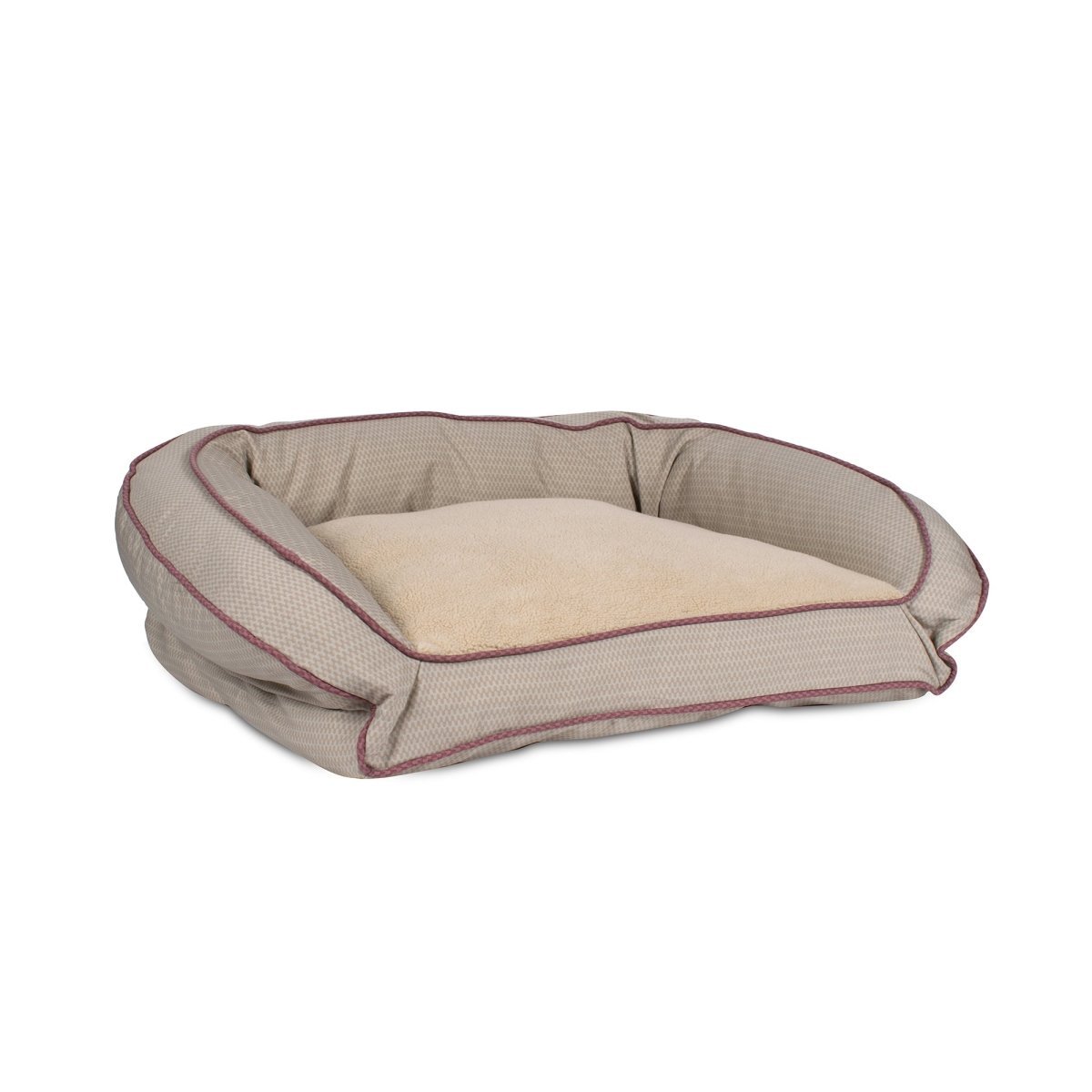
A bolster dog bed has raised edges around some or all of its sides. These padded edges create a soft border where a dog can rest its head, lean its back, or curl up for sleep.
Some bolster beds have one lower side for easy entry. Others look like a padded nest with high walls on every side. The center may contain memory foam, polyester filling, cotton, or another type of cushion.
Are bolster beds good for dogs that like to curl up? They often are. The raised rim can make a dog feel tucked in, much like sleeping beside a soft pillow or within a safe little nest.
Common bolster bed styles include:
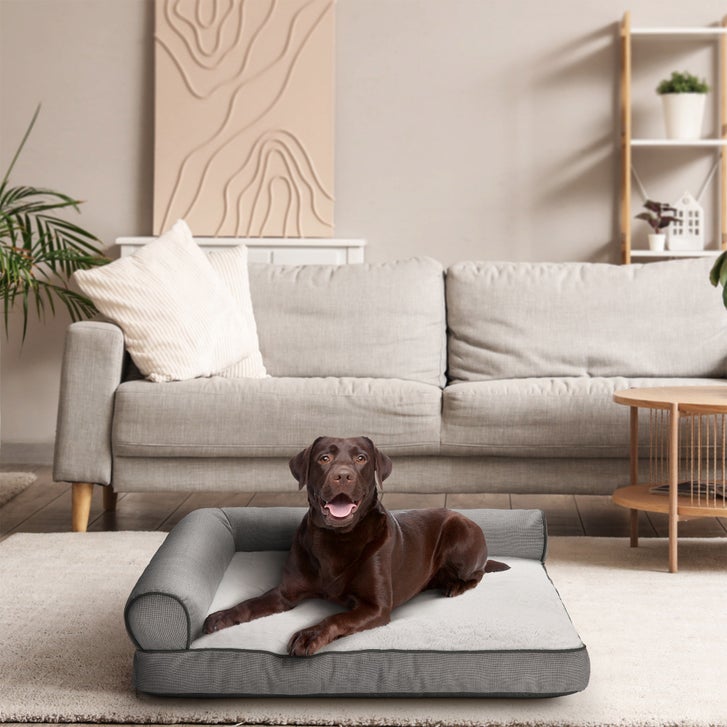
• Sofa-style beds with three raised sides
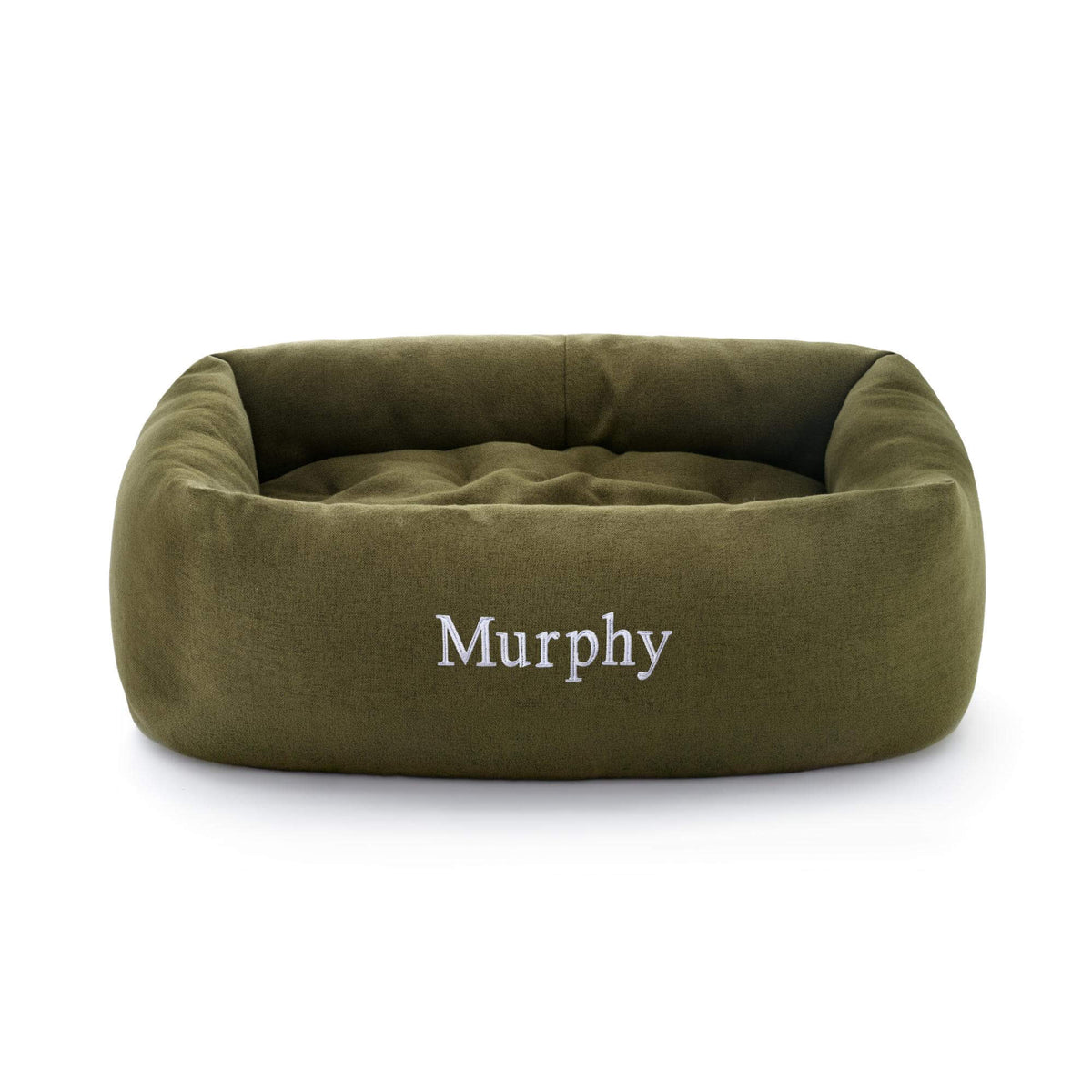
• Donut beds with a round, padded rim
• Pillow beds with one low entry point
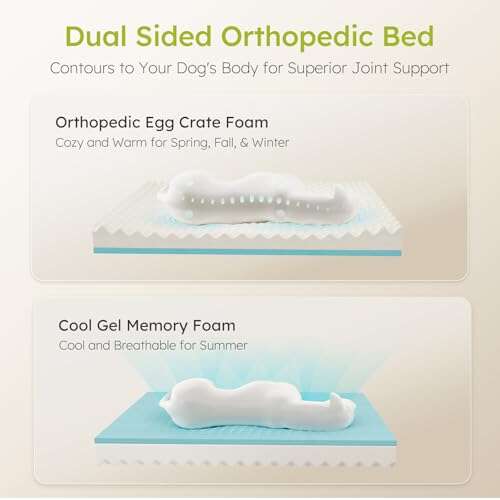
• Orthopedic bolster beds with firm foam support
• Waterproof bolster beds for puppies or dogs with accidents

Benefits of Bolster Beds for Dogs
Are bolster beds good for dogs that seek comfort and security? A well-made bolster bed can offer several useful benefits.
They Create a Sense of Security
Many dogs enjoy a defined sleep space. A raised edge gives the bed a clear boundary, which may help a nervous or easily startled dog relax.
This design can be especially helpful for dogs that like to curl into a ball. The bolster acts like a soft barrier around the body. It can make the bed feel more sheltered than a flat mat.
They Support the Head and Neck
Dogs often use pillows, blankets, or furniture arms to support their heads. A bolster gives them a built-in place to rest the chin.
This can help dogs that prefer an elevated head position. However, the edge should not be so high that the dog must bend the neck at an odd angle.
They Help Dogs Stay Warm
Raised sides can reduce drafts near the floor. This may help small dogs, short-haired breeds, and senior dogs that feel cold at night.
A warm bed does not replace safe room temperature control. Avoid thick, heavily padded beds for dogs that overheat or live in a warm climate.
They Can Reduce Drafts and Floor Contact
Cold floors can be uncomfortable for dogs with thin coats or stiff joints. A padded bolster bed lifts much of the body away from hard surfaces.
The bed still needs enough support beneath the dog. A soft rim cannot make up for a thin or flattened base.
They Offer a Familiar Resting Place
A dedicated dog bed can support good household routines. It gives your dog a clear place to rest instead of using the sofa, your bed, or a child’s play area.
This can also help with training. A simple cue such as “go to bed” becomes easier when the bed feels comfortable and inviting.
Are Bolster Beds Good for Older Dogs?
Are bolster beds good for senior dogs? They can be, but the design must match the dog’s mobility and health needs.
Older dogs may develop arthritis, hip pain, muscle loss, or reduced balance. A bed with a low entry side can make getting in and out easier. A firm orthopedic base may also provide better support than loose stuffing.
Look for these features:
• A low step-in opening
• High-density foam that does not collapse
• A flat, stable base
• A non-slip bottom
• A washable cover
• Enough space to stretch fully
A very deep or high-walled bed may be hard for a stiff dog to enter. Watch how your dog moves. If your pet hesitates, slips, cries, or avoids the bed, the design may not be suitable.
Veterinary rehabilitation guidance often favors supportive foam for dogs with joint problems. Still, a dog bed cannot treat arthritis or replace veterinary care. Speak with a veterinarian if your dog has lasting pain, trouble standing, or sudden changes in sleep.
Are Bolster Beds Good for Puppies?
Are bolster beds good for puppies? Yes, but safety and cleaning should come first.
Puppies may chew seams, pull out filling, or have accidents during house training. A bed with exposed foam or loose fiber can become a choking or blockage risk if the puppy destroys it.
Choose a puppy bed with:
• Strong, covered seams
• A removable, washable cover
• Minimal loose parts
• Non-toxic materials from a trusted maker
• A size that allows growth but does not feel cavernous
Inspect the bed often. Replace it if your puppy tears the fabric, exposes foam, or removes pieces of stuffing. A durable flat mat may be safer during the heavy chewing stage.
Do not use a bolster bed as a punishment area. Your puppy should connect the bed with calm rest, comfort, and positive training.

When a Bolster Bed May Not Be the Best Choice
Are bolster beds good for dogs in every situation? No. Some dogs do better with a flat mattress or an open mat.
A bolster bed may not suit a dog that:
• Sleeps fully stretched out
• Overheats easily
• Has severe mobility limits
• Has a very large body
• Chews fabric or stuffing
• Feels trapped by raised sides
• Needs frequent washing due to incontinence
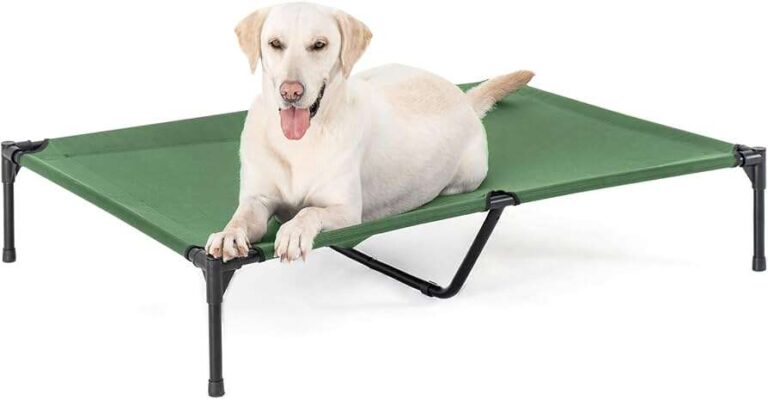
Flat orthopedic mattresses are often easier for dogs with serious joint pain. Cooling mats may work better for dogs with thick coats or heat sensitivity. A crate pad may be more practical for travel.
The goal is not to choose the trendiest bed. The goal is to observe what helps your dog settle, rise, stretch, and sleep without stress.

How to Choose the Right Bolster Bed
Are bolster beds good for dogs when the bed is poorly sized or made with weak materials? Even a popular design can fail if it does not fit your dog.
Use these steps before buying.
1. Measure Your Dog
Measure from the nose to the base of the tail while your dog is standing. Add about 6 to 12 inches, depending on how much room your dog likes.
Then measure the bed’s inside sleeping area, not just its outside edge. A thick bolster can take away several inches of usable space.
2. Match the Bed to Sleep Style
Watch your dog for a few days.
• Curlers often enjoy round or nest-style beds.
• Leaners may like a firm side bolster.
• Stretchers need a large, open center.
• Burrowers may prefer higher, softer walls.
• Dogs that move often may need a low entry.
3. Check the Base
The base should stay level and should not flatten quickly under your dog’s weight. Memory foam or layered foam can provide useful support, but density and construction matter more than marketing labels.
Press the center with your hand. If it sinks deeply and stays compressed, it may not support a heavy dog well.
4. Consider Cleaning
Dogs bring in dirt, hair, pollen, and moisture. A removable cover with a strong zipper makes cleaning much easier.
Check the care label before purchase. Some beds can be machine washed, while others require spot cleaning. The inner cushion should dry fully before use to reduce odor and mold risk.
5. Look at the Materials
Prioritize fabrics that feel durable and breathable. Fleece and plush fabric can feel warm, but they may hold heat and hair.
For dogs with allergies, washable covers and low-dust filling may be helpful. If your dog has a known skin condition, ask your veterinarian whether a certain fabric or cleaning product should be avoided.

Bolster Beds and Joint Support
Are bolster beds good for dogs with arthritis or hip problems? They may improve comfort, but the support comes mainly from the mattress base, not the raised rim.
A supportive bed can reduce pressure on areas such as the hips, elbows, and shoulders. It may also make rest easier after walks or exercise.
However, watch for warning signs:
• Your dog struggles to rise from the bed
• Your dog slips when entering or leaving
• The cushion forms a deep permanent dip
• Your dog pants or seems restless while lying down
• Your dog avoids the bed after trying it
A veterinarian can assess pain and mobility. Treatment may include weight management, controlled exercise, physical therapy, medication, or other care. A bed is useful comfort equipment, but it is not medical treatment.
Bolster Bed Safety Tips
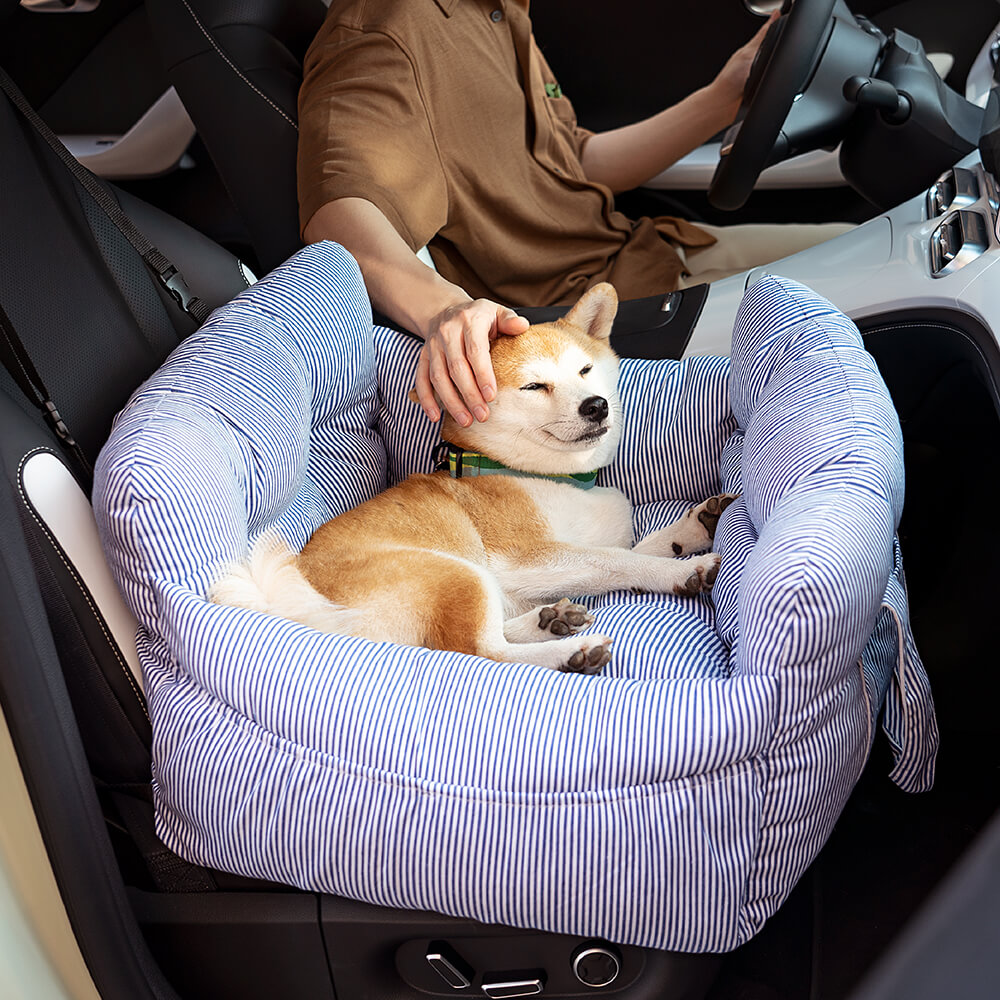
Are bolster beds good for dogs when safety checks are part of daily care? Yes, but inspect the bed like any other pet product.
Keep these points in mind:
• Place the bed on a dry, level surface.
• Use a non-slip base on hardwood or tile.
• Keep the bed away from heaters and open flames.
• Wash covers often, especially after accidents.
• Dry all parts completely before putting the bed back.
• Check for torn seams, exposed foam, and loose threads.
• Replace beds that smell musty or no longer hold their shape.
• Keep cooling and heating products within safe temperature limits.
If your dog eats fabric or stuffing, contact a veterinarian promptly. Swallowed material can cause a serious intestinal blockage.

How to Help a Dog Use a Bolster Bed
Some dogs jump into a new bed at once. Others need time. Do not force your dog into it.
Place the bed in a quiet area where your dog already likes to rest. Add a familiar blanket if it is safe and washable. You can also reward calm behavior near the bed with praise or a small treat.
Try this simple plan:
-
Let your dog inspect the bed without pressure.
-
Reward your dog for touching or stepping onto it.
-
Praise your dog for lying down.
-
Keep early rest periods short and positive.
-
Avoid moving the bed repeatedly during training.
A common mistake is buying a soft bed and placing it in a busy walkway. Dogs need comfort and peace. Even the best bolster bed may go unused if people step around it all day.
My Practical Take on Bolster Beds
When comparing dog beds, one lesson stands out: dogs care more about comfort and access than appearance. A beautiful bed is not a good choice if the dog cannot enter it easily or becomes too warm.
I have seen dogs ignore thick, expensive beds and choose a simple cushion near their family. I have also seen anxious dogs settle faster when a bed gave them a firm edge to lean against. These examples show why your dog’s behavior matters more than a product label.
The most useful test is simple. After a week, ask whether your dog sleeps peacefully, changes position easily, and chooses the bed without being encouraged. If yes, the bed is likely working.
Frequently Asked Questions About Are Bolster Beds Good for Dogs
Are bolster beds good for dogs that like to curl up?
Yes, bolster beds often suit dogs that curl into a ball or lean against soft edges. The raised rim can provide warmth, body support, and a more enclosed feeling.
Are bolster beds good for dogs with arthritis?
They can help if they have a firm, supportive mattress and a low entry point. A high wall or soft, sagging cushion may make movement harder, so choose carefully and ask a veterinarian about ongoing pain.
Can puppies safely use bolster beds?
Puppies can use them when the bed is durable, washable, and free from loose parts. Supervise chewing and replace the bed if your puppy tears the fabric or exposes the filling.
Are bolster beds too warm for dogs?
Some can be, especially beds with thick fleece, deep walls, or heavy stuffing. Dogs that overheat may do better with breathable fabric, a lower rim, or a cooling mat.
How big should a bolster bed be?
The inside sleeping area should allow your dog to lie on its side with legs extended. Measure your dog from nose to tail base, then add about 6 to 12 inches for comfortable movement.
How often should a bolster dog bed be washed?
Wash the cover based on odor, dirt, allergies, and accidents. Many homes benefit from washing it every one to two weeks, while dogs with skin issues or frequent accidents may need more frequent cleaning.
Can a bolster bed help an anxious dog?
It may help by creating a predictable, enclosed resting space. However, anxiety can have many causes, and a veterinarian or qualified behavior professional should help if fear, pacing, or distress continues.
Conclusion
Are bolster beds good for dogs? For many dogs, they are a comfortable and useful choice. They can support the head, reduce drafts, create a secure sleep space, and encourage better rest.
The right bed should match your dog’s size, sleep style, age, health, and ability to get in and out. Choose a stable base, washable cover, safe materials, and enough room to stretch. Then watch how your dog responds.
A dog’s behavior is the best review. Give your pet time to try the bed, check it often, and adjust the choice if comfort or mobility changes. Explore more dog-care guides, and share your dog’s favorite sleeping style in the comments.

Pet Care Writer & Researcher
Daniel writes practical guides on daily care, feeding, and safety, turning complex topics into simple, actionable advice.