How To Stop A German Shepherd From Barking: Quick Tips
Learn how to stop a german shepherd from barking with proven training tips, calming strategies, and practical solutions for a quieter, happier home.
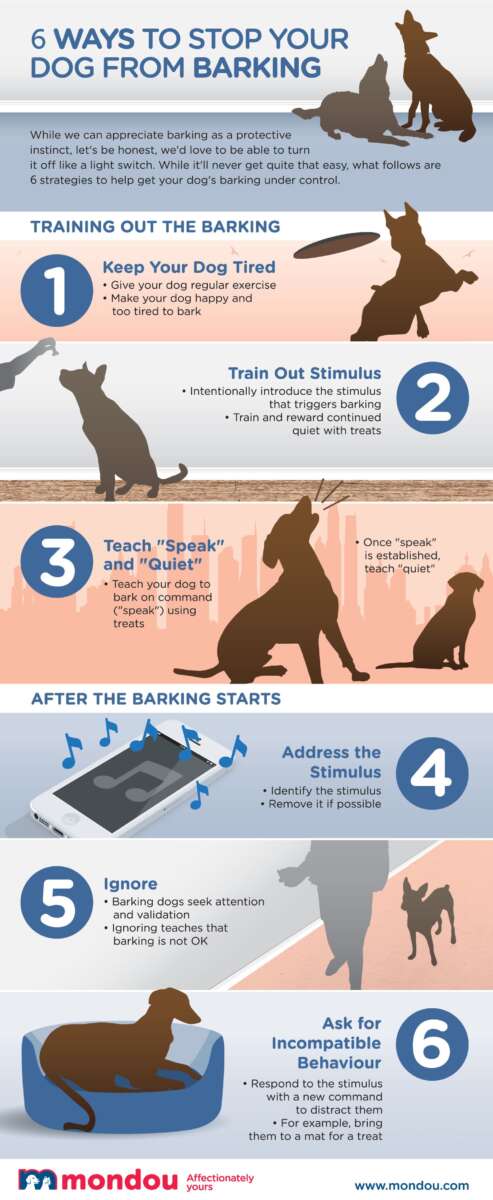
A German Shepherd may bark at people, dogs, sounds, movement, boredom, fear, or being left alone. The best way to stop excessive barking is to find the cause, prevent needless practice, and teach a calm behavior such as looking at you or staying quiet. Do not rely on yelling or punishment. These methods can increase fear and may make barking worse.
This guide applies to German Shepherds in the United States, including dogs living in apartments, suburban homes, and rural areas. Start with a health check if the barking is new, intense, or linked with pain, confusion, or distress.
Introduction
German Shepherds were bred to notice changes in their surroundings and respond to them. Alert barking can be normal. The goal is not always complete silence. A better goal is a dog that can notice a trigger, respond briefly, and settle when you give a clear cue.
Begin by writing down when the barking happens. Note the trigger, time, location, body language, and what happens after the barking. This simple record helps separate alert barking from separation distress, fear, frustration, boredom, or attention-seeking behavior.

Why German Shepherds Bark
German Shepherd barking usually has a function. Your dog may be trying to warn you, create distance, get a reward, release stress, or respond to a physical problem.
Common causes include:
| Barking pattern | Likely cause | Clues to watch for |
|---|---|---|
| A few sharp barks at a window or door | Alert barking | The dog looks toward a sound or person, then can settle |
| Barking at dogs, bikes, or strangers | Fear, frustration, or territorial behavior | Stiff body, hard stare, lunging, retreating, or raised hackles |
| Barking when you leave | Separation-related distress | Barking soon after departure, pacing, scratching, accidents, or escape attempts |
| Barking during play | Excitement or poor impulse control | Loose body, jumping, fast movement, and difficulty calming down |
| Barking for food, toys, or attention | Learned demand behavior | Barking stops when the dog gets what it wants |
| Barking at night or at random times | Noise sensitivity, pain, aging, or confusion | Sudden change, restlessness, altered sleep, or disorientation |
| Barking in a crate or yard | Frustration, isolation, or too much stimulation | Repeated pacing, fence running, whining, or scanning |
The same sound can have different causes. For example, barking at the front door may be normal alerting in one dog and fear in another. Look at the full body, not only the volume of the bark.
A German Shepherd that suddenly starts barking more should see a veterinarian. Ear problems, pain, illness, medication changes, and age-related changes can affect behavior. A veterinary exam is especially important when barking comes with aggression, confusion, appetite changes, or unusual restlessness.

The Fastest Safe Starting Plan
You can often reduce barking within days by changing what happens before and after the trigger. Long-term improvement still requires regular training.
1. Track the trigger
Keep a short barking log for three to five days. Record:
- What caused the bark
- How far away the trigger was
- How long the barking lasted
- Your dog’s body language
– What you did - What your dog gained or avoided
This shows patterns. You may discover that your German Shepherd barks mainly during the school bus run, when delivery drivers arrive, or when neighborhood dogs pass the fence.
2. Prevent repeated rehearsal
Every barking episode gives the behavior practice. Reduce easy opportunities while you train.
Try these changes:
- Close blinds during busy times.
- Use privacy film on lower windows.
- Move furniture away from windows.
- Keep your dog away from the front door when visitors arrive.
- Use a fan or white noise to soften outdoor sounds.
- Bring your dog inside instead of leaving it alone in a stimulating yard.
- Use a secure leash and harness on walks.
- Avoid crowded routes until your dog can respond calmly.
Management is not a cure. It lowers the number of barking rehearsals and gives training a better chance to work.
3. Teach an alternative behavior
Choose one behavior that your dog can perform instead of barking. “Look at me,” “go to bed,” and “touch” are useful choices.
Practice indoors first:
- Say your dog’s name once.
- When your dog looks at you, mark the moment with “yes.”
- Give a small treat.
- Repeat until your dog turns toward you quickly.
- Add a cue such as “look.”
- Practice in slightly harder places.
Keep sessions short. Two to five minutes is enough for many dogs. Use treats your dog values, but keep each piece small. You can use part of your dog’s normal daily food if it works as a reward.
4. Reinforce quiet before demanding it
Wait for a brief pause in barking. Say “quiet” in a calm voice, then reward the pause. At first, reward one second of silence. Slowly build to three seconds, five seconds, and longer.
Do not shout “quiet” over loud barking. Your dog may hear this as you joining the alarm. Wait for a break, use a calm cue, and reward the behavior you want.
5. Reward calm behavior without a cue
Notice quiet moments that happen on their own. Give a treat when your German Shepherd rests on a mat, watches the street without barking, or turns away from a sound.
This teaches a key lesson: calm behavior also gets attention and rewards. The dog does not need to bark first.

How to Stop Alert Barking at the Door or Window
Alert barking improves when your dog learns what to do after noticing a visitor or sound. You should not expect your dog to ignore every event. Teach a short alert, followed by a calm routine.
Use this sequence:
- Let your dog give one or two alert barks.
- Say “thank you” or another consistent cue.
- Toss a treat away from the door or window.
- When your dog turns toward you, guide it to a mat or bed.
- Reward quiet waiting.
- Open the door only when your dog is under control.
Practice with mild triggers first. Ask a friend to walk past the house or knock softly. Increase the challenge in small steps.
If your dog rushes the door, use a gate, leash, or closed interior door during practice. Do not grab a highly aroused dog by the collar. Redirect it with food or move it with a barrier when possible.
For window barking, block the view during peak times. Then practice looking at a person or dog from a distance where your German Shepherd can still eat and respond to you. Reward calm observation, and end the session before barking escalates.

How to Stop Barking at People, Dogs, Cars, and Other Triggers
Barking at a trigger often involves fear, frustration, excitement, or territorial behavior. The most useful method is gradual desensitization with counterconditioning.
Desensitization means exposing your dog to a trigger at a low enough level that it can remain calm. Counterconditioning means pairing that trigger with something your dog likes, such as food.
Follow these steps:
- Identify the distance at which your dog notices the trigger but does not bark.
- The moment your dog sees the trigger, give several small treats.
- Stop the treats when the trigger disappears or you move away.
- Repeat until your dog looks at the trigger and then looks back at you.
- Reduce the distance very slowly over multiple sessions.
If your dog barks, lunges, freezes, or refuses food, the trigger is too close or the session is too hard. Increase distance and try again.
Do not force a fearful dog to approach a person or another dog. Do not allow strangers to reach over your dog’s head. A German Shepherd needs a safe way to create space.
On walks, cross the street, turn around, or step behind a parked car before your dog reacts. A calm escape is not failure. It prevents your dog from practicing lunging and barking.
Seek help from a qualified behavior professional if your dog has bitten, attempted to bite, redirected aggression toward you, or cannot stay calm even at a great distance.

How to Stop Barking for Attention
If barking reliably earns food, play, petting, eye contact, or access to something desirable, the behavior can become stronger.
For safe attention barking:
- Avoid giving the requested reward while your dog is barking.
- Wait for a short quiet pause.
- Ask for a simple behavior, such as sit.
- Give the reward after the quiet behavior.
- Provide planned play, walks, training, and affection before your dog demands them.
Expect barking to increase briefly when the old strategy stops working. This is called an extinction burst. If you sometimes give in and sometimes do not, the barking may become more persistent. Consistency matters.
Do not ignore barking when the dog may be frightened, sick, trapped, or in pain. First check the cause. Training should not mean withholding help from a distressed animal.

How to Stop Barking When Your German Shepherd Is Alone
Barking that begins soon after you leave may be linked to separation anxiety or another form of isolation distress. Separation anxiety is more than ordinary boredom. Signs can include pacing, drooling, escape attempts, destruction near doors or windows, house-soiling, and intense distress during departures.
Use a gradual alone-time plan:
- Record your dog during a short absence, if possible.
- Find the length of time your dog stays calm.
- Leave for less than that time.
- Return before distress begins.
- Repeat and increase the time slowly.
- Keep departures and returns calm.
- Offer a safe food toy only if your dog already uses it comfortably.
Do not suddenly leave a distressed dog alone for hours as a training test. Repeated panic can make the problem harder to treat.
A crate is not a treatment for separation anxiety. Some dogs relax in crates, while others panic and may injure themselves. Use a crate only when your dog is comfortable there, and never use it as a place for punishment.
Contact your veterinarian if the dog cannot remain calm for even short absences. A veterinary behaviorist or qualified separation-anxiety professional may recommend a structured behavior plan. Medication may help some dogs, but it should come from a veterinarian and work alongside training.

Exercise, Enrichment, and Daily Routine
Exercise can help barking caused by excess energy, but it will not fix fear or separation anxiety by itself. A tired dog may still bark at a trigger that feels threatening.
Give your German Shepherd a balanced routine that includes:
- Daily walks with time to sniff
- Short obedience sessions
- Food puzzles or scatter feeding
- Safe chewing
- Fetch or tug with clear start and stop cues
- Calm mat training
- Supervised social contact with suitable dogs
- Rest in a quiet area
Mental work often matters as much as physical exercise. Five minutes of scent games or training can be more useful than simply adding more high-speed activity.
Avoid making the dog frantic with constant ball throwing or rough play if excitement causes barking. End active games with a calm routine, such as drinking water, chewing, and resting on a mat.
A predictable schedule can also help. Feed, walk, train, and rest at roughly consistent times. Predictability does not remove every trigger, but it can lower stress.

Tools That Can Help—and Tools to Avoid
Training tools should make calm behavior easier, not cause pain or fear.
Helpful tools
- A well-fitted flat collar or harness
- A standard leash
- Baby gates or exercise pens
- Window film or curtains
- A mat or dog bed
- Food rewards
- A phone camera for observing alone-time behavior
- White noise or a fan
- Secure fencing and door barriers
A front-clip harness may help some handlers manage pulling, but fit and safe use matter. No harness replaces behavior training.
Tools that need care
A head collar can help some dogs, but introduce it slowly and follow the manufacturer’s safety directions. Stop if your dog paws at it, panics, or shows discomfort.
A citronella or ultrasonic bark device may interrupt some dogs, but interruption does not teach the reason for barking or a better response. It can also startle sound-sensitive dogs.
Tools to avoid
Avoid shock collars, spray collars, bark collars used without professional guidance, and physical punishment. The American Veterinary Society of Animal Behavior recommends reward-based training and warns against aversive methods because they can increase fear, stress, and aggression.
Never tape or tie a dog’s mouth shut. Never leave a bark collar on an unattended dog. If a device causes pain, panic, or confusion, stop using it and choose a safer plan.

Common Mistakes That Keep Barking Going
Several well-meant actions can accidentally reward or intensify barking.
Yelling from another room
Your dog may think you are barking too. Your raised voice can also increase excitement.
Opening the door during frantic barking
The dog may learn that loud barking makes visitors appear. Use a barrier and wait for a calm behavior instead.
Punishing warning signs
Growling, stiff posture, and barking can warn you that a dog feels unsafe. Punishing those signs may suppress communication without changing the emotion underneath.
Moving too close to the trigger
Training fails when the dog is already lunging or screaming. Start farther away than you think you need.
Using too much exercise as the only answer
Exercise helps, but it does not replace treatment for fear, pain, or separation distress.
Changing rules between people
If one person rewards barking and another person ignores it, the dog receives mixed information. Everyone in the household should use the same cue and reward plan.
Expecting instant results
Some alert barking improves quickly. Fear-based barking and separation problems often need weeks or months of steady work. Progress means fewer reactions, faster recovery, and more ability to respond to you.

When to Call a Veterinarian or Behavior Professional
Contact a veterinarian when barking is sudden, unusually intense, or paired with signs of illness. Also seek veterinary advice for an older German Shepherd that begins barking at night or appears confused.
Get professional behavior help when your dog:
- Lunges or snaps at people or dogs
- Has bitten or tried to bite
- Cannot take food around triggers
- Damages teeth, paws, doors, or windows while alone
- Escapes or attempts to escape
- Shows severe separation distress
- Has a history of trauma or serious fear
- Does not improve after several weeks of careful training
Look for a board-certified veterinary behaviorist through the American College of Veterinary Behaviorists. A certified professional listed by the Certification Council for Professional Dog Trainers may also help. Ask what methods the professional uses. Avoid anyone who promises instant results or relies on pain, intimidation, or dominance-based punishment.

A Simple 14-Day Barking Plan
Use this plan as a starting framework. Adjust it to your dog’s comfort and safety.
| Days | Main task | What success looks like |
|---|---|---|
| 1–2 | Track barking and arrange a vet check if needed | You can name the main triggers |
| 3–4 | Block window views and reduce access to high-trigger areas | Fewer barking rehearsals |
| 5–6 | Teach name response, “look,” and mat settling | Your dog responds indoors |
| 7–8 | Practice “quiet” during mild, planned triggers | Your dog pauses and takes food |
| 9–10 | Work at a safe distance from one outdoor trigger | Your dog can notice the trigger without escalating |
| 11–12 | Add mild door or visitor practice | Your dog moves away from the door |
| 13–14 | Practice calm alone time or independent rest | Your dog stays settled for short periods |
Use one trigger at a time. End each session while your dog is still successful.
Signs of progress include:
- Your dog reacts less often.
- The bark lasts for less time.
- Your dog recovers faster.
- Your dog can eat near the trigger.
- Your dog looks at you after noticing the trigger.
- Your dog chooses a mat, bed, or quiet area.
If progress stops, lower the difficulty. Increase distance, shorten the session, use better rewards, or return to an easier step.

Frequently Asked Questions
Should I ignore my German Shepherd’s barking?
Ignore safe attention barking only after checking that your dog is not frightened, ill, trapped, or reacting to a real concern. For alert or fear barking, teach a replacement behavior instead of simply ignoring it.
How long does it take to stop a German Shepherd from barking?
The time depends on the cause, age, history, health, and training plan. Alert barking may improve in days or weeks. Fear, territorial behavior, and separation distress often take longer and may require professional help.
Will more exercise stop my German Shepherd from barking?
More activity may reduce barking linked to boredom or excess energy. It will not reliably solve pain, fear, territorial behavior, or separation anxiety. Add mental work and behavior training to the daily routine.
Are bark collars safe for German Shepherds?
Bark collars can startle or punish a dog without addressing why it is barking. They may increase fear or confusion, especially in a sensitive dog. Reward-based training and trigger management are safer first choices.
Why does my German Shepherd bark at nothing?
Your dog may hear or smell something you cannot detect. It may also be reacting to pain, anxiety, aging, or confusion. Record the behavior and contact a veterinarian if the barking is new, frequent, or accompanied by other changes.
Conclusion
To stop a German Shepherd from barking, first identify the cause. Then reduce trigger exposure, reward quiet behavior, teach a clear alternative, and increase difficulty slowly. Avoid yelling and painful tools, because they can raise stress and worsen the problem.
Start today with a barking log, a calm “look” cue, and one simple management change. If the barking involves fear, aggression, panic when alone, or a sudden health change, involve your veterinarian and a qualified behavior professional.
Sources and Further Reading
- American Veterinary Society of Animal Behavior: Humane Dog Training Position Statement
- Merck Veterinary Manual: Behavior Problems of Dogs
- American Kennel Club: German Shepherd Dog
- ASPCA: Separation Anxiety
- Certification Council for Professional Dog Trainers
- American College of Veterinary Behaviorists


Pet Care Writer & Researcher
Daniel writes practical guides on daily care, feeding, and safety, turning complex topics into simple, actionable advice.