What Fabric Is Best For A Dog Bed: Best Choices
What fabric is best for a dog bed? Compare durable, washable, comfortable options to find the perfect material for your pet’s needs.
For most dogs in the United States, the best dog-bed fabric is a tightly woven, washable fabric such as cotton canvas, denim, or a durable polyester blend. These fabrics balance comfort, airflow, stain resistance, and long-term wear.
The right choice depends on your dog’s coat, skin, chewing habits, sleeping style, and the climate where you live. A cool cotton cover may suit a dog in humid Florida, while a soft fleece layer may help a short-haired dog in a cold Minnesota home.
The best dog bed is not just soft. It should also be easy to wash, hard to tear, safe to chew around, and suited to your dog’s health needs.

Quick Answer: Which Fabric Should You Choose?
Choose cotton canvas or a tightly woven cotton blend if you want a good all-purpose dog bed cover. These materials are breathable, fairly durable, and usually easy to wash.
Choose polyester microfiber if you want a soft surface that dries fast and resists many stains. Choose ripstop nylon or ballistic nylon for dogs that dig, scratch, or spend time outdoors. Choose fleece or sherpa only as a removable comfort layer, since these fabrics can hold heat and may trap hair.
Here is a simple starting guide:
| Dog or home need | Best fabric choice | Main reason |
|---|---|---|
| General indoor use | Cotton canvas or cotton blend | Balanced comfort and strength |
| Hot or humid climate | Cotton, linen blend, or breathable mesh panel | Better airflow |
| Cold home or short coat | Fleece over a washable base | Adds warmth |
| Heavy chewer or digger | Ripstop nylon or ballistic nylon | Resists tears better |
| Wet or muddy dog | Polyester or coated nylon | Dries quickly |
| Allergies or sensitive skin | Smooth, tightly woven, fragrance-free washable cover | Holds less loose debris and washes often |
| Senior or painful dog | Soft, washable cover over supportive foam | Fabric comfort does not replace support |
| Outdoor use | UV-resistant polyester or coated nylon | Handles moisture and sun better |
No fabric is indestructible. A determined chewer can damage even a strong cover. Inspect the bed often and remove it if your dog pulls out threads, foam, or stuffing.
What Makes a Dog-Bed Fabric Good?
A good dog-bed fabric should match five basic needs: comfort, durability, cleaning, temperature control, and safety.
Comfort
Cotton, microfiber, fleece, and soft polyester can all feel comfortable. The best texture depends on your dog.
Some dogs like a smooth surface. Others prefer fabric they can burrow into. Dogs with thin coats may enjoy fleece, while dogs with thick coats may sleep better on a cooler, smoother cover.
Comfort also depends on the material under the cover. A soft fabric cannot fix a flat pad or poor support. Senior dogs may need a supportive foam mattress with a washable outer cover.
Durability
Tight weaves usually last longer than loose, fluffy fabrics. Canvas, denim, ripstop nylon, and heavy polyester tend to handle daily use better than loosely woven cotton or decorative upholstery fabric.
A tight weave has less space for claws to catch. Ripstop fabric also uses a reinforced pattern that can slow the spread of a small tear.
Still, “heavy-duty” does not mean chew-proof. The Consumer Product Safety Commission advises consumers to watch for hazards from damaged products and small parts. A torn dog bed can create a choking or swallowing risk if your dog removes fabric, thread, zipper parts, foam, or stuffing.
Washability
Washability may matter more than the original fabric type. A dog bed cover should ideally:
- Zip off or separate from the filling
- Fit in your home washing machine
- Keep its shape after washing
- Dry fully without a strong odor
- Allow frequent cleaning
- Have seams that do not split easily
The CDC recommends regular handwashing after handling pets and cleaning pet items. Frequent washing of bedding can also reduce dirt, dander, and odors in the home.
Always follow the bed maker’s care label. Some foam cores must not go in a washer or dryer. A removable cover is often the most practical design.
Temperature control
Fabric affects how warm a bed feels. Fleece, sherpa, and plush polyester hold more heat. Cotton and linen blends often feel cooler. Nylon and coated fabrics may resist moisture but can feel less breathable.
Your dog may need different surfaces at different times of year. A bed with a washable cotton cover and a separate fleece blanket gives you more control than a bed covered in thick plush fabric all year.
Safety
Avoid fabric with loose threads, exposed nails, broken zippers, or peeling coatings. Do not use a bed that your dog can quickly shred.
Wash new bedding before use if it has a strong chemical smell. Do not add essential oils, fabric softener, or scented sprays unless your veterinarian says they are safe for your pet. Dogs can lick residue from their coat or bedding.
Best Dog-Bed Fabrics Compared
The fabric name alone does not tell the whole story. Weight, weave, stitching, coating, and care instructions also affect performance.
Cotton canvas
Cotton canvas is one of the best all-purpose choices for an indoor dog bed. It is stronger than thin cotton because it uses a dense, plain weave.
Benefits:
- Breathable
- Comfortable in many climates
- Less likely to snag than loose knits
- Usually easy to wash
- Available in many weights and colors
Limits:
- Can absorb water and stains
- May shrink if washed or dried at high heat
- May not withstand a strong chewer
- Can take longer to dry than synthetic fabric
Cotton canvas works well for dogs that sleep indoors and do not destroy their beds. Look for a removable cover with reinforced seams.
Cotton blends
A cotton-polyester blend often gives a useful middle ground. Cotton adds softness and airflow. Polyester can improve drying time, shape retention, and stain resistance.
The exact blend matters less than the fabric’s weave and construction. A tightly woven blend with strong seams may outperform a thin fabric made from a “better” fiber.
Polyester microfiber
Microfiber is soft, smooth, and often quick to dry. It can be a good choice for dogs that bring in dirt or moisture.
Benefits:
- Soft feel
- Fast drying
- Often resists light staining
- Commonly available
- Usually holds color well
Limits:
- May hold heat
- Can attract hair through static
- May develop pulls or pilling
- Quality varies widely
Microfiber is a good indoor option, especially when the cover can go in the washer. It may not be ideal for a dog that overheats or scratches hard.
Ripstop nylon
Ripstop nylon is made with stronger threads placed through the fabric in a grid pattern. That grid can help stop a small tear from spreading.
Benefits:
- Light
- Strong for its weight
- Dries quickly
- Useful for travel and outdoor beds
- Resists some digging and abrasion
Limits:
- Less soft than cotton
- Can feel warm or slippery
- May make noise when a dog moves
- Not chew-proof
Ripstop nylon suits active dogs and travel beds. Add a washable cotton or fleece layer if your dog dislikes the texture.
Ballistic nylon
Ballistic nylon is a dense synthetic fabric designed for high abrasion resistance. It is often used for rugged pet products.
Benefits:
- Very durable
- Resists claw damage better than many soft fabrics
- Easy to wipe clean
- Often suitable for crates and travel
Limits:
- Can feel stiff
- May cost more
- Does not provide much warmth by itself
- Can still be punctured by a determined chewer
Ballistic nylon is useful when durability is the main concern. It should still have secure seams and a cover that can be cleaned.
Fleece and sherpa
Fleece and sherpa feel warm and soft. They can help small, thin-coated, or older dogs feel comfortable in a cool room.
Benefits:
- Warm
- Soft
- Good for nesting and burrowing
- Often useful as a removable blanket
Limits:
- Can hold heat
- Holds hair and dander
- May pill with repeated washing
- Can snag under claws
- May be too warm for thick-coated dogs
Use plush fabric as a removable top layer rather than the only surface when possible. That makes cleaning and seasonal changes easier.
Linen and linen blends
Linen is light and breathable. A linen blend may work well in a warm home, but pure linen can wrinkle and wear at stress points.
It is usually better for calm indoor dogs than for dogs that dig or chew. Choose a close weave and inspect the seams.
Vinyl and coated fabrics
Vinyl and coated polyester are easy to wipe clean. They may suit messy dogs, outdoor use, or crate mats.
However, these materials can be less breathable. They may also crack, peel, or become uncomfortable when exposed to heat or repeated folding. Use a soft washable layer on top if your dog spends long periods on the bed.

How to Choose Fabric for Your Dog
Start with your dog’s behavior, not the fabric label. A soft bed that your dog destroys in one day is not a good match.
If your dog chews or digs
Choose a tight, durable weave such as ballistic nylon, ripstop nylon, or heavy canvas. Look for:
- Double-stitched seams
- Covered zippers
- Minimal loose trim
- No buttons or decorative parts
- A cover that can be replaced
Do not leave a dog alone with a bed that it is actively tearing apart. Fabric pieces, thread, and foam may cause choking or intestinal blockage. Contact a veterinarian promptly if you think your dog swallowed part of the bed.
If your dog gets hot
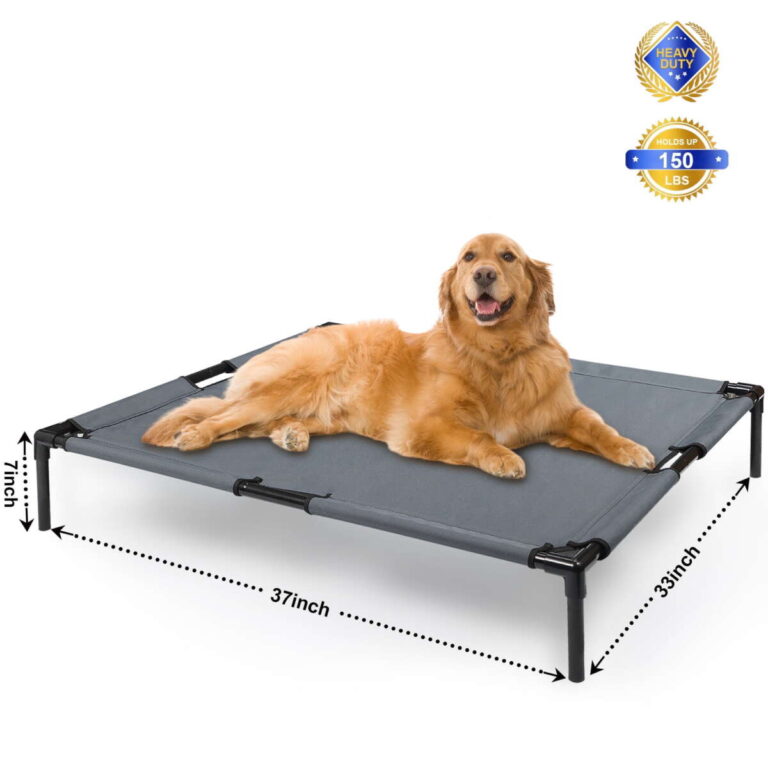
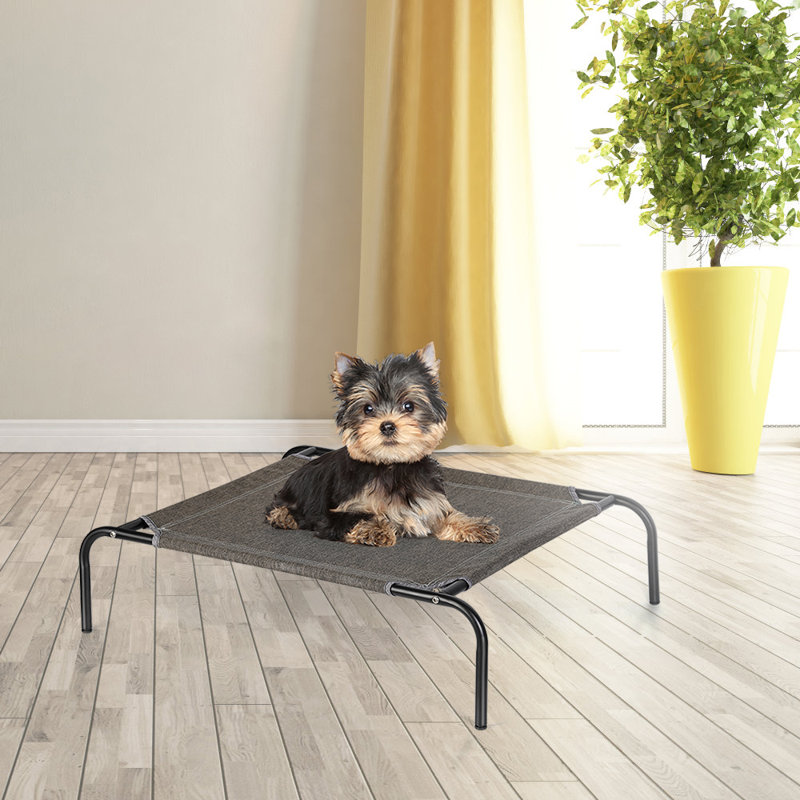
Choose cotton, a cotton blend, or another breathable fabric. A raised bed with an open underside can also improve airflow.
Avoid thick sherpa or fleece as the main cover for a dog that pants, spreads out, or seeks cool floors. A fabric change will not solve overheating caused by illness or extreme heat. Seek veterinary advice if your dog pants heavily at rest, seems weak, or acts confused.
If your dog gets cold
Choose a soft fleece layer over a supportive bed. A covered bed with raised sides can reduce drafts, but make sure your dog can enter and leave it easily.
Do not use electric warming beds without following the manufacturer’s instructions. Check the cord often and avoid heated products for dogs that chew wires or cannot move away from the heat.
If your dog has sensitive skin
Choose a smooth, tightly woven, washable cover. Wash it with a fragrance-free detergent and rinse it well.
No fabric can diagnose or prevent allergies. A dog may react to pollen, dust mites, flea bites, food, detergent, or another cause. See a veterinarian if your dog has repeated itching, red skin, hair loss, sores, or ear problems.
If your dog is incontinent or frequently wet
A water-resistant outer layer can protect the filling, but it should not be the only surface. Use a soft, washable cover above it.
Wash wet bedding promptly. Moisture left inside foam can lead to odor and microbial growth. Replace any filling that stays damp or develops mold.
If your dog sleeps outdoors
Choose a cover made for outdoor use, such as coated polyester or durable nylon. The bed should also have a dry, sheltered location.
Outdoor fabric does not make a bed weatherproof. Rain, snow, sun, and temperature changes can damage both the cover and the filling. Bring the bed indoors when it is wet or when temperatures are unsafe.

How to Wash and Maintain a Dog Bed
Wash the cover based on how often your dog uses the bed and how dirty it becomes. A healthy indoor dog may need less frequent cleaning than a muddy, incontinent, or allergy-prone dog.
Follow these steps:
- Read the care label. Check whether the cover, foam, and filling can be washed.
- Remove hair and debris. Shake the cover outdoors or use a vacuum.
- Treat stains early. Use a pet-safe cleaner that matches the fabric.
- Wash as directed. Do not use hotter water or stronger chemicals than the label allows.
- Rinse well. Leftover detergent may irritate some dogs.
- Dry completely. Damp foam or fabric can smell and support mold growth.
- Inspect before use. Check seams, zippers, edges, and the filling.
- Replace damaged parts. Do not return a torn or exposed bed to your dog.
Do not mix bleach with ammonia or other cleaners. Keep cleaning products away from pets. If you use a disinfectant, follow its label for dilution, contact time, ventilation, and pet safety.
A waterproof liner can make cleanup easier, but it should not trap moisture against the dog. Open the cover and check the inside after accidents.
Common Mistakes When Buying Dog-Bed Fabric
Many buyers focus on softness and overlook the features that affect safety and upkeep.
Choosing plush fabric for every dog
Plush fabric looks cozy, but it can trap heat, hair, and moisture. It may also mat after repeated washing. Use it as a removable layer when your dog likes warmth.
Assuming “waterproof” means washable
Some water-resistant beds have covers that cannot be removed. A surface may wipe clean while the inner foam absorbs urine or water.
Check the cover design before buying. A removable, machine-washable cover is usually more useful than a coating alone.
Buying a bed that is too small
Your dog should be able to lie on its side with its legs extended. Measure your dog from nose to tail, then add extra space. For a curled sleeper, a smaller bed may work, but it should not force the dog into one position.
Ignoring seams and closures
The strongest fabric can fail at a weak zipper or corner. Look for reinforced seams and a zipper that is covered or placed away from the dog’s teeth.
Treating “organic” as a safety guarantee
Organic fiber describes how a material was produced. It does not automatically mean the finished bed is durable, washable, chemical-free, or safe for a chewer.
Review the full product design. Check the dye, finish, stitching, care instructions, and damage risk.
Using human blankets as a permanent bed
A blanket can be useful, but it may not provide enough support. It can also bunch up, overheat a dog, or hide wet spots.
Use blankets as washable layers on a properly sized bed unless your veterinarian recommends another setup.

Best Fabric by Dog Type: Practical Examples
A few examples can make the choice clearer.
A Labrador in a warm Texas home: Choose a cotton canvas or breathable polyester cover over a supportive pad. Add a thin fleece blanket only in cooler months.
A small short-haired dog in a cool New England apartment: Choose a washable cotton or microfiber bed with a removable fleece layer. Make sure the dog can move off the warm layer.
A young dog that digs before sleeping: Choose ripstop nylon or heavy canvas with reinforced seams. Avoid loose sherpa, fringe, and decorative trim.
A senior dog with stiff joints: Choose a supportive foam bed with a smooth, washable cover. Fabric softness matters, but stable support and easy entry matter more.
A dog that gets muddy after walks: Choose a quick-drying polyester or nylon cover with a washable inner liner. Keep a spare cover so the bed can be used while one cover dries.
These examples are starting points, not medical advice. Your dog’s behavior and health may change the best choice.

Frequently Asked Questions
Is cotton or polyester better for a dog bed?
Neither is always better. Cotton is often cooler and more breathable. Polyester usually dries faster and may resist stains better. A tightly woven, washable fabric is more important than the fiber name alone.
Is fleece safe for dogs?
Fleece is generally useful as a bedding layer when it is intact and your dog does not chew it. Remove it if your dog pulls off fibers, eats pieces, overheats, or becomes tangled in it.
What fabric is best for dogs with allergies?
Use a smooth, tightly woven, removable cover that can be washed often. Fragrance-free detergent may reduce irritation from laundry residue. Because allergies have many causes, ask a veterinarian to assess ongoing skin problems.
What is the most durable dog-bed fabric?
Heavy canvas, ballistic nylon, and ripstop nylon are among the more durable common options. Durability depends on the fabric weight, stitching, zipper design, and your dog’s chewing behavior.
How often should a dog bed be washed?
Wash it whenever it is visibly dirty, wet, or smelly. Many indoor beds need regular washing, while beds used by muddy, incontinent, or allergy-prone dogs may need cleaning more often. Follow the care label and dry the bed fully.
Final Recommendation
For most indoor dogs, choose a removable cover made from tightly woven cotton canvas, denim, or a durable cotton-polyester blend. This gives you a practical mix of comfort, airflow, and strength.
Choose polyester or nylon when quick drying and stain resistance matter most. Add a removable fleece layer for warmth rather than using thick plush fabric all year. If your dog chews, focus on strong seams, simple construction, and close supervision.
The best fabric is the one your dog can use safely and that you can wash often. Before buying, check the weave, seams, cover removal, care label, and condition of the bed after each cleaning.

Pet Care Writer & Researcher
Daniel writes practical guides on daily care, feeding, and safety, turning complex topics into simple, actionable advice.