What Is The Best Cooling Bed For Dogs: Best Guide
What is the best cooling bed for dogs? Compare top features, materials, and comfort tips to help your pet stay cool and sleep better all summer.
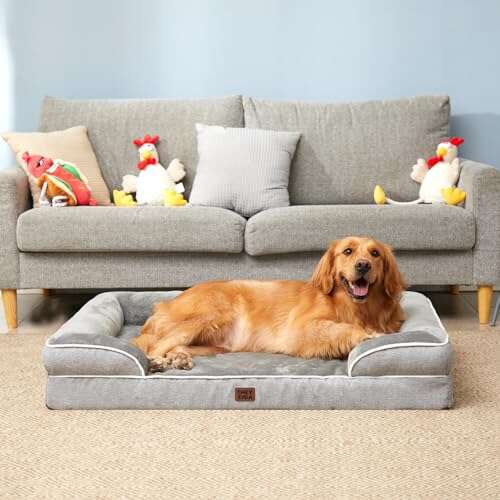
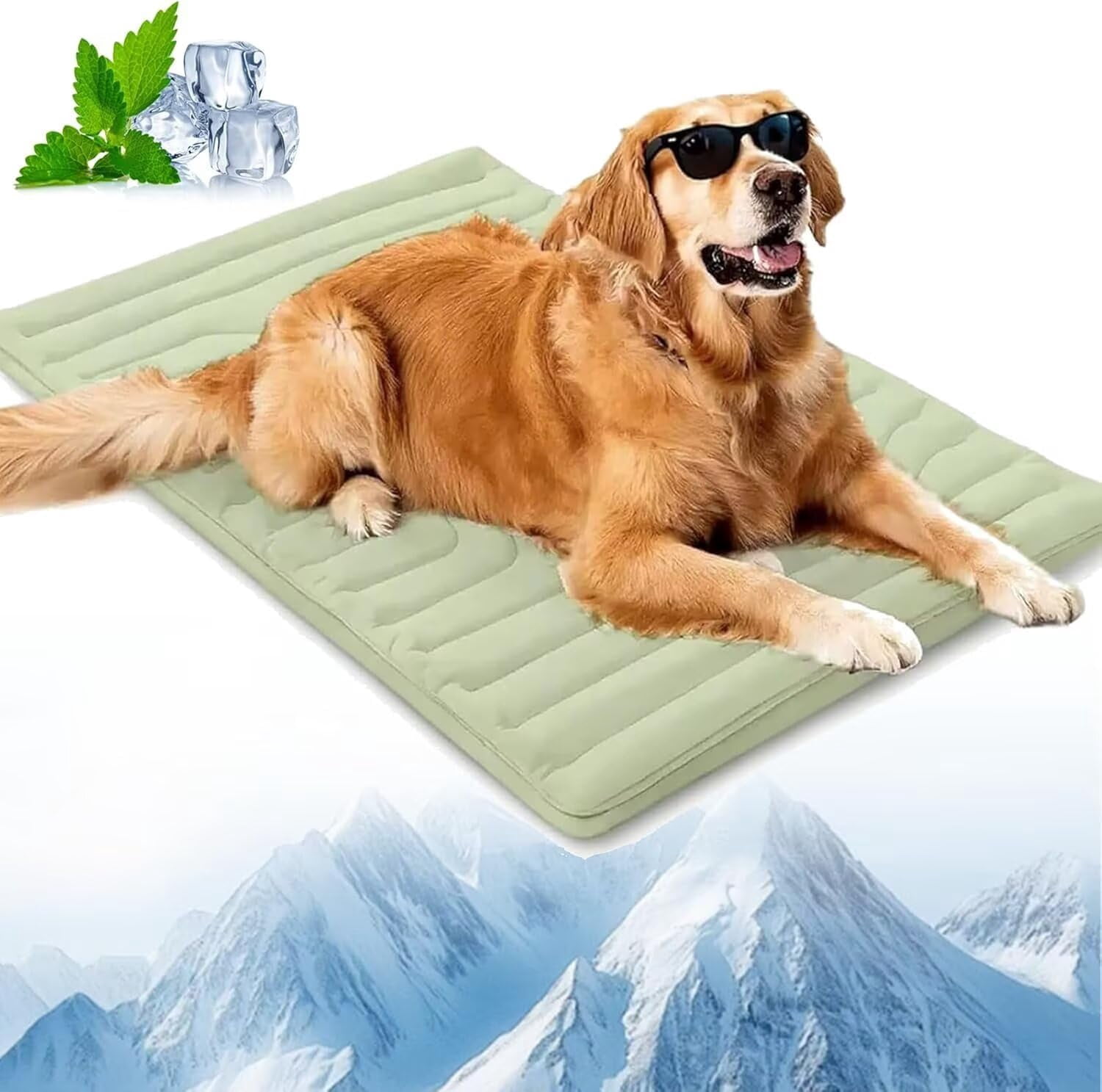
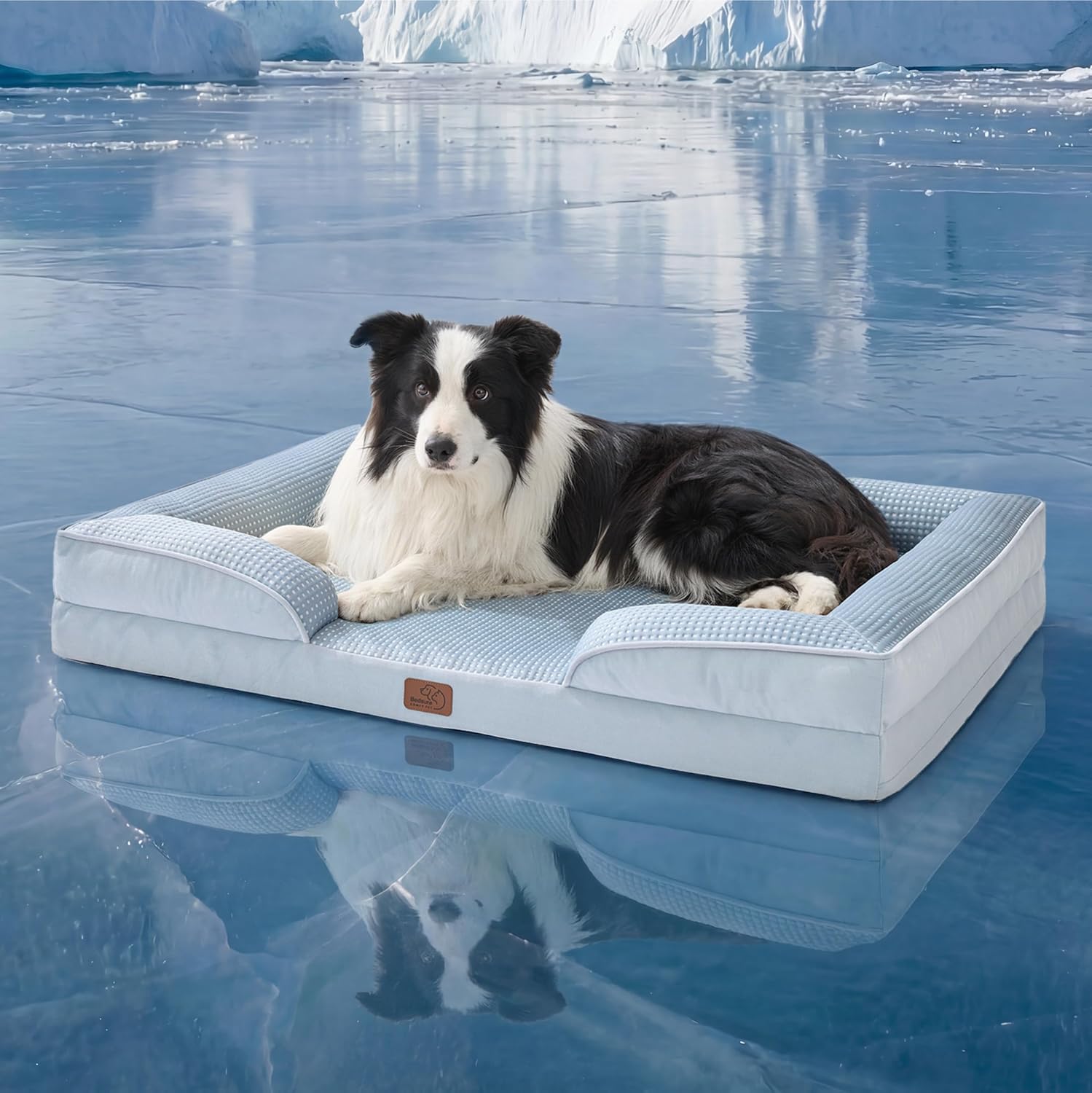
The best cooling bed for most dogs in the United States is a pressure-activated gel cooling mat with a durable, washable cover. It needs no electricity, is easy to move, and gives a dog a cool place to rest indoors or outdoors in the shade.
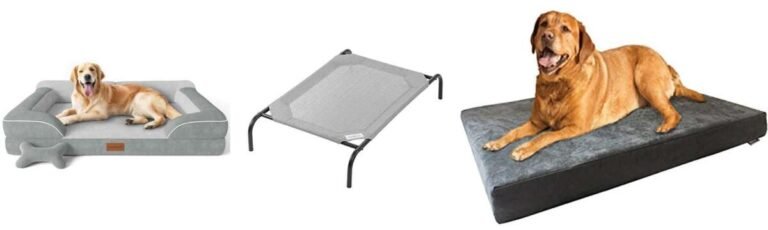
That said, no single bed fits every dog. A raised mesh cot may work better for a large dog, a chewer, or a dog that sleeps outdoors. A water-filled cooling bed can offer strong cooling but may leak. An ice-based bed can feel colder, but it needs more work and close supervision.
A cooling bed can help your dog rest in warm weather. It cannot safely replace shade, water, air flow, or veterinary care for heat illness.
Quick answer: Which cooling bed is best?
For most healthy dogs, choose a gel cooling mat if you want the easiest option. Look for these features:
- A non-toxic gel listed by the maker
- A cover that can be removed and washed
- A tough, claw-resistant outer layer
- A size that lets your dog lie flat
- A non-slip base
- Clear cleaning and storage instructions
- A product made for dogs, not a human-only pad
Choose a raised mesh cot instead when your dog is a strong chewer, often rests outside, or needs air to pass under the body. Choose a water-filled bed only if you can check it often for leaks.
The best cooling bed is the one your dog will use safely. A very cold bed is not always the best bed. Comfort, size, strength, and ease of care matter just as much.
How dog cooling beds work
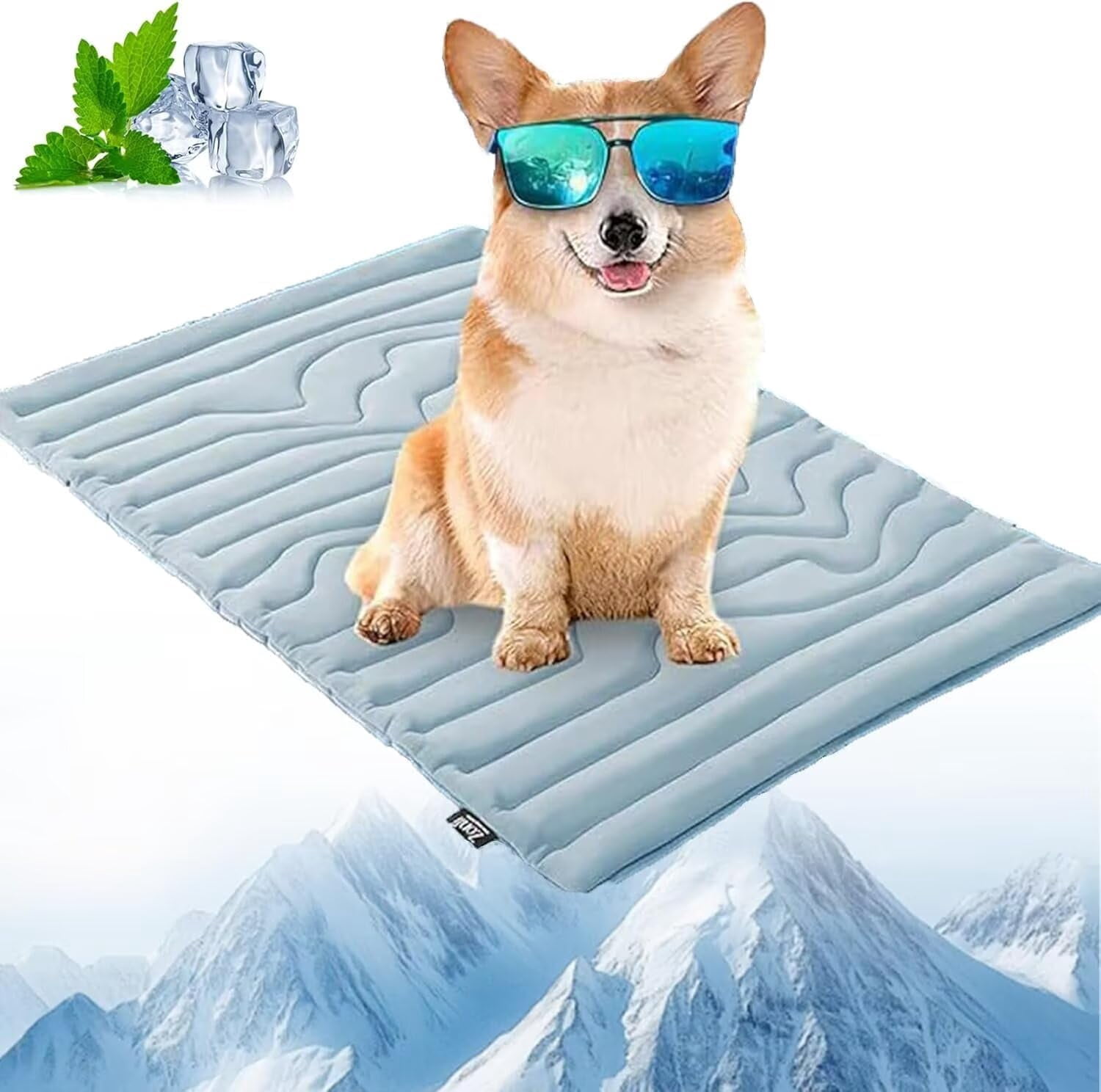
Cooling beds lower the heat that builds up between a dog’s body and the floor. Most use one of four designs.
Gel cooling mats
A gel mat uses a pressure-activated gel. The gel absorbs some body heat when the dog lies on it. Many mats work for a set period, then need time without pressure before they feel cool again.
Gel mats are simple and portable. They work well in a crate, living room, car, or shaded patio. Their main weakness is damage from claws or teeth. A puncture can release gel and end the product’s useful life.
Raised mesh cots
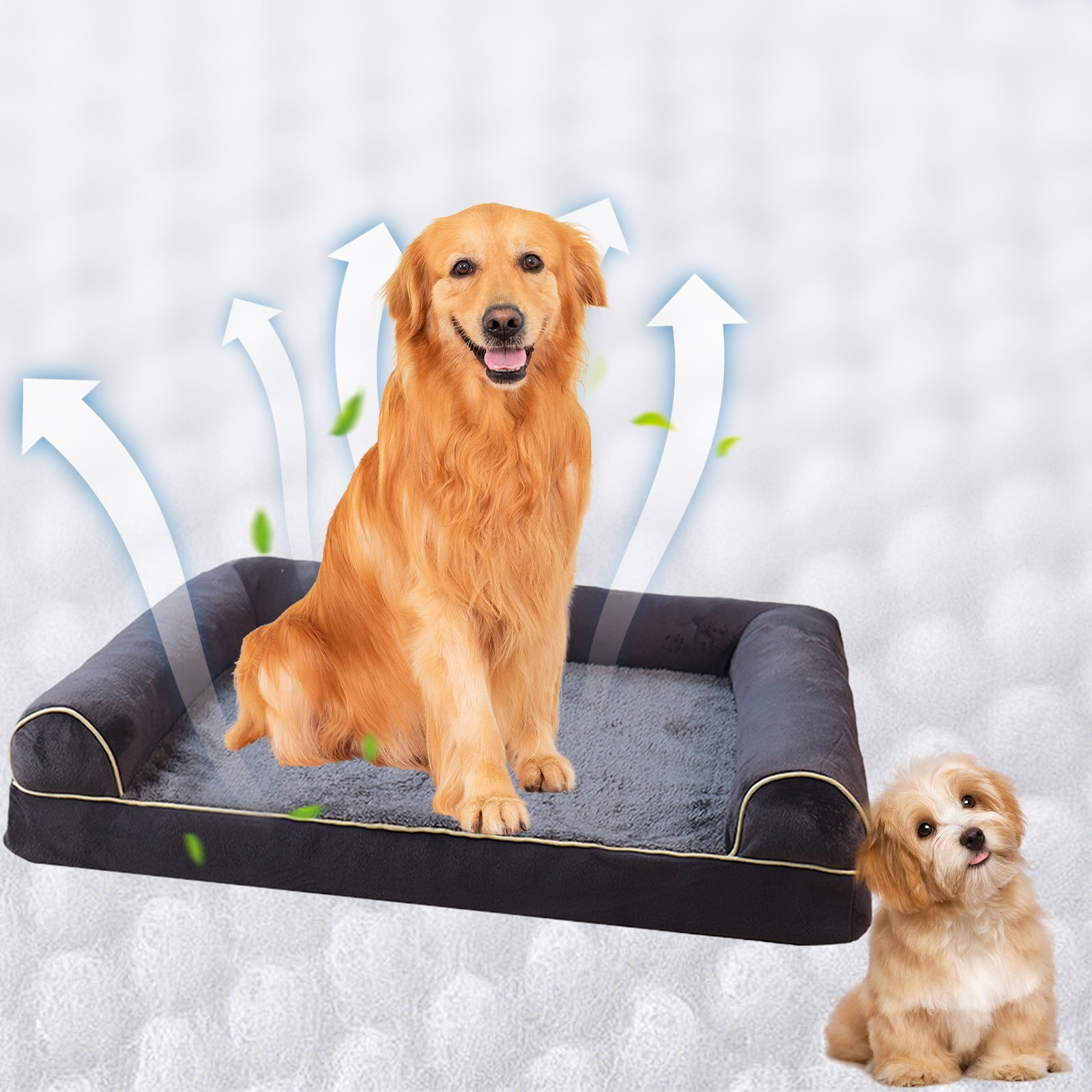
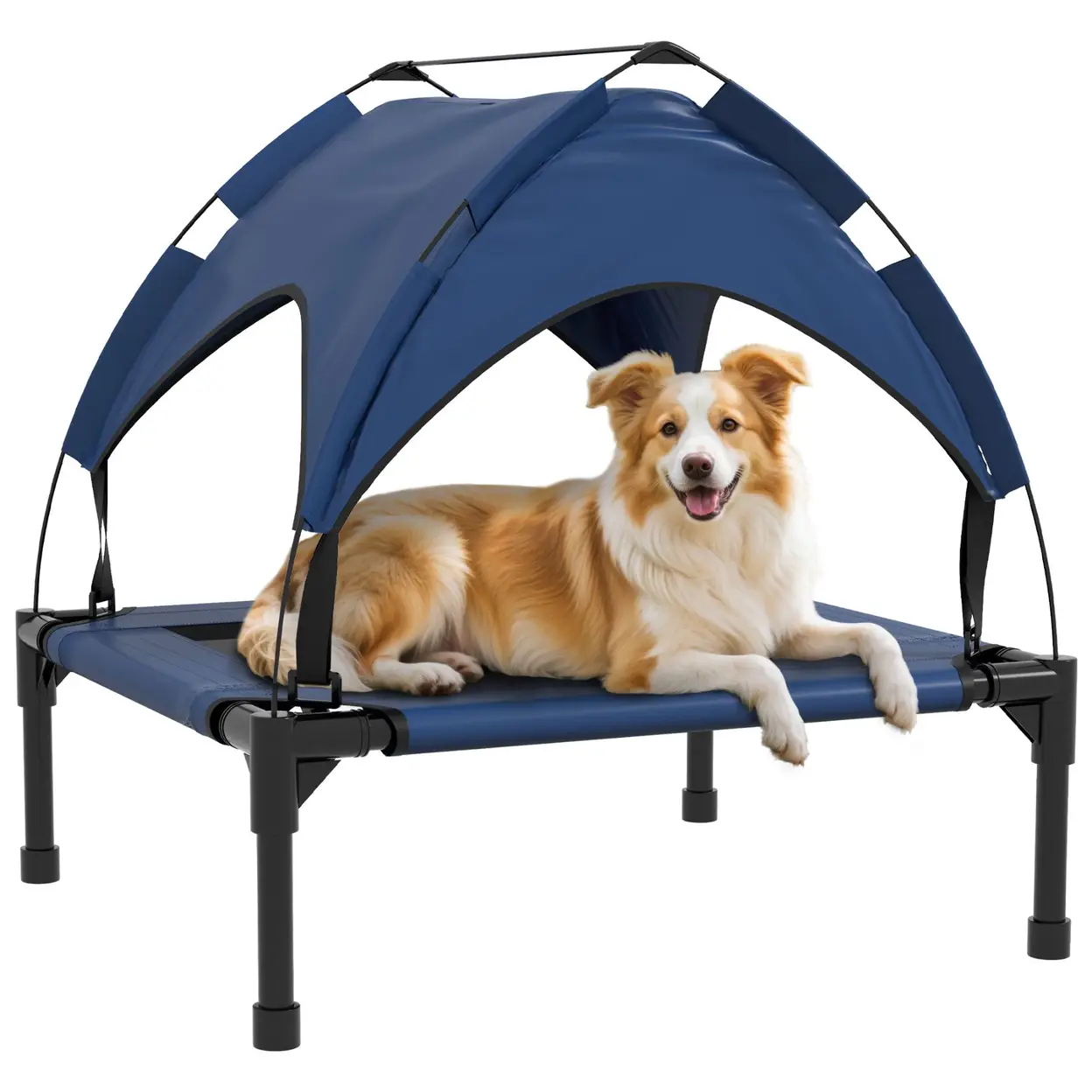
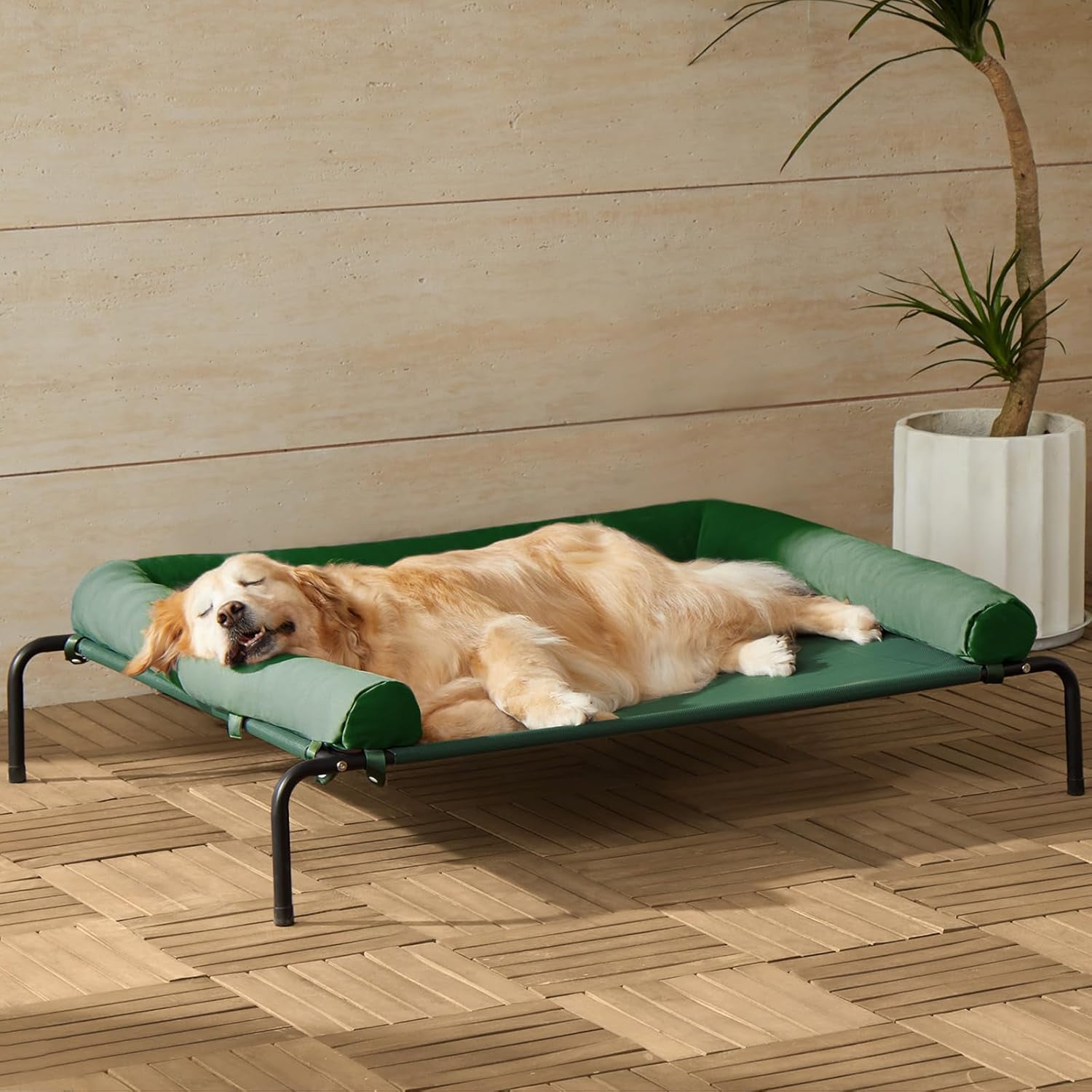
A raised cot has a fabric mesh surface held above the floor by a frame. Air can move under the dog, which helps heat leave the body.
Cots are often a good choice for large dogs, heavy dogs, and dogs that dislike gel. They also keep a dog off hot ground. However, a cot is not automatically cool in direct sun. Place it in shade and add air flow.
Water-filled beds
These beds use water as the cooling material. Water can absorb heat well, but the bed may be heavy when filled. A leak can also damage floors, rugs, or car interiors.
A water bed may suit a calm dog that does not scratch or chew. It is less suitable for a puppy that treats every soft item as a toy.
Ice or frozen inserts
Some beds use frozen packs or ice inserts. These can provide strong cooling, but they may become too cold for direct, long-term contact. Use the maker’s directions. Do not place bare ice directly against your dog’s skin.

The best cooling bed by dog and home
Your dog’s size, habits, health, and sleeping area should guide the choice.
| Dog or setting | Best starting choice | Why | Main concern |
|---|---|---|---|
| Healthy adult dog indoors | Gel mat | Easy to use and move | Chewing or punctures |
| Large or heavy dog | Raised mesh cot | Strong support and air flow | Frame and fabric strength |
| Puppy | Supervised gel mat or cot | Easy to clean | Chewing and accidents |
| Strong chewer | Raised cot with a durable frame | No gel to puncture | Fabric damage |
| Dog that sleeps outdoors | Raised cot in deep shade | Keeps body off hot ground | Sun can heat the cot |
| Senior dog with stiff joints | Padded cooling mat or low-entry cot | Easier access and softer support | Slippery surfaces |
| Long-haired dog | Gel mat or mesh cot | Helps heat leave the coat and body | Coat still needs grooming |
| Dog that dislikes new items | Familiar bed with a cooling layer | More likely to use it | Heat may not leave as well |
| Travel or car use | Foldable gel mat | Light and portable | Never leave the dog in a parked car |
These are starting points, not medical rules. A dog with heart disease, breathing trouble, obesity, or a thick coat may overheat more easily. Ask your veterinarian for a warm-weather plan if your dog has a condition that affects heat control.

How to choose the right size
Your dog should be able to lie on the bed with the head and legs inside the cooling area. Measure from the nose to the base of the tail while your dog is lying down. Add extra space so the dog can stretch and turn.
A bed that is too small may cool only part of the body. It may also cause the dog to lie partly on a warm floor. A bed that is too large can still work, but it may cost more and take up more space.
Check the maker’s size chart. Weight ranges can help, but body length and sleeping style matter more. A long dog may need a larger bed even if the dog is not heavy.
For a raised cot, also check:
- The maximum weight limit
- The height of the frame
- The width of the legs
- The size of the mesh openings
- Whether the frame can tip or slide
Gel mat or raised cot: Which is better?
A gel mat is usually better for portability and ease. You can move it from a crate to a bedroom or take it on a trip. It has no frame and needs little setup.
A raised cot is usually better for air flow, large dogs, and outdoor use. It also avoids direct contact with hot concrete, asphalt, or soil. A cot can be harder to carry, and some dogs need time to learn how to step onto it.
Use this simple rule:
- Pick a gel mat for a calm dog that rests indoors.
- Pick a raised cot for a large dog, a warm patio, or a dog that damages soft mats.
- Pick a hybrid setup when needed: a sturdy cot in shade with a thin cooling pad on top.
Do not cover a mesh cot with a thick blanket in hot weather. The blanket can block air flow and hold heat against the body.

Safety: How to use a cooling bed correctly
A cooling bed helps with comfort. It does not prevent or treat heatstroke.
Keep these basics in place:
- Provide fresh drinking water.
- Give your dog shade or a cool indoor area.
- Improve air flow with a fan when safe.
- Avoid hot pavement during the hottest part of the day.
- Check the bed often for damage.
- Watch your dog instead of relying only on the product.
- Bring the dog inside if the area becomes hot or humid.
The American Veterinary Medical Association warns that dogs can develop heat illness during hot weather, especially when left in vehicles or exposed to high heat without enough cooling. A parked car can become dangerous very quickly, even when the windows are partly open.
Signs of possible heatstroke include:
- Heavy or unusual panting
- Excessive drooling
- Weakness or collapse
- Vomiting or diarrhea
- Confusion or poor balance
- Seizures
- Very red, pale, or blue gums
If these signs appear, move the dog to a cooler place and contact a veterinarian or emergency animal hospital at once. Do not wait to see whether the cooling bed solves the problem. Do not force water into a weak or confused dog.

Are cooling mats safe for puppies and chewers?
A cooling mat is not a good unsupervised choice for a dog that bites, tears, or eats fabric. Even a product labeled non-toxic can cause trouble if a dog swallows pieces of the cover or inner material.
Introduce the bed while you are present. Reward calm use. Remove the bed if your dog scratches hard, chews the edge, or opens a seam.
Inspect the mat before each use. Look for:
- Tooth marks
- Open seams
- Wet spots
- A change in shape
- A hard lump or thin area
- Loose fabric or zipper parts
For a persistent chewer, a strong raised cot may be safer than a soft gel mat. It still needs inspection. A determined dog can damage mesh, plastic, or metal parts.
If your dog swallows gel, fabric, foam, or plastic, call your veterinarian or the ASPCA Animal Poison Control Center at 888-426-4435. Have the product package nearby so you can provide the ingredients and brand details.

What features matter most?
Focus on function rather than color or marketing claims.
Washable materials
Dogs bring dirt, fur, drool, and outdoor debris to their beds. A removable cover or wipe-clean surface makes regular care easier.
A non-slip base
A bed that slides may frighten a dog or create a fall risk. This matters more for senior dogs and dogs with weak legs.
Strong seams
The seams often fail before the main surface. Look for reinforced edges and a cover that stays closed.
Easy storage
Some gel mats should rest flat or in a cool place between uses. Follow the maker’s storage rules. Do not fold a mat if the instructions say not to.
No need for power
A non-electric mat avoids cords and reduces setup. A fan can help cool the room, but keep cords away from dogs that chew.
A return policy
Some dogs will not use a new bed. A clear return policy can reduce waste, but read the terms before buying.
A label such as “non-toxic” does not prove that a product cannot cause harm if swallowed. It also does not prove that the bed will stay cool for a set number of hours in every room or climate.
How to keep a cooling bed clean
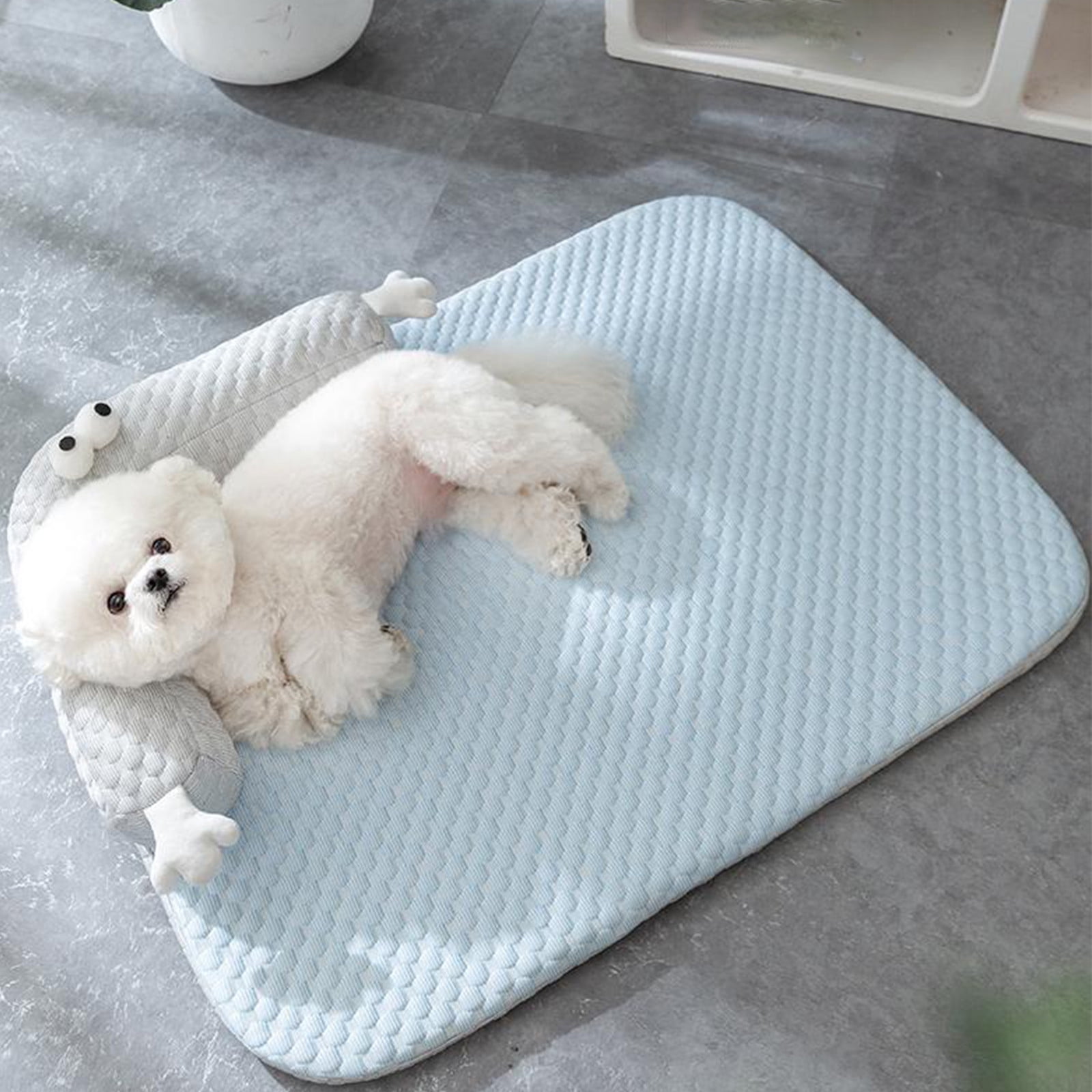
Clean the bed based on the maker’s instructions. In general, wipe the surface with mild soap and water, then rinse away soap residue. Let the bed dry fully before use.
Do not use bleach, solvents, or strong cleaners unless the instructions allow them. These products may damage the surface or leave residue that irritates the skin.
Wash removable covers on a regular schedule. Clean the bed sooner after accidents, mud, or heavy drool. Check for mold or odor in any bed that holds water.
Do not leave a gel mat in a hot vehicle. High heat may damage some materials. Store it in a cool, dry place away from sharp objects.
For a raised cot, clean the frame and inspect each connection. Tighten loose parts if the maker permits it. Replace the cot if the fabric sags badly, the frame bends, or the legs become unstable.
Common mistakes to avoid
Buying by weight alone
Weight does not show how much space a dog needs. Measure the dog while stretched out.
Putting the bed in full sun
A cooling bed can become hot in direct sun. Use shade, especially on patios, decks, and balconies.
Leaving a damaged mat in use
A small tear can grow. Remove the bed as soon as you find damage.
Treating a cooling bed as air conditioning
A mat cannot cool the whole body as well as a cool room can. Use it with shade, water, and good air flow.
Using a cold bed on a dog that cannot move away
Dogs should be able to leave the bed. This is especially important for puppies, senior dogs, and dogs with limited movement.
Ignoring humidity
Dogs cool themselves mainly by panting. High humidity can make panting less effective. A bed may feel cool while the dog still struggles in a hot, damp room.
Relying on product claims
“Self-cooling,” “ice-cold,” and similar terms are marketing language unless the maker explains the test method. Compare the material, size, care rules, warranty, and safety limits instead.
How to test a new cooling bed at home
Start in a cool room while you can watch your dog.
- Put the bed near your dog’s usual sleeping place.
- Let your dog sniff it without pressure.
- Place a familiar toy or blanket nearby, not over the cooling surface.
- Reward calm contact.
- Watch for chewing, scratching, slipping, or fear.
- Check the dog’s body position and comfort.
- Remove the bed if the dog will not leave it, seems distressed, or damages it.
A successful setup is simple: your dog chooses to use the bed, can leave it easily, and shows no signs of damage or discomfort.
If your dog avoids the bed, try a different surface. Some dogs dislike the feel of gel or mesh. A thin, breathable cover may help, but do not add thick padding that traps heat.

Best cooling bed buying checklist
Before you buy, ask:
- Can my dog stretch out fully?
- Is the bed made for my dog’s weight?
- Will my dog chew or scratch it?
- Can I wash or wipe the surface?
- Does it have a stable, non-slip base?
- Can my dog get on and off easily?
- Will I use it indoors, outdoors, or in a car?
- Can I keep it in shade?
- What happens if the product leaks or breaks?
- Does the maker provide clear care instructions?
For most homes, a quality gel mat is the practical first choice. For large dogs, outdoor rest, or dogs that damage soft products, a raised mesh cot is often the better long-term choice.
Frequently asked questions
Do cooling beds really work for dogs?
They can reduce heat where the dog’s body touches the bed. Their effect depends on the room, the dog, the material, and air flow. They do not cool the whole environment and cannot replace shade, water, or veterinary treatment.
Can a dog sleep on a cooling mat all night?
A healthy dog may sleep on one if the mat is in good condition and the dog can move away. Follow the maker’s instructions. Check the dog and the mat more often if your dog is young, old, ill, or unable to move well.
Are gel cooling mats better than water beds?
Gel mats are usually easier to carry and maintain. Water beds may offer strong cooling but can leak and become heavy. The better choice depends on your dog’s habits and your ability to check the bed.
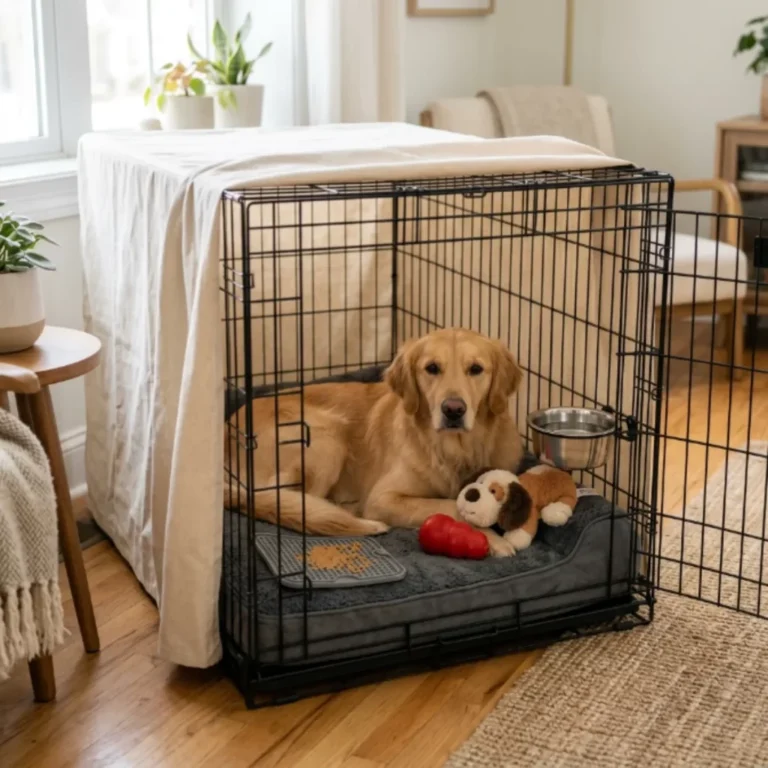
Should I put a cooling bed in a crate?
You can use one in a crate if it fits without blocking the door, air flow, or the dog’s ability to turn. Do not use it if your dog chews it while alone. A crate should remain a cool, safe rest area, not a place to confine a dog in heat.
Can a cooling bed prevent heatstroke?
No. A cooling bed may improve comfort, but it cannot prevent heatstroke in a hot car, direct sun, or a poorly ventilated space. Watch for heat illness and seek urgent veterinary help when signs appear.
Conclusion: The best choice for most dogs
The best cooling bed for dogs is usually a well-sized, washable gel mat used in a shaded, cool area. It is simple, portable, and needs no power.
Choose a raised mesh cot when air flow, outdoor use, large size, or chewing is the main concern. Whatever style you choose, inspect it often and give your dog water, shade, and a way to leave the bed.
Before buying, measure your dog, assess chewing habits, and decide where the bed will be used. That short check will lead to a safer choice than any “best” label alone.

Pet Care Writer & Researcher
Daniel writes practical guides on daily care, feeding, and safety, turning complex topics into simple, actionable advice.