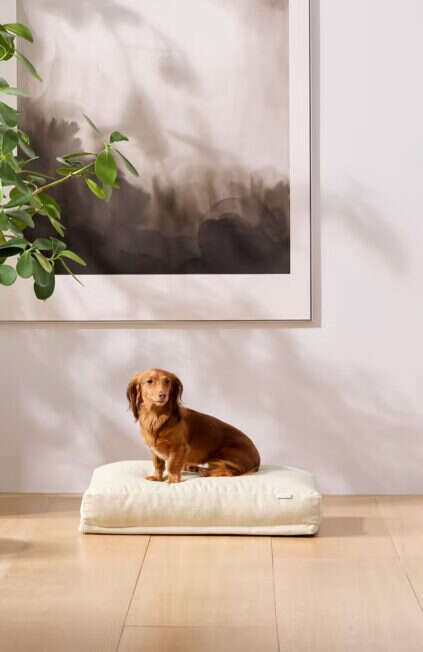
How To Keep Bed Clean With Dogs: Easy Cleaning Tips
Learn how to keep bed clean with dogs using simple washing, grooming, and bedding tips for a fresher, healthier sleep space.
Dogs bring comfort, warmth, and plenty of hair to American homes. If your dog sleeps on your bed, you can keep the space clean with a simple routine: use washable layers, brush your dog often, wash bedding on a set schedule, and clean accidents at once.
The goal is not to make your bed germ-free. That is not realistic. The goal is to reduce hair, dirt, odors, allergens, stains, and the spread of germs while keeping your dog comfortable.

The Best Routine for a Clean Bed With Dogs
The easiest system has three parts:
- Protect the mattress with a waterproof, washable mattress cover.
- Add a washable top layer where your dog sleeps.
- Clean on a schedule instead of waiting for visible dirt or odor.
For many U.S. households, this routine works well:
| Item | Suggested cleaning schedule | Why it helps |
|---|---|---|
| Dog blanket or bed cover | Every 3–7 days | Catches hair, dirt, and body oils |
| Sheets and pillowcases | Weekly | Removes skin flakes, oils, and allergens |
| Waterproof mattress protector | Every 2–4 weeks | Limits stains and moisture |
| Comforter or duvet cover | Every 1–2 weeks | Reduces odor and trapped hair |
| Mattress surface | Vacuum monthly | Removes hair and dust |
| Dog grooming tools | Clean weekly or as needed | Prevents dirt from returning to the bed |
Wash items more often if your dog has allergies, heavy shedding, diarrhea, a skin problem, or frequent outdoor exposure.
The Centers for Disease Control and Prevention (CDC) recommends regular handwashing and routine pet hygiene because animals can carry germs even when they look healthy. Good bed hygiene supports those broader habits, but it does not replace veterinary care or handwashing.

Step-by-Step: How to Keep Your Bed Clean
Follow this order. It keeps cleaning simple and prevents you from spreading dirt around the room.
1. Use a washable dog blanket
Place a dedicated blanket where your dog sleeps. Choose one that fits inside your washing machine and dryer.
A blanket acts as a barrier between your dog and your sheets. It also makes daily upkeep faster. Shake the blanket outdoors when practical, then wash it when it smells, feels oily, or looks dirty.
Avoid blankets with loose threads, tassels, or small parts if your dog chews fabric.
2. Add a waterproof mattress protector
A waterproof protector helps block urine, drool, wet fur, and spilled water. Choose one that fits securely and does not make loud crinkling sounds if your dog is sensitive to noise.
A protector does not make the mattress waterproof forever. Check the care label. Some protectors lose their water resistance when washed with bleach, fabric softener, or high heat.
Use a second protector if you want a clean replacement ready while the first one is in the wash.
3. Wash bedding with the warmest safe setting
Check the care label first. Then use the warmest water temperature that the fabric allows.
Use a normal laundry detergent. Measure it according to the product label. Too much detergent can leave residue that traps odor and irritates sensitive skin.
If bedding has vomit, feces, urine, or other body fluids:
- Remove solid material with paper towels.
- Place waste in a sealed trash bag.
- Rinse or pre-treat the stain as the fabric allows.
- Wash the item separately from delicate clothing.
- Dry it fully before putting it back on the bed.
- Wash your hands after handling the soiled item.
Do not mix bleach with ammonia, vinegar, or other cleaners. Dangerous fumes can form.
4. Vacuum hair before washing when needed
Large amounts of pet hair can clog some washing machines and reduce cleaning performance.
Before washing, remove loose hair with:
- A vacuum hose
- A lint roller
- A rubber glove
- A damp microfiber cloth
- A pet-hair removal brush
For heavy shedders, vacuum the blanket outdoors or over a washable surface before placing it in the washer.
5. Dry every layer completely
Damp bedding can develop a musty smell and may encourage mold growth. Dry blankets, sheets, and protectors fully before use.
If a fabric cannot go in the dryer, hang it in a dry, well-ventilated place. Do not put damp bedding back on the mattress.
6. Vacuum the mattress surface
Remove all bedding first. Use a vacuum attachment to clean the mattress surface, seams, and edges.
Do not soak a mattress. Moisture can move deep into the foam or padding, where it may be difficult to dry.
For odor, air the mattress in a dry room. If a stain reaches the mattress, use as little moisture as possible and follow the mattress maker’s care instructions.

Choose Bedding That Can Handle Dog Hair and Messes
The best bedding for dog owners is washable, durable, and easy to replace. Appearance matters less than care needs.
Good choices
- Cotton sheets that tolerate regular washing
- Tightly woven fabrics
- Machine-washable blankets
- Duvet covers that can be removed
- Mattress protectors with a fitted design
- Dark or patterned fabrics that hide small amounts of hair
Fabrics that may need more care
- Velvet can hold hair.
- Loose knits can catch claws.
- Silk may require special cleaning.
- Thick quilts can take a long time to dry.
- Waterproof fabrics can trap heat or make noise.
For dogs that shed heavily, a tightly woven cotton cover is often easier to maintain than a fuzzy or loosely woven fabric.
For dogs that drool, use a washable absorbent layer on top of the waterproof protector. Replace it when it feels damp. Letting moisture sit against fabric can create odor and skin irritation.
For puppies or older dogs, use two waterproof layers with a sheet or blanket between them. If an accident occurs, remove the top layer and keep the second layer in place.
Groom Your Dog Before Bedtime
A clean bed starts with a cleaner dog. Grooming reduces the amount of hair, dirt, and outdoor debris that reaches the sheets.
Brush your dog based on its coat type. Short-haired dogs may need less brushing than dogs with thick or long coats. Ask a professional groomer or veterinarian if you are unsure about the right brush or schedule.
Before bed, check your dog’s:
- Paws
- Fur around the tail
- Belly
- Ears
- Coat for burrs or visible debris
Wipe muddy paws with a clean, damp cloth. Do not use household disinfectant wipes on your dog unless the label specifically says the product is made for animals and your veterinarian approves its use.
Routine baths can help, but too many baths may dry the skin. Use a dog shampoo made for canine skin. Human shampoo can have a different pH and may cause irritation.
Flea and tick prevention also matters. A dog with fleas can leave flea dirt, eggs, or live fleas in bedding. The Environmental Protection Agency (EPA) provides information about pet products and safe use. Your veterinarian can recommend a product based on your dog’s age, weight, health, and region.

Clean Dog Urine, Vomit, and Mud From the Bed
Fast action gives you the best chance of removing stains and odor.
For urine
- Remove the bedding as soon as possible.
- Blot liquid with paper towels. Do not rub the spot.
- Wash removable fabric according to its care label.
- Use an enzymatic pet stain cleaner if the product is safe for that fabric.
- Let the item dry fully.
- Check for odor before returning it to the bed.
Enzyme cleaners can break down some organic compounds that cause pet odor. Follow the label. Do not assume that every cleaner is safe for wool, silk, leather, foam, or colored fabric.
If urine reaches the mattress, blot first. Use a small amount of cleaner. Avoid saturating the mattress. Repeated accidents may require professional upholstery or mattress cleaning.
For vomit or feces
Wear disposable gloves if available. Remove solid material with paper towels and seal it in a trash bag.
Wash the bedding separately. Use the warmest safe cycle and dry the item completely. Clean the surrounding floor or furniture as needed.
The CDC advises people to wash their hands after contact with pet waste. Children, older adults, pregnant people, and people with weakened immune systems should take extra care around animal waste.
For mud
Let heavy mud dry if possible. Brush or vacuum off the dry dirt before washing. Rinsing a large amount of mud directly into a washer can overload the machine and spread grit.

Reduce Hair, Allergens, and Odors
No cleaning plan removes every dog allergen. Dog allergens come mainly from skin flakes, saliva, and urine proteins. Hair can carry these allergens, but hair itself is not the only source.
If someone in the home has dog allergies:
- Keep the dog out of the bedroom if possible.
- Use a washable mattress protector.
- Wash sheets weekly or more often.
- Vacuum with a machine that has good filtration.
- Wash hands after petting the dog.
- Keep the bedroom well ventilated.
- Ask a health professional about ongoing symptoms.
Do not rely on fragrance sprays to solve odor. Sprays may cover a smell for a short time without removing the source. Some fragrances can also bother people or pets with sensitive airways.
For general odor control, wash bedding, clean the dog’s blanket, dry all fabrics fully, and inspect the mattress protector. If odor returns quickly, look for a hidden accident, damp fabric, a skin problem, or a dental issue.
A strong or unusual odor from the dog itself may need veterinary attention. Skin infections, ear problems, dental disease, and anal gland problems can all create odor.

Know When Your Dog Should Stay Off the Bed
Keeping a dog off the bed is wise when the animal is sick, has parasites, or cannot control its bladder or bowels.
Use a separate washable dog bed when your dog has:
- Diarrhea or repeated vomiting
- A contagious skin condition
- Fleas or another external parasite
- Open wounds or draining sores
- A recent surgery
- Heavy dirt, grease, or chemicals on the coat
- A temporary urinary problem
Follow your veterinarian’s instructions for skin disease, parasites, surgery, and infectious illness. Wash bedding more often when your dog is recovering from illness, but do not use harsh chemicals on fabric that may touch the dog unless the product label allows that use.
If your dog came into contact with a household chemical, call your veterinarian or the ASPCA Animal Poison Control Center in the United States. Do not wait for bedding cleanup before seeking help.
A separate dog bed does not have to feel like punishment. Put it beside your bed, add a familiar blanket, and reward calm behavior there.

Common Mistakes That Make Dog Bedding Dirtier
Several habits make cleaning harder.
Washing without removing hair
Hair can collect in the washer drain or stick to other fabrics. Remove large amounts first.
Using too much detergent
Extra detergent does not always mean cleaner bedding. It may leave a film that traps odor and irritates skin.
Using fabric softener on absorbent items
Fabric softener can reduce absorbency in some fabrics. It may also leave fragrance or residue. Use it only if the fabric and product instructions support it.
Spraying disinfectant on the mattress
Disinfectants are not a substitute for washing. Many products are not meant for mattresses, bedding, or animal contact. Read the EPA registration and product label before use.
Mixing cleaning products
Never mix bleach with ammonia, vinegar, or other cleaners. Use one product at a time and follow the label.
Putting damp bedding back on the bed
Even slight dampness can create a musty smell. Dry every layer completely.
Ignoring the dog’s health
Repeated bed stains, strong odor, itching, or sudden shedding may signal a health problem. Cleaning helps the symptom, but it may not fix the cause.

How Often Should You Wash Bedding if Your Dog Sleeps With You?
Wash sheets and pillowcases at least once a week as a practical starting point. Wash them more often if your dog sheds heavily, spends a lot of time outdoors, drools, has allergies, or sleeps directly on the sheets.
Wash the dog’s blanket every three to seven days, or sooner when it is visibly dirty or smells.
A useful rule is simple:
- Clean bedding weekly
- Clean dog bedding several times per week
- Clean accidents immediately
- Clean the mattress protector on a regular schedule
- Groom and check the dog before bed
Your dog’s habits should set the final schedule. A clean indoor dog with little shedding may need less frequent washing than a muddy, long-haired dog that sleeps on top of the covers.
Frequently Asked Questions
Can I let my dog sleep on my bed every night?
Yes, many people do. The decision depends on allergies, sleep quality, behavior, hygiene, and health. Keep your dog off the bed if a veterinarian advises it or if the dog has parasites, a contagious illness, or poor bladder and bowel control.
What is the best material for a dog-friendly bed?
A washable, tightly woven fabric is usually the easiest choice. Cotton and durable synthetic blends can work well. The best material is one that fits your washer, dries fully, and does not trap too much hair.
How do I get dog smell out of bedding?
Wash the bedding with the warmest safe setting, use the correct amount of detergent, and dry it fully. An enzymatic cleaner may help with urine or other organic stains when the product is safe for the fabric. If odor returns, inspect the mattress and your dog’s skin, ears, mouth, and bedding.
Should I use bleach on dog bedding?
Only if the care label and product label allow it. Diluted bleach can damage fabric and may leave harmful residue if used incorrectly. Never mix bleach with other cleaners. Wash and rinse items well, then dry them fully.
How can I keep dog hair off my sheets?
Use a washable dog blanket, brush your dog regularly, and remove loose hair before washing. A fitted top sheet or duvet cover can also reduce the area that collects hair.
When should I call a veterinarian?
Call a veterinarian if your dog has repeated accidents, diarrhea, vomiting, severe itching, hair loss, skin sores, fleas, a strong new odor, or signs of pain. Cleaning the bed will not resolve an untreated medical problem.
Key Takeaways
- Use a waterproof mattress protector and a washable dog blanket.
- Wash sheets weekly and dog bedding every three to seven days.
- Remove loose hair before washing.
- Clean urine, vomit, feces, and mud as soon as possible.
- Dry every layer completely.
- Keep sick dogs, dogs with parasites, and dogs with open wounds off the bed.
- Ask a veterinarian about repeated accidents, itching, odor, or skin changes.
Conclusion
The most reliable way to keep a bed clean with dogs is to create layers that are easy to remove and wash. A mattress protector, washable blanket, regular grooming, and prompt accident cleanup can prevent most common problems.
Start tonight by adding one washable blanket where your dog sleeps. Then set a weekly laundry day and adjust the plan to match your dog’s coat, health, and outdoor habits.

Pet Care Writer & Researcher
Daniel writes practical guides on daily care, feeding, and safety, turning complex topics into simple, actionable advice.