Is Large Breed Dog Food Necessary: The Truth
Is large breed dog food necessary? Learn how specialized nutrition supports healthy growth, joints, weight, and overall wellness in big dogs.
Introduction
For dog owners in the United States, large-breed dog food is not always necessary, but it can be very useful in the right situation. The biggest difference is age: a large-breed puppy often needs a carefully balanced growth diet, while a healthy adult dog may do well on any complete and balanced food that matches its life stage and calorie needs.
The phrase “large breed” on a bag does not create a legal guarantee of better food or better joint health. What matters more is the nutritional adequacy statement, calorie level, portion size, ingredient quality, and your dog’s health.
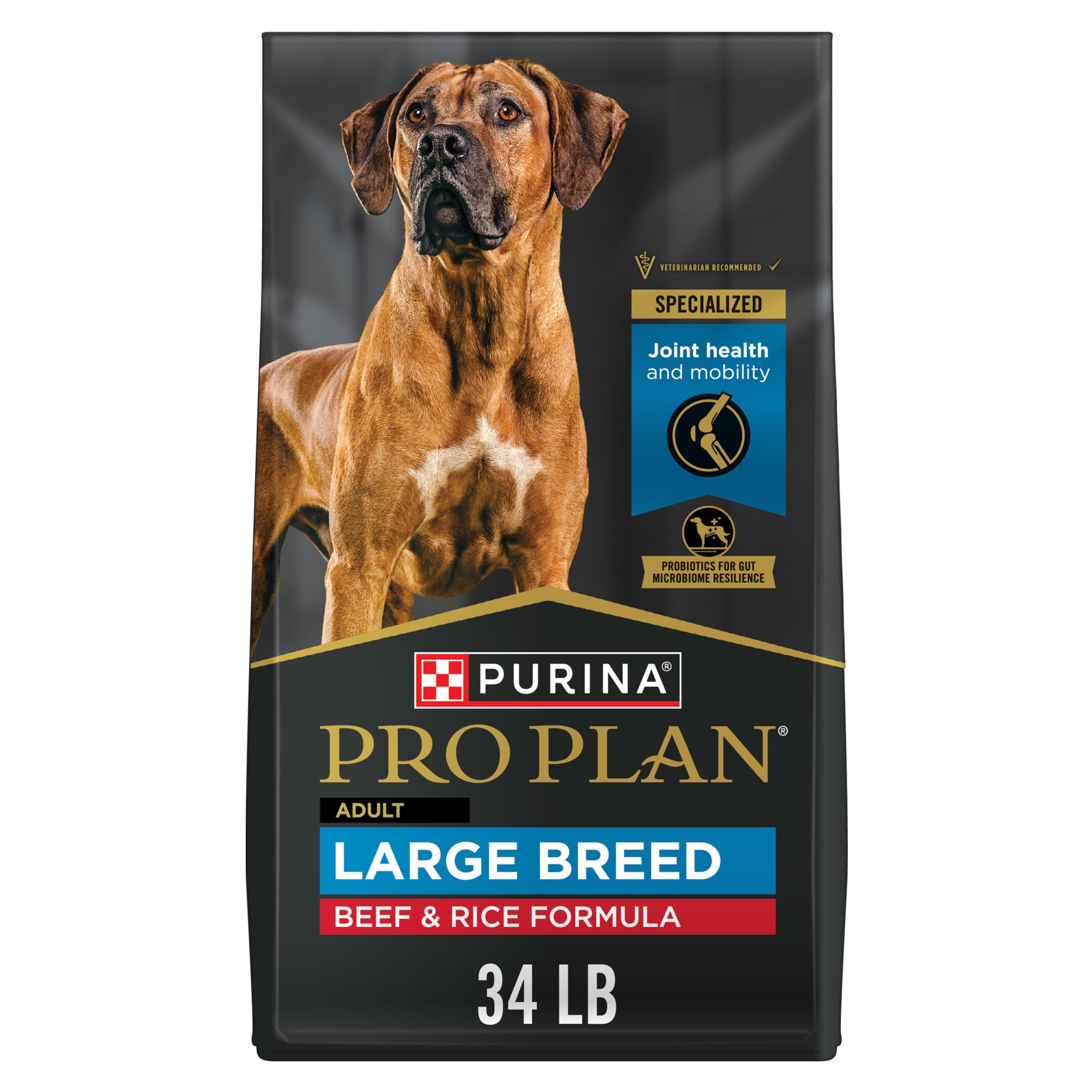
What counts as a large-breed dog?
A large-breed dog is usually expected to weigh about 50 pounds or more as an adult. Some food companies use 50 pounds as the cutoff, while others use 60 or 70 pounds.
The Association of American Feed Control Officials (AAFCO) uses a specific standard for growth diets. Its label language may refer to food intended for “growth of large size dogs,” with large size defined as an expected adult weight of at least 70 pounds.
This means the term can have two meanings:
- Marketing meaning: A food made for dogs that may weigh 50 pounds or more.
- Nutritional label meaning: A food that meets growth requirements for dogs expected to reach at least 70 pounds.
Breeds often considered large or giant include:
- Labrador Retrievers
- Golden Retrievers
- German Shepherd Dogs
- Rottweilers
- Doberman Pinschers
- Great Danes
- Mastiffs
- Newfoundlands
- Bernese Mountain Dogs
- Saint Bernards
Breed alone does not determine the best diet. A mixed-breed dog, a lean athlete, and a sedentary senior may all need different feeding plans even if they have a similar adult weight.
Is large-breed puppy food necessary?
Large-breed puppy food is often the safest and simplest choice for a puppy expected to weigh about 50 pounds or more. It helps control calories and provides the right balance of minerals for steady bone growth.
Large puppies grow quickly, but faster growth is not better. Too much energy can cause a puppy to gain weight too fast. Excess body weight adds stress to developing bones and joints.
Large-breed puppy diets are generally designed to manage three key issues:
1. Controlled calories
A puppy needs enough energy to grow, but excess calories can lead to rapid weight gain. Large-breed puppy food often has a lower calorie density than some standard puppy foods.
This does not mean the food is weak or lacking. It means the puppy receives nutrients without as many excess calories per cup.
2. Balanced calcium and phosphorus
Calcium and phosphorus help build bones. The balance and total amount matter more than simply adding more calcium.
Large-breed puppies can be harmed by excessive calcium, especially when owners add calcium powders, bone meal, dairy products, or mineral supplements to a complete diet. The Merck Veterinary Manual advises against supplementing a properly balanced puppy diet unless a veterinarian recommends it.
3. Nutrient density suited to growth
A large puppy needs protein, fat, vitamins, and minerals for development. However, more of every nutrient is not automatically better.
Look for an AAFCO nutritional adequacy statement that supports the food’s intended use. For a large-breed puppy, the statement should cover growth, including growth of large-size dogs when applicable.
Do adult large dogs need large-breed dog food?
Usually, no. An adult large dog does not strictly need food labeled “large breed” if it eats a complete and balanced adult diet and stays at a healthy weight.
Large-breed adult foods may still offer practical benefits. They may contain:
- Fewer calories per cup
- Larger kibble pieces
- Feeding directions for bigger dogs
- Nutrient levels suited to adult maintenance
- Added ingredients such as glucosamine or chondroitin
However, the label alone does not prove that the food will prevent arthritis, hip dysplasia, or other joint disease. Joint health depends on many factors, including genetics, body weight, exercise, injury history, and age.
The most important feeding goal for a large adult dog is often keeping the dog lean. The American Veterinary Medical Association identifies excess weight as a common health concern in pets. A lean body can reduce stress on the hips, knees, elbows, and spine.

What should you look for on a large-breed dog food label?
Start with the nutritional adequacy statement, not the front of the bag. Words such as “premium,” “natural,” or “joint support” do not tell you whether the food meets your dog’s basic nutrient needs.
Check these features:
A complete and balanced statement
For a healthy adult dog, look for food labeled as complete and balanced for adult maintenance or all life stages.
For a puppy, look for food labeled for growth. If the puppy may reach 70 pounds or more, choose a food whose statement includes growth of large-size dogs.
Avoid using a food labeled only for:
- Intermittent feeding
- Supplemental feeding
- Treats
- Snacks
- Veterinary use without professional direction
Calorie information
U.S. pet food labels should list calories as kilocalories per kilogram and usually per familiar unit, such as a cup.
Compare calories per cup when choosing between foods. A dog may need fewer cups of a high-calorie food than a low-calorie food.
A simple estimate is:
Daily calories = calories per cup × cups fed per day
This is only a starting point. Feeding charts are estimates, and individual dogs may need more or less.
The feeding trial or formulation statement
AAFCO allows manufacturers to support nutritional adequacy through nutrient profiles or feeding trials. A feeding-trial statement gives useful context, but it does not guarantee that the food is ideal for every dog.
A food can meet a standard and still fail to suit a particular dog’s digestion, allergies, activity level, or medical needs.
The manufacturer’s contact and quality information
Choose a company that can answer clear questions about:
- Who formulates the food
- Where the food is made
- Whether nutrient testing is performed
- How ingredients and finished products are checked
- Whether the company follows a recall and traceability system
The U.S. Food and Drug Administration regulates pet food in the United States. FDA rules address safety, labeling, and manufacturing, but FDA approval does not mean that every food is individually approved before sale.
Large-breed food versus regular dog food
The main difference is usually not that one food is “stronger” or “healthier.” The difference is how the formula manages the dog’s size, age, and calorie needs.
| Food type | Best use | Main benefit | Main caution |
|---|---|---|---|
| Large-breed puppy food | Puppies expected to become large adults | Controlled growth and calories | Do not add calcium without veterinary advice |
| Standard puppy food | Small- and medium-breed puppies | Supports general puppy growth | May not suit a large-breed puppy |
| Large-breed adult food | Big adult dogs needing portion or calorie support | Often lower in calorie density | The label does not guarantee joint protection |
| Standard adult food | Healthy adult dogs of many sizes | Can meet adult maintenance needs | Check calories and portion size |
| Weight-management food | Overweight or obesity-prone dogs | Helps reduce calorie intake | Use a veterinarian’s plan for significant weight loss |
| Veterinary diet | Dogs with diagnosed medical needs | Formulated for a specific condition | Use under veterinary guidance |
A standard adult food may be perfectly suitable for a 90-pound dog if the food is complete and balanced and the dog maintains a healthy body condition.

How much should a large dog eat?
Feed by body condition, not by the bowl alone. The feeding chart on a bag is a starting point, not a prescription.
A healthy dog should have:
- Ribs that can be felt with light pressure
- A visible waist when viewed from above
- An abdominal tuck when viewed from the side
- Enough muscle for normal movement and activity
If the ribs are difficult to feel, the dog may be carrying excess fat. If the ribs, spine, or hip bones are sharply visible, the dog may be too thin or losing muscle.
A practical feeding method
- Measure each meal with a standard measuring cup or kitchen scale.
- Count treats, chews, table food, and supplements.
- Weigh the dog regularly.
- Check body shape and rib feel.
- Adjust food in small steps if weight changes.
- Ask a veterinarian for help if weight does not respond as expected.
Avoid free-choice feeding for many large dogs. Leaving food out all day can make it difficult to track calories and may encourage weight gain.
Puppies need frequent monitoring because their calorie needs change as they grow. A large-breed puppy should not be pushed to reach its adult size faster.
Does large-breed food prevent hip dysplasia or arthritis?
No dog food can guarantee prevention of hip dysplasia or arthritis. A suitable diet may lower avoidable risks, especially rapid weight gain and excess body fat.
Hip dysplasia has a strong genetic component. Environmental factors, growth rate, body weight, and activity may also affect joint health.
Large-breed food may help by:
- Limiting excess calories
- Supporting steady puppy growth
- Providing balanced minerals
- Making portion control easier
- Offering a kibble size that some dogs find easier to chew
Ingredients such as glucosamine, chondroitin, omega-3 fatty acids, or green-lipped mussel are often used in joint-focused diets. Evidence differs by ingredient and product. Their presence does not replace weight control, exercise, veterinary care, or treatment for pain.
Do not give a growing puppy a joint supplement or calcium product unless a veterinarian recommends it. Supplements can change the nutrient balance of an otherwise complete diet.

When is a regular dog food acceptable?
A regular dog food may be reasonable when all of these conditions apply:
- The dog is an adult.
- The food is complete and balanced for adult maintenance.
- The dog remains at a healthy body condition.
- The dog has normal stool and good appetite.
- The dog has no medical condition requiring a special diet.
- The owner can measure portions consistently.
For a large adult dog, the word “large” on the bag is less important than the food’s calorie content and the dog’s response.
A regular food may not be the best choice when the dog gains weight easily, eats very large portions, has poor appetite control, or has a health problem involving the heart, kidneys, liver, digestive tract, or joints.
When should you ask a veterinarian?
Seek veterinary advice before changing food if your dog:
- Is a large-breed puppy with poor growth
- Has repeated vomiting or diarrhea
- Is losing weight without a clear reason
- Is gaining weight despite measured portions
- Has painful movement, limping, or stiffness
- Has a diagnosed allergy or chronic disease
- Is pregnant or nursing
- Takes regular medication
- Needs rapid weight loss
- Refuses food for more than a short period
A veterinarian can assess body condition, muscle mass, growth, dental health, and medical causes of weight change. For a puppy, the veterinarian can also track growth over time rather than relying only on an adult-weight estimate.
Do not switch food suddenly unless a veterinarian tells you to do so for an urgent reason. In most cases, change foods over about seven days by gradually increasing the new food and reducing the old food.

Common mistakes to avoid
Choosing by the word “premium”
Marketing terms do not replace the nutritional adequacy statement. Read the label details first.
Adding calcium to puppy food
A complete large-breed puppy food should already contain the needed calcium balance. Extra calcium can be harmful.
Feeding the same amount after every life change
A dog may need fewer calories after being spayed or neutered, becoming less active, or reaching adulthood.
Ignoring treats
Treats can add many calories. Keep them modest and include them in the daily total.
Assuming a big dog needs unlimited food
Large dogs need more calories than small dogs in total, but their calorie needs vary widely. A calm 100-pound dog may need fewer calories than a highly active 70-pound dog.
Trusting a breed picture on the bag
A photo of a Labrador or Great Dane does not prove that the formula is suitable for every dog of that breed.

Frequently asked questions
Is large-breed dog food better than regular dog food?
Not automatically. Large-breed food may make calorie control and portion planning easier, but a complete and balanced regular adult food can suit many healthy large dogs.
Can a large-breed puppy eat regular puppy food?
It may not be the best choice. Ask whether the label supports growth of large-size dogs. A food designed only for small or medium puppies may provide an unsuitable calorie or mineral profile for a large-breed puppy.
Do large dogs need bigger kibble?
Not always. Larger kibble may slow eating or be easier for some dogs to handle, but kibble size is not a nutritional requirement. A large dog can eat smaller kibble if it chews and digests it well.
Is grain-free food better for large dogs?
There is no general reason that large dogs need grain-free food. Grain-free diets are not automatically healthier, and owners should discuss a grain-free diet with a veterinarian before making the change. The FDA has investigated reports of canine dilated cardiomyopathy involving some diets, including diets with high proportions of peas, lentils, other legumes, or potatoes as major ingredients. The relationship is complex and has not been resolved as a simple cause-and-effect rule.
Should a large dog eat senior dog food?
Only if the food fits the dog’s age, health, and calorie needs. “Senior” is not a single regulated life-stage nutrient profile in the same way as growth or adult maintenance. A veterinarian can help decide whether a senior formula is useful.
Can large-breed food help a dog with joint pain?
It may help with calorie control, but it is not a treatment for joint pain. A painful dog needs veterinary assessment. Weight loss, exercise changes, medication, rehabilitation, or other treatment may be needed.
Bottom line
Large-breed dog food is most important for puppies expected to become large adults. Choose a food that supports growth of large-size dogs, control portions, and avoid unapproved calcium supplements.
For a healthy adult large dog, a special large-breed formula is optional. The best food is a complete and balanced diet that keeps the dog lean, supports normal digestion, and fits its life stage and health needs.
Check the AAFCO statement, compare calories, measure meals, and monitor body condition. If the dog is growing poorly, gaining too much weight, or showing pain, contact a U.S. veterinarian before changing the diet.
Sources
- FDA: Pet Food
- AAFCO: Official Publication and Pet Food Labeling Resources
- Merck Veterinary Manual: Feeding Puppies
- AVMA: Pet Obesity
- FDA: Investigation into Potential Link Between Certain Diets and Canine Dilated Cardiomyopathy

Pet Care Writer & Researcher
Daniel writes practical guides on daily care, feeding, and safety, turning complex topics into simple, actionable advice.