Why Do Dogs Bark In Their Sleep: Causes And What To Do
Learn why do dogs bark in their sleep, what it means and when to worry. Tips from vets to calm nighttime barks and improve your pup’s rest.
Dogs often bark in their sleep because they are dreaming and reacting to dream events.
I have worked with vets and dog trainers for years, and I’ve studied canine sleep closely. In this article I will explain why do dogs bark in their sleep, what it usually means, when to worry, and simple steps you can take. You’ll get clear, practical answers based on science and hands-on experience so you can care for your dog with confidence.
Why do dogs bark in their sleep: causes and overview
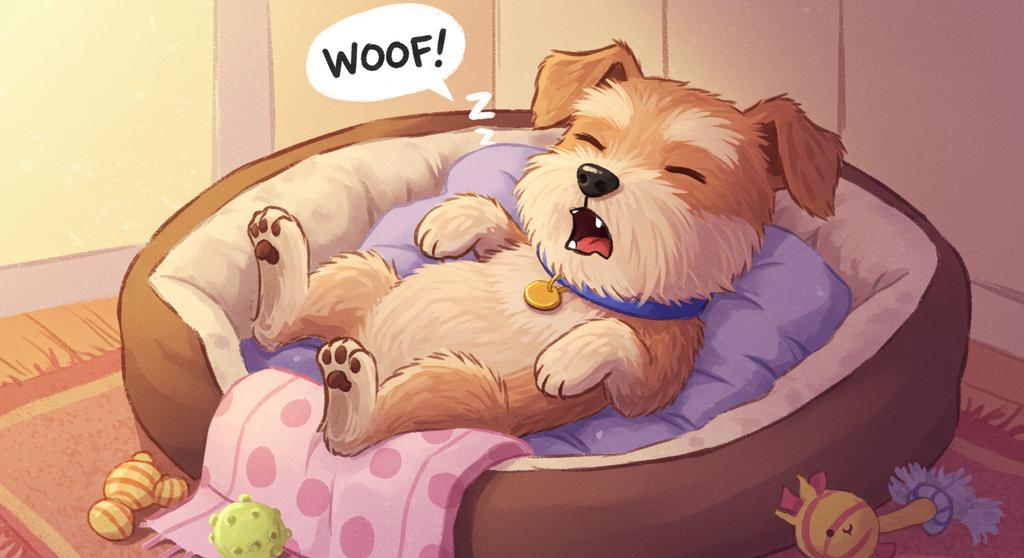
Many owners ask why do dogs bark in their sleep. The short answer is: sleep-stage brain activity and dreams trigger vocalizations. Dogs move, twitch, whine, and bark during REM sleep when their brains replay daytime experiences.
Key causes include:
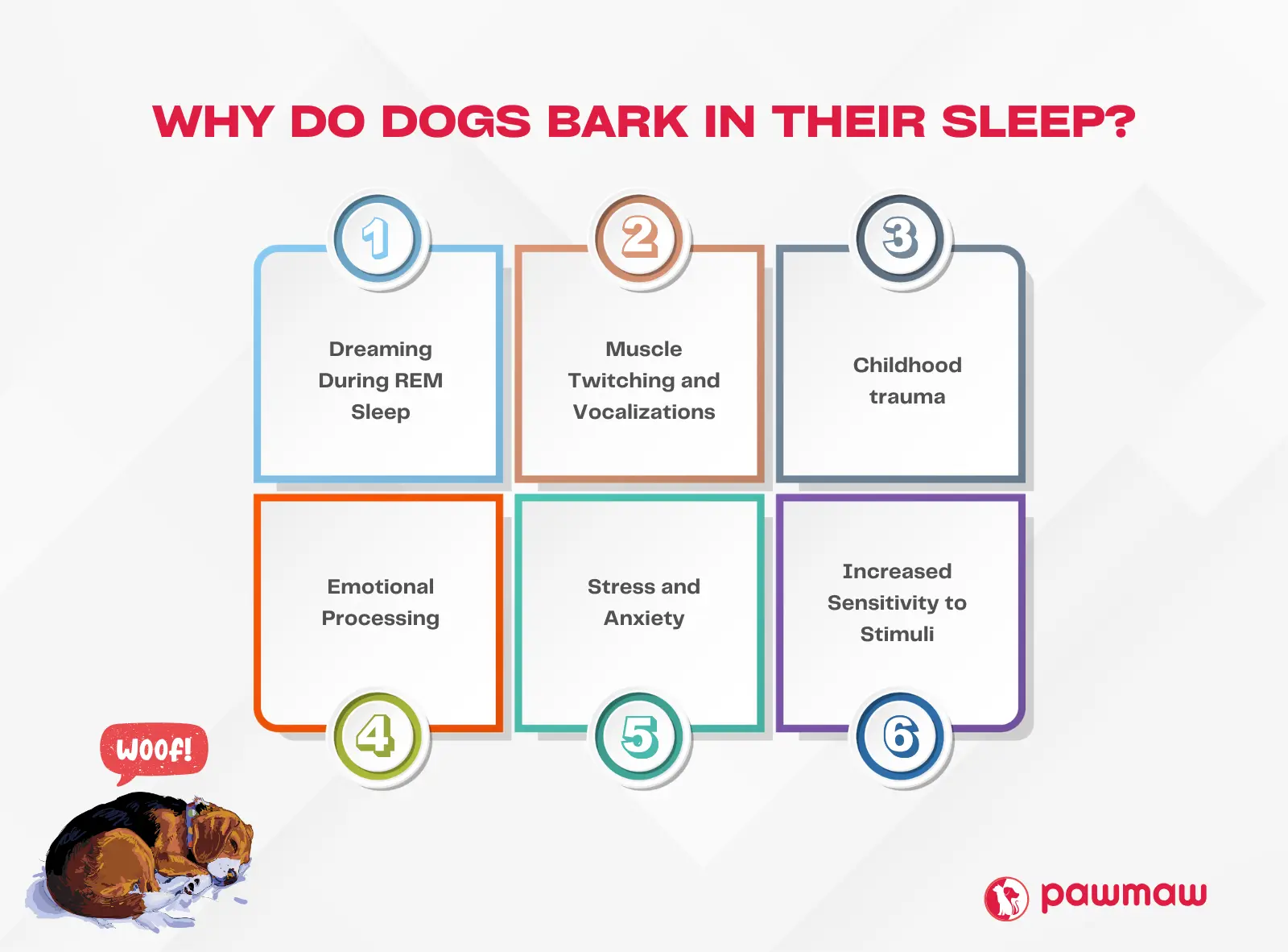
- Dreaming during REM sleep, which is similar to how humans replay memories.
- Muscle twitches and partial arousal that lead to sounds.
- Age, breed, and health factors that change sleep patterns.
Understanding why do dogs bark in their sleep helps you respond calmly. Most sleep barking is normal and harmless.
Dreaming, REM sleep, and brain activity
Dogs experience REM and non-REM sleep like humans. During REM, the brain is active and dreams occur. Brain waves during REM can cause muscle twitches, limb movement, and vocal sounds.
Why do dogs bark in their sleep during REM?
- Dreams can replay play or chase scenes, leading to barks or growls.
- Partial muscle activation can let sounds pass even when limbs are mostly relaxed.
- Puppies and senior dogs sometimes vocalize more because of brain development or age-related sleep changes.
These facts explain why vocalizations happen without full waking. The noise is the brain working through memories and instincts.
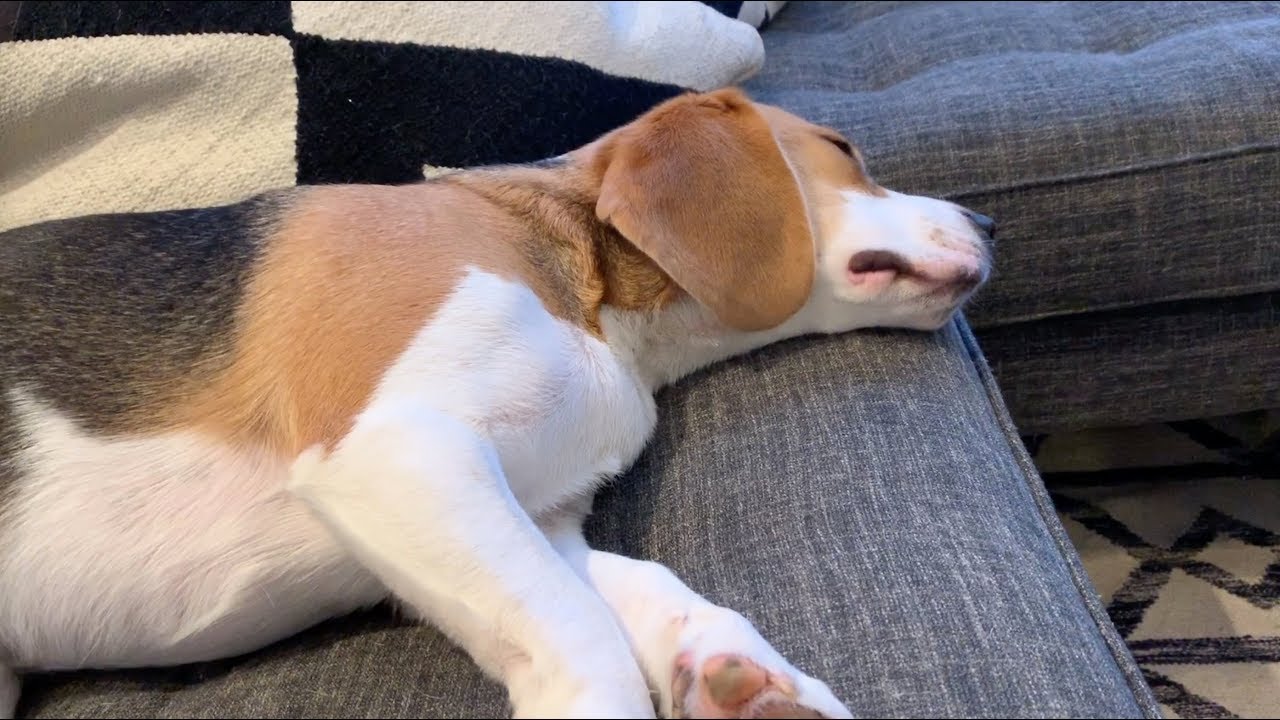
Common triggers and behaviors seen with sleep barking
Sleep barking varies by dog. Some give a quiet yip. Others produce a full bark or growl. Triggers include:
- Recent excitement, like a new toy or long play session.
- Stress or anxiety carried into sleep.
- Neurological issues, such as seizures, if barking is sudden and followed by confusion.
- Medications or sleep disorders that affect sleep cycles.
Watch patterns. If your dog barks in sleep after a stressful event, that points to normal dream replay. If barking is abrupt, long, or comes with disorientation, it needs attention.

When sleep barking is normal and when to seek help
It’s normal when:
- Barking is short and linked to twitching or light movement.
- Your dog wakes and seems fine.
- Events line up with active daytime play or excitement.
Seek veterinary help when:
- Barking is prolonged or violent.
- Your dog seems confused after waking or is injured.
- There are other signs like loss of coordination, repeated seizures, or marked behavior change.
If you’re unsure, record the behavior and show it to your vet. That helps diagnose whether it’s REM dreaming or a medical issue.

How to reduce or manage sleep barking
You can take simple steps to reduce frequent sleep barking:
- Keep a calm bedtime routine with quiet play and no roughhousing.
- Ensure regular exercise earlier in the day to tire the body, not right before bed.
- Create a comfortable, dark, cool sleeping area free from sudden noises.
- Avoid feeding heavy meals right before sleep.
- Talk to your vet about sleep disorders or medications if barking increases.
Training and routine often cut down on dream intensity and nighttime reactivity. If health issues are suspected, follow your vet’s testing advice.

Personal experience: lessons from the clinic and home
In my years working with dogs, I’ve seen many cases of sleep barking. One young terrier barked loudly each night after intense afternoon play. We moved play earlier and added a short walk before dinner. The nightly barking faded within a week.
Lessons learned:
- Watch timing: late-day excitement fuels vivid dreams.
- Record episodes: video helps your vet diagnose problems.
- Be calm: reacting loudly to sleep barking can increase anxiety and make the behavior worse.
These small steps often help more than sudden interventions.
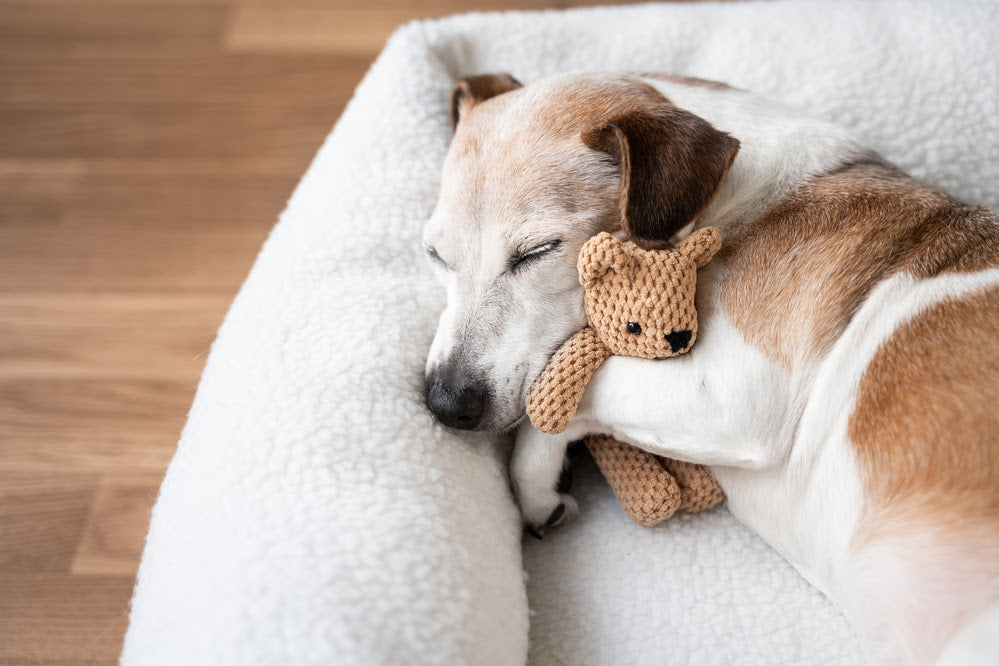
People also ask
Why do dogs bark in their sleep and twitch at the same time?
Dogs twitch and bark together because REM sleep activates brain circuits linked to movement and vocalization. Twitching is normal and shows the brain is dreaming.
Do puppies bark in their sleep more than adult dogs?
Yes, puppies often vocalize more during sleep because their brains are rapidly developing and processing new experiences. This tends to lessen with age.
Can nightmares cause loud barking in dogs?
Dogs likely have negative dreams, which can trigger louder vocal reactions. Short, loud barking during sleep can be a dream response, especially after stressful events.

Frequently Asked Questions of why do dogs bark in their sleep
Why do dogs bark in their sleep sometimes and not always?
Sleep barking depends on sleep stage and recent experiences. Dogs only bark during certain REM cycles, so it won’t happen every night.
Is sleep barking a sign of stress in dogs?
Sleep barking can reflect stress if it follows stressful events. But it is often just dreaming, not ongoing stress, unless it happens alongside daytime anxiety.
Could sleep barking be a type of seizure?
Yes, in some cases sleep vocalization is related to seizures. If barking is sudden, repetitive, or paired with disorientation, see a vet right away.
How can I tell if my dog is dreaming or having a medical problem?
Dreaming episodes are brief and end when the dog wakes alert. Medical episodes often last longer and leave the dog confused, lethargic, or injured.
Should I wake my dog if it barks in its sleep?
No, usually you should not wake a sleeping dog. Waking can startle them and increase stress. Gently observe and record if you are worried.
Conclusion
Dogs bark in their sleep mainly because of dreams and REM brain activity. Most of the time it is harmless, and routine changes can reduce the frequency. Watch for patterns that suggest stress or medical issues, record episodes, and consult your vet when needed. Try a calm bedtime routine and regular exercise to help your dog sleep more quietly. If this helped, leave a comment, share your experience, or subscribe for more pet care guides.

Pet Care Writer & Researcher
Daniel writes practical guides on daily care, feeding, and safety, turning complex topics into simple, actionable advice.