How To Stop Barking Dogs In Neighborhood: Quiet Tips
Practical tips on how to stop barking dogs in neighborhood – talk to owners, use humane deterrents, and reduce noise for peaceful evenings.
Quieting neighbor dogs starts with calm communication, consistent training, and humane environmental fixes.
I have spent years helping people and communities manage noise and pet behavior, so I’ll walk you through clear, practical steps you can use to learn how to stop barking dogs in neighborhood settings. This guide blends simple science, neighborhood etiquette, legal context, and hands-on tactics so you can reduce barking without escalating conflict. Read on for a step-by-step plan you can try today.

Why dogs bark in neighborhoods and what it means
Dogs bark to communicate. In a neighborhood, barking often signals boredom, fear, territorial defense, loneliness, or attention-seeking. Understanding the reason behind barking is the first step toward solving it.
Common triggers include
- Environmental noise that spooks the dog.
- People or other dogs walking past a yard.
- Lack of exercise or mental stimulation.
- Separation anxiety when left alone.
When you focus on the cause, you can use targeted fixes that are far more effective than quick gadgets. Learning how to stop barking dogs in neighborhood situations starts with observing patterns and triggers.

Legal and community considerations before you act
Noise rules and animal welfare laws vary by city. Many places have noise ordinances that cover persistent dog barking. At the same time, neighbors have rights and so do pet owners.
Steps to take first
- Check local noise ordinances online or via city hall.
- Learn how animal control or the police handle barking complaints.
- Document incidents with dates, times, and audio if needed.
Approach your neighbor calmly before filing a complaint. A friendly conversation often solves problems faster than official action. Framing the issue as a shared problem rather than a personal attack helps when you want to stop barking dogs in neighborhood settings without creating hostility.

Practical strategies to stop barking dogs in neighborhood yards
A layered approach works best. Combine behavior changes, environment tweaks, and communication. Here are practical, proven strategies.
Observe and record
- Note times of barking, length, and triggers.
- Share specific examples with the owner—facts are less confrontational than vague complaints.
Talk to the owner
- Use a friendly tone and offer help or suggestions.
- Mention you want to solve the problem together, not punish the pet.
Training and routine fixes
- Encourage positive reinforcement training to reward quiet behavior.
- Suggest crate training or short, safe confinement with toys while the owner is away.
- Recommend daily exercise and mental games to reduce excess energy.
Environmental fixes
- Add visual barriers like slatted fences to reduce stimulus from the street.
- Provide shaded, sheltered spaces so dogs feel safe.
- Offer puzzle feeders or chew toys to keep the dog busy.
Short-term management
- Use timed walks or scheduled play so the dog learns when to expect company.
- Use white-noise machines or indoor fans to mask outside triggers.
Communication and community
- Suggest trial periods for solutions and follow up kindly.
- Form a neighborhood group to share resources like trainers or behavior classes.
If you need to stop barking dogs in neighborhood spaces quickly, start with observation, then a friendly talk, then noninvasive environmental changes. These steps are low-cost and respectful, and they often work.
 products, and their effectiveness”
style=”max-width: 100%; height: auto; border: 2px solid black; border-radius: 10px; display: block; margin: 0 auto;”
loading=”lazy”
/>
Tools, products, and their effectiveness
There are many products marketed to stop barking, but results vary and some can harm the dog if misused. Choose humane, evidence-based tools.
Options to consider
- Interactive toys and treat dispensers to reduce boredom.
- Soundproofing or window treatments to lower noise transmission.
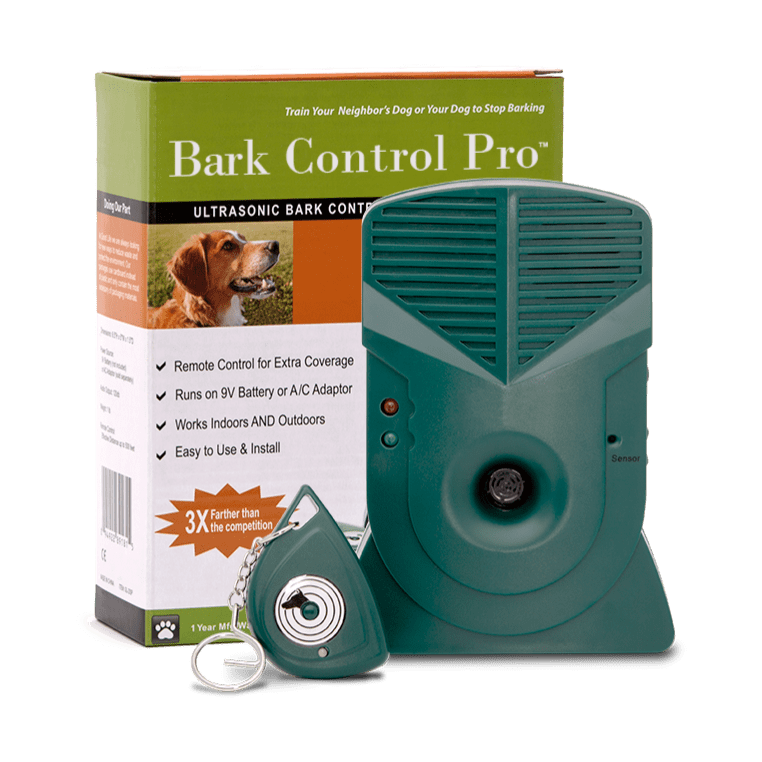
- Ultrasonic devices—mixed evidence and may annoy neighbors or wildlife.
- Vibration or citronella collars—use caution; they can stress some dogs.
- Professional training apps and online courses that teach consistency.
Use products as part of a broader plan, not as a sole fix. If you rely only on gadgets, the barking may return when the device is removed. Always favor solutions that respect the dog’s welfare while pursuing how to stop barking dogs in neighborhood settings.

When to involve authorities or hire professionals
Some situations need outside help. If a dog shows signs of neglect, prolonged distress, or dangerous aggression, act faster.
When to escalate
- Repeated, documented disturbances after good-faith attempts to resolve with the owner.
- Evidence of cruelty, neglect, or the dog in constant distress.
- Aggressive behavior that endangers people or other pets.
Who can help
- Certified dog trainers or behaviorists for chronic behavioral issues.
- Animal control for welfare concerns.
- Local mediation services for neighbor disputes.
Keep records and remain calm when contacting authorities. Use official routes only after reasonable attempts to fix the issue yourself—this protects your credibility and often produces better outcomes when trying to stop barking dogs in neighborhood contexts.
Personal experience: lessons I learned while solving neighbor-barking problems
I worked on a block where one dog barked at every passerby. We tried several tactics and learned useful lessons.
What worked
- A neighbor offered to walk the dog once a day. Barking dropped significantly.
- A simple privacy screen cut visual triggers by half.
- A short training class for the owner created consistent responses to barking.
Mistakes to avoid
- Don’t threaten or publicly shame an owner—this shuts down cooperation.
- Avoid harsh devices until a trainer vets them.
- Don’t expect instant fixes; behavior takes time and repetition.
My best advice from experience: start small, show empathy, and focus on solutions that make life better for both people and pets. This practical approach helped me reduce barking and keep neighborhood relations friendly while learning how to stop barking dogs in neighborhood settings.

Frequently Asked Questions of how to stop barking dogs in neighborhood
How long should I wait before reporting a barking dog?
Wait until you have documented repeated incidents and spoken with the owner. If the problem persists after reasonable attempts to resolve it, contact local authorities or animal control.
Can I legally record my neighbor's dog barking?
Laws vary, but short audio recordings for documentation are commonly used in noise complaints. Check local privacy and recording laws before posting or sharing recordings publicly.
Will an anti-bark collar permanently stop barking?
Anti-bark collars can reduce barking but they don’t fix the underlying cause. Use them only under trainer guidance and as part of a larger behavior plan.
How can I talk to a neighbor without causing conflict?
Use a calm, empathetic tone, share specific examples, and offer helpful suggestions. Framing the conversation as collaborative makes it less confrontational.
When is barking considered a nuisance under the law?
Persistent, excessive barking that disturbs neighbors is often considered a nuisance. Local noise ordinances define thresholds and enforcement procedures, so check your municipal rules.
Conclusion
Stopping persistent barking in a neighborhood is a mix of empathy, strategy, and persistence. Start by learning the cause, speak politely with the owner, try practical training and environment changes, and involve professionals only when needed. Small, consistent steps often yield big results, and a friendly approach preserves good neighbor relations.
Take action this week: observe patterns, document a few incidents, and have one calm conversation with the owner. If you found this guide helpful, share your experiences or subscribe for more neighborhood-friendly pet advice.

Pet Care Writer & Researcher
Daniel writes practical guides on daily care, feeding, and safety, turning complex topics into simple, actionable advice.