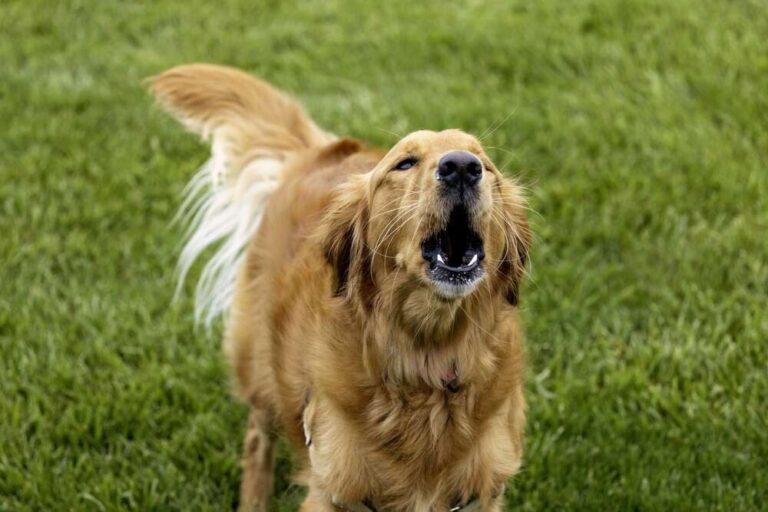
Do Huskies Bark A Lot: What Owners Should Know
Do huskies bark a lot? Learn why Huskies vocalize, how much noise to expect, and practical tips to manage excessive barking.
Yes, huskies can bark, but they often howl, talk, whine, and make other loud sounds instead.
So, do huskies bark a lot? The answer depends on the dog, its training, age, health, and daily routine. Siberian Huskies are highly social working dogs with strong voices and high energy. Understanding why they vocalize will help you manage the noise without trying to change their natural personality.
Do Huskies Bark a Lot?
Most huskies do not bark constantly. In fact, many huskies bark less than breeds known for frequent alert barking, such as some terriers or guard dogs.
However, huskies are very vocal. They may howl, yip, whine, grumble, chirp, or “talk” to you. This is why people often ask, “Do huskies bark a lot?” when their dog is making many sounds that are not true barks.
A husky may bark when it:
• Wants food, play, or attention
• Sees a stranger or another animal
• Feels bored or trapped
• Becomes excited
• Feels anxious when left alone
• Needs more exercise
• Learns that barking gets a response
Breed tendencies can guide you, but they cannot predict every dog. A quiet husky may live beside a noisy one, just as two people in the same family may have very different voices.
Why Are Huskies So Vocal?
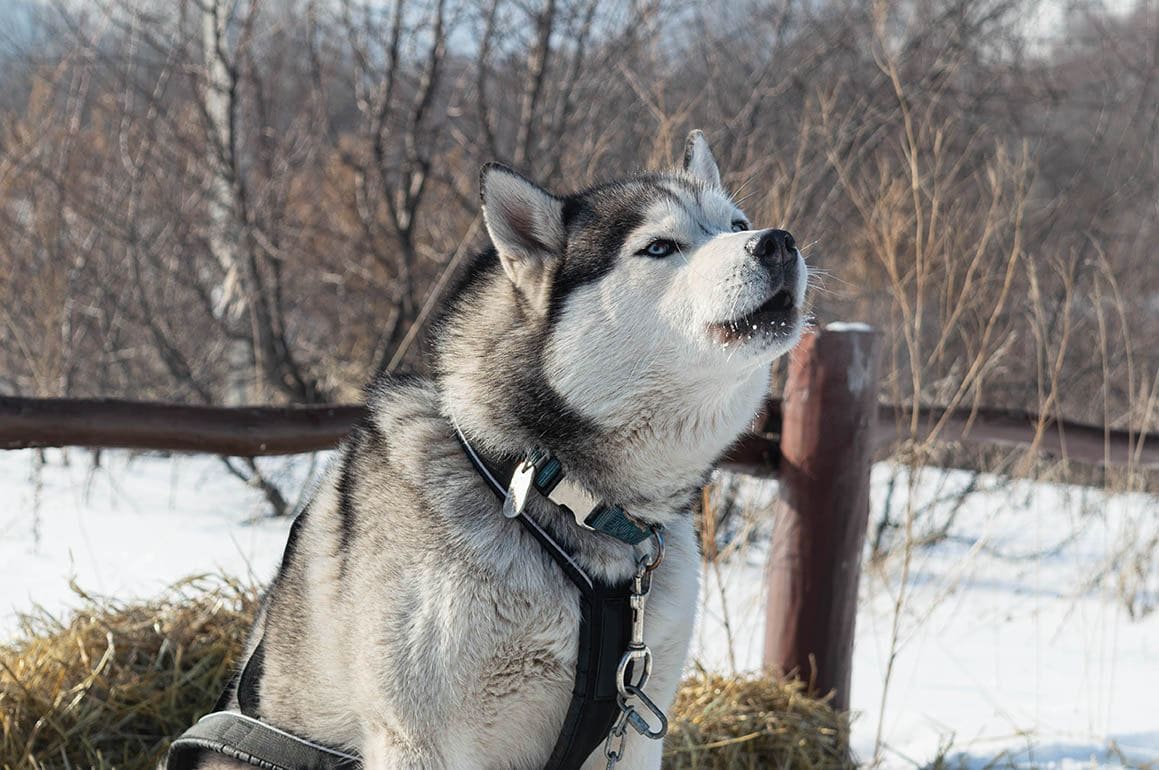
Huskies were bred to work in teams and communicate across snowy landscapes. Vocal sounds helped sled dogs respond to people and other dogs. That history still shapes how many huskies behave today.
A husky’s vocal behavior is often a form of communication. Your dog may be saying, “Look at that,” “Come outside,” “I am bored,” or “I do not like being alone.”
Huskies also tend to form strong bonds with their families. They may respond when you speak, answer a siren, or make noise when you return home. Their voice can seem dramatic, but it is often normal social behavior.
Common husky sounds include:
• Barking, which may signal alertness or excitement
• Howling, which can be social or emotional
• Whining, which may show stress, impatience, or discomfort
• Wooing, which often appears during greetings or play
• Growling, which can be playful but should always be read with body language
• Yipping, which may occur during excitement or frustration
This explains why do huskies bark a lot is not always the best question. A better question is, “What is my husky trying to communicate?”
What Makes a Husky Bark?
Huskies bark for different reasons, so the sound must be viewed with the situation around it. A short bark at the window has a different meaning from repeated barking when you leave the house.
Attention and excitement
A husky may bark when it wants you to throw a toy, open a door, or start a walk. If barking leads to attention, the dog may repeat it because the behavior works.
Even saying “quiet” can reward barking if your dog enjoys any response. From the dog’s point of view, you are still engaging.
Boredom and excess energy
Huskies are active dogs with a strong need for movement and mental work. A short walk around the block may not be enough for some individuals.
A bored husky may bark, howl, dig, chew furniture, or try to escape. These behaviors are often signs that the dog needs a better daily plan.
Fear or alarm
A husky may bark at unfamiliar people, loud sounds, cars, wildlife, or other dogs. Watch for signs such as a stiff body, tucked tail, wide eyes, or backward ears.
Fear-based barking should not be punished. Punishment can make the dog feel less safe and may increase the problem.
Separation distress
Some huskies bark or howl soon after their owner leaves. They may also pace, scratch doors, drool, destroy items, or try to escape.
This may point to separation anxiety rather than simple disobedience. A veterinarian or qualified behavior professional can help assess the problem.
Physical discomfort
A sudden change in vocal behavior can signal pain or illness. Dental pain, joint problems, stomach trouble, hearing loss, and age-related changes may all affect behavior.
If your normally quiet husky begins barking often, schedule a veterinary check. Training should not be the first step when a medical issue may be present.

How Much Exercise Does a Husky Need?
Huskies usually need daily physical exercise and mental enrichment. The exact amount varies with age, health, fitness, and temperament, but many adult huskies need more than a casual walk.
Useful activities include:
• Brisk walks or hikes
• Safe running with a properly conditioned dog
• Fetch and chase games
• Scent games
• Puzzle feeders
• Obedience practice
• Agility or canine sports
• Supervised play with suitable dogs
• Structured training during walks
Do not increase exercise too fast. Puppies have growing bones, and older dogs may need shorter, gentler activities.
Mental work matters as much as physical work. Ten minutes of scent games or training can tire a dog in a way that a simple walk may not. Think of your husky as an athlete with a curious mind.
A common mistake I see is trying to solve every vocal problem with longer exercise alone. Exercise helps, but barking may continue if the dog also needs calm training, better alone-time skills, or fewer visual triggers.

How to Stop Excessive Husky Barking
You cannot and should not remove every sound from a husky. Vocal behavior is part of the breed’s nature. The goal is to reduce unwanted barking and teach your dog when to settle.
1. Find the trigger
Write down when the barking happens. Note the time, location, sound, people nearby, and what happens after the barking starts.
Look for patterns such as:
• Barking at the window
• Barking before meals
• Barking during play
• Barking when left alone
• Barking at night
• Barking when greeting visitors
A clear pattern makes training much easier.
2. Reward quiet behavior
Wait for a brief pause in the barking. Say a calm word such as “quiet,” then offer a treat or praise.
At first, reward one or two seconds of silence. Slowly build to longer periods. Do not wait for perfect silence before rewarding, or your dog may not understand the lesson.
3. Teach an alternative behavior
Ask your husky to do something useful instead of barking. “Sit,” “go to your mat,” or “look at me” can give the dog a clear choice.
For example, when someone approaches the door, guide your dog to a mat. Reward calm behavior there. Practice before guests arrive.
4. Reduce the trigger
Close curtains if outdoor movement causes barking. Use white noise if hallway sounds trigger your dog. Move the dog farther from the front door during busy times.
Management is not failure. It prevents your husky from practicing the same unwanted habit all day.
5. Avoid punishment
Do not yell, hit, shock, or use harsh corrections. These methods can increase fear and may damage trust.
Aversive tools can also suppress warning sounds without fixing the emotion behind them. A dog that stops growling may still feel afraid, but now gives fewer signals before reacting.
6. Practice calm departures
If your husky barks when you leave, begin with very short absences. Step outside for a few seconds, return calmly, and slowly increase the time.
If the dog panics, the absence was too long. Separation training works best when the dog stays below its fear level.

How to Tell Normal Vocalizing From a Problem
Normal vocalizing is usually brief, linked to a clear event, and easy for the dog to stop. Problem barking is often repeated, intense, or connected to fear and distress.
Consider these questions:
• Can your husky settle after the trigger ends?
• Does the dog eat, sleep, and play normally?
• Is the barking new or suddenly worse?
• Does it happen only when alone?
• Does your dog show signs of fear or pain?
• Are neighbors reporting long periods of noise?
A husky that barks during a short play session may be behaving normally. A husky that howls for hours, damages doors, or injures itself needs more support.
Keep a short behavior diary. Videos can also help your veterinarian or trainer understand what happens when you are not home.

Do Huskies Bark More Than Other Dogs?
There is no simple ranking that proves every husky barks more or less than every other breed. Individual behavior varies widely, and studies on breed behavior often rely on owner reports, which can be affected by expectations and living conditions.
Huskies are often described as highly vocal because they use many sounds. They may not bark nonstop, but their howling and “talking” can be loud and frequent.
Compared with some quiet companion breeds, a husky may seem noisy. Compared with some small watchdog breeds, it may bark less but make more unusual vocal sounds.
The best prediction comes from the dog in front of you. Ask about the parents, early socialization, home behavior, exercise needs, and history before adopting.

Are Huskies Good Apartment Dogs?
A husky can live in an apartment, but the arrangement requires planning. The size of the home matters less than the dog’s daily exercise, training, enrichment, and ability to settle.
Noise is a major concern. Even if a husky does not bark often, its howl can travel through walls and hallways. Apartment residents should take neighbors and building rules seriously.
Helpful steps include:
• Exercise the dog before busy periods
• Use food puzzles and scent games indoors
• Block views of hallways and streets
• Train a calm mat behavior
• Provide safe chew items
• Practice alone time gradually
• Speak with neighbors about noise concerns
A yard does not automatically solve husky behavior. Many huskies still need walks, training, and interaction even when they have outdoor space.
:max_bytes(150000):strip_icc()/why-do-huskies-scream-112254586-2000-99fb6906ae684e0a8d947d8bddf73017.jpg)
Do Huskies Bark at Night?
Some huskies bark or howl at night. Common causes include outdoor noises, wildlife, boredom, loneliness, discomfort, or a disrupted routine.
First, check for medical changes and environmental triggers. Then improve the dog’s daytime exercise, offer a calm bedtime routine, and reduce sounds or sights that cause alerts.
Avoid letting the dog stay outside alone at night. Huskies can become distressed, disturb neighbors, or attempt to escape. Secure fencing is especially important because many huskies are skilled diggers and jumpers.

Can You Teach a Husky to Be Quiet?
You can teach a husky to pause, settle, and respond to a quiet cue. You cannot expect complete silence, and trying to suppress every vocal sound may create frustration for both of you.
Training should reward the behavior you want. Calm praise, small treats, and steady practice are more effective than angry reactions.
Keep sessions short. Two to five minutes several times a day can work better than one long session. End while your husky is still engaged and successful.
If barking involves aggression, panic, or self-injury, work with a qualified professional. Look for someone who uses reward-based methods and has experience with northern breeds.
Common Mistakes Husky Owners Make
Many barking problems grow because the dog receives mixed signals. Owners may ignore barking one day and reward it the next day by giving food, opening the door, or starting a game.
Other common mistakes include:
• Expecting a tired dog to solve anxiety
• Leaving a high-energy husky alone for long periods without preparation
• Punishing warning sounds
• Giving commands while yelling
• Using a crate for too long
• Skipping daily training
• Ignoring a sudden change in behavior
• Choosing a husky without planning for its exercise needs
One lesson stands out: consistency matters more than intensity. Gentle practice each day usually beats a harsh correction once a week.
When to Contact a Veterinarian or Behavior Expert
Contact a veterinarian if barking begins suddenly, becomes much worse, or appears with other signs of illness. These signs may include limping, changes in appetite, sleep problems, confusion, sensitivity to touch, or unusual aggression.
Seek professional help if your husky:
• Panics when left alone
• Tries to escape or injures itself
• Threatens people or dogs
• Cannot settle after common triggers
• Barks for long periods every day
• Shows fear during training
• Has behavior that puts anyone at risk
A veterinary behaviorist can assess medical and emotional causes. A certified reward-based trainer can help with a practical behavior plan. Good support is not a sign that you failed; it is a smart way to protect your dog and your household.
Frequently Asked Questions About Do Huskies Bark a Lot
Do huskies bark a lot compared with other dogs?
Huskies may not bark constantly, but they are often very vocal. Howling, whining, yipping, and “talking” can make them seem louder than dogs that mainly bark.
Why does my husky bark at me?
Your husky may want attention, food, play, access to the outdoors, or help with a problem. Check the setting, meet basic needs, and reward calm ways of asking.
Do huskies bark when left alone?
Some huskies bark or howl when left alone, especially if they are bored or have separation distress. Gradual alone-time training and professional guidance can help.
Are huskies too loud for apartments?
Not always, but their howl can be loud and may disturb neighbors. Apartment living works best when the husky receives enough exercise, enrichment, training, and careful noise management.
Can you stop a husky from barking?
You can reduce excessive barking and teach a quiet or settle cue. You cannot remove all vocal behavior because communication is a normal part of many huskies’ temperament.
Do husky puppies bark more than adult huskies?
Puppies may vocalize more because they are learning how to communicate and control their impulses. Good routines, socialization, rest, and reward-based training can prevent noisy habits from becoming stronger.
Conclusion
So, do huskies bark a lot? They may bark, but their signature behavior is often howling, whining, and playful vocalizing. Noise usually has a cause, such as excitement, boredom, fear, loneliness, or a need for attention.
Start by finding the trigger. Meet your husky’s exercise and mental needs, reward quiet behavior, manage common triggers, and avoid punishment. If the change is sudden or linked to distress, involve a veterinarian or qualified behavior professional.
With patience and a clear plan, you can enjoy your husky’s expressive personality while creating a calmer home. Share your experience with husky vocalizing, and explore more reward-based dog training resources for practical support.

Pet Care Writer & Researcher
Daniel writes practical guides on daily care, feeding, and safety, turning complex topics into simple, actionable advice.