
Can You Wash Dog Beds At Laundromat: Safe Cleaning Tips
Can you wash dog beds at laundromat? Learn safe cleaning steps, helpful tips, and what to check before using commercial washers.
Introduction
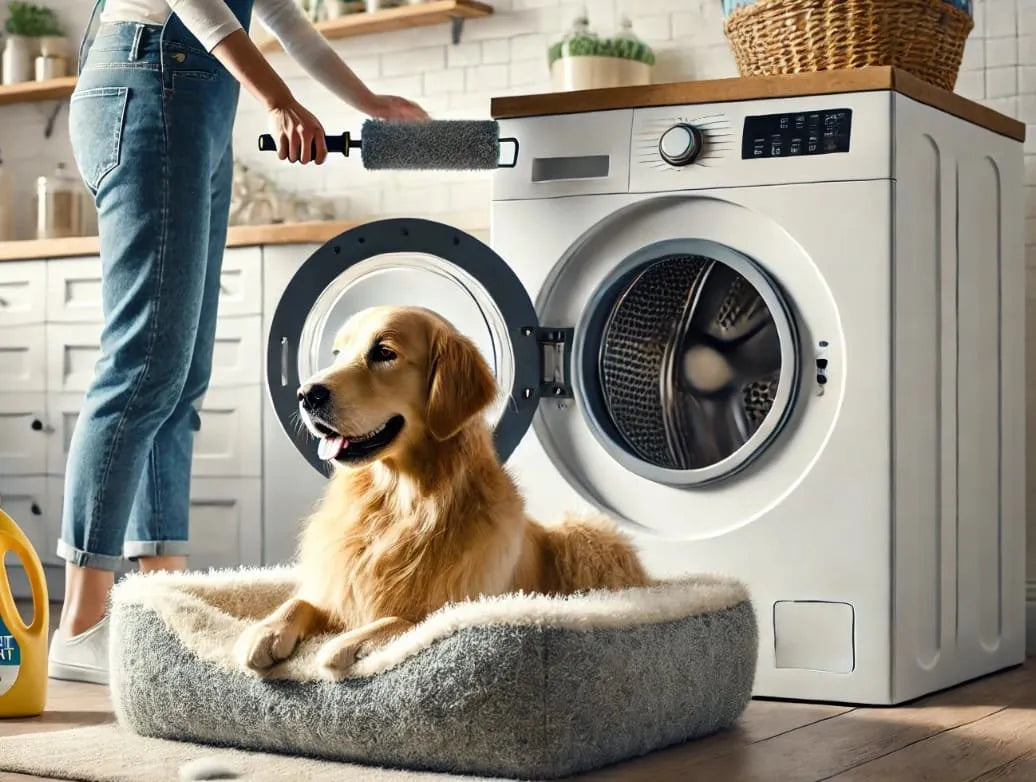
Yes, you can often wash a dog bed at a laundromat in the United States—but only if the care label allows machine washing and the laundromat permits pet items. A commercial washer can handle many removable covers, fleece pads, and washable fabric beds. Large machines also give bulky bedding more room to move and rinse.
The main risks are using the wrong cycle, damaging foam, spreading fleas or dirt to shared equipment, and leaving the bed damp inside. Call the laundromat before you go, check the bed’s label, and bring a large front-loading washer and dryer only when the materials can safely use them.

Check the Dog Bed Before You Go
The care label decides whether a dog bed can go into a laundromat washer. Look for washing symbols, water-temperature limits, drying instructions, and warnings such as “spot clean only” or “do not machine wash.”
A dog bed usually has one of three designs:
| Dog bed type | Laundromat-friendly? | Main caution |
|---|---|---|
| Removable fabric cover | Usually | Wash the cover separately from the insert |
| Polyester-filled cushion | Sometimes | Check seams, filling, and label |
| Memory foam or solid foam | Often no | Foam can tear, hold water, or lose its shape |
| Bolster bed with loose filling | Sometimes | Heavy wet filling may strain seams |
| Waterproof or rubber-backed bed | Sometimes | High heat can warp the backing |
| Heated or electronic bed | No | Remove all electrical parts; never wash the powered unit |
A removable cover is the easiest part to clean. Unzip it and inspect the inside of the cover for hair, dirt, and damaged seams. If the cover has a waterproof lining, use the temperature and drying instructions on its label.
When you should not use a laundromat washer
Do not place the entire bed in a washer if the label says “spot clean only.” Do not machine-wash solid memory foam unless the manufacturer specifically permits it. Foam may soak up a large amount of water, become very heavy, split during spinning, or stay wet long enough to develop a musty odor.
Do not wash beds with exposed wires, heating pads, batteries, or removable electronic controls. Take out those parts first. If they cannot be removed, clean the bed at home according to the manufacturer’s instructions.
Call the Laundromat First
Many laundromats set their own rules for animal bedding. Some allow clean pet bedding in commercial machines. Others ban it because of allergies, sanitation concerns, or possible damage from loose hair and filling.
Ask these questions before visiting:
- Are dog beds allowed in the washers and dryers?
- Are pet items restricted to certain machines?
- Does the store require a large-capacity washer?
- Are blankets or covers with pet hair accepted?
- Does the laundromat have a rule against foam, rubber-backed items, or loose filling?
- Can you use the machines during a less busy time?
A phone call can save you a wasted trip. It also helps protect other customers. A laundromat’s policy is more important than a general cleaning recommendation because the business controls its machines and may have local operating rules.
Choose a washer that is clearly large enough for the item. A tightly packed drum cannot clean or rinse a thick bed well. The bed should sit loosely in the drum, with room for water and movement.
Prepare the Bed Before Washing
Preparation removes much of the dirt before the bed enters a shared machine. Take the bed outside, if possible, and shake it out. Wear disposable gloves if the bed has feces, vomit, urine, or other bodily fluids.
Use a vacuum, lint roller, or stiff brush to remove loose fur. Pay special attention to seams, zippers, corners, and the area beneath the cushion. Large clumps of hair can collect in the washer drain or dryer lint screen.
Pre-clean visible messes
Scrape solid waste into a trash bag. Blot liquid with paper towels rather than rubbing it deeper into the fabric. If the bed has a strong odor or a large contaminated area, rinse or pre-treat it at home when the label allows.
Do not take a bed covered with fresh feces, vomit, or leaking urine directly to a public laundromat. Ask the store about its policy and clean off the visible waste first. A heavily contaminated bed may be better handled at home or by a professional cleaner.
Check for pests
If your dog has fleas, flea eggs, mange, or a contagious skin problem, ask a veterinarian what cleaning steps are appropriate. Washing the bed may remove some pests, but cleaning the bed alone may not solve an infestation. The dog, home, other fabrics, and treatment plan may all matter.
Seal the prepared bed in a washable bag or sturdy plastic bag for transport. This keeps loose hair and dirt from spreading through your car or the laundromat.

How to Wash a Dog Bed at a Laundromat
Follow the care label first. The steps below work for many washable fabric beds and covers, but they do not override the manufacturer’s instructions.
- Separate the parts. Remove the cover, bolster inserts, foam, blankets, and liners. Wash only the parts approved for machine cleaning.
- Choose a clean, large-capacity washer. A front-loading commercial machine is often useful because it has no center agitator that can catch bulky bedding.
- Load the bed loosely. Do not force a large cushion into a small drum. If the bed fills most of the drum before washing, choose a larger machine.
- Use a small amount of mild detergent. Too much soap can remain in thick fabric and irritate a dog’s skin. Follow the detergent label and the laundromat’s instructions.
- Select the warmest safe setting. Use the care label as the limit. If no label is available, choose a conservative setting that will not shrink, melt, or damage the material.
- Add an extra rinse when available. This can help remove detergent from thick fabric, but it does not replace proper loading or drying.
- Inspect the bed before drying. Look for loose seams, exposed filling, torn waterproof layers, or a damaged zipper.
- Dry according to the label. Use low heat or air drying for materials that can shrink, warp, or melt. Do not assume a commercial dryer’s hottest setting is safe.
- Check the center for moisture. Press the thickest area. If it feels cool, heavy, or damp, keep drying safely or finish the job at home.
- Clean up after the cycle. Remove visible hair from the washer door, drum, and dryer lint screen if the laundromat permits it.
Choosing a detergent
A fragrance-free, dye-free detergent is a reasonable choice for dogs with sensitive skin, allergies, or a history of itching. “Natural” does not automatically mean safer, and essential oils can be irritating or harmful to pets in some situations.
Skip fabric softener unless the bed’s manufacturer specifically recommends it. It can leave a coating on fabric and add fragrance. Never mix bleach with ammonia, vinegar, or other cleaners. If you use bleach, follow both the product label and the bed manufacturer’s instructions.
Dry the Bed Completely
A dog bed must be dry all the way through before your dog uses it. The outer fabric can feel dry while the center remains wet. That trapped moisture can create odor and may encourage mold growth over time.
Use a low or medium dryer setting when the label permits machine drying. Stop the dryer once or twice to shake the bed and check its seams. This helps expose damp areas and prevents the filling from staying packed in one place.
Air drying is safer for many foam inserts, waterproof liners, and beds with heat-sensitive materials. Place the item in a clean, well-ventilated area. Turn it over during drying so both sides receive airflow.
Do not return a damp bed to a crate or enclosed room. If the bed still smells sour after it dries, the odor may be trapped in the filling or caused by detergent residue. Rewash only if the material allows it. Otherwise, replace the insert or ask the manufacturer for cleaning advice.

When a Laundromat Is Not the Best Choice
A laundromat may not be suitable for every dog bed. Choose another method when the bed is too large for the available machines, has delicate materials, contains solid foam, or is heavily contaminated.
Consider these options:
- Home washing: Best for removable covers and small pads that fit your machine.
- Hand cleaning: Useful for solid foam, rubber-backed mats, and items that cannot tolerate a spin cycle.
- Professional cleaning: Worth considering for expensive orthopedic beds, delicate fabrics, or major urine contamination.
- Replacement: May be more practical when the filling is permanently soiled, the cover is torn, or the bed cannot dry fully.
A dog bed that no longer holds its shape may not provide proper support. Washing can also expose weak seams. If filling comes out, a zipper fails, or the waterproof layer cracks, stop using the bed until it is repaired or replaced.
Common Mistakes to Avoid
Washing foam like a blanket
Solid foam can absorb water and become difficult to rinse and dry. Follow the product instructions instead of treating foam as ordinary fabric.
Overloading the machine
A packed drum prevents good cleaning and may put stress on the washer. Use a larger machine or wash the parts separately.
Using too much detergent
Extra soap does not mean extra cleaning. Residue can remain in thick padding and may bother a dog’s skin or nose.
Using high heat without checking the label
High heat may shrink fabric, melt synthetic fibers, damage waterproof coatings, or deform foam. Start with the lowest effective heat.
Ignoring loose hair
Hair can clog filters and collect inside the machine. Brush or vacuum the bed before washing.
Assuming washing solves fleas
Laundry is only one part of flea control. Follow veterinary or product directions for the dog and the home.
Leaving the bed damp
A damp center is a sign that the bed needs more drying time. Do not cover or store it until it is completely dry.

How Often Should You Wash a Dog Bed?
Wash a dog bed when it is visibly dirty, smells bad, becomes damp, or has contact with urine, feces, vomit, or other contaminants. Dogs that shed heavily, spend time outdoors, drool often, or have allergies may need more frequent cleaning.
Wash removable covers more often than bulky inserts. Between full washes, vacuum hair and debris, clean small spots promptly, and allow damp bedding to dry fully.
There is no single schedule that fits every dog or bed. The right interval depends on the dog’s health, coat, habits, sleeping area, and the bed’s materials. A washable cover with a dry, clean insert is easier to maintain than a thick bed that cannot be fully cleaned.
Key Takeaways
- Yes, many dog beds can be washed at a U.S. laundromat, but call first because each business sets its own rules.
- Check the care label before washing or drying.
- Wash removable covers separately whenever possible.
- Avoid machine-washing solid foam unless the manufacturer permits it.
- Remove loose fur and solid waste before using a shared machine.
- Use a large washer, mild detergent, and the lowest safe drying heat.
- Dry the center completely before giving the bed back to your dog.
- Use professional cleaning or replacement when the bed is delicate, damaged, or heavily contaminated.
FAQs
Can I wash a large dog bed in a laundromat machine?
Often, yes, if the label permits machine washing and the laundromat allows pet bedding. Use a large-capacity washer so the bed can move freely. If it fills most of the drum, choose a larger machine or wash the cover and insert separately.
Can I put a foam dog bed in a commercial dryer?
Usually, you should not assume that it is safe. Solid foam may shrink, tear, deform, or remain wet inside. Check the manufacturer’s instructions. Air drying is often the safer choice when the material permits it.
What temperature should I use to wash a dog bed?
Use the highest temperature listed as safe on the care label. If the label is missing, avoid extreme heat and choose a conservative setting. Hotter is not always better when the bed contains synthetic fibers, foam, rubber, or a waterproof coating.
Should I wash a dog bed with regular clothes?
It is better to wash pet bedding separately. Dog beds can contain fur, dirt, parasites, and allergens that you may not want on clothing. Follow the laundromat’s rules for pet items.
How do I remove dog urine odor from a bed?
First check whether the bed can be washed. Blot fresh urine, remove solid material, and use a cleaner approved for the fabric. An enzyme-based pet cleaner may help with organic odor, but follow its label and never mix cleaning products. If urine has soaked deep into nonwashable foam, replacement may be more effective.
Can I wash a dog bed with fleas at a laundromat?
Call the laundromat before bringing it. Remove loose debris and seal the bed for transport. Washing and drying may affect fleas on the bedding, but flea control usually requires a broader plan for the dog and living space. Ask a veterinarian or follow the directions for a properly labeled flea-control product.
Conclusion
You can wash many dog beds at a laundromat when the bed is machine-safe, the business allows pet items, and the machine is large enough. The safest process is simple: check the label, remove hair and waste, wash with mild detergent, use suitable heat, and dry the entire bed.
If the bed contains solid foam, electronics, delicate fabric, or heavy contamination, use the manufacturer’s cleaning method instead. When in doubt, call the laundromat and the bed’s manufacturer before washing.

Pet Care Writer & Researcher
Daniel writes practical guides on daily care, feeding, and safety, turning complex topics into simple, actionable advice.