
How Much Dog Barking Is Considered Excessive: A Clear Guide
How much dog barking is considered excessive? Learn the warning signs, noise limits, and humane ways to reduce problem barking.
Dog barking is excessive when it is frequent, prolonged, hard to stop, or disrupts people, sleep, and daily life.
Knowing how much dog barking is considered excessive takes more than counting barks. The cause, time of day, setting, and effect on others all matter. This guide explains normal versus problem barking, common triggers, legal concerns, and kind ways to reduce it.
How Much Dog Barking Is Considered Excessive?
There is no single number of barks that makes every dog “too loud.” A few alert barks at a delivery person are normal. Barking becomes excessive when it continues after the trigger is gone, happens often without a clear reason, or causes stress and disruption.
As a practical guide, consider barking excessive when it:
• Continues for 10 to 15 minutes at a time without stopping
• Happens repeatedly throughout the day
• Lasts for long periods when the dog is alone
• Wakes people or disrupts sleep
• Prevents neighbors from enjoying their homes
• Interferes with work, school, conversations, or family time
• Comes with panic, aggression, pacing, or destructive behavior
• Continues after you have addressed the dog’s basic needs
The key question is not only how much dog barking is considered excessive. Ask whether the barking is reasonable for the situation and whether the dog can settle afterward.
For example, three sharp barks when someone comes to the door may be normal. Barking at every passerby for 30 minutes is more likely to be a behavior problem.

Normal Barking Versus Excessive Barking
Barking is a normal form of dog communication. Dogs bark to alert, greet, play, ask for help, express fear, or release energy. Some breeds, such as Beagles, Shetland Sheepdogs, and many terriers, may naturally vocalize more than others.
Normal barking usually has a clear trigger and ends when the trigger is gone. The dog may look alert at first, then relax once the person, animal, or sound has passed.
Excessive barking often has a different pattern. It may seem repetitive, frantic, or disconnected from a clear event. The dog may keep barking even after you call its name or remove the trigger.
Use this simple comparison:
| Normal barking | Excessive barking |
|---|---|
| Has a clear reason | May have no clear trigger |
| Stops after a short time | Continues for long periods |
| Dog can settle afterward | Dog stays tense or restless |
| Does not disrupt daily life | Disturbs sleep or neighbors |
| Responds to calm guidance | Is difficult to interrupt |
A single loud episode does not always mean your dog has a serious problem. Look at the pattern over several days.

Common Causes of Excessive Dog Barking
The best solution depends on the reason behind the barking. Treating the sound without treating the cause often leads to short-term results.
Territorial barking
Dogs may bark when people walk past the home, ring the doorbell, or enter the yard. This behavior can feel rewarding because the person eventually leaves, making the dog believe barking worked.
Close blinds, use a privacy fence, or move the dog away from windows. Then teach a calm behavior, such as going to a mat when someone approaches.
Alarm barking
A dog may bark at sounds that people barely notice. These can include a truck, a door closing, wildlife, or a neighbor outside.
Do not assume the dog is being stubborn. Its hearing is sharper than yours. Reduce the sound when possible and reward quiet behavior after the dog notices the noise.
Separation-related barking
Some dogs bark, howl, or whine when left alone. This can happen with pacing, drooling, scratching doors, or attempts to escape.
This type of barking may signal anxiety rather than disobedience. A gradual alone-time plan, enrichment, and help from a veterinarian or behavior professional may be needed.
Boredom and excess energy
A dog with too little exercise or mental activity may bark to create stimulation. Yard time alone may not be enough because many dogs need active play, sniffing, training, and social contact.
Daily walks, scent games, food puzzles, and short training sessions can help. Mental exercise often tires a dog more effectively than simply adding more physical activity.
Fear or frustration
Fearful dogs may bark at strangers, dogs, cars, or unfamiliar places. Frustrated dogs may bark because they cannot reach something they want, such as a person, squirrel, or other dog.
Punishment can increase fear and make the barking worse. A reward-based behavior plan is usually safer and more effective.
Pain or illness
Sudden barking can sometimes point to pain, hearing loss, confusion, or another medical issue. Older dogs may also develop cognitive changes that affect sleep and vocal behavior.
Arrange a veterinary check if the barking starts suddenly, changes sharply, or appears with other symptoms.

How Long Can a Dog Bark Before It Becomes a Problem?
Duration matters, but it is not the only measure. A dog that barks for five minutes at 2 p.m. may cause less harm than a dog that barks for five minutes at midnight every night.
Many communities use local noise rules instead of one universal definition. Some laws focus on repeated barking. Others consider the number of minutes, the time of day, or whether the noise can be heard inside a nearby home.
A useful home guideline is:
• A few alert barks: usually normal
• Several minutes with pauses: monitor the cause
• More than 10 to 15 minutes: investigate and intervene
• Repeated episodes every day: create a behavior plan
• Barking through the night: treat as an urgent quality-of-life issue
These time ranges are practical guidance, not a legal standard. Check your city, county, homeowners association, or rental agreement for exact rules.
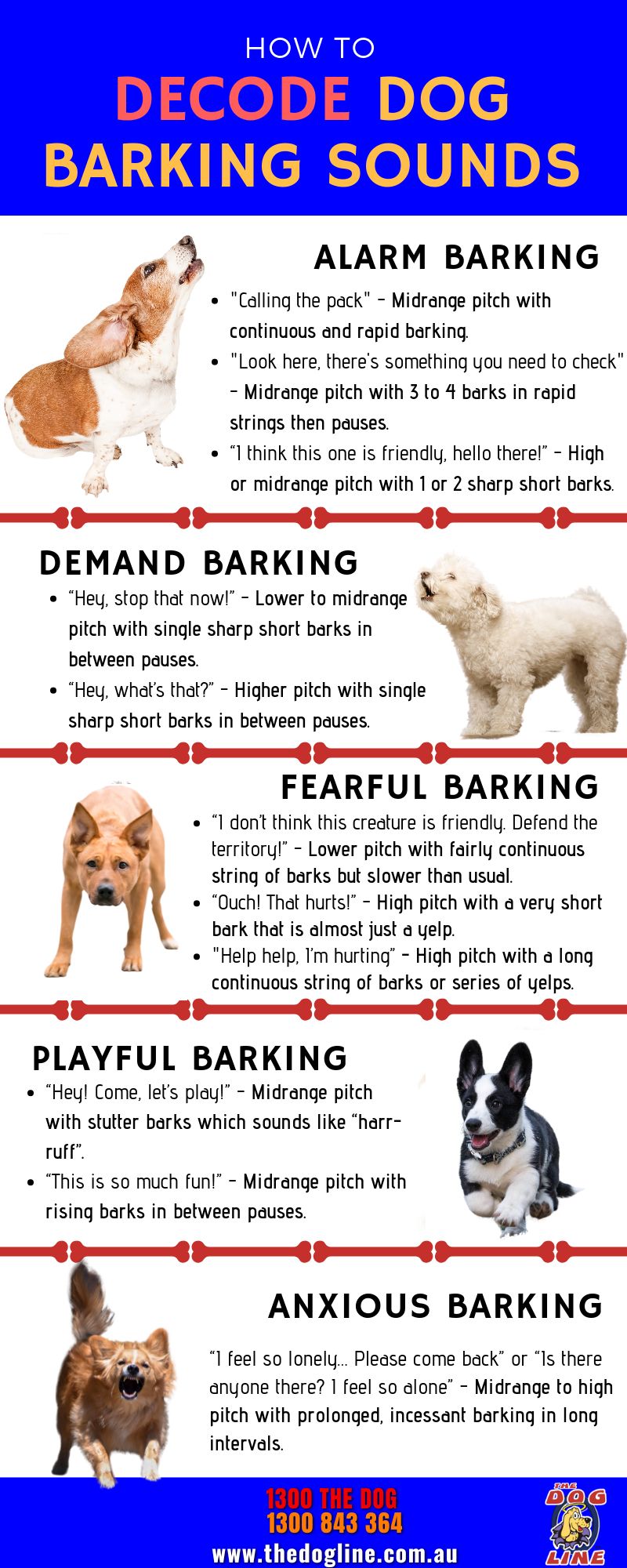
How to Measure Your Dog’s Barking
People often underestimate barking because they hear it in short bursts. A neighbor may hear the same dog for hours while the owner is away.
Track the behavior for at least three days. Write down:
• The start and end time
• What happened before the barking
• Whether the dog was alone
• The type of bark
• What stopped it, if anything
• The dog’s body language
• Whether anyone complained or lost sleep
A phone recording or home camera can reveal patterns. Use cameras carefully and avoid filming areas where other people expect privacy.
This record can answer how much dog barking is considered excessive in your specific home. It can also help a veterinarian or certified behavior consultant find the right treatment.
One lesson I have seen repeatedly in behavior cases is that owners focus on the noise but miss the trigger. Once the trigger is clear, the solution often becomes much simpler.

How to Stop Excessive Dog Barking
Start with management, then add training. Management prevents repeated barking while training teaches your dog what to do instead.
1. Meet basic needs
Make sure your dog has regular exercise, water, rest, bathroom breaks, and social contact. A tired and comfortable dog usually has more self-control.
Avoid sudden changes in routine when possible. Dogs often bark more when they are hungry, uncomfortable, lonely, or overstimulated.
2. Reduce the trigger
Block views from windows with curtains or removable film. Move outdoor dogs away from fences. Use white noise to soften hallway sounds in an apartment.
Management is not a failure. It is like putting a lid on a boiling pot while you work on the heat beneath it.
3. Teach a quiet cue
Wait for a brief pause in barking. Say “quiet” in a calm voice, then offer a small treat. Repeat this often so your dog learns that silence earns rewards.
Do not shout the cue. Many dogs hear yelling as more barking, which can add energy to the situation.
4. Reward calm behavior
Notice your dog when it is lying quietly, watching the world without barking, or choosing to move away from a trigger. Give praise, a treat, or access to a favorite activity.
Rewarding calm moments helps the dog practice the behavior you want. Training works best before barking reaches full intensity.
5. Use gradual exposure
If your dog reacts to people, sounds, or other dogs, begin at a distance where it can stay calm. Pair the trigger with treats, then slowly reduce the distance over time.
This method is called desensitization and counterconditioning. Move too fast, and the dog may bark more rather than learn.
6. Increase mental activity
Try:
• Sniff walks
• Food-stuffed toys
• Puzzle feeders
• Short obedience sessions
• Hide-and-seek games
• Safe chew items
• Structured play
Do not use exercise as the only solution. A dog that is anxious may become physically tired but still emotionally distressed.

What Not to Do When Your Dog Barks
Some common responses can make barking worse. They may stop the sound for a moment while increasing fear, confusion, or frustration.
Avoid:
• Yelling repeatedly
• Hitting, shaking, or scaring the dog
• Using shock or spray collars without expert guidance
• Leaving the dog outside to bark for long periods
• Rewarding barking with attention every time
• Opening the door when the dog barks at visitors
• Punishing a dog for barking from fear
Aversive tools can hide warning signs without changing the underlying emotion. A quiet dog is not always a calm dog.
A better approach is to prevent rehearsals, identify the trigger, reward quiet behavior, and get professional help when needed.

When to Contact a Veterinarian or Behavior Professional
Contact your veterinarian if barking is new, sudden, intense, or linked with pain, confusion, appetite changes, sleep changes, or unusual movement.
Professional help is also wise when:
• Your dog shows aggression
• Your dog tries to escape or injures itself
• Barking continues when left alone
• Training has not helped after several weeks
• Neighbors have filed complaints
• You feel overwhelmed or unsafe
• The barking follows a major life change
A veterinarian can check for medical causes. A qualified reward-based trainer or veterinary behaviorist can assess the environment and create a plan.
Look for professionals who explain their methods clearly. Be cautious of anyone who promises a guaranteed fix or relies mainly on fear and punishment.
Excessive Dog Barking and Neighbor Complaints
Neighbor complaints can feel personal, but they often show that the barking has become a community problem. Responding calmly can prevent the conflict from growing.
First, thank the neighbor for telling you. Ask when the barking occurs and what they hear. Their information may reveal a pattern, especially when you are away.
Then:
- Track the barking with a camera or written log.
- Explain the steps you are taking.
- Reduce the dog’s access to common triggers.
- Follow a consistent training plan.
- Check local noise laws and housing rules.
- Keep records of training and veterinary visits.
Do not promise that the barking will stop overnight. Behavior change takes time, but clear communication shows good faith.
If you rent, contact your landlord early. If the dispute becomes formal, local animal control or a mediation service may provide guidance.
Can Barking Be a Legal Problem?
Yes, excessive barking can violate local noise ordinances, nuisance laws, or housing rules. The exact standard varies by location.
Some areas define a nuisance by duration. Others consider repeated incidents, nighttime noise, or whether a reasonable person would be disturbed. A city may also require warnings before issuing a citation.
Check your local government website or call animal control for current rules. Online advice cannot replace local legal guidance because regulations differ widely.
Even when barking is legally allowed during the day, it can still harm relationships and reduce your dog’s quality of life. Solving the behavior early is usually easier than responding after a formal complaint.
A Practical Seven-Day Barking Plan
A short plan can make the problem feel manageable.
Days 1 and 2: Observe
Record when barking starts, what triggers it, and how long it lasts. Do not change everything at once.
Days 3 and 4: Manage
Block windows, change the dog’s location, add white noise, and provide a food puzzle before known trigger times.
Days 5 and 6: Train
Reward quiet pauses. Practice a calm “quiet” cue during mild barking, not during a full panic episode.
Day 7: Review
Compare the recordings and notes. Look for fewer episodes, shorter duration, or faster recovery. Progress may appear as a dog settling in two minutes instead of 20.
If there is no improvement, or if the dog shows fear or aggression, contact a veterinarian or behavior professional.
Frequently Asked Questions About How Much Dog Barking Is Considered Excessive
How many hours of barking is considered excessive?
Any repeated barking that lasts for hours can be considered excessive, especially if it disrupts sleep or neighbors. The cause and local noise rules also matter.
Is it normal for a dog to bark at people outside?
A few alert barks are normal. Barking at every person for several minutes, especially after the person has passed, suggests the dog needs management and training.
How long is too long for a dog to bark at night?
Nighttime barking becomes a serious concern when it repeatedly wakes people or continues for more than a few minutes. Check for medical problems, fear, isolation, and outdoor triggers.
Can a neighbor complain about my dog barking during the day?
Yes. Many noise rules apply during the day as well as at night. The exact standard depends on your city, county, lease, or homeowners association.
Should I use a bark collar for excessive barking?
A bark collar may suppress noise without fixing fear, boredom, or anxiety. Start with trigger management and reward-based training, and ask a qualified professional for advice before using any collar designed to punish barking.
Why does my dog bark when left alone?
The barking may come from separation anxiety, boredom, outside sounds, or a learned habit. A camera can help identify the cause, while a veterinarian or behavior professional can guide treatment.
Will more exercise stop excessive barking?
Exercise can help when boredom or excess energy is involved, but it may not solve fear, pain, or separation anxiety. Combine physical activity with mental enrichment and behavior training.
Conclusion
How much dog barking is considered excessive depends on duration, frequency, timing, cause, and impact. Short alert barking is often normal, while repeated, prolonged barking that disrupts sleep or daily life needs attention.
Start by tracking the pattern, reducing triggers, rewarding quiet behavior, and checking for medical or emotional causes. Avoid yelling and harsh punishment, since these can increase fear and make the problem harder to solve.
Small changes can bring meaningful progress. Put the plan into practice this week, speak openly with affected neighbors, and contact a veterinarian or qualified behavior professional when the barking feels beyond your control.

Pet Care Writer & Researcher
Daniel writes practical guides on daily care, feeding, and safety, turning complex topics into simple, actionable advice.




One Comment