What Are Some Good Dog Foods: Best Healthy Choices
What are some good dog foods? Find healthy, nutritious options for puppies and adult dogs, plus simple tips for choosing the right food.
Good dog foods provide complete nutrition, clear ingredients, proper calories, and a formula matched to your dog’s needs.
Choosing a healthy dog food is less about finding the most expensive bag and more about matching the food to your dog’s age, size, activity, health, and taste. As a pet care writer, I find that the best choices usually come from brands with strong quality controls, complete nutrition statements, and clear feeding guidance. This guide explains what are some good dog foods, how to read a label, and how to choose with confidence.
What are some good dog foods?
Some good dog foods include complete and balanced dry food, canned food, fresh food, and carefully prepared raw diets that meet recognized nutrition standards. The right option depends on your dog, not just the brand name or ingredient list.
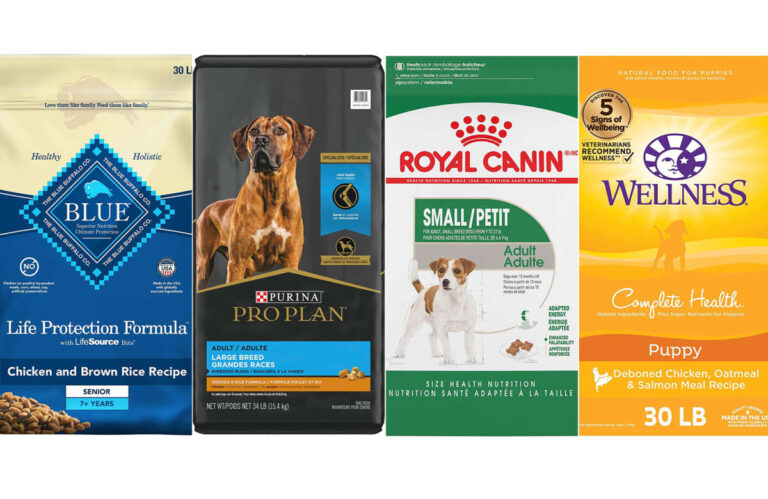
Well-regarded dog food lines often include formulas from:
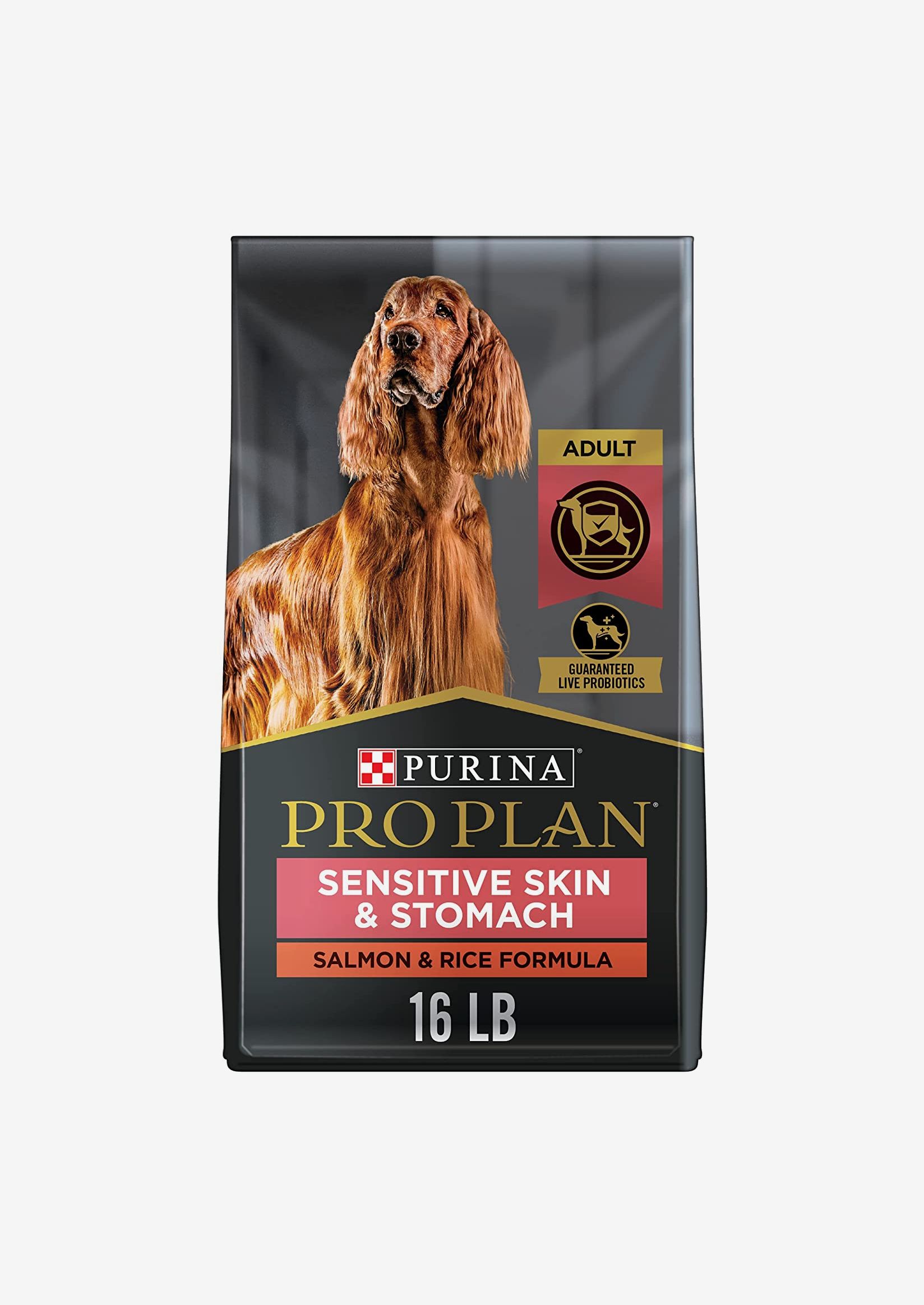
• Purina Pro Plan
• Hill’s Science Diet
• Royal Canin
• Iams
• Eukanuba
• Wellness
• Merrick
• Blue Buffalo
• Farmina
• JustFoodForDogs
These brands offer many useful formulas, but no single brand is best for every dog. A healthy adult Labrador may thrive on a different recipe than a senior Chihuahua with dental disease or a dog with food allergies.
When comparing what are some good dog foods, look for these basic features:
• A statement showing the food is complete and balanced
• A formula made for your dog’s life stage
• Protein from clearly named animal or plant sources
• Appropriate calories for your dog’s size and activity
• Quality control and feeding research from the manufacturer
• Feeding instructions that are easy to follow
A good dog food should support steady energy, healthy stools, a shiny coat, strong muscles, and a stable body weight. It should also be food your dog enjoys and can digest well.
How to choose a healthy dog food
Dog food shopping can feel like reading a science exam. The label has many terms, but a few details matter most.
Check the nutritional adequacy statement
Look for wording that says the food is “complete and balanced” for a specific life stage. In the United States, this statement is linked to nutritional standards set by the Association of American Feed Control Officials, commonly called AAFCO.
The statement may say the food is suitable for:
• Growth and development
• Adult maintenance
• All life stages
• Gestation and lactation
Puppies need food designed for growth. Large-breed puppies also need careful calcium, phosphorus, and calorie control. Adult dogs need maintenance food, while senior dogs may benefit from lower calories and added support for joint or muscle health.
Read the ingredient list wisely
Ingredients are listed by weight before cooking. This means fresh meat may appear high on the list because it contains water. A dry meat meal, such as chicken meal, is more concentrated because much of the water has been removed.
Good ingredients may include:
• Chicken, turkey, beef, lamb, salmon, or another named protein
• Chicken meal or fish meal
• Rice, oats, barley, potatoes, or other digestible carbohydrates
• Beet pulp or other helpful fiber sources
• Fish oil or flaxseed for fatty acids
• Vitamins and minerals
Do not judge a food only by its first ingredient. A complete diet depends on the whole recipe, nutrient balance, and quality control.
Consider calories, not just cups
Two dog foods may have very different calorie levels. Feeding the same cup amount of both foods can cause weight gain or weight loss.
Check the label for calories per cup, can, or serving. Then adjust the amount based on your dog’s body condition. You should be able to feel the ribs under a thin layer of fat, but the ribs should not be sharply visible in most healthy dogs.

Best types of dog food
There are several good dog food types. Each has benefits and limits.
Dry dog food
Dry food is convenient, affordable, and easy to store. It also allows simple portion control. Some dry formulas may help reduce plaque, but ordinary kibble should not replace brushing or professional dental care.
Dry food works well for many dogs. Choose a formula with complete nutrition, suitable calories, and a texture your dog can chew.
Wet or canned dog food
Canned food contains more water than kibble. This can help dogs that drink little or need extra moisture in their diet. It often has a strong smell and soft texture, which may help picky eaters or dogs with dental pain.
The main limits are cost, storage, and the risk of overfeeding. Because wet food contains more water, compare calories rather than judging portions by volume.
Fresh cooked dog food
Fresh cooked diets may use ingredients such as meat, vegetables, rice, and added vitamins. Some dogs enjoy the taste and texture. However, homemade or fresh food is not automatically complete and balanced.
If you prepare food at home, use a recipe made by a board-certified veterinary nutritionist. A diet that lacks calcium, iodine, zinc, vitamin D, or other nutrients can cause serious problems over time.
Freeze-dried and dehydrated food
These products are light, convenient, and often highly appealing to dogs. Some are complete meals, while others are meal toppers or treats.
Always check the label. A product meant only for intermittent or supplemental feeding should not make up your dog’s entire diet.
Raw dog food
Raw diets remain popular, but they carry risks. Uncooked meat can contain harmful bacteria such as Salmonella, Listeria, or E. coli. Bones can also cause broken teeth, choking, or intestinal blockage.
Research has not shown that raw food is automatically healthier than a properly made cooked diet. If you are considering raw feeding, speak with your veterinarian first, especially if children, older adults, pregnant people, or anyone with a weak immune system lives in the home.
Good dog foods for different needs
The answer to what are some good dog foods changes when a dog has a special need.
For puppies
Puppies need more calories and nutrients for rapid growth. Select puppy food that is complete and balanced for growth. Large-breed puppies should eat a formula labeled for large-breed growth.
Avoid giving puppies unlimited food. Fast weight gain can strain developing bones and joints, especially in large breeds.
For adult dogs
Most healthy adult dogs need food for adult maintenance. Choose calories based on activity. A working Border Collie may need much more energy than a calm indoor dog of the same weight.
Measure meals with a standard cup or, even better, a kitchen scale. Small changes can make a major difference over several months.
For senior dogs
Older dogs often need fewer calories because they move less. They may also benefit from higher protein quality, added omega-3 fatty acids, and nutrients that support joint function.
There is no universal legal definition of “senior” dog food. Ask your veterinarian whether your dog needs a special formula or simply smaller portions of a well-balanced adult food.
For dogs with allergies
True food allergies are less common than many owners think. Dogs may react to beef, dairy, chicken, wheat, or other ingredients, but itching can also come from fleas, skin infections, or environmental allergies.
A veterinarian may recommend an elimination diet using a novel protein or hydrolyzed protein. Do not switch foods repeatedly without a plan, because this can make the cause harder to identify.
For overweight dogs
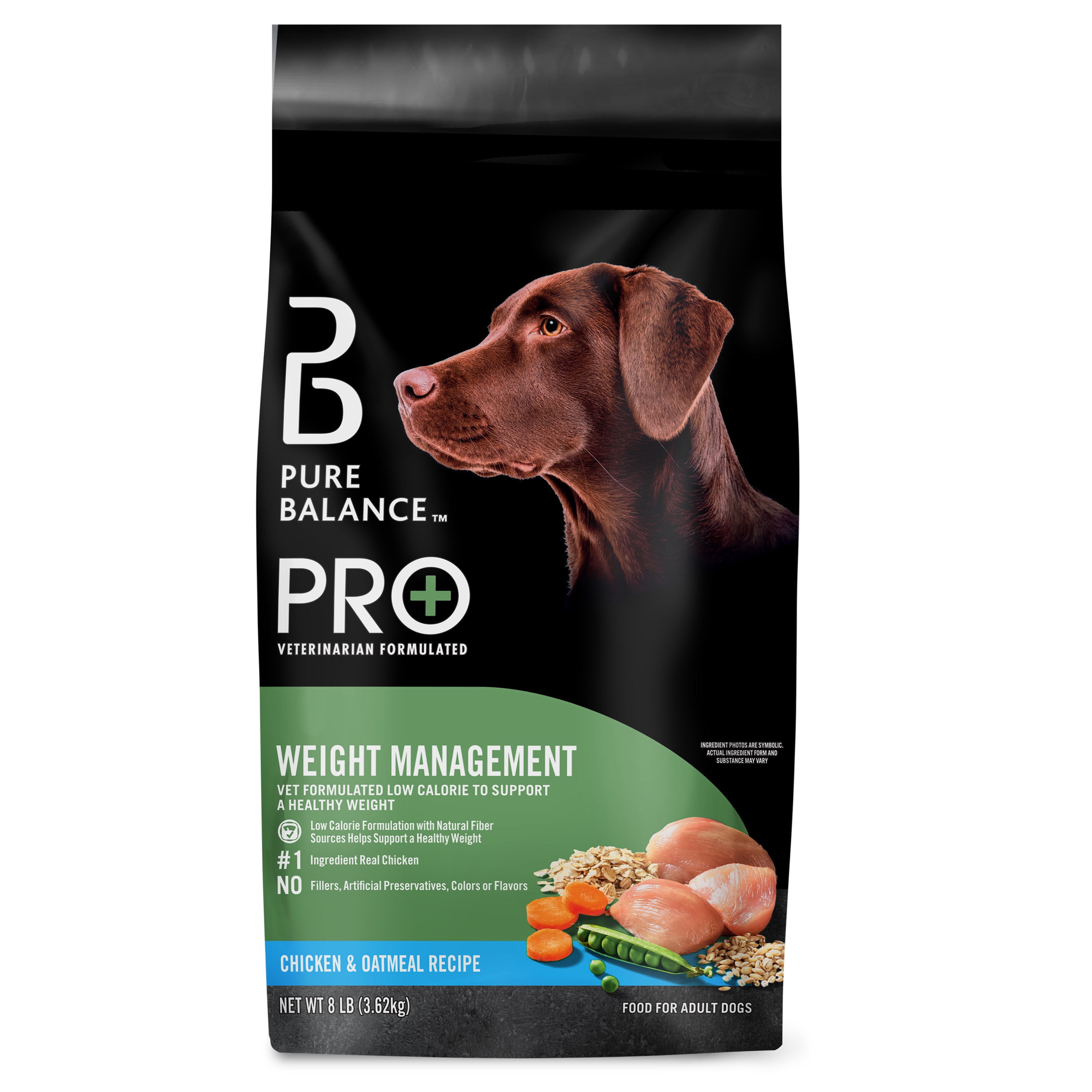
Weight-control food can help because it often provides fewer calories per cup and more fiber. Still, portion size matters. Treats, table scraps, dental chews, and extra snacks can add many calories.
Keep treats below about 10% of daily calories unless your veterinarian gives different advice. Carrot pieces, green beans, or small portions of the dog’s normal food can be useful options.

Dog food ingredients that matter most
People often ask about grains, meat, by-products, and preservatives. These topics deserve a balanced view.
Are grains bad for dogs?
Most dogs digest grains well. Rice, oats, barley, and corn can provide carbohydrates, fiber, fatty acids, and nutrients. Grain-free food is not automatically better.
The U.S. Food and Drug Administration investigated reports of canine dilated cardiomyopathy involving many diets labeled grain-free, especially those high in peas, lentils, chickpeas, or potatoes. The cause has not been proven in every case, but discuss grain-free feeding with your veterinarian before choosing it.
Are meat by-products safe?
Named by-products can be nutritious. Organ meats, for example, provide protein, minerals, and vitamins. The term does not automatically mean poor quality.
Look for clear labeling and buy from companies with strong manufacturing standards. Ingredient names matter, but the complete nutrient profile matters more.
Are preservatives harmful?
Preservatives help prevent spoilage and keep food safe. Some foods use mixed tocopherols, citric acid, or other approved preservatives. Proper storage is also important.
Keep dry food sealed in its original bag inside an airtight container. Wash food bowls often, refrigerate opened canned food, and throw away spoiled food.
How to switch your dog to a new food
A slow change can prevent vomiting, gas, and diarrhea. Most dogs do well with a seven-day transition.
- Days 1 and 2: Feed 75% old food and 25% new food.
- Days 3 and 4: Feed 50% old food and 50% new food.
- Days 5 and 6: Feed 25% old food and 75% new food.
- Day 7: Feed 100% new food.
Some sensitive dogs need two weeks or longer. If your dog develops repeated vomiting, severe diarrhea, blood in the stool, weakness, or refuses food, stop the transition and contact a veterinarian.
One practical lesson is to change only one major factor at a time. If you start a new food, new treats, and new supplements on the same day, you will not know which change caused a problem.
Common mistakes when buying dog food
Even caring owners can make mistakes. The most common ones are simple to avoid.
• Choosing food because the package looks natural or attractive
• Assuming a high price always means higher quality
• Feeding based only on the suggested cup amount
• Giving too many treats or table scraps
• Switching food too quickly
• Using puppy food for an inactive adult dog
• Ignoring changes in weight, stool, thirst, or appetite
• Feeding a homemade diet without professional formulation
• Buying a supplement before checking the full diet
• Trusting online claims instead of asking a veterinarian
Marketing words such as “holistic,” “premium,” and “natural” may sound helpful, but they do not tell you whether a food is complete, balanced, or right for your dog.
When deciding what are some good dog foods, focus on evidence, nutrient needs, manufacturing quality, and your dog’s response.
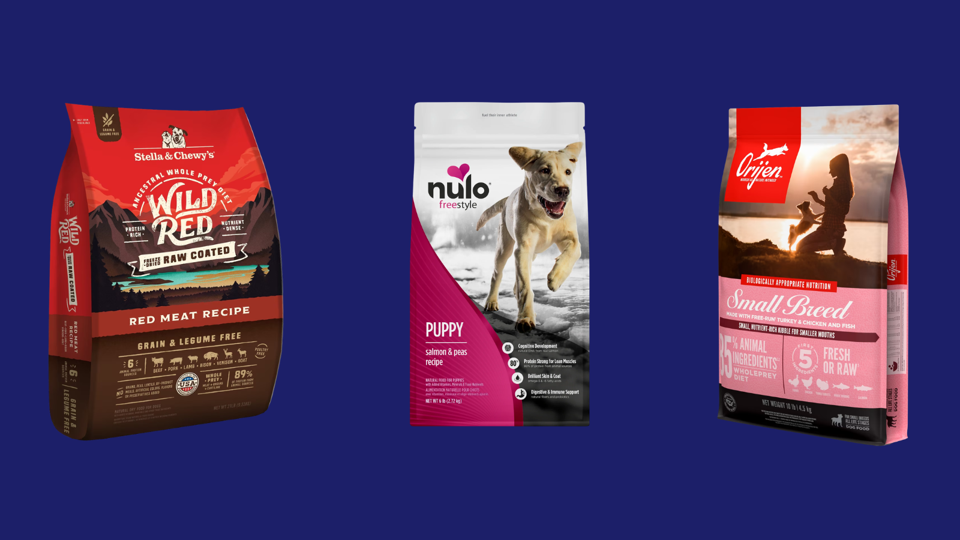
How much food should your dog eat?
The feeding chart on the package is a starting point, not a fixed rule. Dogs of the same weight may need different amounts because of age, breed, metabolism, activity, and health.
Use these steps:
- Find your dog’s current weight and life stage.
- Check the food’s calories per cup or serving.
- Measure the daily portion carefully.
- Divide the portion into one or two meals.
- Check body condition every two to four weeks.
- Adjust the amount gradually if weight changes.
Puppies may need three meals each day. Many adult dogs do well with two meals. Older dogs or dogs with medical conditions may need a feeding plan from a veterinarian.
Fresh water should always be available. Increased thirst, frequent urination, sudden hunger, or rapid weight change can signal a health problem rather than a food problem.

What are some good dog foods for picky eaters?
Picky eating can result from taste, texture, stress, dental pain, nausea, or too many snacks. Before calling a dog “fussy,” make sure the dog has a healthy mouth and no signs of illness.
You can try:
• Mixing a small amount of canned food with kibble
• Adding warm water to release the food’s smell
• Offering meals at set times
• Removing the bowl after 15 to 20 minutes
• Cutting back on treats
• Using a food puzzle for mental enrichment
Avoid changing foods every few days. This can teach a dog to wait for something more exciting and may upset the stomach.
If appetite drops suddenly or your dog refuses food for more than a day, contact a veterinarian. Puppies, elderly dogs, and dogs with chronic illness may need help sooner.
Frequently Asked Questions About What Are Some Good Dog Foods
What are some good dog foods for most healthy adult dogs?
Good choices include complete and balanced adult formulas from established manufacturers with strong quality control. Select a recipe that fits your dog’s calorie needs, activity level, size, and digestive tolerance.
Is expensive dog food always better?
No. Price does not prove that a food is more nutritious or safer. Compare the nutritional adequacy statement, calorie content, company quality controls, and your dog’s health response.
Is grain-free dog food better for dogs?
Grain-free food is not automatically better. Most dogs can digest grains, and some grain-free diets have been linked to reports of heart disease that are still being studied.
Should dogs eat dry food or wet food?
Both can be healthy when they are complete and balanced. Dry food is convenient and often less expensive, while wet food provides more moisture and may suit dogs with dental problems or low appetite.
How often should I change my dog’s food?
You do not need to change food if your dog is healthy, maintains a good weight, and has normal stools. When a change is needed, transition slowly over about seven days or longer for sensitive dogs.
Can I make homemade dog food?
You can, but homemade food must be carefully balanced. Work with a veterinary nutritionist because common recipes may lack calcium, vitamins, minerals, or essential fatty acids.
What are some good dog foods for dogs with allergies?
Veterinarians often use a hydrolyzed protein diet or a carefully selected novel-protein diet for allergy trials. Do not rely on repeated food changes without professional guidance, since skin and stomach symptoms have many possible causes.
Conclusion
The best dog food is complete, balanced, safe, and suited to your dog’s age, health, activity, and body condition. Dry, wet, fresh, and other formats can all work when they meet recognized nutrition standards and are fed in the right amount.
When deciding what are some good dog foods, look beyond package claims. Read the adequacy statement, compare calories, measure portions, transition slowly, and ask your veterinarian about special needs. Take a close look at your dog’s weight, stool, coat, energy, and appetite, then make changes based on evidence rather than marketing. Share your dog’s food journey with your veterinarian and keep learning as your dog’s needs change.

Pet Care Writer & Researcher
Daniel writes practical guides on daily care, feeding, and safety, turning complex topics into simple, actionable advice.