
How To Stop A Chihuahua From Barking: Proven Calm-Down Tips
Learn how to stop a chihuahua from barking with gentle training tips, triggers to avoid, and simple ways to build a calmer, quieter home.
Stop Chihuahua barking by finding the trigger, teaching a quiet cue, and rewarding calm behavior every time.
Chihuahuas bark for many reasons. They may feel afraid, guard their home, demand attention, react to sounds, or simply have learned that barking works. Learning how to stop a chihuahua from barking is not about forcing silence. It is about finding the cause, changing the habit, and helping your dog feel safe. This guide explains humane, practical steps that work in real homes, along with mistakes to avoid and signs that professional help may be needed.
Why Chihuahuas Bark So Much
Chihuahuas are small dogs with big feelings. Their size does not make their senses, fear, or need for control any smaller. A noise that seems minor to you may feel like a serious threat to your dog.
Before you try to stop a chihuahua from barking, watch what happens before, during, and after each bark. The trigger often tells you more than the sound itself.
Common causes include:
• Alarm barking at people, dogs, cars, or sounds
• Fear barking caused by stress or poor socialization
• Attention barking when your dog wants food, play, or contact
• Territorial barking near doors, windows, or fences
• Boredom barking from too little exercise or mental activity
• Separation-related barking when you leave
• Pain, hearing loss, confusion, or other health problems
The reward may also be hidden. For example, your Chihuahua barks at the window, and the mail carrier walks away. Your dog may believe the barking chased the person off. From the dog’s point of view, the plan worked.
Find the Barking Trigger First
Keep a simple barking log for three to five days. Write down the time, trigger, location, length of barking, and what you did next. This small record can reveal a clear pattern.
For example, you may notice that your dog barks only when delivery workers approach the door. Another dog may bark whenever the family sits down to eat. Each case needs a different training plan.
Ask yourself these questions:
• What happens right before the barking starts?
• Is your dog looking at something or searching for you?
• Does the barking stop after you give attention?
• Does your Chihuahua bark more when tired, alone, or overstimulated?
• Is the body loose, or does your dog look tense and afraid?
Body language matters. A stiff body, tucked tail, pinned ears, lip licking, trembling, or hiding may point to fear. A relaxed body with jumping and pawing may suggest excitement or attention seeking.
If barking begins suddenly or becomes much worse, schedule a veterinary exam. Dental pain, joint pain, illness, age-related confusion, and hearing changes can affect behavior. A medical check is especially important for older Chihuahuas.
Teach a Reliable Quiet Cue
A quiet cue gives your dog a clear job. It works best when you teach it during calm practice, not during a full barking storm.
Start in a quiet room. Make a gentle sound that causes one or two soft barks, or wait for a natural bark. Hold a high-value treat near your dog’s nose. Most dogs pause to sniff. The moment your dog is quiet, say “quiet” in a calm voice and give the treat.
Repeat this process several times. Keep each session short, around three to five minutes. Over time, wait for one second of silence, then two seconds, and slowly build toward longer calm periods.
Use this order:
-
Allow a small trigger.
-
Say “quiet” once.
-
Wait for silence.
-
Mark the calm moment with “yes” or a click.
-
Give a treat.
-
Repeat and slowly increase the quiet time.
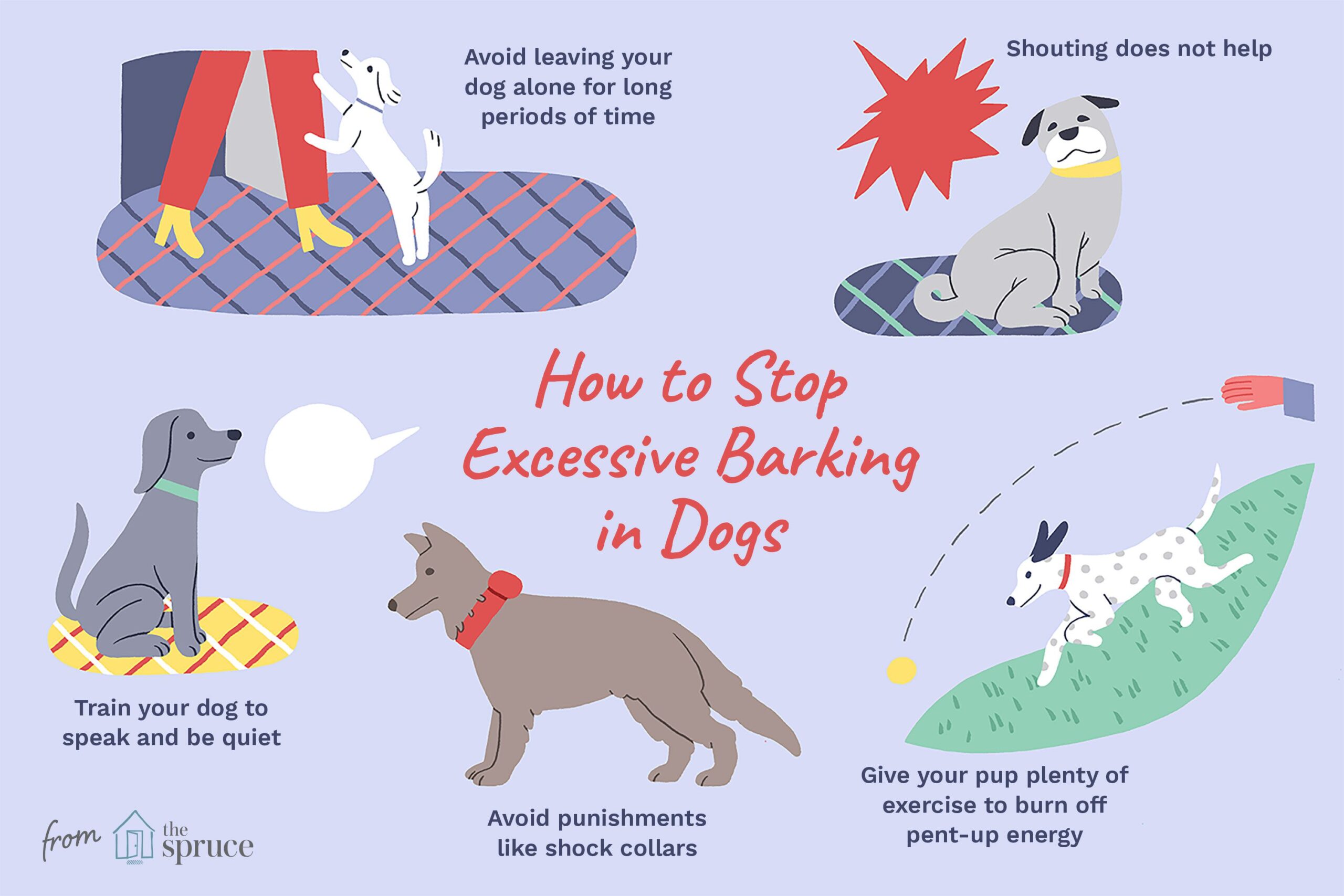
Do not repeat “quiet, quiet, quiet” while your dog keeps barking. That can turn the word into background noise. Do not shout, either. Many dogs hear yelling as more barking from you, which can increase excitement.
When learning how to stop a chihuahua from barking, timing matters more than volume. Reward the pause, not the bark.
Use Positive Reinforcement Correctly
Positive reinforcement means giving your dog something valuable after the behavior you want. The reward may be food, a toy, praise, a door opening, or permission to sniff outside.
The reward must come quickly. If you wait too long, your Chihuahua may not understand what earned it. Think of the reward as a snapshot. It should capture the exact calm behavior you want to see again.
Useful rewards include:
• Small pieces of cooked chicken
• Soft training treats
• A favorite toy
• A short game
• Gentle praise
• Access to a window after sitting quietly
Avoid giving attention during demand barking. Turning toward your dog, saying “stop,” or picking the dog up may still feel rewarding. Instead, wait for a brief pause. Then ask for a simple behavior, such as sitting, and reward that calm choice.
This does not mean ignoring fear. A frightened dog needs safety and support. The goal is not to withhold comfort. The goal is to avoid forcing the dog to face a trigger before the dog is ready.
Reduce Triggers in Your Home
Training works faster when your Chihuahua has fewer chances to practice barking. Every barking session can strengthen the habit, much like walking the same path makes the path easier to follow.
Manage the home while you train:
• Close curtains if window watching causes barking.
• Use privacy film on lower windows.
• Move furniture away from lookout spots.
• Play soft background music or white noise.
• Keep your dog away from the front door during deliveries.
• Ask visitors to text instead of knocking.
• Use a baby gate to create a calm area.
• Give a food puzzle before busy times.
If your Chihuahua barks at people outside, do not wait until the dog is frantic. Notice the person early, say “quiet,” and reward your dog for looking at you. With practice, the sight of a person can become a signal to check in with you.
This approach is called management. It does not replace training, but it prevents repeated mistakes while new habits develop.

Meet Your Chihuahua’s Exercise and Mental Needs
A tired dog is not always a quiet dog. Too much intense activity can make some Chihuahuas more excited. The better goal is balanced activity that helps the body and brain settle.
Try a daily mix of:
• Short walks with time to sniff
• Gentle play
• Treat searches around the room
• Food puzzles
• Basic obedience practice
• Safe chewing activities
• Calm mat training
Sniffing is especially useful. It lets your dog gather information and may help reduce stress. Several short walks can work better than one long walk for a small dog.
Avoid rough play right before a known barking trigger. If your Chihuahua becomes wild after chasing a ball, use calm sniffing or a food puzzle before guests arrive instead.
Sleep also matters. Puppies and young dogs may need many hours of rest. An overtired Chihuahua can become jumpy, nippy, and vocal. Give your dog a quiet sleeping area and protect nap time.
Handle Doorbell and Visitor Barking
Door barking is one of the most common complaints. The solution is to replace the rush-to-the-door routine with a simple routine your dog can repeat.
First, teach “go to mat” when no one is visiting. Lure your Chihuahua onto a mat, reward, and release. Practice until your dog walks there on cue.
Then add mild door sounds. Ask a helper to tap softly or play a quiet recording. Send your dog to the mat and reward calm behavior. Increase the sound only when your dog remains relaxed.
When a real visitor arrives:
-
Put your Chihuahua behind a gate or on a leash.
-
Ask the dog to go to the mat.
-
Reward quiet pauses.
-
Let the visitor enter without reaching toward the dog.
-
Release your dog only when the body looks loose and calm.
Do not force greetings. A Chihuahua may need distance before feeling safe. Tell visitors to ignore the dog at first. No staring, leaning over, or sudden touching.
If your dog cannot eat, respond, or settle, the trigger is too strong. Increase distance and try again later.
Stop Attention and Demand Barking
Some Chihuahuas bark because barking starts a conversation. If barking earns eye contact, lifting, food, or play, the behavior can become very persistent.
Teach your dog that quiet behavior gets results. Before meals, wait for a calm pause. Before opening the door, ask for a sit. Before picking up a toy, reward four paws on the floor.
Use a short phrase such as “all done” when you cannot respond. Then turn away or calmly leave for a few seconds. Return when your dog is quiet. Be consistent, because occasional rewards can make demand barking stronger.
Do not punish your dog for asking. Instead, teach a better way to ask. Your Chihuahua can touch your hand, sit, bring a toy, or lie on a mat.
One common mistake is giving in after several minutes of barking. To the dog, this may teach, “Bark longer next time.” Plan ahead and reward quiet behavior before frustration builds.
Help With Separation Barking
Barking that happens only when you leave may relate to separation distress. Other signs can include pacing, drooling, scratching doors, destruction, indoor accidents, or frantic greetings.
A camera can help you see what happens after you leave. Start with very short absences. Step out for one or two seconds, return calmly, and reward relaxed behavior. Slowly increase the time only when your dog remains calm.
Helpful steps include:
• Exercise and toilet your dog before leaving.
• Give a safe food toy during short absences.
• Keep departures and returns calm.
• Practice picking up keys without leaving.
• Avoid sudden increases in alone time.
• Ask a friend, sitter, or walker for help when needed.
Never use a crate as a cure for panic. A crate may help a dog that already feels safe there, but confinement can worsen distress in some dogs. A veterinarian or certified behavior professional can create a safe separation plan.
If your Chihuahua panics within seconds, professional guidance is wise. Severe separation anxiety often needs a structured behavior plan and, in some cases, medication prescribed by a veterinarian.

What Not to Do When Your Chihuahua Barks
Some methods may stop sound for a moment but create greater fear or stress. Punishment can also hide warning signs without changing the underlying emotion.
Avoid:
• Hitting, shaking, or startling your dog
• Yelling repeatedly
• Using shock, spray, or ultrasonic collars
• Forcing your dog toward a feared trigger
• Holding the mouth shut
• Leaving the dog outside to bark for long periods
• Rewarding barking by rushing over every time
Veterinary behavior groups, including the American Veterinary Society of Animal Behavior, support reward-based training. Research and clinical experience show that fear and pain can harm welfare and may lead to defensive behavior.
A quiet dog is not always a relaxed dog. Watch the whole body, not just the mouth. Good training creates more calm choices, better recovery, and trust between you and your dog.
Build a Simple Daily Training Plan
Consistency beats long training sessions. Use a plan that fits normal life.
Morning:
• Take a sniffing walk.
• Practice “look at me” and “quiet” for three minutes.
• Reward calm behavior while you prepare breakfast.
Afternoon:
• Offer a puzzle toy.
• Practice mat training.
• Block the main barking window trigger.
Evening:
• Do gentle play.
• Practice door sounds at a low level.
• Reward your Chihuahua for resting quietly.
Keep treats small. A Chihuahua needs only tiny pieces, and too many calories can cause weight gain. You can also use part of your dog’s normal meal for training.
Track progress by noting how quickly your dog recovers, not just how many barks occur. At first, your Chihuahua may still bark but settle sooner. That is real progress.
When people ask how to stop a chihuahua from barking, I stress one lesson again and again: do not expect a perfect silent home. Chihuahuas are alert dogs. The realistic goal is fewer, shorter, less intense barking episodes and a dog that can respond to you.

When to Get Professional Help
Contact your veterinarian if barking starts suddenly, changes sharply, or appears with pain, confusion, aggression, or other health changes.
Seek a qualified behavior professional if:
• Your dog bites or tries to bite.
• Your Chihuahua panics around ordinary sounds.
• Barking continues for hours.
• Training increases fear.
• Your dog cannot eat near the trigger.
• Separation distress causes injury or damage.
• You feel overwhelmed or unsafe.
Look for a certified applied animal behaviorist, a veterinary behaviorist, or a reward-based dog trainer with strong credentials. Ask what tools and methods they use. Avoid anyone who promises instant results or relies on fear and punishment.
Professional help is not a failure. It is like hiring a guide when a trail becomes difficult. Early support often saves time and prevents the problem from becoming more deeply rooted.

Frequently Asked Questions About How to Stop a Chihuahua From Barking
How long does it take to stop a Chihuahua from barking?
Most dogs need several weeks of steady practice to show clear improvement. The timeline depends on the cause, the dog’s age, past learning, health, and how often the trigger appears.
Should I ignore my Chihuahua when barking?
Ignore attention-seeking barking when it is safe to do so, but do not ignore fear or panic. Wait for a brief pause, then reward a calm behavior and provide support without increasing the fear.
Do bark collars work for Chihuahuas?
Bark collars may suppress sound but do not teach the dog why barking is unwanted or how to cope with triggers. Shock, spray, and startling devices can increase fear, so reward-based training is a safer choice.
Why does my Chihuahua bark at everything outside?
Your dog may be alarmed, territorial, excited, or sensitive to movement and sound. Block the view, add distance from the trigger, and reward your Chihuahua for looking at you and staying quiet.
Can exercise stop a Chihuahua from barking?
Exercise can help when boredom or unused energy contributes to barking. Sniff walks, play, training, and food puzzles are useful, but exercise alone will not resolve fear or separation distress.
Should I say “no” when my Chihuahua barks?
A calm interruption may help, but repeated “no” commands often add noise and attention. Teach a clear cue such as “quiet,” then reward the moment your dog stops barking.
Conclusion
Learning how to stop a chihuahua from barking starts with understanding the reason behind the noise. Identify the trigger, reduce stressful situations, teach a quiet cue, reward calm behavior, and practice in small steps. Avoid punishment, and get veterinary or behavior support when fear, pain, aggression, or separation distress is involved.
Your Chihuahua does not need to become silent to become easier to live with. Start with one trigger today, practice for a few minutes, and celebrate every calm pause. For more practical dog behavior guidance, explore trusted training resources or share your experience in the comments.

Pet Care Writer & Researcher
Daniel writes practical guides on daily care, feeding, and safety, turning complex topics into simple, actionable advice.