How To Stop My Dog From Barking When I Leave: Easy Tips
Learn how to stop my dog from barking when I leave with proven training tips to ease separation anxiety and help your pet stay calm.
Teach calm alone-time skills, use gradual departures, and reward quiet behavior to stop your dog from barking when you leave.
If you are searching for how to stop my dog from barking when I leave, you are likely dealing with stressed neighbors, worried feelings, or a dog that seems calm only when you are home. The right plan depends on the cause, but most dogs improve with steady training, better routines, and safe alone-time practice. This guide explains what works, what can make barking worse, and when professional help is needed.
Why Dogs Bark When Their Owners Leave
Barking after you leave is often a sign of stress, not stubbornness. Your dog may feel afraid, bored, frustrated, or unsure when the normal routine changes.
Some dogs bark for a few minutes and then settle. Others bark for most of the time they are alone. These cases need different plans, so start by finding the likely cause.
• Separation anxiety: Your dog feels panic when separated from you.
• Alert barking: Sounds from people, cars, or other dogs trigger your dog.
• Boredom: Your dog has little to do after you leave.
• Excess energy: Your dog needs more physical or mental activity.
• Learned behavior: Barking may have helped your dog get attention in the past.
• Fear: Your dog may fear being alone, outdoor sounds, darkness, or confinement.
• Poor timing: A sudden change in work hours can make alone time harder.
A camera can help you see what happens after the door closes. Watch for pacing, drooling, scratching, whining, destruction, or repeated trips to the door. These signs may point to separation distress rather than simple noise.

First, Find Out Whether Your Dog Has Separation Anxiety
Separation anxiety is a strong fear response linked to being away from a trusted person. It is more serious than normal protest barking and often needs a careful behavior plan.
A dog with separation anxiety may show signs before you even leave. For example, your dog may follow you from room to room, watch your keys, tremble when you put on shoes, or rush toward the door.
After you leave, look for:
• Barking, howling, or whining that starts within minutes
• Scratching doors or windows
• Chewing door frames or personal items
• Urinating or defecating despite being house-trained
• Drooling, panting, shaking, or frantic pacing
• Attempts to escape a crate, room, or yard
A phone or pet camera recording can reveal these patterns. If your dog stays upset for a long time, do not assume the problem will fade on its own. Severe fear can become stronger with repeated panic.
A veterinarian can check for pain, illness, hearing changes, or other problems that may increase vocal behavior. A veterinary behaviorist or qualified positive-reinforcement trainer can then help build a safer plan.
How to Stop My Dog From Barking When I Leave: A Step-by-Step Plan
The best answer to how to stop my dog from barking when I leave is gradual training. Your dog must learn that your departure is safe and temporary.
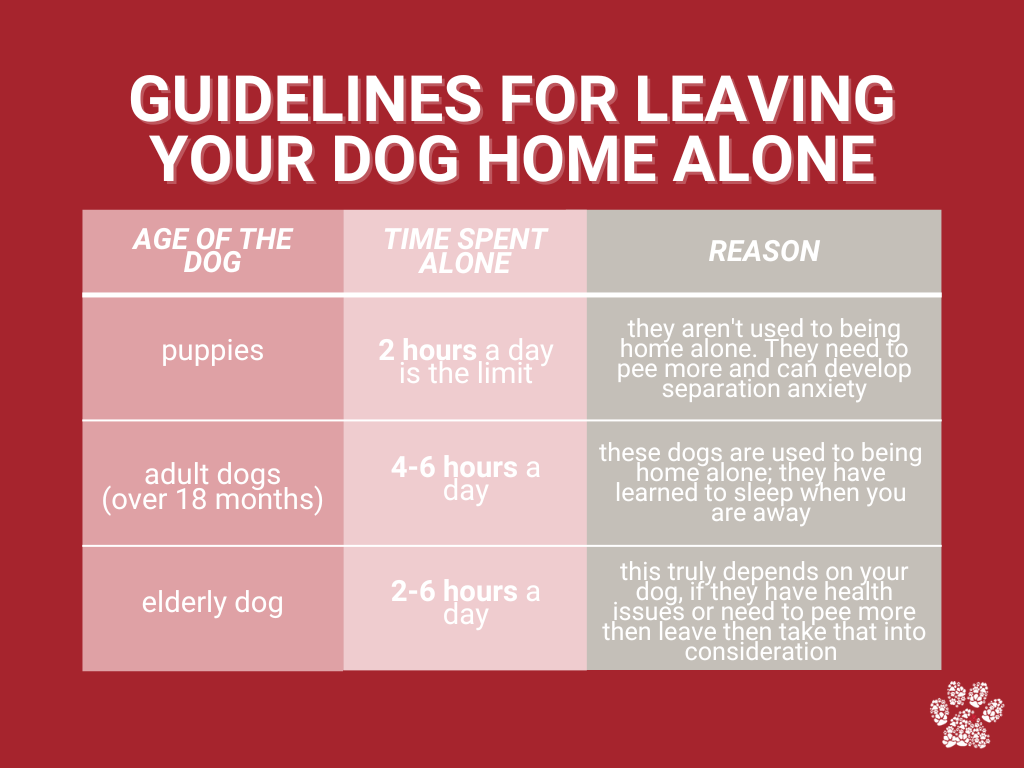
Do not begin with a full workday if your dog panics after 30 seconds. Start below your dog’s stress limit. This limit is the longest period your dog can stay calm.
1. Record your dog’s starting point
Use a camera to learn when barking begins. If your dog barks after 20 seconds, begin with absences of only 5 to 10 seconds.
Write down:
• How long your dog stays calm
• What signs appear before barking
• Which sounds or actions trigger stress
• How quickly your dog settles after you return
This gives you a clear starting point. Guessing often leads owners to move too fast.
2. Practice departure cues
Dogs often learn that keys, shoes, coats, and bags predict a long absence. You can make these cues less powerful.
Try this several times each day:
-
Pick up your keys.
-
Put on your coat.
-
Walk to the door.
-
Sit down and read or watch television.
-
Repeat until your dog stays relaxed.
Do not leave during every practice session. The goal is to break the link between these cues and a scary event.
3. Use tiny absences
Walk outside for one or two seconds, then return before your dog becomes tense. Wait a short time, then repeat.
Increase the time in small steps:
• Two seconds
• Five seconds
• Ten seconds
• Fifteen seconds
• Thirty seconds
• One minute
Only increase the time when your dog remains calm during several trials. If barking starts, return to the last easy step. This is not failure. It is useful information.
4. Reward calm behavior
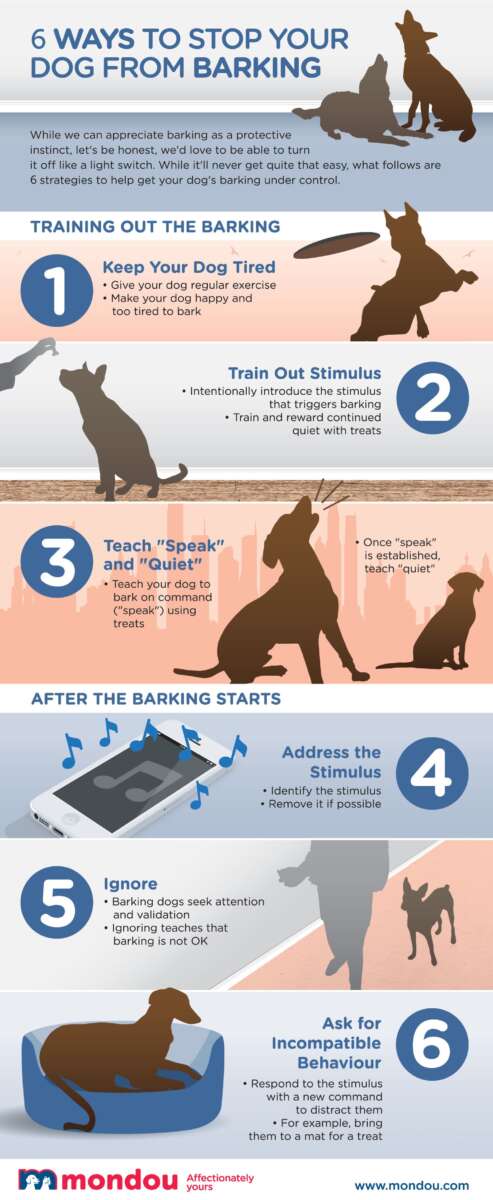
Give a quiet reward when your dog settles on a mat, bed, or open crate. You can use a small treat, calm praise, or access to a safe chew.
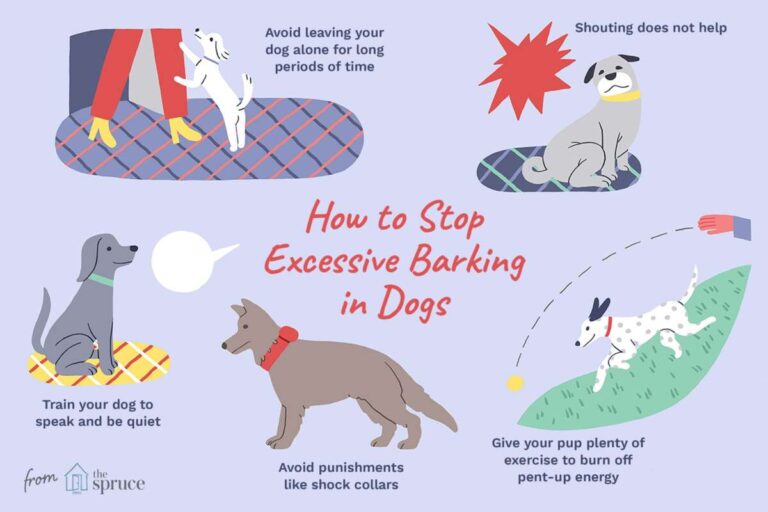
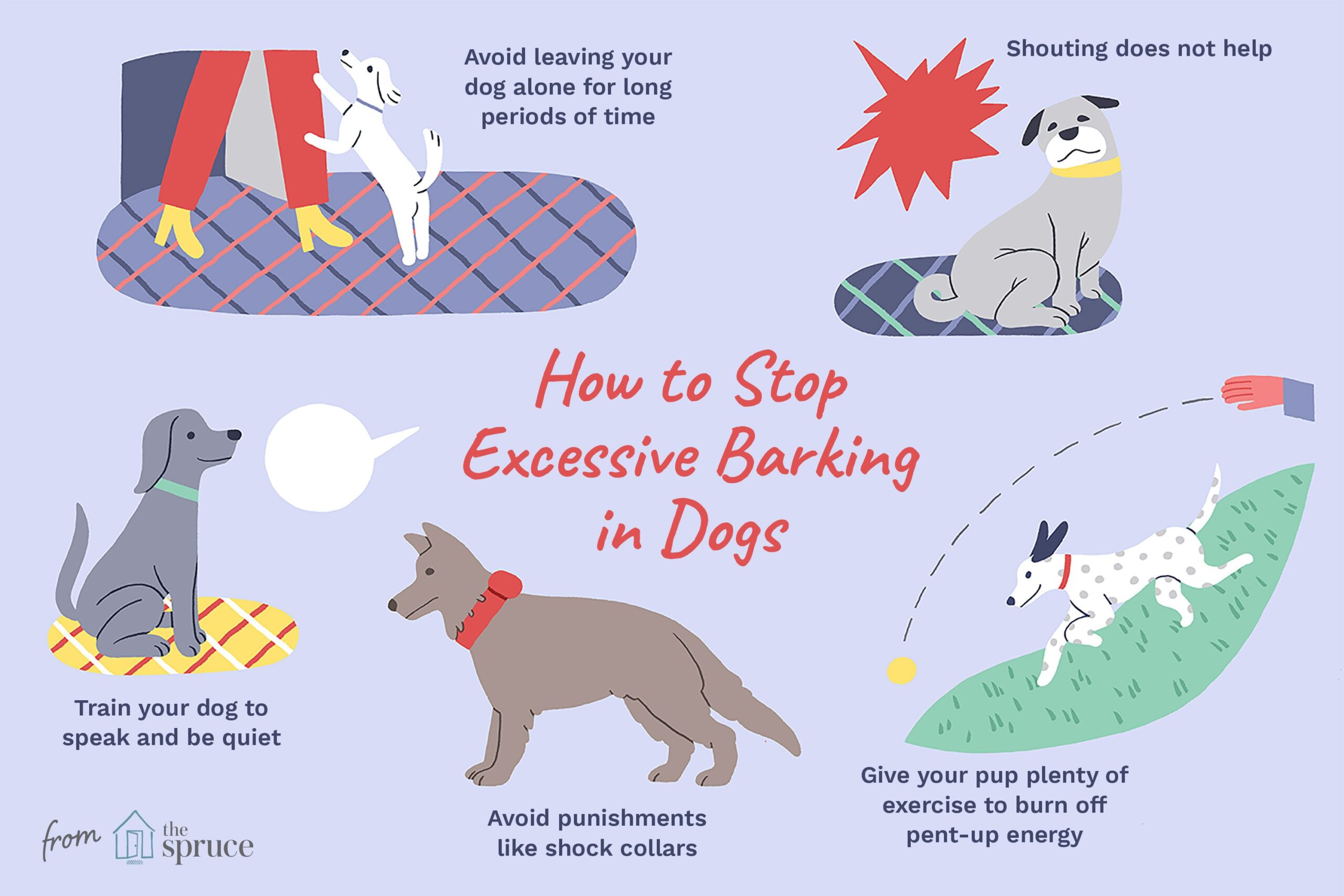
Reward the behavior you want to see. If your dog is barking at the door, wait for a brief pause before giving attention. Do not yell, because your dog may hear your raised voice as more barking.
5. Keep departures boring
Long goodbyes can increase excitement and worry. Use a calm phrase, leave without drama, and avoid repeated returns to say goodbye.
This does not mean you should ignore your dog all day. It means the moment of departure should feel normal, like walking to another room.
6. Practice returns without creating a party
When you come home, stay calm for a minute or two. Put down your items, breathe, and wait for your dog to settle before offering excited attention.
A calm return teaches your dog that coming and going are ordinary events. You can still greet your dog with affection once the first burst of excitement fades.