Does Poodle Bark A Lot: What Dog Owners Should Know
Does poodle bark a lot? Learn why poodles bark, which breeds are most vocal, and practical ways to reduce excessive barking.
Yes, Poodles can bark a lot, but training, exercise, and their environment strongly shape how often they vocalize.
The question “does poodle bark a lot” has a more useful answer than a simple yes or no. Poodles are smart, alert, social dogs that may bark to communicate, warn you, seek attention, or release stress. With the right routine, most Poodles can learn when barking is useful and when quiet behavior is expected.
Does Poodle Bark a Lot?
Yes, some Poodles bark often, especially when they are bored, anxious, excited, or alert to sounds. However, barking is not guaranteed to be a serious problem. A well-exercised and well-trained Poodle may bark only when something truly catches its attention.
Poodles come in three sizes:
• Toy Poodle
• Miniature Poodle
• Standard Poodle
All three varieties can be vocal. Size does not reliably predict barking. A Toy Poodle may bark at hallway sounds, while a Standard Poodle may bark at people near the yard. The cause matters more than the dog’s size.
Poodles were bred as working dogs and are known for quick learning. That intelligence is helpful during training, but it can also make them skilled at repeating behaviors that get results. If barking brings attention, treats, play, or access to a door, a Poodle may learn to bark more often.

Why Do Poodles Bark?
To understand does poodle bark a lot, look at what happens before each barking episode. Barking is often a response to a trigger, not a random habit.
Alert barking
Poodles may bark when they hear a delivery truck, doorbell, dog, or unfamiliar voice. Their sharp hearing makes small sounds easy to notice. Alert barking can be useful, but it may become excessive if the dog reacts to every noise.
Attention-seeking barking
Some Poodles bark because they want food, play, petting, or access to a favorite room. If people respond each time, the dog may see barking as a successful way to communicate.
Boredom barking
A Poodle needs mental activity as well as physical exercise. Without enough stimulation, barking can become a self-made activity. Puzzle toys, scent games, training sessions, and walks can help fill this need.
Fear or anxiety
A nervous Poodle may bark at strangers, cars, loud sounds, or other dogs. This bark often comes with signs such as pacing, hiding, trembling, lip licking, or a stiff body.
Separation-related barking
Some Poodles bark when left alone because they feel distressed. This is different from mild protest barking. Separation anxiety may also cause destruction, house-soiling, drooling, or attempts to escape.
Excitement
Poodles may bark during play, before walks, or when visitors arrive. Excitement barking is common, but it can still become difficult if the dog cannot settle.
Frustration
A Poodle may bark when it sees another dog through a window or cannot reach a person outside. This is called barrier frustration. Closing the blinds or changing the dog’s view can reduce the trigger.

Are Toy, Miniature, and Standard Poodles Different?
The answer to does poodle bark a lot can vary by the individual dog and by its daily life. Still, each variety may show slightly different patterns.
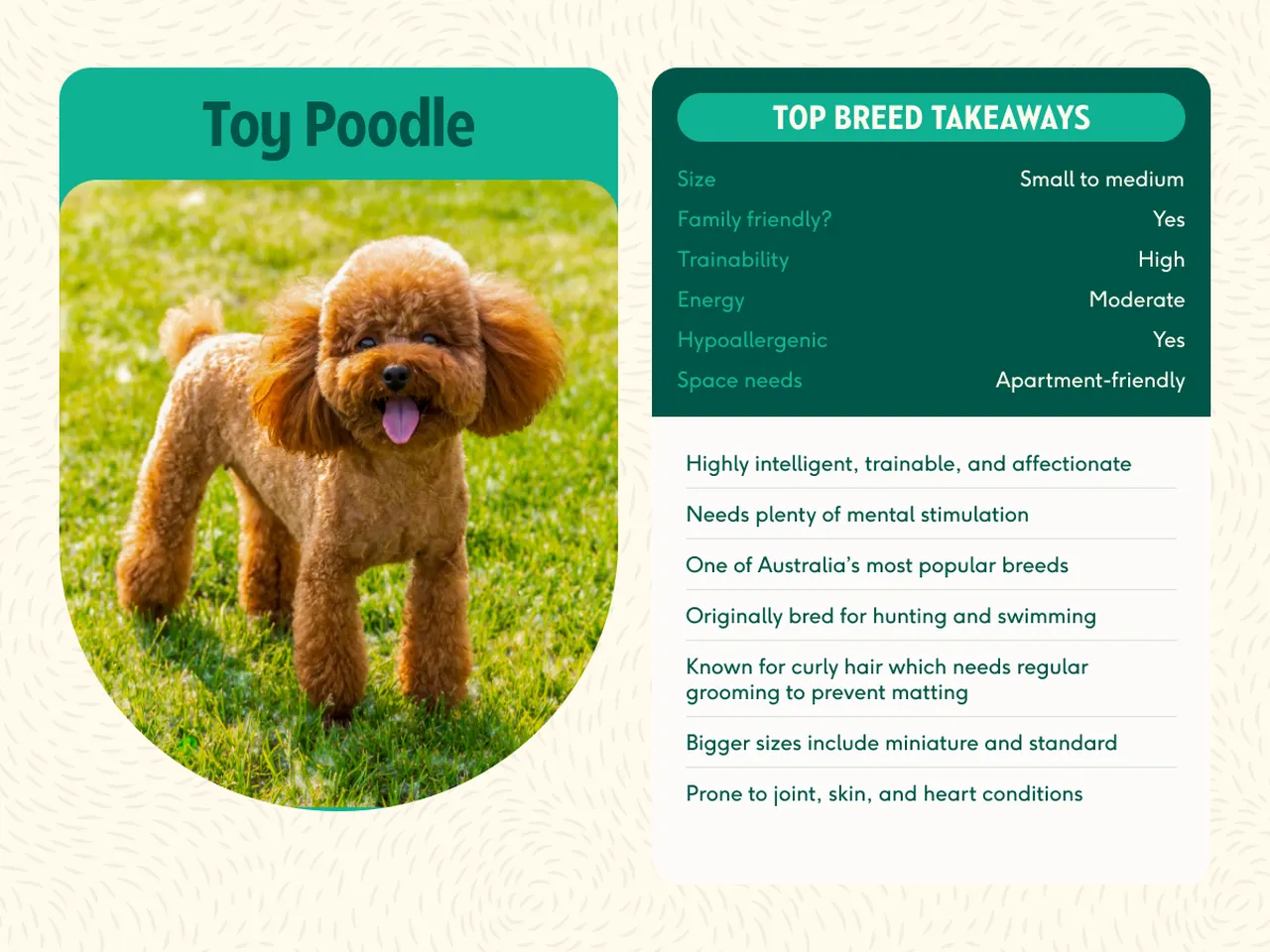
Toy Poodles are small but often very alert. Their size does not make them quiet. Many Toy Poodles react strongly to household sounds, footsteps, and visitors because they notice changes quickly.
Miniature Poodles are active, clever, and often highly social. They may bark when they want interaction or when they are under-stimulated. A busy family can help a Miniature Poodle thrive, but too much noise may also keep it on alert.
Standard Poodles are often calmer in body and movement, but they can still bark frequently. They need regular exercise and meaningful tasks. A large yard alone is not enough if the dog spends most of the day without interaction.
Genetics play a role, but they do not decide everything. Early socialization, training, health, sleep, and the home environment can strongly affect vocal behavior.

How Much Barking Is Normal?
There is no single number of barks that defines a normal Poodle. Normal barking depends on the situation, the dog’s personality, and how quickly the dog can calm down.
A few alert barks when someone approaches the home are usually normal. Barking for long periods at every sound, barking through the night, or barking whenever the owner leaves may signal a deeper issue.
Watch the pattern instead of counting every bark. Ask these questions:
• What caused the barking?
• How long did it last?
• Could the dog stop when asked?
• Did the dog look relaxed or afraid?
• Was the dog tired, hungry, lonely, or overstimulated?
• Did barking lead to attention or another reward?
A short video can help you spot patterns. This is useful because barking often happens when owners are away or in another room.
Sudden barking in an older Poodle deserves special attention. Pain, hearing loss, vision changes, cognitive decline, or other health problems can affect behavior. A veterinarian should assess any sudden or severe change.
How to Stop Excessive Poodle Barking
If you wonder does poodle bark a lot because your dog seems unable to settle, start by finding the cause. Training works best when it changes the reason for the barking, not just the sound.
1. Track the trigger
Write down when barking happens. Include the time, location, sound, people nearby, and what stopped it. This simple record can reveal whether the main cause is boredom, visitors, noise, or separation.
2. Meet exercise needs
Poodles need regular movement. Walks, safe games, swimming, and controlled play can help use extra energy. Avoid trying to tire a fearful dog with intense exercise, since stress may make the problem worse.
3. Add mental work
Short training sessions can be more tiring than a long walk. Try:
• Name recognition
• Sit and stay practice
• Find-the-treat games
• Food puzzle toys
• Scent games
• Trick training
• Calm mat training
Five to ten minutes of focused work can make a clear difference.
4. Teach a quiet cue
First, allow one or two alert barks. Then calmly say “quiet” in a soft voice. When your Poodle pauses, even for one second, give a small treat.
Increase the quiet time slowly. Do not shout, since shouting may sound like barking to your dog. It can also increase fear or excitement.
5. Reward calm behavior
Notice your Poodle when it is lying quietly, watching the world without reacting, or choosing a toy instead of barking. Reward the behavior you want before barking starts.
This is one of the most useful lessons in dog training: calm behavior needs practice and payment too.
6. Reduce visual triggers
If your Poodle barks at people or dogs outside, manage the environment. Close curtains, use window film, move furniture away from the window, or create a quiet resting area.
Management is not failure. It prevents your dog from rehearsing the unwanted behavior all day.
7. Teach an alternative behavior
Ask your Poodle to go to a mat when the doorbell rings. Practice with a low-volume recording first, then reward the dog for moving to the mat and staying there.
Use very small steps. If your dog explodes into barking, the exercise is too hard or moving too fast.
8. Avoid rewarding demand barking
If your Poodle barks for play, wait for a brief quiet moment. Then provide attention or begin the game. Everyone in the home must follow the same rule, or the dog may keep trying.
Never remove food, water, comfort, or bathroom access as a training method. The goal is to teach communication, not to ignore genuine needs.
9. Address separation distress carefully
Do not suddenly leave a distressed dog alone for many hours and expect it to adapt. Begin with very short absences that remain below the dog’s panic level.
A veterinarian or qualified veterinary behavior professional can help create a gradual plan. Severe separation anxiety may require behavior therapy and, in some cases, medication.

Mistakes That Can Make Barking Worse
Many owners ask does poodle bark a lot after trying several methods that accidentally strengthen barking. These mistakes are common and understandable.
• Shouting “stop” can add noise and excitement.
• Using shock or punishment can increase fear and aggression.
• Giving a treat after a long barking fit can reward the whole episode.
• Opening the door while the dog barks can teach the dog that barking controls visitors.
• Ignoring every bark can overlook pain, fear, or separation distress.
• Providing only physical exercise can leave an intelligent Poodle mentally restless.
• Changing rules from day to day can confuse the dog.
Punishment may stop a bark for a moment, but it does not teach the dog what to do instead. Reward-based training is more practical because it builds a clear replacement behavior.
Professional guidance is wise when barking involves fear, biting, escape attempts, nighttime distress, or sudden behavior change. Choose a trainer who uses humane, reward-based methods and understands canine body language.

How to Prevent Barking Problems in a Poodle Puppy
Early prevention can make the answer to does poodle bark a lot much easier for a family. Puppies should learn that new sights and sounds are safe, but socialization must be gradual.
Expose your puppy to normal household sounds at a low level. Pair each sound with food, play, or calm praise. Do not force the puppy toward frightening people, dogs, objects, or places.
Teach these skills early:
• Responding to its name
• Settling on a mat
• Waiting at doors
• Accepting gentle handling
• Walking on a leash
• Coming when called
• Playing independently
• Being alone for short periods
Puppies also need plenty of sleep. An overtired puppy may bark, nip, run wildly, and struggle to settle. A quiet rest area can help prevent this cycle.
Socialization does not mean meeting everyone or visiting every busy place. It means helping the puppy experience the world safely and at a pace it can handle.

When Should You Call a Veterinarian or Behavior Expert?
Barking needs professional attention when it is intense, sudden, or linked to distress. A health check is especially important if your Poodle has never behaved this way before.
Contact a veterinarian if barking comes with:
• Pain or sensitivity to touch
• Confusion or unusual nighttime activity
• Changes in appetite or thirst
• Trouble hearing or seeing
• Repeated pacing
• Heavy panting without exercise
• Aggression or snapping
• Self-injury or escape attempts
For ongoing behavior problems, ask your veterinarian about a certified behavior professional. A trainer can teach skills, while a veterinary behaviorist can assess medical causes and prescribe treatment when needed.
There are limits to general advice. A Poodle barking at squirrels needs a different plan from a Poodle panicking when left alone. The best solution depends on the dog’s history, health, environment, and body language.

Frequently Asked Questions About Does Poodle Bark a Lot
Does poodle bark a lot compared with other dog breeds?
Poodles can be more vocal than some breeds, but barking varies greatly between individual dogs. Training, exercise, genetics, socialization, and home routines often matter more than the breed label alone.
Are Poodles good apartment dogs if they bark?
Poodles can live well in apartments if they receive daily exercise, mental stimulation, and calm training. Noise triggers should be managed early, especially in buildings with shared walls.
Do Poodles bark when left alone?
Some Poodles bark when alone because they are bored, frustrated, or distressed. If barking comes with panic, destruction, or escape attempts, separation anxiety may be involved.
How do I stop my Poodle from barking at strangers?
Keep your Poodle far enough away that it can notice a stranger without panicking. Reward calm looks, teach a mat behavior, and slowly reduce the distance over time.
Do Toy Poodles bark more than Standard Poodles?
Toy Poodles are often perceived as more vocal, but size does not guarantee barking frequency. A Standard Poodle can also bark a great deal if it is bored, anxious, or highly reactive.
Can exercise stop a Poodle from barking?
Exercise can reduce barking caused by unused energy, but it is not a complete solution. Fear, separation anxiety, attention-seeking, and environmental triggers need targeted training.
Should I use a bark collar on my Poodle?
Bark collars can suppress sound without solving the cause and may increase fear in some dogs. Reward-based training, trigger control, and professional guidance are safer starting points.
Conclusion
So, does poodle bark a lot? Some do, but frequent barking is not an unavoidable part of owning a Poodle. These intelligent dogs bark for clear reasons, including alerting, excitement, boredom, fear, attention, and separation distress.
Track the trigger, meet your dog’s physical and mental needs, reward quiet behavior, and teach a calm alternative. If barking is sudden, severe, or linked to anxiety, involve a veterinarian or qualified behavior professional.
Start with one small change today, such as rewarding your Poodle for resting quietly. For more practical dog behavior guidance, explore trusted training resources and share your experience in the comments.

Pet Care Writer & Researcher
Daniel writes practical guides on daily care, feeding, and safety, turning complex topics into simple, actionable advice.