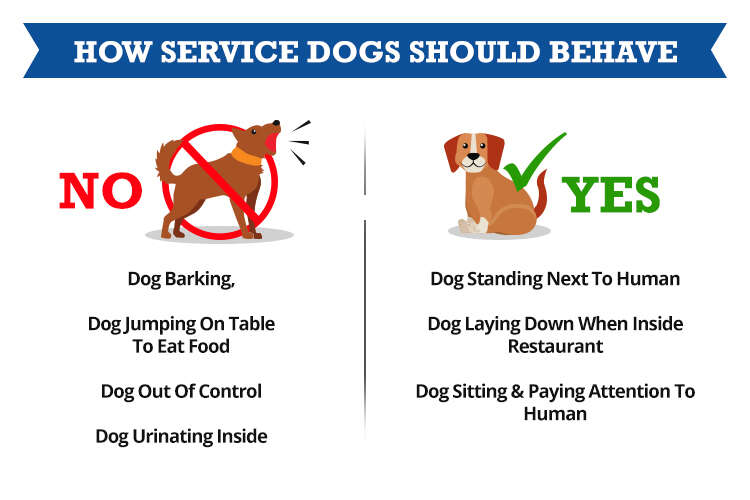
How To Stop A Dog From Barking At Neighbors: Calm Fixes
Learn how to stop a dog from barking at neighbors with practical training tips, trigger control, and simple ways to create a calmer home.
Teach calm behavior, block the trigger, and reward quiet moments before your dog starts barking at neighbors.
Learning how to stop a dog from barking at neighbors takes more than saying “quiet.” A dog may bark from fear, excitement, boredom, territorial instinct, or a learned habit. The most effective plan combines trigger control, calm training, daily enrichment, and steady rewards. This guide explains what causes neighbor barking and how to change it safely, step by step.
Why dogs bark at neighbors
Barking is normal dog communication. Your dog may be alerting you, asking for space, showing excitement, or reacting to a person near the home. The problem begins when the barking is frequent, intense, or hard to stop.
Neighbor barking often has one or more clear causes:
• Territorial behavior: Your dog sees people near the yard, sidewalk, fence, or windows as intruders.
• Fear or anxiety: A neighbor’s voice, movement, clothing, or presence may feel threatening.
• Frustration: Your dog may want to greet a person but cannot reach them.
• Excitement: Some dogs bark because visitors or passersby are highly stimulating.
• Boredom: A dog with too little exercise or mental work may turn the window or fence into entertainment.
• Learned behavior: If barking makes a neighbor leave, your dog may believe the barking worked.
This last point matters. Dogs do not understand that the person walked away because they were simply continuing down the street. Your dog may think, “I barked, and the stranger disappeared.” That belief can make the habit stronger.
A veterinary behavior professional may also check for pain, hearing changes, cognitive decline, or anxiety disorders. Sudden barking in an older dog deserves a medical checkup, especially if it comes with confusion, restlessness, or changes in sleep.

Find the exact barking trigger
Before you train, become a detective. Keep a simple log for several days and write down what happens before each barking episode.
Record:
• The time of day
• Where your dog was
• Who or what appeared
• The distance from your dog
• Your dog’s body language
• How long the barking lasted
• What stopped it
Look for patterns. Your dog may bark only when neighbors walk past the front window. Another dog may bark when someone enters a car, opens a gate, or speaks outside.
Body language gives useful clues:
• A stiff body, raised hackles, hard stare, and forward weight may suggest alertness or territorial concern.
• A lowered body, tucked tail, lip licking, yawning, or retreating may point to fear.
• Wiggling, jumping, loose movement, and a fast wag may show excitement.
• Pacing, whining, panting, and repeated scanning may suggest stress.
The goal is not to label your dog perfectly. The goal is to learn how close a neighbor can be before your dog loses focus. That distance is your starting point for training.

Manage the environment first
Training works best when your dog is calm enough to learn. If your dog spends hours rehearsing loud barking at the fence, each episode can strengthen the habit. Management prevents practice while you build new skills.
Try these changes:
• Use privacy film on windows that face the sidewalk.
• Close curtains during busy times.
• Move furniture away from windows.
• Use a baby gate to block access to the front room.
• Add sturdy privacy screening to a fence, if allowed by local rules.
• Bring your dog inside during peak walking hours.
• Play soft background sound to reduce outside noise.
• Keep your dog away from the fence unless you are actively supervising.
Do not leave a barking dog alone in the yard for long periods. A fence may keep your dog contained, but it does not remove the sight, sound, or stress of people passing by.
Management is not a failure. It is like putting a child’s favorite toy out of reach during a lesson. It lowers the pressure so learning can begin.
Teach a reliable “quiet” cue
A quiet cue can help, but timing matters. Do not shout “quiet” over nonstop barking. Your dog may hear that as more barking from you.
Follow this simple process:
-
Allow one or two alert barks.
-
Say “quiet” in a calm, friendly voice.
-
Hold a high-value treat near your dog’s nose.
-
When your dog pauses to sniff, mark the silence with “yes.”
-
Give the treat right away.
-
Repeat during easy practice sessions.
At first, reward one second of silence. Then build to three seconds, five seconds, and ten seconds. Increase the time slowly. If your dog starts barking again, the step was too hard.
Practice the cue when no neighbor is present. Say “quiet,” wait for silence, and reward. This creates a strong habit before you use the cue around a real trigger.
Never use the quiet cue as a threat. Your voice should sound calm and predictable. If your dog is fearful, punishment can make the person outside seem even more dangerous.

Use desensitization and counterconditioning
The most useful answer to how to stop a dog from barking at neighbors is often gradual exposure paired with rewards.
Desensitization means showing the trigger at a low enough level that your dog can stay calm. Counterconditioning means changing the dog’s emotional response by pairing the trigger with something good.
For example, ask a trusted neighbor to stand far away. The moment your dog notices the person, give small treats. When the neighbor moves away, stop the treats. Repeat several times.
Your dog begins to learn:
“Neighbor appears, good things happen, and I do not need to drive the person away.”
Use these rules:
• Start farther away than you think you need.
• Keep sessions short, often two to five minutes.
• Give treats before barking begins.
• Stop if your dog stiffens, lunges, trembles, or refuses food.
• Reduce the distance only after several calm sessions.
• Change one factor at a time, such as distance, movement, or sound.
This process can take days or weeks. Progress is not always smooth. A loud truck, sudden movement, or stressful day may cause a setback. Return to an easier step instead of forcing your dog to cope.
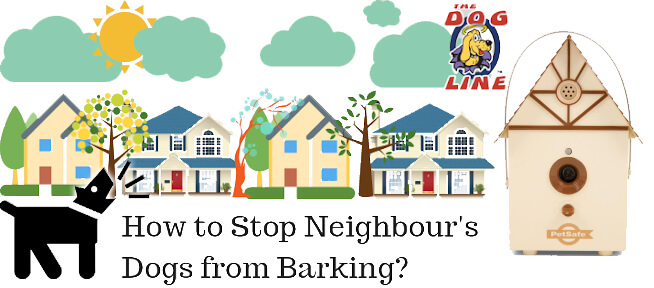
Reward calm behavior throughout the day
Many owners reward barking by giving attention, opening the door, or rushing to the window. Even negative attention can maintain the habit. Look for quiet behavior and reward it before barking starts.
You can reward your dog for:
• Resting on a mat
• Looking at a neighbor and then looking back at you
• Walking away from the window
• Sitting quietly near the door
• Responding to their name
• Choosing a toy instead of barking
Keep treats in several easy-to-reach places. When a neighbor passes, calmly say your dog’s name. If your dog turns toward you, reward that choice.
You can also teach an alternative behavior. Ask your dog to go to a mat, touch your hand, or find treats scattered on the floor. These tasks give your dog a job that is incompatible with rushing to the window.
One practical lesson from behavior work is that calm behavior must pay better than barking. Use small, tasty rewards at first, such as cooked chicken, cheese, or a soft training treat. Once the habit improves, use praise, play, or ordinary kibble for easier moments.
Add exercise and mental enrichment
A tired dog is not always a quiet dog, but an understimulated dog may bark more. Physical exercise helps release energy, while mental work helps reduce restless scanning.
Consider adding:
• A daily sniff walk
• Short obedience sessions
• Food puzzle toys
• Scent games indoors
• A safe chew
• Fetch in a secure area
• A “find it” game with treats
• Calm leash practice near low-level distractions
Sniffing is especially helpful because it lets dogs gather information at their own pace. A slow walk with time to smell may be more calming than a rushed mile.
Avoid trying to exhaust a fearful or reactive dog with intense exercise alone. High-speed games can increase arousal in some dogs. Balance active play with rest, chewing, sniffing, and quiet time.

Practice with a neighbor safely
A cooperative neighbor can make training much easier. Explain that you are working on barking and ask for short, planned practice sessions.
A useful setup looks like this:
-
Keep your dog on a leash or behind a secure barrier.
-
Ask the neighbor to remain at a distance.
-
Give your dog treats as soon as the neighbor appears.
-
Ask the neighbor to move slowly and avoid staring.
-
Reward your dog for looking at you or going to the mat.
-
End the session while your dog is still calm.
The neighbor should not tease, wave at the window, approach quickly, or punish your dog. Those actions can increase fear and make the problem worse.
If your dog cannot eat, respond to their name, or turn away from the neighbor, create more distance. Training below the barking threshold is safer and more effective than waiting for a full outburst.
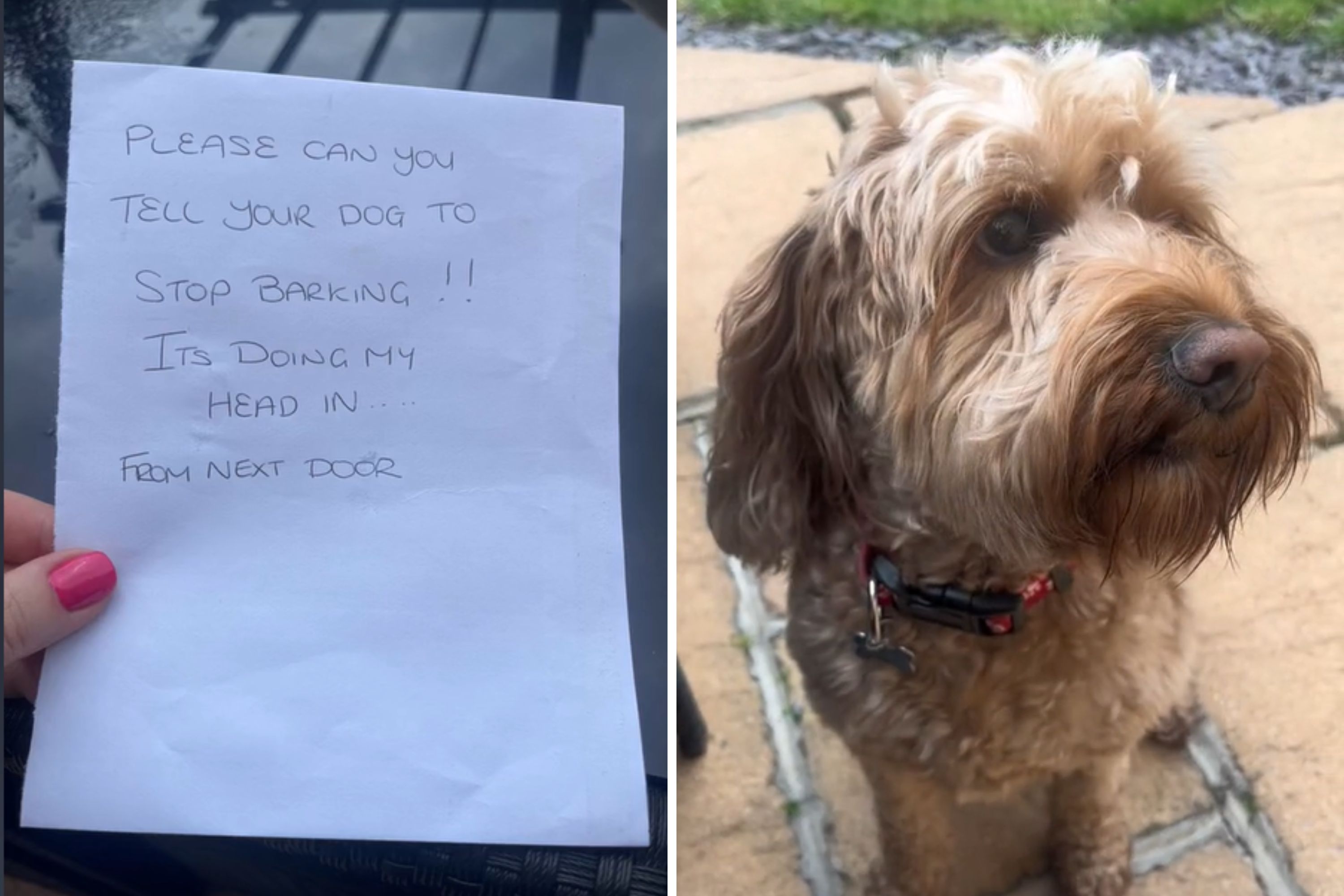
Handle barking at the fence or window
Fence barking can become intense because the barrier prevents your dog from approaching the trigger. This is sometimes called barrier frustration. The dog may feel trapped between wanting to investigate and being unable to reach the person.
For fence barking:
• Supervise yard time.
• Call your dog away before the person gets close.
• Reward your dog for returning to you.
• Use a long line only with careful supervision and safe equipment.
• Add a visual barrier where appropriate.
• Bring your dog inside if they cannot settle.
For window barking:
• Block the view.
• Teach a mat behavior several feet away.
• Use treats to reward looking away.
• Keep windows closed if outside sounds are intense.
• Use white noise during busy periods.
Avoid repeatedly dragging your dog away from the window. This may create a struggle and add excitement. Instead, calmly guide your dog to a prepared area and reward them there.

What not to do
Some popular methods may stop noise for a moment but harm trust or increase anxiety.
Avoid:
• Yelling
• Hitting or shaking your dog
• Using shock or spray collars without qualified professional guidance
• Rattling cans or throwing objects
• Forcing your dog to approach a feared neighbor
• Leaving your dog outside to “get used to it”
• Punishing growling or warning signals
A dog that stops growling because it feels unsafe may still feel threatened. The warning may disappear while the risk of a bite remains. Reward-based training is recommended by major veterinary behavior organizations because it teaches the dog what to do rather than simply suppressing communication.
Also avoid rewarding barking by opening the door, lifting your dog to the window, or giving excited attention. Respond calmly and redirect your dog to a behavior you can reward.
Build a simple daily training plan
Consistency matters more than long sessions. A short plan can fit into a normal day.
Morning:
• Take a sniff-focused walk.
• Practice your dog’s name and “come” indoors.
• Reward calm behavior near the front room.
Afternoon:
• Use a food puzzle or scent game.
• Practice “quiet” with no real trigger.
• Give your dog a planned rest period.
Evening:
• Watch for neighbor activity.
• Keep treats ready.
• Reward your dog before barking begins.
• Guide your dog to a mat when someone passes.
Keep a record of progress. Count barking episodes, note how quickly your dog recovers, and track the distance at which your dog can stay calm. A reduction from ten minutes of barking to two minutes is meaningful progress, even if the barking has not stopped completely.
Know when to seek professional help
Contact your veterinarian if the barking starts suddenly, becomes extreme, or appears with signs of pain or confusion. Medical problems can affect behavior, and treating the medical issue may improve the barking.
A certified, reward-based dog trainer or veterinary behaviorist can help if your dog:
• Lunges at neighbors
• Attempts to bite through a fence
• Cannot take food around people
• Panics when left alone
• Shows severe fear
• Guards windows or doors
• Has injured someone
Choose a professional who explains the plan clearly and avoids promises of instant results. Ask what tools they use, how they handle fear, and whether they rely on punishment. A good professional should welcome questions and adjust the plan to your dog’s behavior.
In serious cases, behavior medication may be part of treatment. Medication does not replace training, but it can lower anxiety enough for learning to happen. Only a licensed veterinarian should prescribe it.
Common mistakes that slow progress
The most common mistake is waiting until the dog is already barking hard. At that point, the brain is in a high-alert state, and learning becomes difficult. Start earlier, use more distance, and reward the first sign of calm attention.
Another mistake is changing the rules from day to day. If barking sometimes earns window access and sometimes earns a reward, the habit can become persistent. Set clear household rules so everyone responds in the same way.
A third mistake is expecting a fast cure. How to stop a dog from barking at neighbors depends on the cause, the dog’s age, past learning, health, and living environment. A dog with mild excitement may improve quickly, while a fearful dog may need months of patient work.
Frequently Asked Questions About How to Stop a Dog From Barking at Neighbors
How long does it take to stop a dog from barking at neighbors?
Some dogs show improvement within a few days of better management and rewards. Long-standing fear or territorial behavior may take several weeks or months, so measure progress by fewer and shorter barking episodes.
Should I ignore my dog when they bark at neighbors?
Ignoring barking alone usually does not teach a better response. Calmly block the trigger, call your dog away, and reward silence or an alternative behavior.
Do bark collars work for barking at neighbors?
Bark collars may suppress sound without changing fear, frustration, or territorial feelings. Reward-based training and trigger management are safer first choices, especially for anxious or reactive dogs.
Why does my dog bark at neighbors but not at family members?
Neighbors may enter your dog’s perceived territory without the familiar social history your family has. Distance, movement, voices, and surprise can also make neighbors more exciting or threatening.
Should I let my dog greet every neighbor?
No. Your dog does not need to greet everyone, and forced greetings can increase stress. Allow calm, voluntary interactions only when your dog shows relaxed body language.
What should I do if my dog barks through the fence?
Supervise yard time, add visual screening, call your dog away early, and reward them for returning to you. If your dog cannot settle, bring them indoors and continue training at a greater distance.
Is barking at neighbors a sign of aggression?
Not always. Barking can come from excitement, fear, frustration, or territorial behavior, and barking alone does not prove aggression. Look at the full body language and seek professional help if there is lunging, snapping, or biting.
Conclusion
The best way to stop a dog from barking at neighbors is to prevent repeated outbursts, identify the trigger, and reward calm choices. Block views when needed, teach a quiet cue, use gradual exposure, and give your dog enough exercise and mental work.
Stay patient and consistent. Your dog is not trying to make your life difficult; they are using the tools they have learned. Start with one calm training session today, track small gains, and contact your veterinarian or a qualified reward-based trainer if the problem feels unsafe or overwhelming.

Pet Care Writer & Researcher
Daniel writes practical guides on daily care, feeding, and safety, turning complex topics into simple, actionable advice.