How To Get A Dog To Bark: Easy Training Tips
Learn how to get a dog to bark safely with simple training cues, positive reinforcement, and expert tips for teaching your dog to vocalize on command.
Use a calm trigger, mark one natural bark, add a cue, and reward your dog immediately.
Learning how to get a dog to bark is less about making noise and more about clear communication. Most dogs already bark in daily life, so the goal is to capture that behavior without causing fear, frustration, or nonstop barking. With short sessions, kind rewards, and good timing, you can teach a dog to bark on cue and stop when asked.
Why Teach a Dog to Bark on Cue?
A bark cue can be useful in limited situations. For example, a dog may bark to alert you when someone is at the door, signal that it needs help, or take part in a training game.
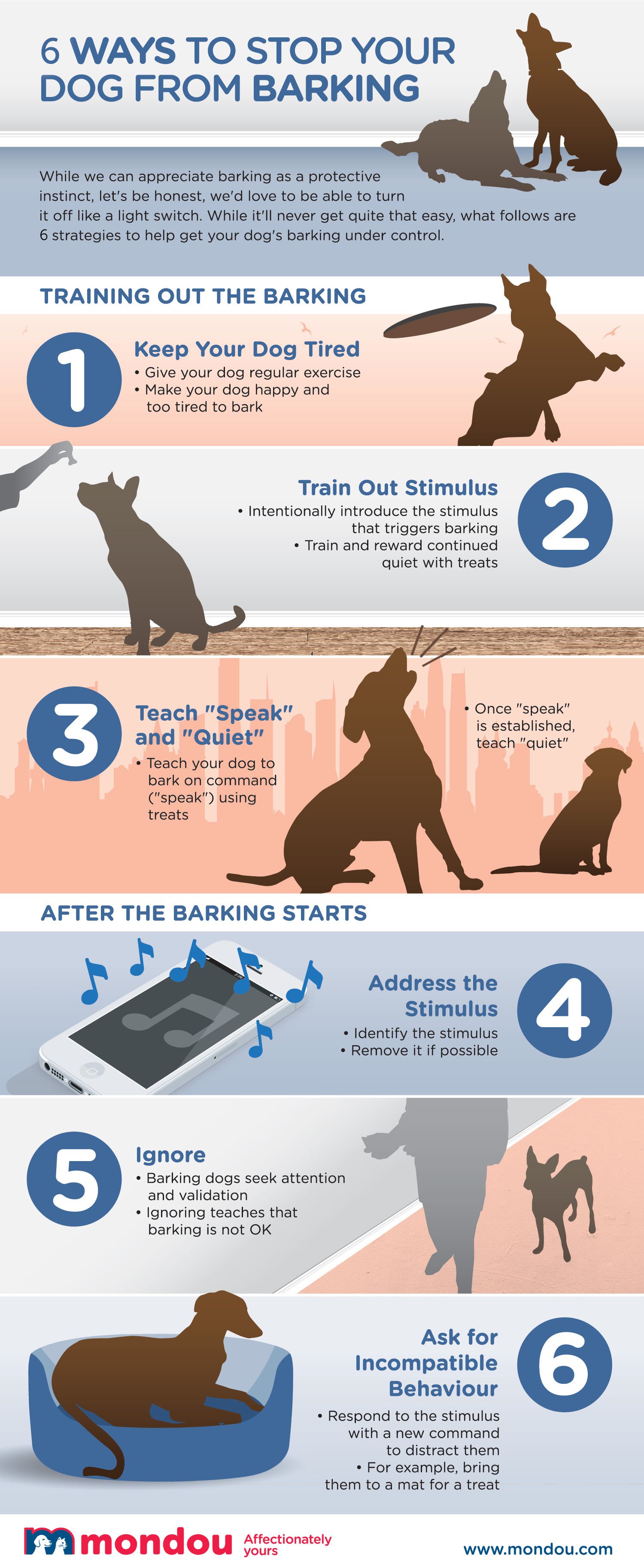
Still, barking is normal dog communication. Dogs bark because they feel excited, alert, afraid, bored, lonely, or eager to interact. Breed, age, health, hearing, and past learning also affect how much a dog vocalizes.
The best approach is to teach both sides of the skill:
• Bark when asked
• Stop barking when asked
• Stay calm around common triggers
• Choose quiet behavior when barking is not needed
Think of the bark cue like a light switch. You want your dog to turn it on and off with your guidance, not leave the switch stuck in the “on” position.
Before You Start: Check Your Dog’s Health and Temperament
Before learning how to get a dog to bark, make sure your dog can bark comfortably. A sudden change in vocal behavior may point to a health issue rather than a training problem.
Contact your veterinarian if your dog:
• Suddenly stops barking
• Has a weak, rough, or painful sounding bark
• Coughs or gags while barking
• Has trouble breathing
• Seems tired or withdrawn
• Has recently had throat surgery or illness
Some dogs are naturally quiet. Basenjis, for example, often make sounds called yodels or “baroos” instead of a typical bark. Older dogs may also vocalize less because of hearing loss, pain, or changes in brain function.
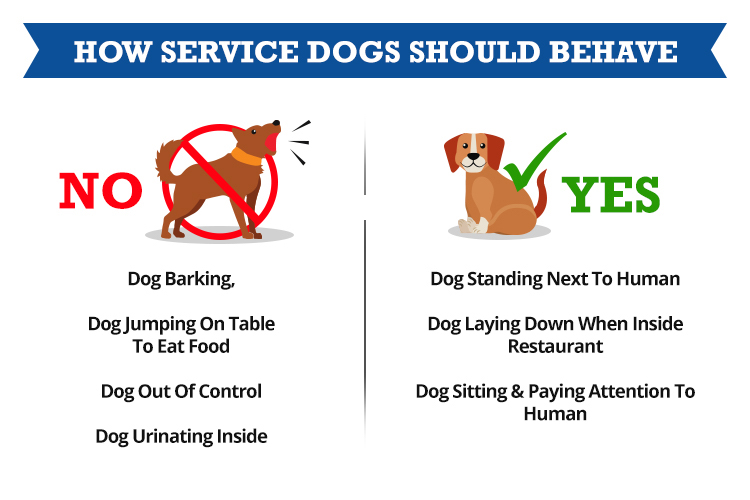
Temperament matters, too. Do not use fear, teasing, sudden shocks, or threats to make a nervous dog bark. Fear based training can create defensive behavior and may make barking worse in the long term.
:strip_icc()/puppy-barking-2804577-f7f6bffd80fa4edca1bd247ba52fc0a6.jpg)
How to Get a Dog to Bark Step by Step
The simplest method is called capturing. You wait for a natural bark, mark it with a word or click, and give a reward. Then you add a cue after your dog understands that barking earns something.
1. Choose a calm training space
Work in a quiet room with few distractions. Keep high value treats ready, such as small pieces of cooked chicken, cheese, or a treat your dog loves.
Use tiny treats. Your dog should stay interested without becoming too full. A hungry dog may learn faster, but you should never deprive a dog of food to improve training.
2. Find a safe bark trigger
Watch for something that causes mild excitement without creating fear. Good options may include:
• A favorite toy
• A gentle game of tug
• A family member standing outside the door
• A treat held briefly out of reach
• A familiar person making a soft knocking sound
Avoid triggers that cause panic, aggression, or intense frustration. Do not tease your dog by taking food away or repeatedly provoking it.
3. Capture one natural bark
When your dog barks, say a marker word such as “yes” or click a clicker. Give the treat right away.
The timing matters. Mark the bark within about one second. If you wait too long, your dog may think the reward is for jumping, pawing, or running across the room.
Repeat this process for a few successful barks. Then take a break.
4. Add the verbal cue
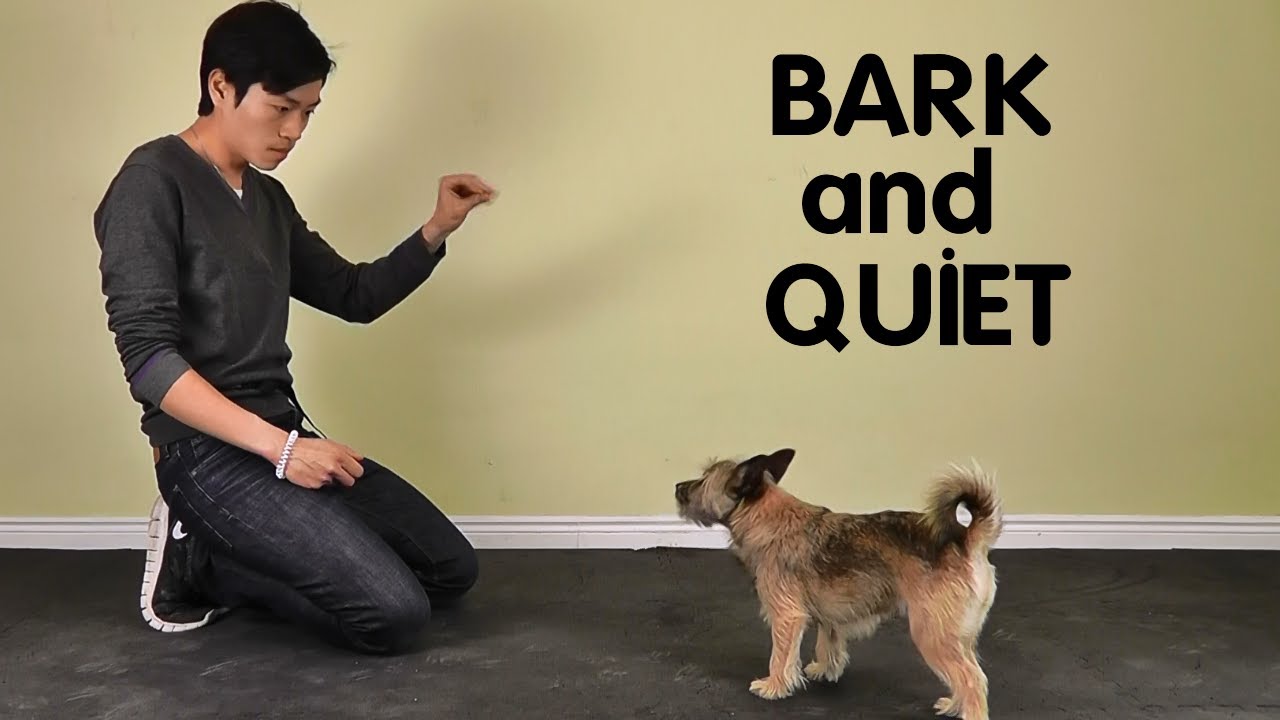
Once your dog begins to bark in anticipation of the reward, say “speak” or “bark” just before the likely bark. When the bark happens, mark and reward it.
Keep your voice calm and clear. Say the cue only once. Repeating “speak, speak, speak” can teach your dog to ignore the first cue.
5. Reward one bark at first
At the beginning, reward a single bark. This helps prevent a rapid string of loud barks.
Later, you can ask for two barks if needed. Keep the behavior controlled and easy to stop. A dog that learns to bark endlessly for treats has not yet learned the full skill.
6. Practice in new places
When your dog responds well at home, practice in other calm areas. Try the hallway, backyard, or a quiet part of a park.
Change only one thing at a time. If you add a new location, lower the distraction level. Dogs do not automatically understand that a cue learned in the kitchen also applies at the front door.
How to Teach “Quiet” After “Speak”
Teaching “quiet” is essential. Without it, learning how to get a dog to bark may lead to unwanted noise.
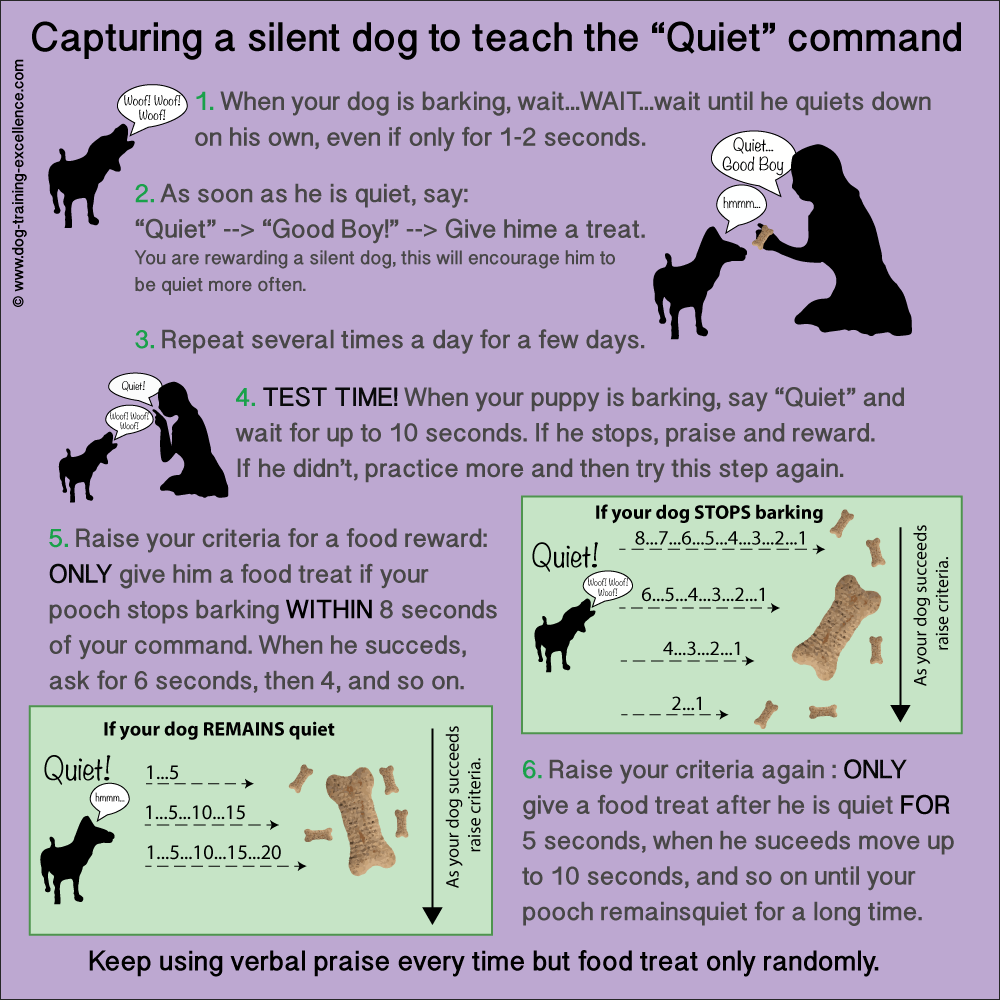
Start after your dog gives one bark on cue. Hold a treat near the nose. Most dogs stop barking for a moment to sniff it. The instant your dog is quiet, say “quiet,” mark the silence, and give the treat.
At first, reward one second of silence. Slowly increase the time to three seconds, five seconds, and then ten seconds. If your dog starts barking again, wait for a brief pause and reward that pause.
You can follow this pattern:
-
Ask for “speak.”
-
Mark and reward one bark.
-
Say “quiet.”
-
Wait for silence.
-
Mark and reward the quiet moment.
-
Repeat for a few minutes.
Do not shout “quiet” over your dog. To many dogs, loud human speech sounds like more barking. Use a soft voice and reward the behavior you want.

Common Problems and Simple Fixes
Training may not work perfectly on the first day. That is normal. Dogs learn at different speeds, and the trigger that works for one dog may not work for another.
My dog will not bark
Your dog may be naturally quiet, tired, distracted, or unsure. Try a favorite game instead of a door trigger. You can also wait for a normal bark during play and capture it.
If your dog never barks, teach a different alert behavior, such as touching your hand with its nose. A trained nose touch can be just as useful as a bark.
My dog barks too much
You may be rewarding too many barks or training for too long. Stop the session, reduce excitement, and reward a quiet pause.
Also check the environment. A dog that sees people, squirrels, or passing cars may be practicing barking all day. Close the blinds, add white noise, or move the dog away from the window.
My dog jumps while barking
Reward only when all four paws are on the floor. You can place the treat low and close to your dog’s mouth instead of lifting it overhead.
If jumping continues, step away and wait. Return when your dog is calmer. This teaches that calm behavior makes rewards appear.
My dog growls or looks afraid
Stop using that trigger. Growling is communication, not disobedience. A fearful dog needs distance, patience, and often help from a qualified positive reinforcement trainer or veterinary behaviorist.
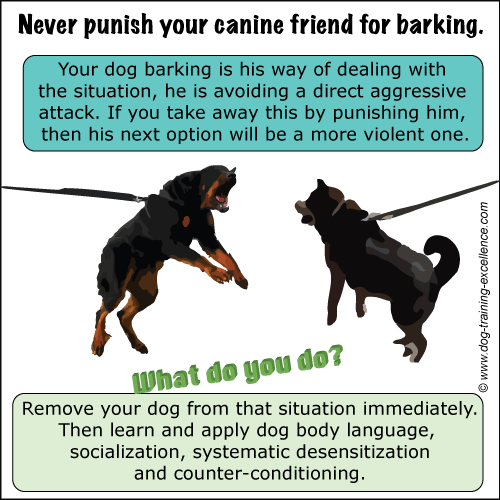
Never punish a warning signal. Punishment may suppress the growl while leaving the fear in place, which can make a bite more likely.
My dog barks at the door
Door barking is common because the door predicts visitors, movement, and excitement. Teach your dog to go to a mat when the doorbell rings, then reward the mat behavior.
You can later practice a controlled routine: one alert bark, “quiet,” then go to the mat. This gives your dog a clear job.
Training Mistakes to Avoid
Many barking problems begin with mixed messages. A family may encourage barking during play but punish it when guests arrive. Dogs need clear rules that stay consistent.
Avoid these mistakes:
• Yelling at your dog for barking
• Using shock, spray, or physical punishment
• Rewarding a long barking fit
• Practicing when your dog is already overexcited
• Using a fear trigger
• Training for more than five or ten minutes at a time
• Letting different family members use different cues
• Ignoring signs of pain or illness
Reward based training is supported by veterinary behavior groups, including the American Veterinary Society of Animal Behavior. Research on canine learning also supports immediate reinforcement and consistent timing.
Training tools can help, but tools do not replace skill. A clicker, treat pouch, leash, or mat may improve clarity. None should be used to frighten or hurt the dog.
How Long Does It Take to Teach a Bark Cue?
Some dogs learn the basic bark cue in a few sessions. Others need several weeks. The time depends on motivation, age, temperament, past training, and the strength of the trigger.
Keep sessions short. Two to five minutes may be enough for a young dog or a dog that becomes excited quickly. End with an easy success, such as sitting, touching your hand, or lying on a mat.
A simple weekly plan can help:
• Day one: Capture one natural bark.
• Day two: Add the word “speak.”
• Day three: Reward one bark and then pause.
• Day four: Add the “quiet” cue.
• Day five: Practice with mild distractions.
• Later sessions: Use the skill in different rooms and safe outdoor areas.
In my experience with reward based dog training, timing is the lesson most people miss. They often give the treat after the dog has barked five times, jumped, and spun around. The dog then learns that the whole performance earns the reward. Mark the exact behavior you want, even if it is only one calm bark.
When Professional Help Is the Best Choice
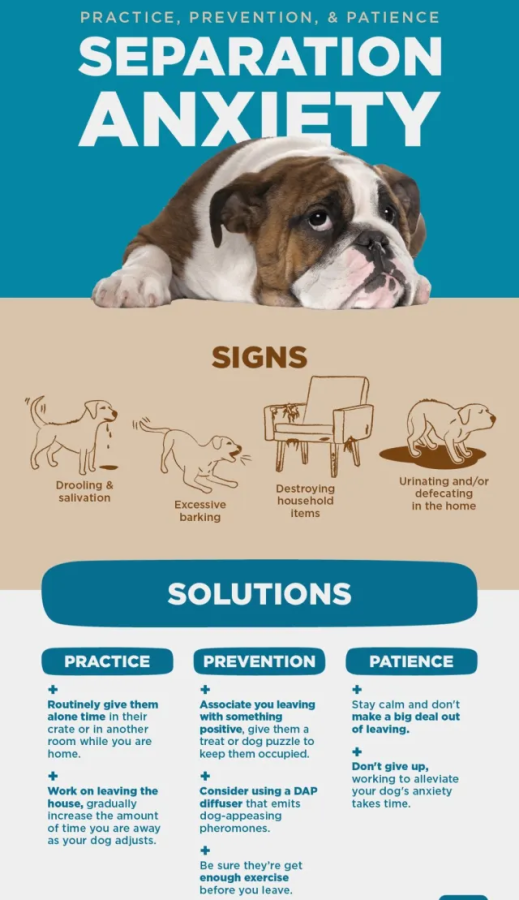
A professional can help if barking is linked to fear, aggression, separation distress, or intense reactivity. Choose someone who uses humane, reward based methods.
Look for credentials such as Certified Professional Dog Trainer, Certified Behavior Consultant, or veterinary behavior specialist. Ask how the trainer handles fear and barking before booking a session.
Professional help is especially important when your dog:
• Lunges at people or animals
• Bites or attempts to bite
• Cannot settle after a trigger disappears
• Barks for hours when left alone
• Shows signs of panic
• Guards food, toys, or spaces
A trainer should assess the cause of the barking, not just try to silence it. Barking is often a symptom. The real issue may be fear, boredom, pain, frustration, or a need for better enrichment.
Frequently Asked Questions About How to Get a Dog to Bark
Can every dog learn to bark on command?
No. Some dogs are naturally quiet, have a different vocal style, or may have a medical reason for limited barking. Most healthy dogs can learn an alert behavior, but that behavior may be a nose touch, paw signal, or sit instead of a bark.
What is the fastest way to teach a dog to bark?
Capture a natural bark during mild play or excitement, say “yes,” and give a treat immediately. After several repetitions, say “speak” just before the bark and reward the response.
Is it safe to make a dog bark?
It can be safe when you use mild triggers, short sessions, and reward based training. Do not frighten, hurt, or intensely frustrate your dog to produce a bark.
How do I stop my dog from barking after teaching “speak”?
Teach “quiet” right after “speak.” Reward a short pause at first, then slowly build longer periods of silence.
Why does my dog bark at some people but not others?
Dogs notice body language, movement, voice, clothing, smell, and past experiences. A person with a hat, loud voice, or quick movements may seem more unusual to the dog.
Can treats cause my dog to bark too much?
Yes, if you reward repeated or uncontrolled barking. Reward one clear bark, then ask for quiet and reinforce the silence.
Should I use a doorbell to teach barking?
A doorbell may create too much excitement and can worsen door barking. Start with a calmer trigger, then teach a door routine that includes one alert bark, quiet, and going to a mat.
Conclusion
Learning how to get a dog to bark works best when you capture a natural bark, add a clear cue, and reward at the right moment. Keep sessions short, use safe triggers, and teach “quiet” at the same time.
Never use fear or pain to create vocal behavior. If barking involves anxiety, aggression, or a sudden health change, contact a veterinarian or qualified behavior professional. Practice one small step today, then share your progress or explore more positive dog training resources.