What Is The Toughest Dog Bed: Most Durable Choice
What is the toughest dog bed? Find durable, chew-resistant options that handle scratching, digging, and heavy use while keeping your dog comfortable.
The toughest dog bed is a chew-resistant, rip-proof bed with a strong frame and washable cover.
If your dog destroys beds overnight, the answer depends on more than thick padding. The toughest dog bed must match your dog’s chewing habits, size, weight, sleep style, and daily routine. After comparing bed materials, frame designs, cleaning needs, and real-world durability concerns, this guide will help you choose a bed that can handle serious use without wasting money.
What Is the Toughest Dog Bed?
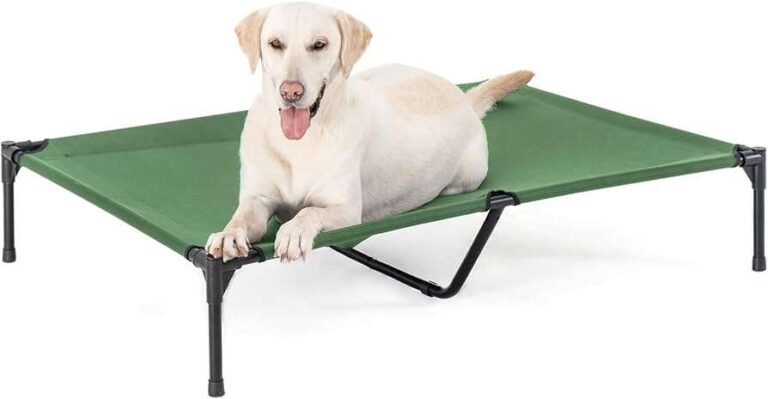
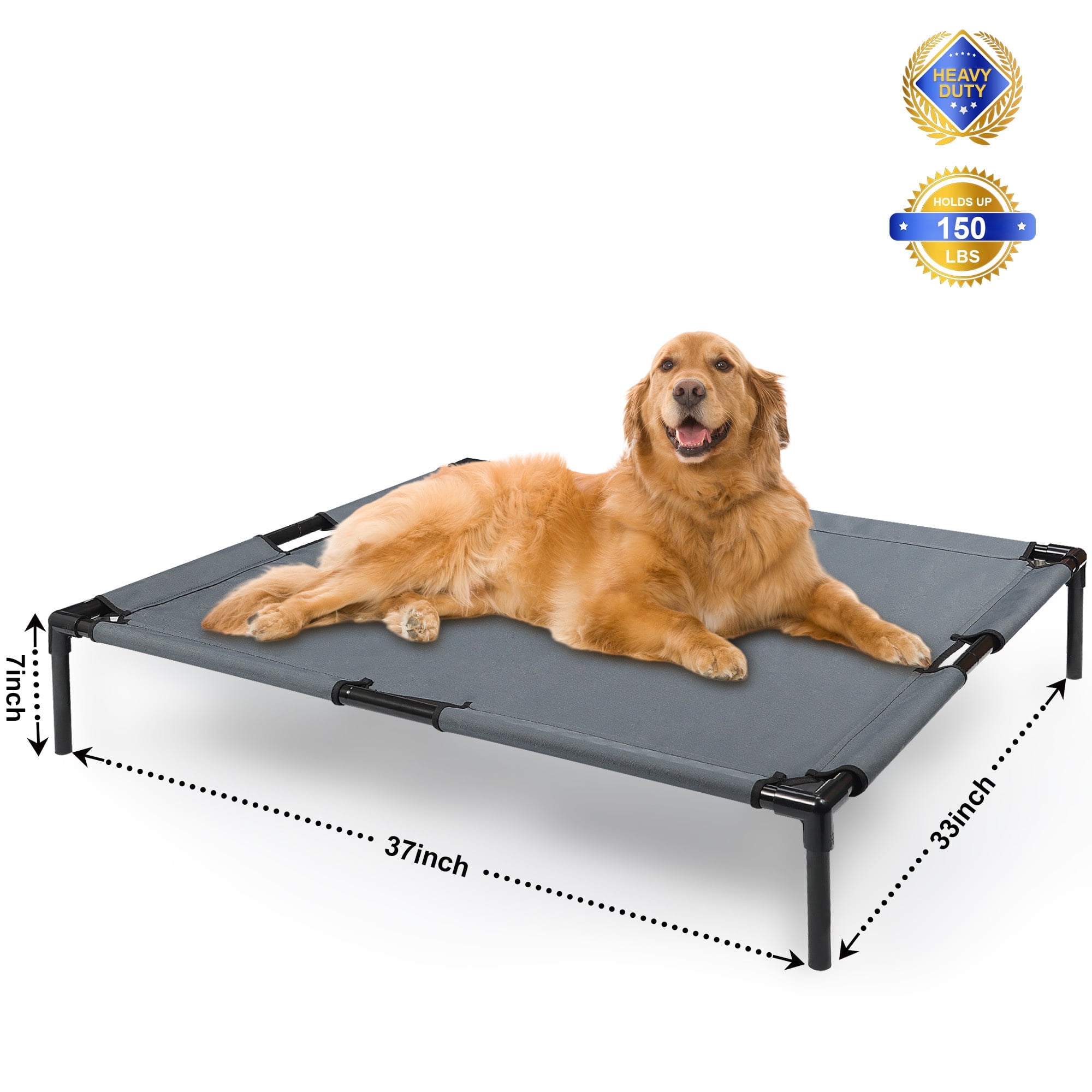
The toughest dog bed is usually an elevated cot-style bed with a metal frame and tightly woven ballistic fabric. These beds resist chewing, digging, scratching, moisture, and daily wear better than many plush beds.
A strong dog bed should have:
• A powder-coated steel or aircraft-grade aluminum frame
• Ripstop, ballistic nylon, or tightly woven polyester fabric
• Reinforced seams and secure fasteners
• A surface that stays off the floor
• Replacement parts or repairable components
• A washable, odor-resistant cover
For many powerful chewers, an elevated cot bed is tougher than a soft memory foam bed. It gives dogs fewer loose edges to grab. It also has no large amount of stuffing for a dog to pull out and swallow.
However, no dog bed is truly indestructible. A determined dog may damage even a well-built product. The toughest dog bed is the one that removes the features your dog targets most.
What Makes a Dog Bed Tough?
Durability comes from the whole design, not just one thick layer. A bed with strong fabric but weak stitching may fail quickly. A thick mattress with a thin cover may also develop holes within days.
Here are the main features to check.
Chew-resistant fabric
Ballistic nylon and tightly woven polyester are common choices for tough dog beds. Their dense weave makes it harder for teeth and claws to start a tear.
Look for fabric with:
• A high denier rating
• Double or triple stitching
• Hidden zippers
• Reinforced corners
• Few exposed seams
A high denier rating can suggest thicker yarn, but it does not guarantee quality. Construction matters just as much as the number on the label.
Strong frame construction
A metal frame should feel stable when your dog climbs on or off. It should not twist, wobble, or make sharp sounds under pressure.
Steel frames are often very strong, but they may be heavy. Aluminum frames are lighter and resist rust, though the quality of the tubing and joints still matters.
Secure fasteners
Many elevated dog beds use fabric that attaches to the frame with screws, bolts, or strong plastic caps. Secure fasteners help prevent your dog from pulling the fabric loose.
Avoid beds with many exposed snaps, loose straps, or easy-to-reach cords. These parts can become chew targets.
Minimal stuffing
Stuffing feels soft, but it can become a problem for destructive dogs. Once a dog opens a seam, the filling can spread across the room. Some dogs may also swallow fabric or foam.
The toughest dog bed for a serious chewer often has little or no loose filling.
Washable materials
A tough bed should also be easy to clean. Dirt, drool, urine, and outdoor moisture can weaken some materials over time.
A removable cover is useful, but check whether it can tolerate repeated washing. A waterproof liner can add another layer of protection.

The Toughest Dog Bed Types Compared
Different bed styles suit different dogs. There is no single design that works best for every pet.
Elevated cot beds
Elevated cots are often the toughest dog beds for large breeds, outdoor use, and aggressive chewers. The fabric stretches across a frame, so there are fewer soft edges and less stuffing to attack.
Benefits include:
• Strong airflow under the dog
• Easy cleaning with a hose or damp cloth
• Better protection from cold or damp floors
• Firm support for many large dogs
• A low chance of stuffing exposure
The main limitation is comfort. Some dogs prefer a softer surface, especially older dogs with arthritis. You can add a thin, tightly fitted pad, but avoid loose blankets if your dog chews fabric.
Chew-proof mattress beds
These beds use thick covers, hidden zippers, and dense foam. They can offer more comfort than an elevated cot while still resisting moderate chewing.
They work well for dogs that scratch or nibble but do not attack beds with full force. They may not survive a dog that regularly tears through furniture, crates, or toys.
Metal-frame beds with replacement covers
A replaceable cover can make a bed more practical over time. Instead of replacing the whole bed, you can replace only the damaged fabric.
This design may cost more at first, but it can reduce long-term waste. Check that replacement covers are easy to order and available in your dog’s size.
Outdoor kennel beds
Outdoor beds usually focus on water resistance, airflow, and fast drying. Many use coated fabric or mesh stretched over a frame.
These beds are helpful for patios, kennels, travel, and hot climates. They may not be warm enough for winter unless you use a safe, tightly secured layer made for outdoor use.
Orthopedic beds
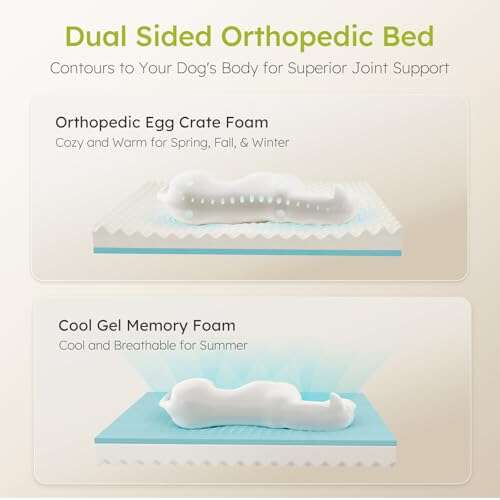
Orthopedic beds use memory foam or support foam to reduce pressure on joints. They can be excellent for senior dogs, but foam beds are not always the toughest dog beds for chewers.
If your dog needs orthopedic support, choose one with a chew-resistant outer cover and a hidden zipper. Watch the bed closely during the first week.
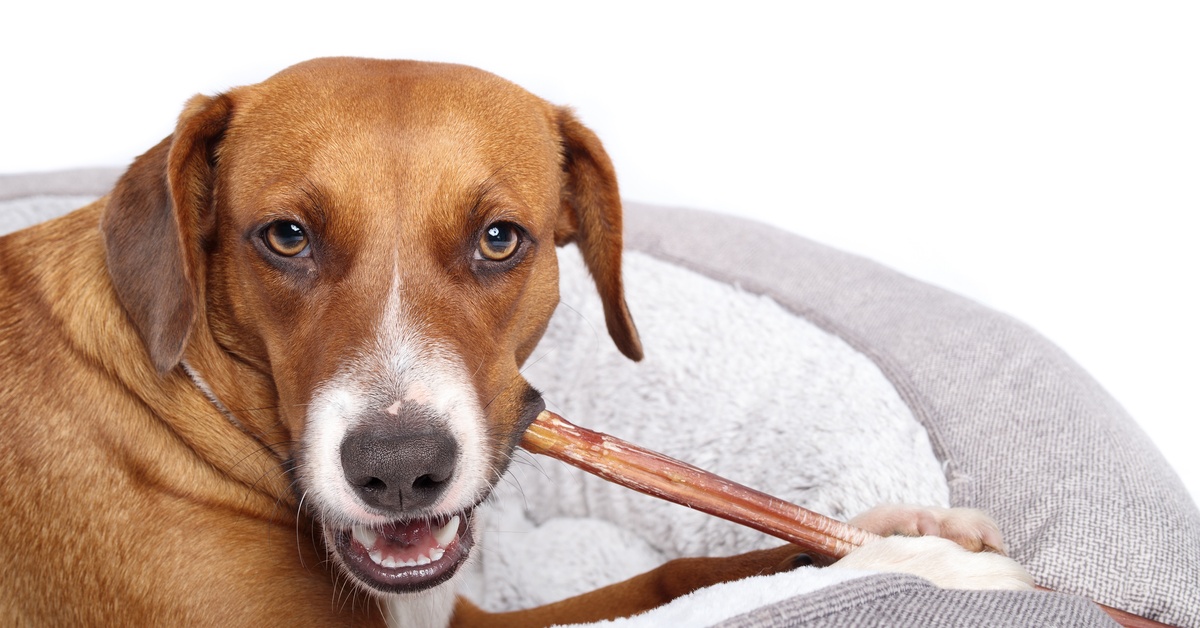
What Is the Best Toughest Dog Bed for Aggressive Chewers?
For aggressive chewers, the best option is usually a simple elevated bed with a metal frame and reinforced ballistic fabric. Its design gives the dog fewer parts to grab, pull, or shred.
A good choice should also fit your dog’s behavior. Consider these examples:
• A dog that chews corners may need a cot with covered or rounded edges.
• A dog that digs may need tightly stretched fabric with reinforced stitching.
• A dog that destroys zippers may need a cover with no exposed zipper.
• A dog that carries blankets may need a bed without loose bedding.
• A dog that urinates indoors may need a waterproof, washable surface.
Do not judge toughness by appearance alone. Some beds look thick but use weak seams or fragile zippers. Read the warranty terms and search for details about fabric, stitching, frame joints, and replacement parts.
The toughest dog bed should also be large enough for your dog to stretch out. A dog that hangs over the edge may put extra stress on the frame and fabric.
How to Choose the Toughest Dog Bed for Your Dog
Use your dog’s habits as the main guide. The most expensive bed is not always the best bed for your home.
Step 1: Study the damage
Look at old beds and ask what failed first.
• Torn corners suggest a need for reinforced edges.
• Open seams suggest a need for stronger stitching.
• Missing foam suggests a need for less stuffing.
• Broken zippers suggest a zipper-free design.
• Wet or smelly fabric suggests a waterproof surface.
This simple check can help you avoid repeating the same mistake.
Step 2: Measure your dog
Measure from the nose to the base of the tail. Add at least 6 to 12 inches so your dog has room to turn and stretch.
For giant breeds, also check the bed’s weight limit. A bed may look large but still have a weak frame.
Step 3: Match the bed to the location
Indoor beds can focus on comfort and noise control. Outdoor beds need weather-resistant fabric and rust-resistant hardware.
For travel, choose a bed that folds easily but still locks firmly into place. For crates, measure the exact interior space before ordering.
Step 4: Check cleaning needs
Ask whether the surface can handle:
• Machine washing
• Hosing
• Mild soap
• Frequent drying
• Hair removal
A bed that cannot be cleaned well may become a health concern, especially for dogs with skin allergies or incontinence.
Step 5: Review the warranty
A warranty does not mean a bed is indestructible. Still, a clear warranty can show that the manufacturer understands normal wear and stands behind its design.
Read exclusions carefully. Many warranties do not cover intentional chewing, outdoor exposure, or damage from oversized dogs.

Toughest Dog Bed Materials: Which One Lasts Longest?
Material choice affects comfort, cleaning, and lifespan.
Ballistic nylon
Ballistic nylon is dense and abrasion resistant. It is a popular choice for dogs that scratch, dig, or chew.
Its weakness is heat. Some dogs may feel warm on dense fabric, especially in hot rooms.