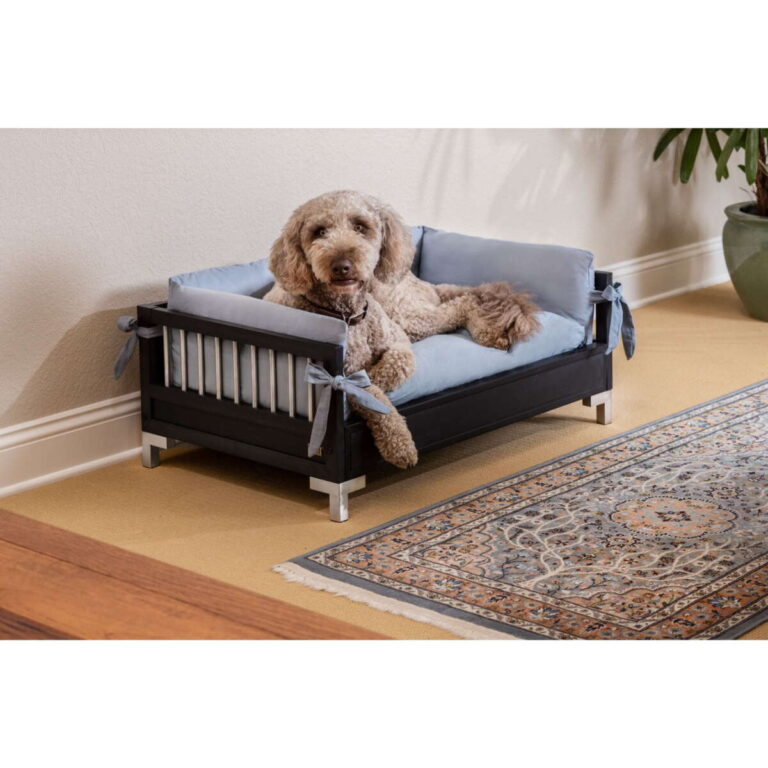
Why Do Dogs Like Elevated Beds: Benefits Explained
Why do dogs like elevated beds? Learn how they improve comfort, airflow, joint support, and sleep, plus tips for choosing the right bed.
Dogs like elevated beds because they stay cool, offer support, improve airflow, and provide a clear view.
If you have seen your dog choose a raised cot over a soft cushion, you are not alone. The answer to why do dogs like elevated beds involves comfort, temperature control, joint support, cleanliness, and a natural need to watch their surroundings. Understanding these reasons can help you choose a bed that suits your dog’s age, size, health, and daily habits.
Why Do Dogs Like Elevated Beds?
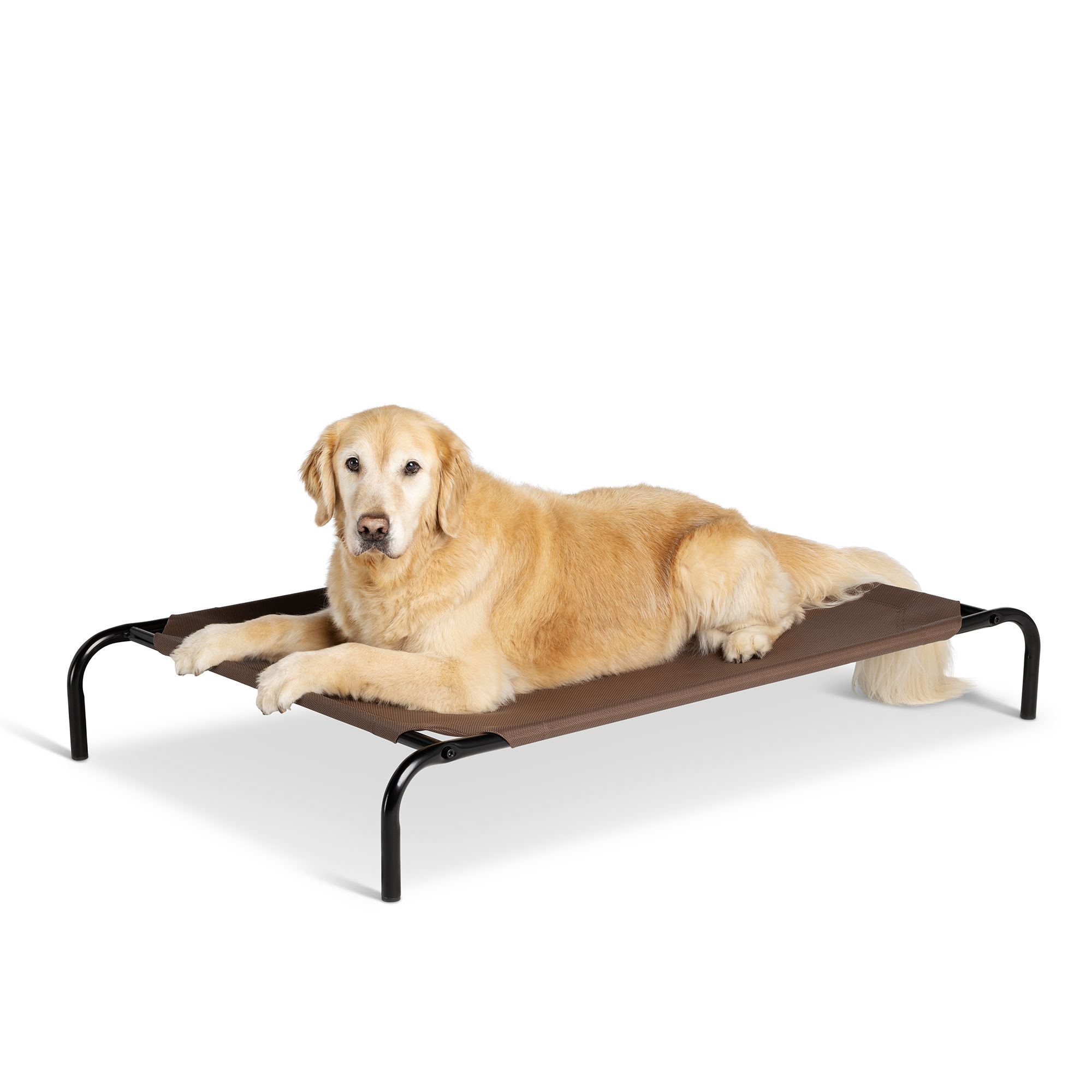
Elevated beds lift a dog several inches off the floor. Most use a strong frame with a breathable fabric surface. This design creates airflow under and around the dog, unlike a thick bed that can trap heat.
The answer to why do dogs like elevated beds often starts with simple comfort. A raised surface can feel firm and steady, much like a supportive lounge chair for people. Many dogs enjoy the balance between a soft resting place and a stable base.
Elevated beds may also give dogs a better view of the room. Dogs are social animals, so they often want to rest while still keeping an eye on family members, visitors, or outdoor activity.
Common reasons dogs prefer elevated beds include:
• Better airflow beneath the body
• Less contact with cold, hard, or damp floors
• A firm surface for resting joints
• A clear view of the home
• Less exposure to dust, hair, and dirt
• A cooler place to sleep in warm weather
In practical terms, an elevated bed can act like a small personal platform. It gives your dog a comfortable place to relax without making them feel cut off from the household.
Elevated Beds Help Dogs Stay Cool
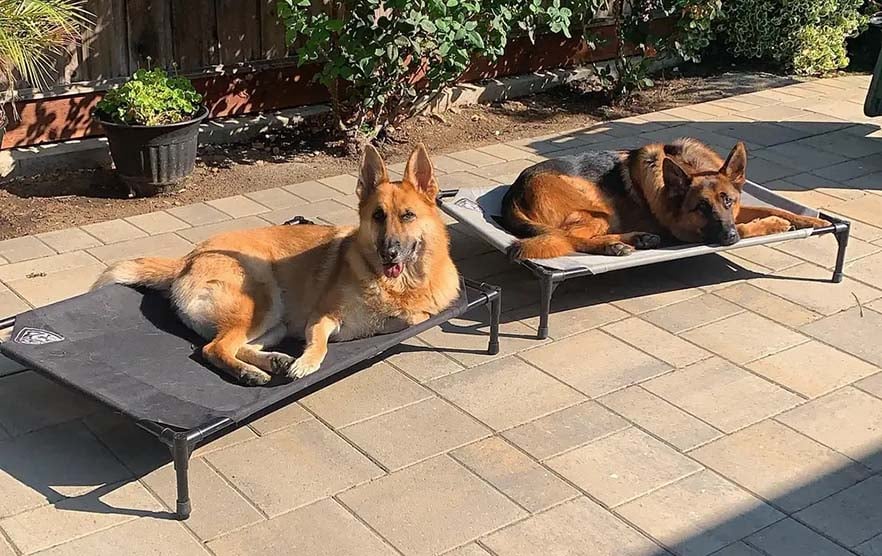
Heat control is one of the biggest reasons dogs like elevated beds. A normal cushion rests directly on the floor. When a dog lies on it, body heat can build up in the fabric.
A raised cot allows air to move under the dog. This can help release heat from the belly, chest, and legs. It may feel especially good for dogs with thick coats, such as Huskies, Golden Retrievers, and Bernese Mountain Dogs.
This cooling effect matters most during:
• Hot summer days
• Outdoor rest periods
• Warm indoor nights
• Exercise breaks
• Travel in warm areas
Dogs cool themselves mainly through panting. They do not sweat across their bodies in the same way people do. A cooler resting surface may reduce discomfort, but it cannot prevent heatstroke.
Never use an elevated bed as a replacement for shade, fresh water, air conditioning, or veterinary care. Heavy panting, weakness, confusion, vomiting, or collapse can signal heat illness and require urgent action.
Elevated Beds Offer Support for Joints and Muscles
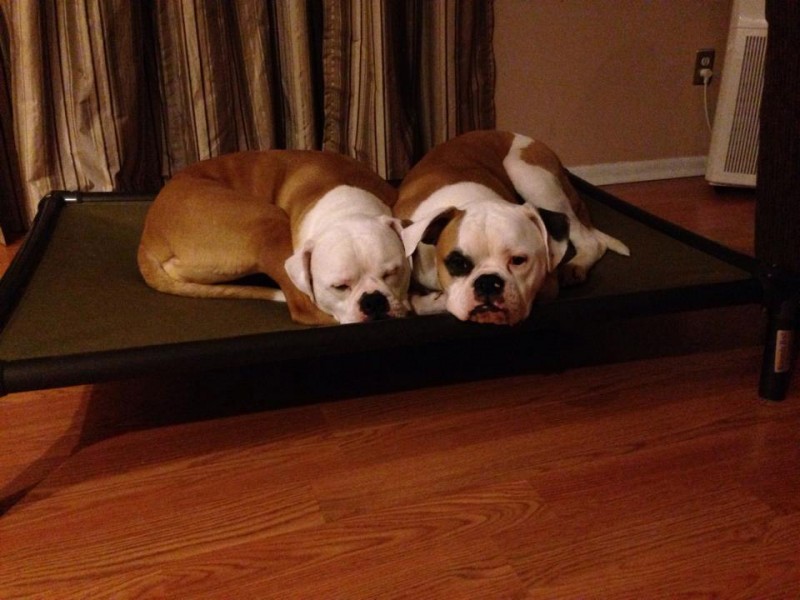
Another key part of why do dogs like elevated beds is the support they can provide. A quality cot spreads a dog’s weight across a strong, level surface. This may reduce pressure on areas such as the elbows, hips, and knees.
Dogs with arthritis or other mobility concerns may find it easier to rest on a firm surface. A bed that sags can force the body into an uneven position. That may make it harder for a dog to stand after sleeping.
Still, not every elevated bed is ideal for every dog. A very tight fabric surface can feel hard to thin or sensitive dogs. Older dogs may also need a low step or ramp if climbing onto the bed is difficult.
Look for these features:
• A stable frame that does not wobble
• A surface with mild give but no deep sag
• Rounded edges
• A low entry height
• A non-slip base
• A size that lets the dog stretch out
Veterinary rehabilitation experts often recommend supportive rest areas for dogs with joint problems. However, bed choice should match the dog’s condition. Ask your veterinarian for advice if your dog has severe arthritis, recent surgery, weakness, or pain.

Elevated Beds Give Dogs a Better View
Dogs often like to know what is happening around them. An elevated bed can improve their view of the room without requiring them to stand. This can make the bed feel like a safe lookout point.
A dog may use the bed while watching:
• Family members move through the home
• Children play
• Other pets pass by
• People arrive at the door
• Birds or squirrels outside
This does not mean every dog wants a high bed. Some shy dogs may prefer a quiet floor bed in a corner. A nervous dog may feel exposed on an open platform.
Watch your dog’s body language. Relaxed muscles, soft eyes, normal breathing, and loose posture suggest comfort. Pacing, tucked ears, repeated jumping down, or stiff movement may show that the bed feels unsafe or stressful.
In my practical experience with dog resting setups, placement often matters as much as the bed itself. A raised bed near the family can work well, but placing it beside a noisy doorway may stop a dog from using it.

Elevated Beds Keep Dogs Away From Cold and Dirty Floors
Hard floors can be uncomfortable for dogs. Tile and concrete may feel cold, while wood and laminate can offer little cushion. A raised bed creates space between your dog and the floor.
This can help in garages, patios, kennels, and rooms with cold flooring. It may also keep a dog away from small amounts of dust, hair, and moisture.
Outdoor dogs may benefit from an elevated bed because the surface is less likely to sit in damp grass or puddles. A raised design can also reduce contact with some insects. It does not, however, replace flea prevention or routine cleaning.
Clean the bed often. Dirt, skin flakes, and allergens can collect on the fabric. Follow the care instructions, and inspect the frame for rust, cracks, sharp edges, or loose parts.
A common mistake is choosing a bed because it looks strong without checking the fabric. A torn surface can trap a nail or paw. Test the bed before use, especially with a large, active, or heavy dog.

Elevated Beds Can Help With Cleanliness
Many elevated beds use fabric that can be removed and washed. Some have mesh surfaces that dry faster than thick foam. This makes them useful for dogs that come inside after playing outdoors.
A washable elevated bed may help families manage:
• Muddy paws
• Drool
• Shedding
• Accidents
• Wet coats
• Outdoor dust
Cleanliness also supports skin health. A dirty bed can hold moisture and irritants against the skin. Dogs with allergies may be more comfortable when their bedding is washed on a regular schedule.
That said, an elevated bed is not automatically cleaner. A neglected cot can collect dirt under the frame and on the fabric. Vacuum the area around it, wash the cover as directed, and dry the surface fully before your dog uses it again.
Which Dogs Often Prefer Elevated Beds?
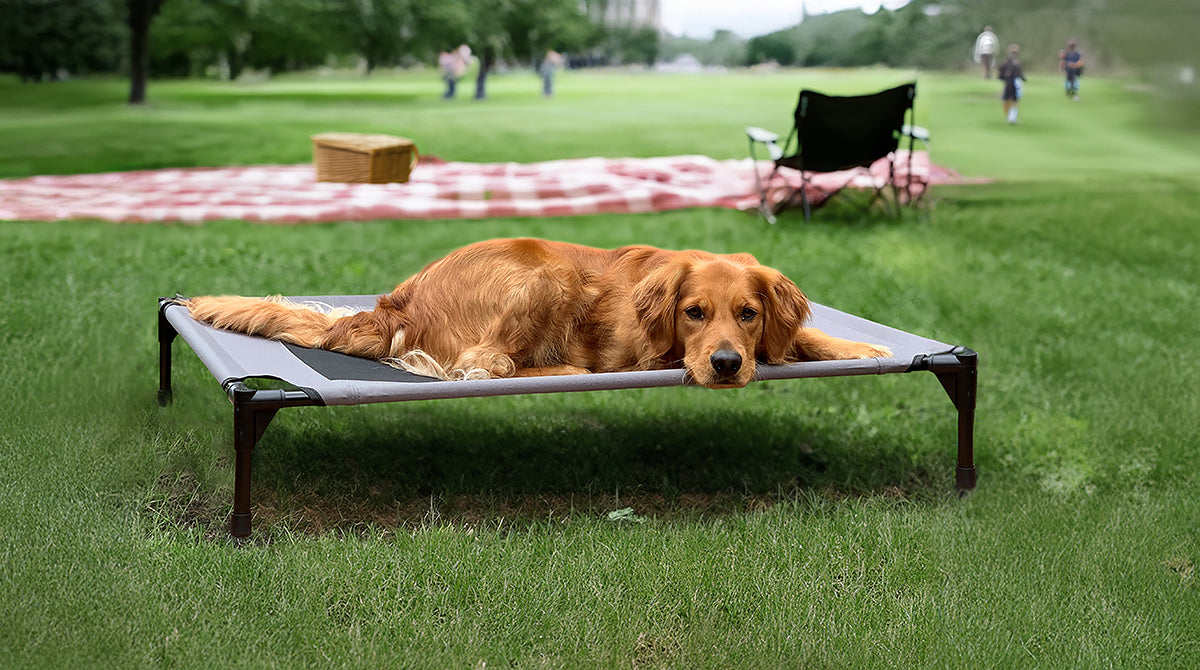
Dogs have different sleep habits. Some love a raised cot at once, while others need time to trust it. Breed, coat type, age, body shape, health, and past experience all affect the choice.
Elevated beds are often useful for:
• Thick coated dogs that sleep warm
• Large dogs that need firm support
• Outdoor dogs
• Dogs that like to watch the room
• Dogs that dislike soft or sinking cushions
• Dogs that rest in crates, kennels, or patios
Puppies may enjoy elevated beds, but supervision is important. A puppy may chew the fabric or frame. If swallowed, fabric or foam can cause a serious intestinal blockage.
Senior dogs may like the support but struggle with the height. Choose a low profile model or add a stable ramp. Never force an older dog onto a bed that makes standing or climbing hard.

How to Choose the Best Elevated Bed for Your Dog
The best elevated bed should match your dog’s body and behavior. Measure from the nose to the base of the tail, then add enough space for the dog to stretch out. When in doubt, choose the larger size if the frame remains stable.
Use this checklist before buying:
-
Check the weight limit. Select a bed rated well above your dog’s current weight.
-
Measure the sleeping area. Your dog should lie flat without hanging over the edge.
-
Test the frame. It should stay firm when the dog steps on and off.
-
Check the fabric. Look for strong, breathable, washable material.
-
Consider height. A low bed is often safer for puppies and senior dogs.
-
Inspect the feet. Non-slip feet help protect floors and reduce sliding.
-
Think about location. Place the bed in a calm area with a useful view.
-
Review cleaning needs. Removable covers and quick-drying fabric are practical.
Introduce the bed slowly. Put a favorite toy on it and reward calm investigation. Never push, lift, or hold your dog on the bed against their will.
One lesson I often emphasize is that comfort is not always obvious to people. A bed may look attractive, but your dog’s behavior gives the best review. If your dog repeatedly returns to the floor, check the height, fabric, movement, temperature, and location.
Possible Problems With Elevated Beds
Elevated beds have many benefits, but they are not perfect for every dog. Some dogs prefer the warmth and softness of a padded bed. Others may dislike the open design or the slight movement of the fabric.
Possible concerns include:
• Falls from an unstable frame
• Slipping on smooth floors
• Difficulty climbing for older dogs
• Chewing and damaged fabric
• Pressure on thin skin
• Fear in nervous dogs
• Overheating if the bed sits in direct sun
Dogs recovering from surgery may need a different resting surface. A veterinarian may recommend a padded, low entry bed to protect an incision or reduce movement.
Watch for signs that the bed is causing trouble. Limping, reluctance to lie down, repeated licking, stiffness, or sudden changes in sleep habits deserve attention. If discomfort continues, stop using the bed and speak with your veterinarian.
Elevated Beds Compared With Traditional Dog Beds
A traditional dog bed may provide more warmth and cushioning. It can be a better choice for small dogs, thin coated breeds, puppies, and dogs that like to burrow.
An elevated bed usually offers better airflow and a firmer surface. It may work well in warm rooms, outdoor areas, and homes with large dogs that dislike sinking into foam.
Some dogs benefit from both types. You can place a raised cot in a main living area and a soft bed in a quiet sleeping corner. This gives your dog a choice based on temperature, mood, and activity.
The best bed is the one your dog uses safely and comfortably. Do not assume that a more expensive model is always better. Fit, stability, cleaning, and your dog’s response matter more than the label.
How to Encourage a Dog to Use an Elevated Bed
A new bed can feel strange. The surface may move, smell different, or make a light sound when your dog steps on it. A slow introduction can make the change easier.
Try these steps:
-
Place the bed near a spot your dog already enjoys.
-
Add a familiar blanket if the fabric is safe and cannot be chewed.
-
Toss treats near the bed, then onto the surface.
-
Praise calm contact with the bed.
-
Let your dog step on and off freely.
-
Move the bed only after your dog uses it with confidence.
Do not punish your dog for avoiding the bed. Pressure can create a negative association. If the dog does not use it after several days, the design or location may not suit them.
Also, check the bed each week. Tighten loose parts, wash the fabric, and look for wear. Small repairs can prevent larger safety problems.
Frequently Asked Questions About Why Do Dogs Like Elevated Beds
Why do dogs like elevated beds more than soft beds?
Dogs may prefer elevated beds because they provide airflow, firm support, and a clearer view. Some dogs also dislike beds that sink too deeply around their bodies.
Are elevated beds good for dogs with arthritis?
They can be helpful when they offer stable, even support and easy access. Choose a low bed with a non-slip base, and ask your veterinarian for guidance if your dog has pain or limited mobility.
Do elevated beds keep dogs cool?
Yes, the open space beneath the bed allows air to circulate around the body. The bed still needs to be placed in shade or a cool room because it cannot protect a dog from extreme heat.
Can puppies use elevated beds?
Puppies can use them with supervision, but chewing is a major concern. Choose a strong model, inspect it often, and prevent access if your puppy tears or swallows fabric.
Are elevated beds safe for senior dogs?
They can be safe if the height is low and the frame does not move. A ramp, step, or padded alternative may be better for a senior dog that struggles to climb.
Should a dog sleep on an elevated bed all night?
A healthy dog may sleep on one all night if the bed is stable, comfortable, and the right size. Offer another safe sleeping option if your dog prefers to switch surfaces.
Why does my dog ignore the elevated bed?
Your dog may dislike the fabric, height, movement, heat, location, or smell. Move the bed, add a familiar blanket, and use treats to build a positive connection without forcing use.
Conclusion
The best answer to why do dogs like elevated beds is that these beds combine cooling airflow, firm support, cleanliness, and a useful view. They can be especially helpful for warm weather, outdoor rest, large dogs, and dogs that prefer a steady surface.
Still, every dog has personal needs. Choose a stable bed that fits your dog, introduce it slowly, inspect it often, and watch how your dog moves and rests. Try these tips today, and share your dog’s favorite sleeping style or explore more guidance on safe, comfortable pet care.

Pet Care Writer & Researcher
Daniel writes practical guides on daily care, feeding, and safety, turning complex topics into simple, actionable advice.