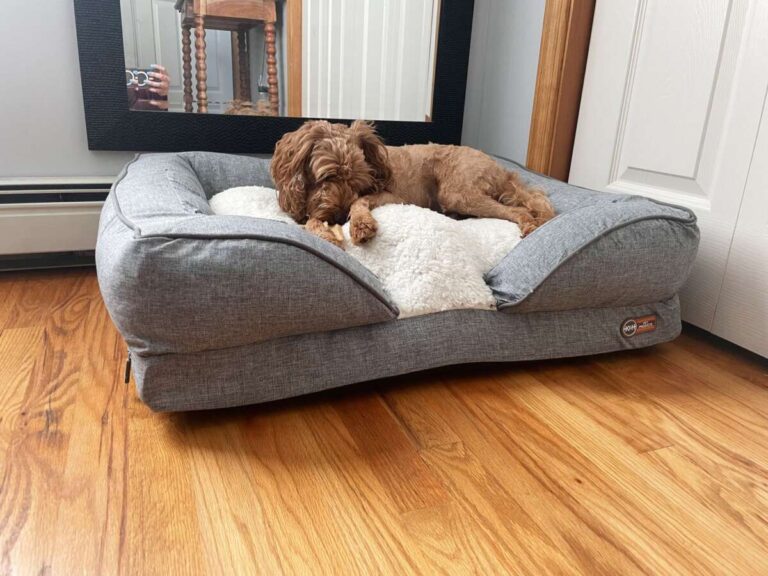
Are Orthopedic Beds Good For Dogs: Benefits And Buying Tips
Are orthopedic beds good for dogs? Learn the benefits, ideal users, and key features to choose a comfortable, supportive bed for your pet.
Yes, orthopedic beds can support joint comfort, restful sleep, and easier movement for many dogs.
Are orthopedic beds good for dogs? In most cases, yes—especially for senior dogs, large breeds, dogs with arthritis, or pets recovering from injury. The best bed does more than feel soft. It supports the spine, cushions pressure points, controls body heat, and helps your dog rise without strain. This guide explains the benefits, limits, safety points, and simple ways to choose the right one.
What Is an Orthopedic Dog Bed?
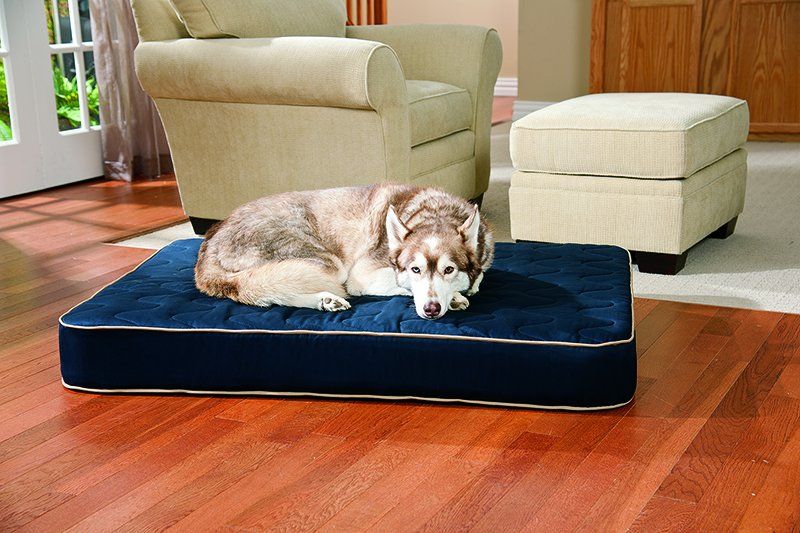
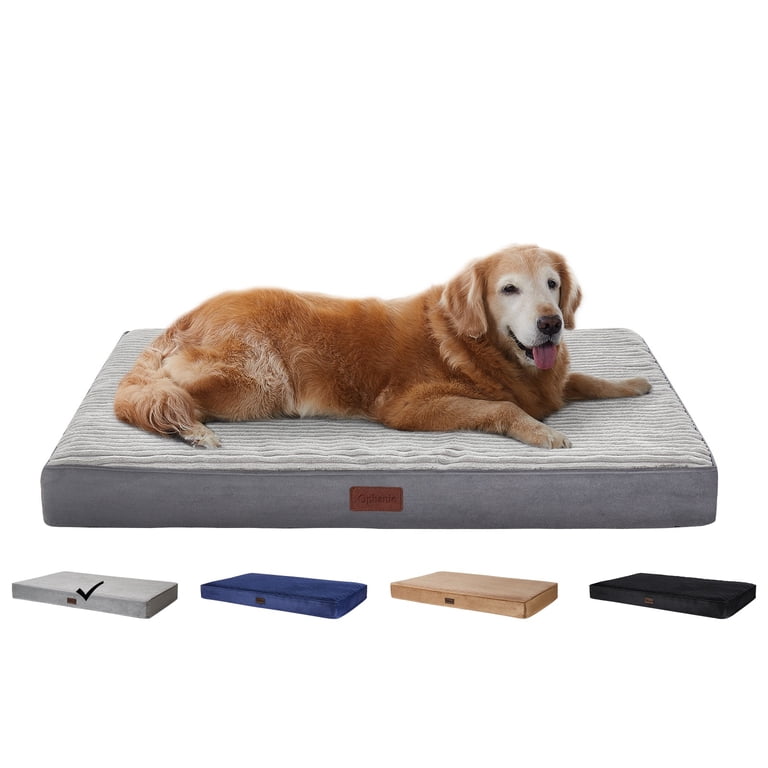
An orthopedic dog bed is designed to support a dog’s bones, joints, muscles, and spine. It usually contains high-density foam, memory foam, or a layered support system. These materials spread a dog’s weight more evenly than thin polyester filling.
A standard plush bed may feel soft at first. However, it can flatten under a heavy dog. When that happens, your dog may sleep almost on the floor. An orthopedic bed aims to keep its shape and reduce pressure on areas such as the hips, elbows, shoulders, and knees.
Common features include:
• High-density foam that resists flattening
• Memory foam that molds around the body
• A low step-in edge for dogs with stiff joints
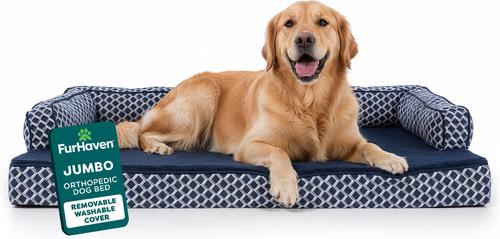
• A washable, water-resistant cover
• A firm base that prevents sinking
• A flat sleeping surface for better spine support
Not every bed labeled “orthopedic” offers true orthopedic support. Some use the term as a marketing phrase. Check the foam quality, thickness, support rating, and customer feedback before buying.

Are Orthopedic Beds Good for Dogs?
Yes, orthopedic beds are good for dogs when they fit the dog’s size, health needs, sleep style, and home setting. They may improve comfort and sleep quality, but they are not a cure for arthritis, hip dysplasia, or other medical problems.
A supportive bed can reduce pressure on painful joints. It can also help a dog stay warm and relaxed during long rest periods. Good sleep matters because the body uses rest to recover from daily activity and manage stress.
Orthopedic beds can be especially helpful for:
• Senior dogs with stiff joints
• Large and giant breeds
• Dogs with arthritis or hip dysplasia
• Dogs recovering from surgery or injury
• Thin dogs with little natural padding
• Dogs that spend many hours resting
• Working dogs with tired muscles and joints
A dog with mild joint stiffness may simply sleep more comfortably. A dog with severe arthritis may also need weight control, gentle exercise, medicine, physical therapy, and regular veterinary care.
Benefits of Orthopedic Beds for Dogs
They reduce pressure on joints
A firm foam mattress spreads body weight across a wider area. This may reduce pressure on the hips, elbows, shoulders, and knees. It can be useful for dogs that develop calluses or sores from lying on hard floors.
Memory foam can shape itself around the dog’s body. High-density foam offers a stable surface that does not allow the dog to sink too deeply. Both designs can work well, but the right choice depends on your dog.
They support the spine
a bed that sags may force the spine into an awkward curve. Over time, this position can make rest less comfortable. A supportive orthopedic bed helps keep the body level.
This does not mean the bed must be hard. The ideal surface is firm enough to support the body but soft enough to cushion pressure points. Think of it like a mattress for people: a soft cloud is not always better than balanced support.
They can make getting up easier
Many dogs with arthritis struggle to stand after lying down. A deep, soft bed may allow the body to sink too far. The dog then has to push harder with sore legs.
A firm orthopedic mattress with a low edge gives the dog a stable surface. A non-slip bottom is also important. If the bed slides across the floor, the dog may lose balance while standing.
They help dogs rest after activity
Active dogs place repeated stress on their muscles and joints. A supportive bed provides a calm place to recover after walks, play, or training.
Rest alone cannot prevent every injury. Still, a comfortable sleep surface can help a dog settle instead of pacing or changing positions all night.
They may protect pressure points
Dogs with thin bodies, low body fat, or limited mobility can develop pressure sores. These sores often occur on the elbows, hips, ankles, or other bony areas.
A thick, supportive mattress can reduce contact with a hard floor. Check your dog’s skin often, especially if the dog cannot change position without help.
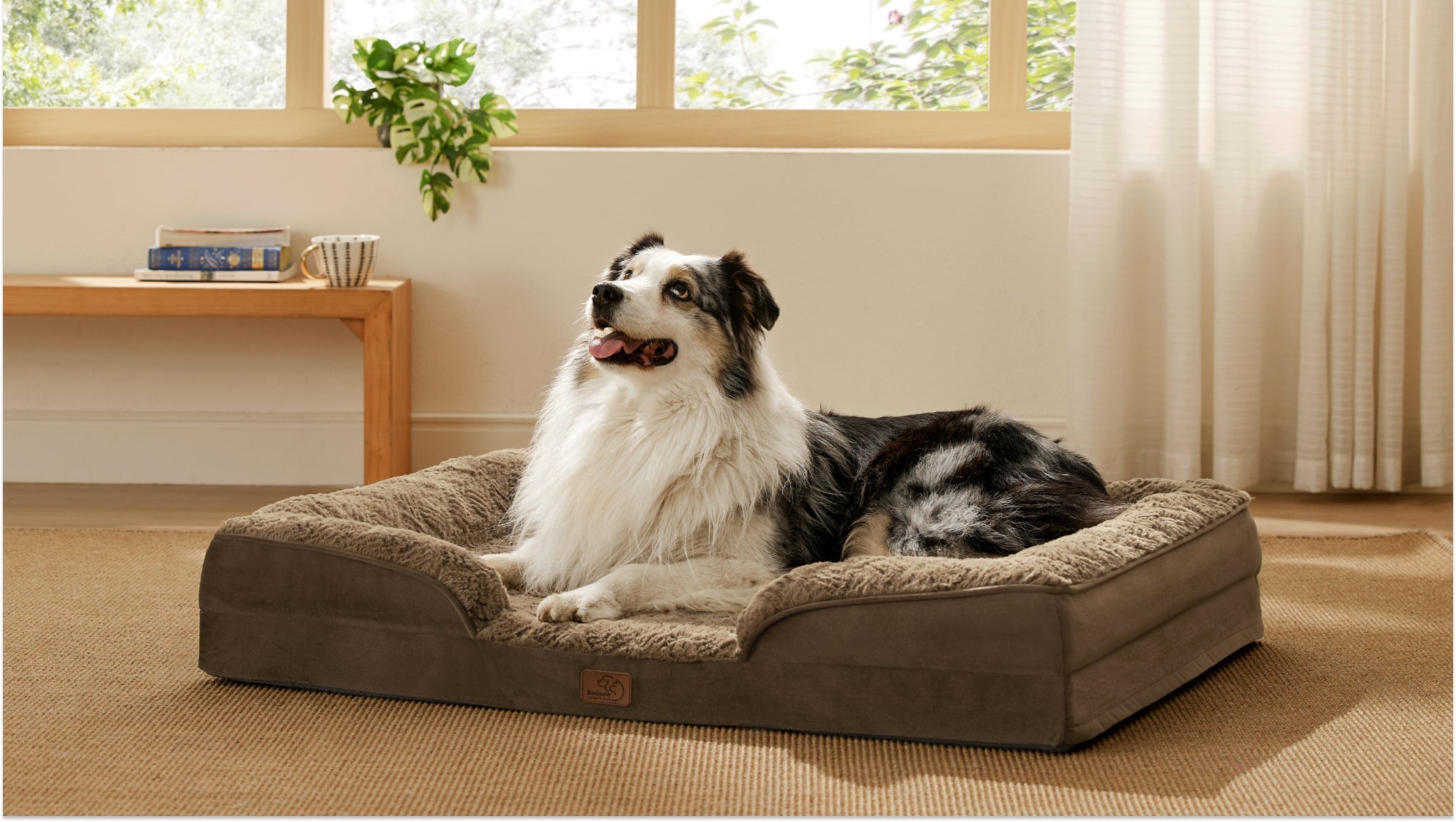
Which Dogs Benefit Most From Orthopedic Beds?
Senior dogs
Older dogs often sleep more and move less. They may also have arthritis, muscle loss, or reduced balance. An orthopedic bed gives them a stable and cushioned place to rest.
Choose a low-entry design. A tall bolster may look cozy, but it can make access hard for a dog with weak legs.
Large and giant breeds
A large dog places more weight on a bed. Cheap filling may flatten within weeks. Large breeds often need thick, dense foam and a wide sleeping area.
Measure your dog while fully stretched out. Add several inches around the body so the dog can turn and change position.
Dogs with arthritis
Arthritis can cause pain, stiffness, and reduced movement. A supportive bed may ease pressure during rest, but it cannot remove joint inflammation.
Watch for signs that require veterinary advice:
• Limping or sudden lameness
• Trouble climbing stairs
• Whining when touched
• Reluctance to walk or play
• Loss of appetite
• A sudden change in sleep habits
Dogs recovering from surgery
A veterinary team may recommend a specific type of bed after surgery. Many recovering dogs need a clean, flat, low bed that prevents jumping and slipping.
Avoid beds with loose fabric, deep holes, or large gaps. A dog with restricted movement could become trapped or place stress on the healing area.
Thin or underweight dogs
Thin dogs have less natural padding over their bones. A thick orthopedic mattress can make rest more comfortable and may help prevent pressure injuries.
The bed should still offer firm support. Excessively soft foam can let bony areas sink toward the floor.
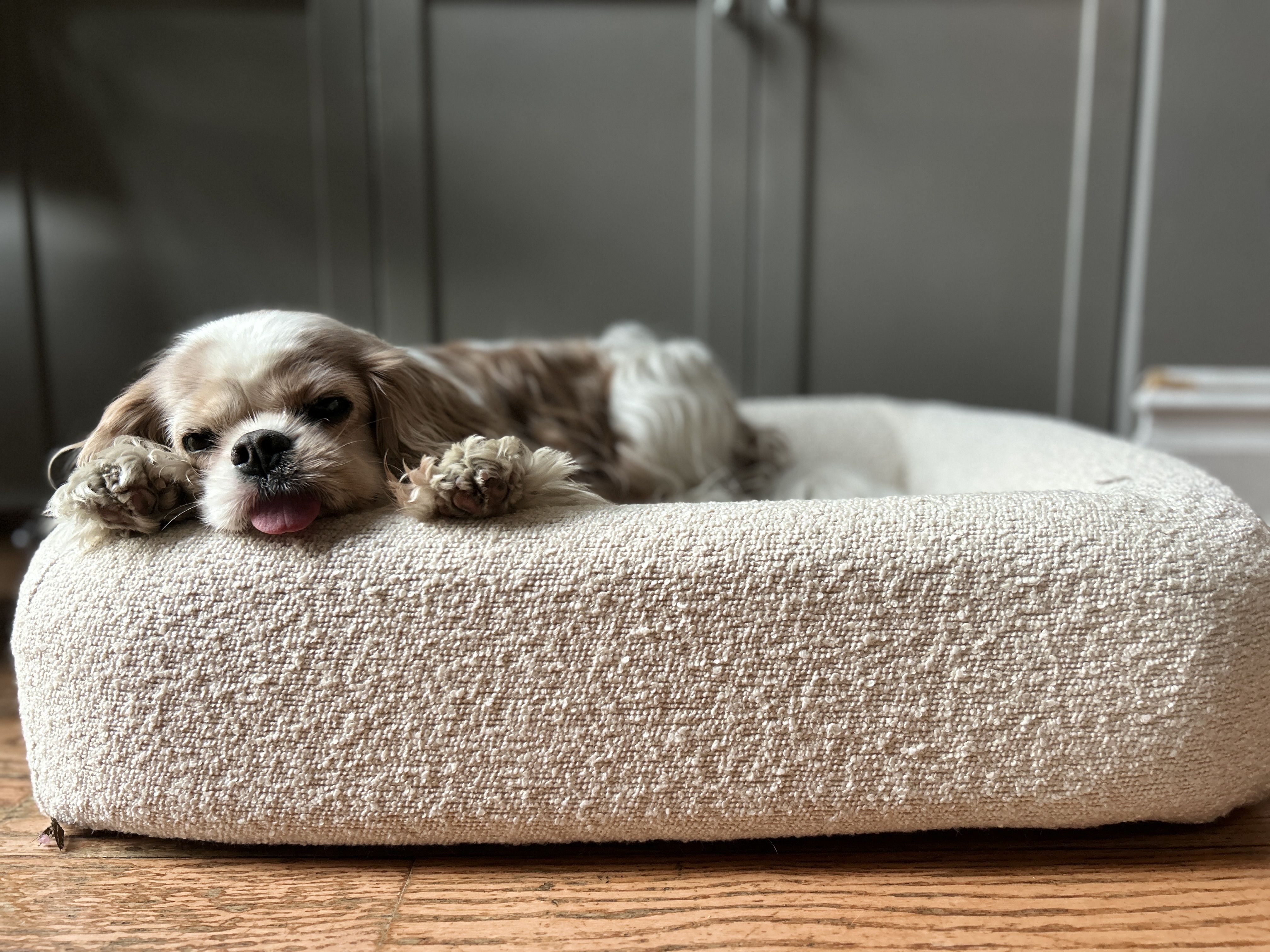
When an Orthopedic Bed May Not Be the Best Choice
Orthopedic beds are helpful, but they are not ideal for every dog or every situation. Some dogs prefer a cool floor, a raised cot, or a simple blanket. Comfort is personal.
A memory foam bed may hold heat. This can bother dogs with thick coats or dogs that live in warm climates. Look for breathable covers and place the bed away from direct sunlight.
Some dogs chew foam or pull apart covers. Foam can cause a serious blockage if swallowed. Choose a durable cover, supervise your dog, and replace damaged parts at once.
An orthopedic bed may also be unsafe if it slides. Place it on a rug or use a non-slip mat. Keep it away from stairs and narrow walkways.
Do not use a bed as a substitute for veterinary care. A new limp, severe pain, weakness, or loss of mobility needs professional assessment.
How to Choose the Best Orthopedic Bed for Your Dog
1. Measure your dog
Measure from the nose to the base of the tail while your dog is lying down. Then measure the width of the body when relaxed. Add room for stretching and turning.
A bed that is too small may force poor posture. A bed that is too large may feel less secure to a small dog.
2. Check the foam
Look for high-density foam or a layered foam design. A thick mattress is not automatically a supportive mattress. Low-quality foam may flatten quickly.
If the product lists foam density, compare it with other beds in the same price range. If it gives no details, read independent reviews and check the warranty.
3. Select the right firmness
Most dogs need a medium-firm surface. Very soft beds can cause sinking, while very hard beds may create pressure points.
A useful test is to press your hand into the mattress. Your hand should sink slightly, but the foam should push back and recover its shape.
4. Consider the entry height
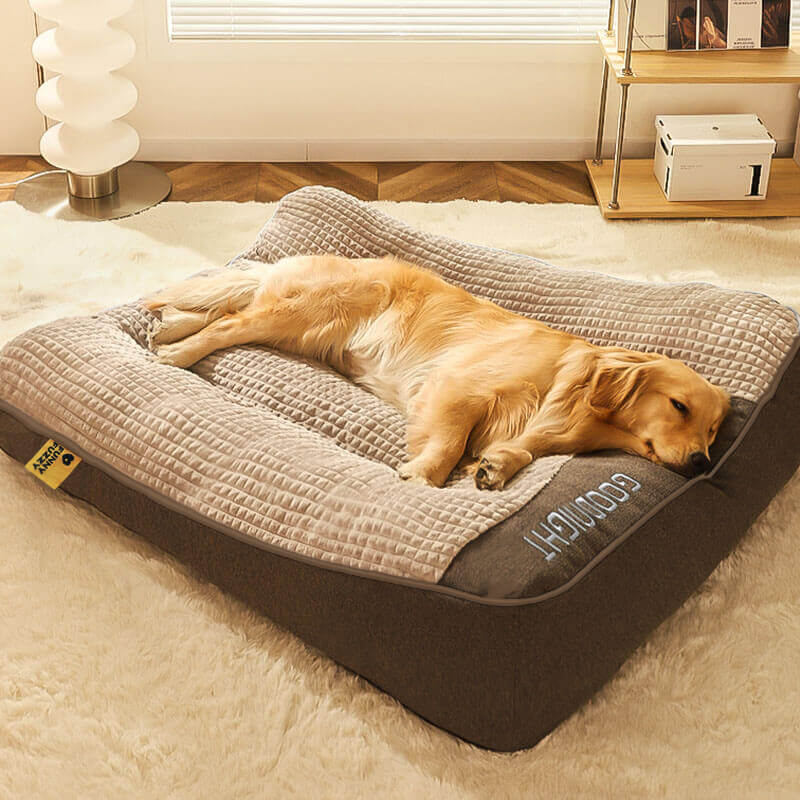
Dogs with joint pain need easy access. A low step-in side is often better than a tall wall. A small bolster can still provide head support without creating a barrier.
For puppies, small breeds, or dogs with poor balance, avoid beds with steep sides.
5. Choose washable materials
Accidents, muddy paws, shedding, and drool are part of life with dogs. A removable, machine-washable cover makes care much easier.
Look for:
• Strong zippers
• Water-resistant fabric
• A separate inner liner
• Replacement covers
• A foam core that can air out
6. Match the bed to sleeping style
Dogs that curl up may like a raised edge. Dogs that stretch out often prefer a flat mattress. Dogs that overheat may prefer a breathable cot or cooling cover.
Observe your dog for a few days before buying. Sleeping habits often tell you more than breed labels.
How to Introduce an Orthopedic Bed
Some dogs use a new bed at once. Others ignore it for days. Do not force your dog onto the bed. Instead, make it feel familiar.
Place the bed near the dog’s usual sleeping spot. Add a familiar blanket or toy. Offer praise when your dog sniffs, steps on, or rests on it.
Use treats to create a positive link. Keep the first sessions calm and short. If the bed smells strongly of chemicals, air it out according to the manufacturer’s instructions.
A common mistake is moving the bed too often. Dogs like predictable rest areas. Keep it in one safe place until your dog accepts it.

How to Care for an Orthopedic Dog Bed
Clean the cover often, especially if your dog has allergies or skin problems. Follow the washing directions because high heat can damage some fabrics.
Vacuum hair and dust from the bed. Air out the foam when needed, but do not soak it unless the manufacturer allows deep cleaning. Wet foam can hold moisture and develop an odor or mold problem.
Inspect the bed each month. Replace it when:
• The foam stays compressed
• Your dog touches the floor through the mattress
• The cover has tears
• The bed smells musty after cleaning
• Your dog avoids it or struggles to rise
A good bed is an investment, but it should still be replaced when it no longer supports your dog.
Orthopedic Beds and Veterinary Care
A dog bed can improve rest, but it cannot diagnose pain. Dogs often hide discomfort until a problem becomes serious. Changes in movement or sleep deserve attention.
Veterinarians may assess the dog’s weight, joints, muscles, gait, and pain level. They may also recommend imaging, medication, controlled exercise, or rehabilitation.
Weight management is especially important. Extra body weight increases stress on joints. Even a small reduction may improve comfort, but weight loss should follow a safe veterinary plan.
Evidence from canine rehabilitation and arthritis care supports a broad approach. Comfortable bedding works best when combined with appropriate exercise, nutrition, medical treatment, and home safety.

Practical Mistakes to Avoid
Buying based only on softness
Softness feels pleasant to your hand, but it does not prove support. A bed can be fluffy and still flatten quickly.
Choosing a bed that is too small
Dogs need space to turn, stretch, and change position. Measure first instead of guessing from breed size.
Ignoring heat
Memory foam can retain warmth. Watch for panting, restlessness, or repeated moves away from the bed.
Forgetting floor grip
A supportive bed that slides can create a fall risk. Use a non-slip base or place it on a rug.
Failing to inspect the bed
Foam can wear out slowly. Check for sagging and uneven areas even if the cover still looks new.
Expecting instant pain relief
An orthopedic bed may improve rest, but it will not treat the underlying cause of pain. Contact a veterinarian if symptoms continue.
How I Evaluate an Orthopedic Dog Bed
When reviewing a dog bed, I focus on support rather than appearance. I look at whether the foam rebounds, whether the cover fits tightly, and whether the bed stays in place when a dog stands.
I also pay attention to the dog’s behavior. A useful bed often leads to fewer restless turns, easier standing, and longer periods of relaxed sleep. These signs are not medical proof, but they offer practical feedback.
One lesson stands out: owners often buy a bed that suits their home instead of one that suits their dog. A stylish bed with a high edge may look attractive, yet it may be hard for an older dog to enter. Comfort, access, cleaning, and safety should come first.
Frequently Asked Questions About Are Orthopedic Beds Good for Dogs
Are orthopedic beds good for dogs with arthritis?
Yes, an orthopedic bed can reduce pressure on sore joints and provide a stable surface for rest. It should support, not replace, veterinary treatment for arthritis.
Do all dogs need an orthopedic bed?
No. Healthy young dogs may sleep well on a standard bed if it offers enough support and space. Orthopedic beds are often more useful for senior dogs, large breeds, thin dogs, and dogs with joint problems.
Is memory foam safe for dogs?
Memory foam is generally safe when it is covered and kept intact. Prevent chewing, because swallowed foam can cause a dangerous intestinal blockage.
Should an orthopedic dog bed be firm or soft?
Most dogs do best with a medium-firm bed. It should cushion the body without allowing the hips and shoulders to sink through to the floor.
How thick should an orthopedic dog bed be?
Thickness depends on the dog’s size and weight, but many medium and large dogs need several inches of dense foam. Foam quality matters as much as thickness.
Can an orthopedic bed help a dog sleep better?
It may help by reducing pressure and supporting the spine. If poor sleep continues, look for pain, heat, anxiety, itching, or another health problem.
Where should I place an orthopedic dog bed?
Place it in a quiet, draft-free area with easy access. Avoid slippery floors, stairs, direct heat, and places where the dog may be disturbed.
Conclusion
Are orthopedic beds good for dogs? Yes, they can be a smart choice for dogs that need better joint support, pressure relief, and easier rest. They are especially helpful for senior dogs, large breeds, dogs with arthritis, and pets recovering from injury.
Choose a bed with dense support, enough space, a washable cover, and a low, stable entry. Then monitor your dog’s comfort and speak with a veterinarian about pain, stiffness, or sudden movement changes. Compare suitable orthopedic beds, measure your dog carefully, and share your experience or questions in the comments.

Pet Care Writer & Researcher
Daniel writes practical guides on daily care, feeding, and safety, turning complex topics into simple, actionable advice.