How To Get A Dog On A Bunk Bed: Safe Climbing Tips
Learn how to get a dog on a bunk bed safely with practical steps, ramps, harnesses, and tips to prevent falls and protect your pet.
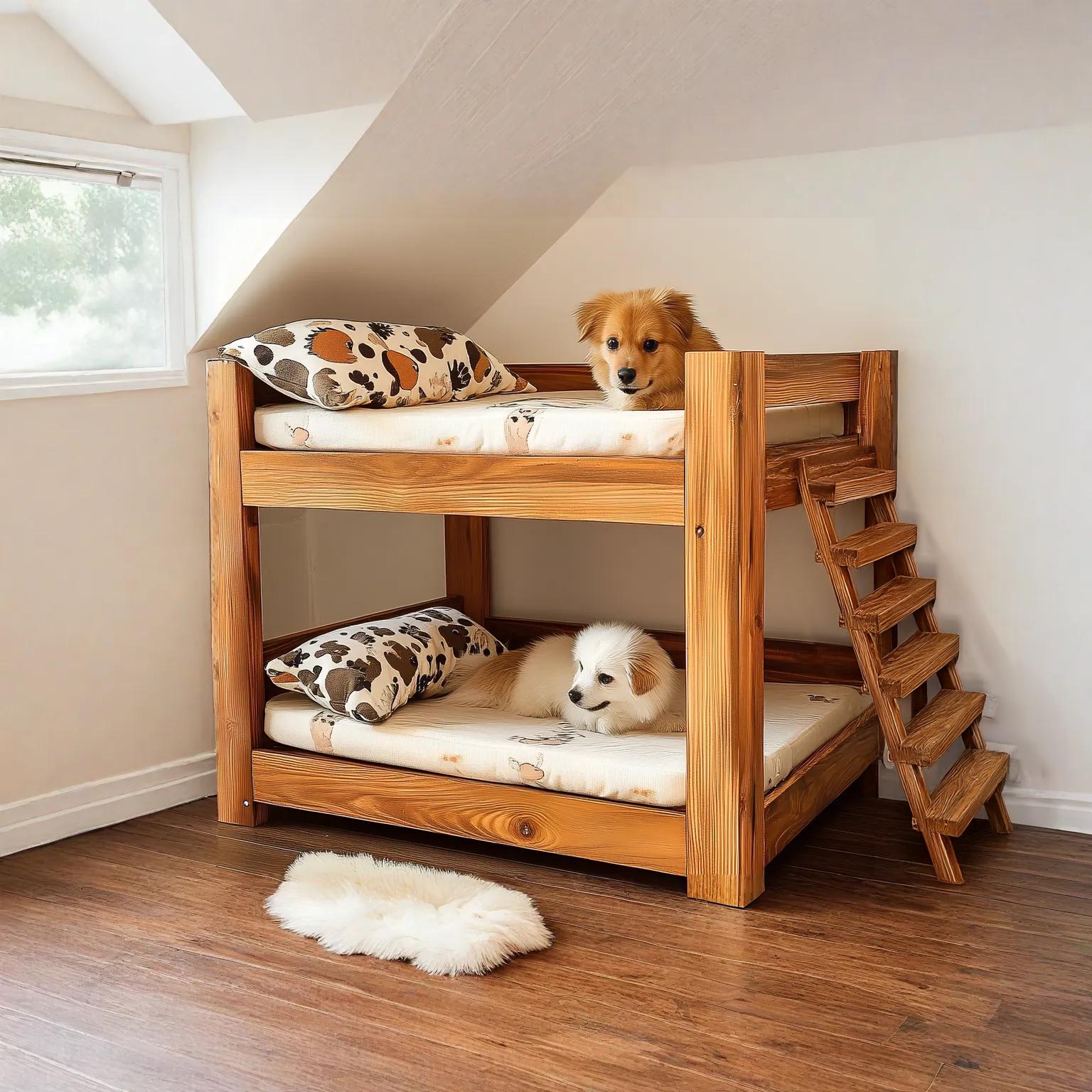
Teach your dog to use a safe ramp or steps, then guide them calmly onto the lower bunk.
Learning how to get a dog on a bunk bed takes more than lifting your pet into place. A bunk bed is high, narrow, and easy to fall from, so safety must come before comfort or convenience. This guide explains how to assess your dog, choose the right access method, build trust, and create a secure sleeping area without forcing risky jumps.

Is a Bunk Bed Safe for a Dog?
A bunk bed can be safe for some dogs, but it is not safe for every dog. The bed must be stable, the sleeping area must be wide enough, and your dog must have a secure way to get up and down. In most homes, the lower bunk is the safer choice.
The upper bunk carries a greater fall risk. A dog may slip while turning, wake suddenly, or jump down after hearing a noise. Small dogs, puppies, senior dogs, and dogs with weak joints face an even higher risk of injury.
Before learning how to get a dog on a bunk bed, consider these factors:
• Your dog’s age and health
• Their size and body shape
• Their balance and confidence
• The height and stability of the bed
• The type of floor below the bed
• Whether you can block unsafe access
A veterinarian can help if your dog has arthritis, hip problems, back pain, vision loss, or a history of falls. Dogs with short legs or long backs, such as Dachshunds and Corgis, may need extra care because jumping can strain the spine.
Choose the Lower Bunk Whenever Possible
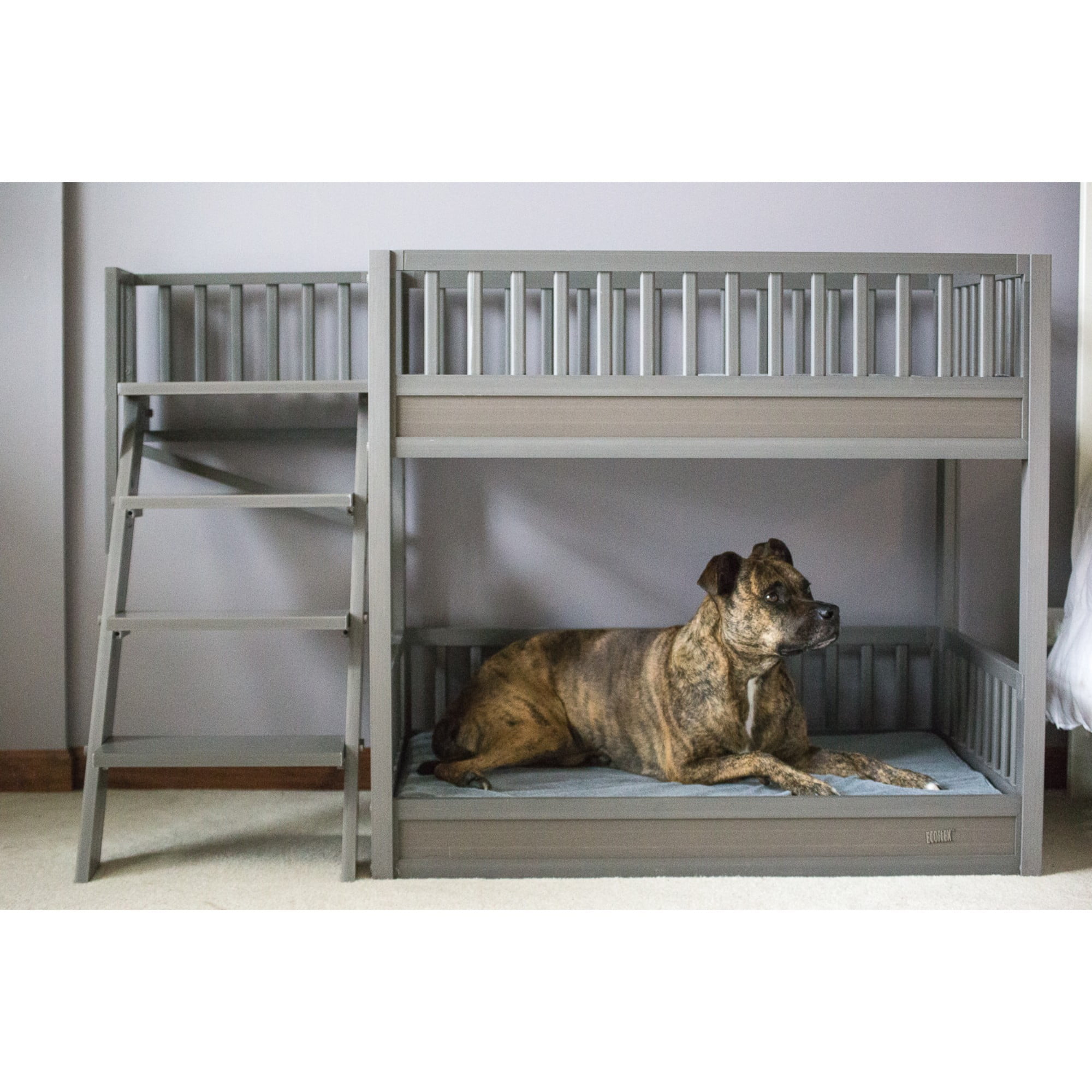
The lower bunk is usually the best option because it reduces the distance your dog could fall. It also makes training easier. Your dog can step onto the bed with less effort and can leave the bed without making a dangerous leap.
Avoid placing your dog on the top bunk unless a qualified veterinarian says it is suitable and you have added strong safety controls. Even then, the top bunk may not be a wise choice for a restless or active dog.
Make the lower bunk more secure by adding:
• A firm, non-slip dog mattress
• A fitted cover that does not bunch up
• A solid bed rail on open sides
• A ramp with side rails
• Soft padding on the floor below
• A night-light near the access point
Do not rely on loose pillows as a barrier. A dog can move them aside or become trapped under them. Also, avoid placing furniture beside the bunk bed unless it is part of a stable access system. An ordinary chair or box can slide and cause a fall.
If children use the bunk bed, teach them not to call, push, or pull the dog from the sleeping area. A calm sleep space protects both the dog and the child.
Select a Ramp or Pet Steps
The best way to get a dog on a bunk bed is to provide a controlled path instead of asking the dog to jump. A ramp is often easier for dogs with short legs, arthritis, or fear of stairs. Pet steps may work well for healthy dogs that already understand how to climb.
What to look for in a dog ramp
Choose a ramp that:
• Has a gentle slope
• Includes a textured, non-slip surface
• Has side rails or raised edges
• Supports more than your dog’s body weight
• Does not wobble when touched
• Locks or attaches firmly to the bed
• Reaches the floor without a sharp gap
A steep ramp can feel like a slide. Your dog may panic and move backward. Place the ramp at a mild angle, even if it takes up more floor space.
What to look for in pet steps
Pet steps should be wide, steady, and low enough for your dog to use without stretching. Small foam steps may work for a low platform, but they may not support a large dog near a bunk bed.
Test the steps yourself before training. Press down on each step and move the structure from side to side. If it shifts, your dog may refuse it or fall.
In my experience, dogs often accept a ramp faster when it has a familiar blanket on top. The scent helps the ramp feel like part of their bed rather than a strange object.

Prepare Your Dog Before Bed Training
Do not start by lifting your dog onto the bunk. That can create fear and may teach your dog that the bed is a place where they lose control. Begin on the floor and make each step easy.
Use small, tasty treats and a calm voice. Keep the first sessions short, such as three to five minutes. Stop while your dog is still relaxed and interested.
Before you teach how to get a dog on a bunk bed, practice these skills:
• Responding to their name
• Following a treat lure
• Walking on a mat
• Touching a target with their nose
• Standing calmly on a stable surface
• Going up and down one low step
A clicker can help mark the exact moment your dog makes a good choice. You can also use a simple word such as “yes.” Give the treat right after the behavior you want.
Never drag your dog toward the ramp or steps. Never push their hips or pull their collar. Pressure can turn a small concern into a lasting fear.
How to Get a Dog on a Bunk Bed Step by Step
Training should move from easy to harder tasks. The goal is not just to get your dog onto the bed once. The goal is to help them use the route safely and willingly.
Step 1: Let your dog inspect the equipment
Place the ramp or steps on the floor, away from the bunk bed. Let your dog sniff it. Reward calm behavior near the equipment.
If your dog backs away, move the ramp farther from the dog and use treats to create a positive link. Do not force contact.
Step 2: Reward one paw
Place a treat near the lower edge of the ramp. When your dog puts one paw on it, say “yes” and reward them. Repeat this several times.
Some dogs may need a day or two before they feel ready to place more paws on the surface. That is normal. Confidence grows in small pieces.
Step 3: Guide your dog across the ramp
Use a treat to guide your dog forward. Reward each step at first. Keep the ramp flat during this stage.
If your dog rushes, remove the treat from your hand and place it on the ramp instead. A slow pace is safer and easier to repeat.
Step 4: Add a small height
Raise the ramp only a little. Reward your dog for walking up and down. Watch their body language closely.
Signs of stress include:
• Ears pinned back
• Tail tucked
• Lip licking
• Yawning
• Shaking
• Freezing
• Trying to escape
If you see these signs, lower the ramp and return to an easier step.
Step 5: Attach the ramp to the lower bunk
Secure the ramp so it cannot slide or lift. Walk beside your dog during the first few trials. Reward your dog at the bottom, halfway point, and on the mattress.
Keep the bed area clear. A blanket that catches a paw can make your dog lose confidence.
Step 6: Teach the way down
Many owners focus on getting a dog up but forget the return trip. Practice going down more often than going up at first.
Stand near the bottom. Use a treat to guide your dog down slowly. Do not stand behind the dog and push. Let them see the route and choose each step.
Step 7: Add a release cue
Teach a cue such as “off” or “down.” Say the cue, guide your dog toward the ramp, and reward them when all four paws reach the floor.
This cue helps prevent your dog from jumping off the bed when excited. Practice it when the room is quiet before using it at night.
Step 8: Practice without constant treats
Once your dog uses the ramp well, reward every second or third successful trip. Continue to praise them with your voice.
Keep occasional treats in the routine. Rewarding safe behavior from time to time helps maintain the habit.
Make the Bunk Bed Comfortable and Secure
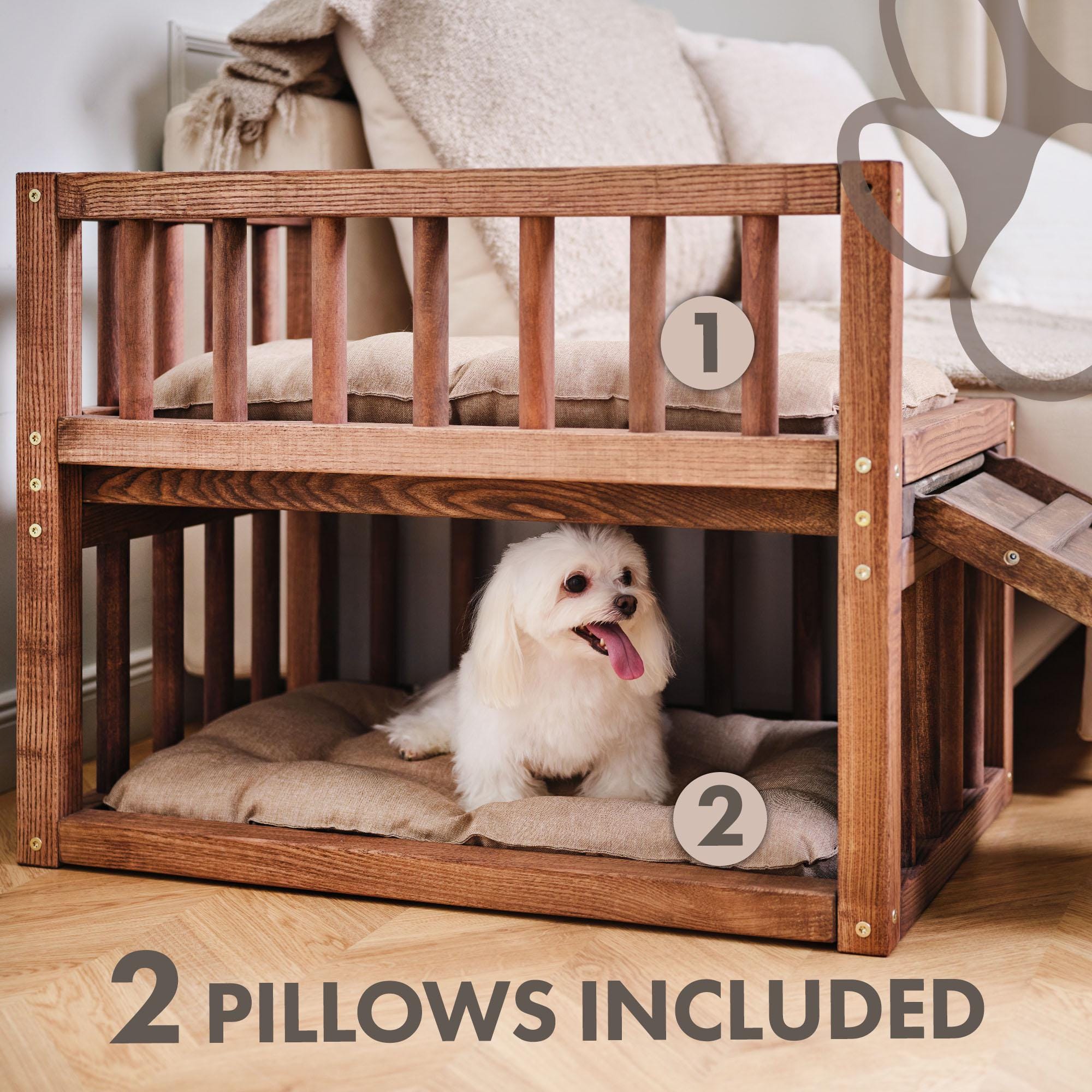
Dogs are more likely to use a bunk bed when it feels stable and familiar. The mattress should not slide, and the bedding should not hang over the edge. A fitted dog bed or secured mat can help.
Check the bed each week. Look for loose screws, cracked rails, bent supports, and worn ramp fasteners. A structure that feels safe to a person may still wobble when a dog moves quickly.
Use these safety checks:
• Shake the bed gently before training
• Confirm that the ramp supports your dog
• Check for gaps where paws could become trapped
• Remove cords and loose fabric
• Keep the floor dry
• Add a non-slip mat at the bottom
• Use a barrier if your dog tries to climb without permission
A motion sensor light can help an older dog see the ramp at night. Avoid bright lights that may disturb sleep.
Do not let your dog sleep on the upper bunk if they are likely to pace, chase sounds, or jump after a toy. Calm behavior is essential for any elevated sleeping area.
Use Positive Reinforcement, Not Force
Positive reinforcement means rewarding a behavior you want to see. It is useful when teaching how to get a dog on a bunk bed because it builds trust and choice.
A reward can be:
• A small food treat
• Calm praise
• A favorite toy
• Gentle petting
• Access to the cozy bed
Use rewards that matter to your dog. A toy may excite some dogs too much, while food may work better for slow and careful movement.
Avoid punishment if your dog refuses the ramp. Fear is information, not disobedience. Your dog may be telling you that the ramp is too steep, the surface is slippery, or the bed feels unstable.
One mistake I would avoid is moving too quickly after a successful attempt. A dog may cross the ramp once by chance but still feel unsure. Repeat the easy version several times before making the route higher or longer.
Common Problems and Practical Solutions
Your dog refuses to use the ramp
Make the ramp easier. Place it flat on the floor and reward your dog for standing near it. You can also add a familiar blanket or use a better reward.
Your dog jumps from the bed
Block the unsafe side with a secure rail or barrier. Teach the “off” cue and reward your dog for using the ramp. Do not leave the dog unattended until the habit is reliable.
Your dog rushes up or down
Use a treat trail with wider spaces between treats. Practice slowly and reward calm steps. A harness may give you gentle control during training, but do not use it to pull the dog up.
Your dog slips
Stop the session. Check the ramp surface, nails, paws, and floor. Add traction and reduce the slope before trying again.
Your dog whines at night
Your dog may feel isolated, uncomfortable, or unable to get down. Move the bed to a quieter area, add a familiar blanket, and make sure the route is visible. If the whining is new, consider pain or illness and speak with a veterinarian.
Your dog has joint pain
A bunk bed may not be the best choice. A floor-level orthopedic bed can provide better access and reduce strain. Dogs with arthritis often benefit from supportive bedding, steady footing, and fewer stairs.
When a Bunk Bed Is Not the Right Choice
Some dogs should not use a bunk bed, even with a ramp. The risk may outweigh the benefit if your dog has poor balance, severe arthritis, seizures, vision loss, serious back disease, or a strong habit of jumping.
Puppies may also be poor candidates. Their bones and coordination are still developing, and they may chew the ramp or climb without understanding the danger.
A floor bed is usually safer for:
• Senior dogs
• Dogs recovering from surgery
• Dogs with spinal problems
• Dogs who are blind or losing vision
• Dogs who startle easily
• Dogs who cannot follow a stable route
If you are unsure, ask your veterinarian. A veterinary rehabilitation professional can also assess movement, joint comfort, and safe access.
There is no need to make a dog use a bunk bed. The best sleeping arrangement is the one that supports restful sleep and reduces injury risk.
A Simple Training Schedule
A short plan can make the process clear.
Days 1 and 2
Let your dog inspect the ramp or steps on the floor. Reward calm behavior and one paw on the surface.
Days 3 and 4
Practice walking across the flat ramp. Reward slow movement in both directions.
Days 5 and 6
Raise the ramp slightly. Continue to reward the way down.
Day 7 and beyond
Attach the ramp to the lower bunk. Practice under supervision and add the release cue.
Your dog may need more time. Some dogs learn in a few days, while fearful or older dogs may need several weeks. Progress matters more than speed.
Keep a simple record of what works. Note the ramp angle, rewards, time of day, and signs of stress. This can help you find patterns and adjust the plan.
Frequently Asked Questions
Can a dog sleep on a bunk bed?
A dog can sleep on a bunk bed only when the structure is stable and the dog can access it safely. The lower bunk is usually safer than the upper bunk, especially for small, older, or less coordinated dogs.
How do I get a scared dog on a bunk bed?
Start with the ramp or steps on the floor and reward your dog for looking at or touching them. Move slowly, avoid force, and raise the height only when your dog remains relaxed.
Should I lift my dog onto the bunk bed?
Lifting may be acceptable for a calm, lightweight dog during an emergency, but it does not teach safe access. Repeated lifting can also strain your back or cause the dog to struggle and fall.
Are dog stairs or a ramp better for a bunk bed?
A ramp is often better for dogs with short legs, arthritis, or back concerns because it avoids sharp steps. Stable pet stairs may suit healthy dogs that already climb confidently.
How can I stop my dog from jumping off the bunk bed?
Use a secure rail, block unsafe sides, and teach an “off” cue. Practice walking down the ramp and do not allow unsupervised access until your dog consistently uses the safe route.
Can a puppy use a bunk bed?
Puppies are usually safer on a floor-level bed because they may jump, chew, or lose balance. If you use a lower bunk, supervise every session and block access when you are away.
What should I put under a dog bunk bed?
Use a non-slip mat and, if suitable, a firm protective pad to reduce slipping. Padding cannot prevent all injuries, so the main safety measure should be a secure route and a stable bed.
Conclusion
Learning how to get a dog on a bunk bed should always begin with safety, not height. Choose the lower bunk, use a stable ramp or steps, reward calm movement, and teach your dog how to come back down. Watch for pain, fear, slipping, or jumping, and choose a floor bed when the risks are too high.
Start with one easy step today: place the ramp on the floor and reward your dog for calmly approaching it. With patience and careful practice, you can create a comfortable sleep space that works for both of you. Share your experience or explore more dog safety resources before making changes to your pet’s sleeping area.

Pet Care Writer & Researcher
Daniel writes practical guides on daily care, feeding, and safety, turning complex topics into simple, actionable advice.