Is There An Indestructible Dog Bed: Best Durable Choices
Is there an indestructible dog bed for aggressive chewers? Explore durable, chew-resistant options and find the right bed for your tough pup.
No dog bed is truly indestructible, but some can withstand years of scratching, chewing, and rough use.
The question “is there an indestructible dog bed” matters most when your dog destroys fabric, digs before sleeping, or chews every corner within minutes. After comparing tough materials, bed designs, safety features, and real-world use, the answer is clear: you can find highly chew-resistant beds, but no product is impossible for every dog to destroy.
Is There an Indestructible Dog Bed?
The honest answer is no. There is no dog bed that can resist every dog, especially a powerful chewer with time, boredom, and sharp teeth.
However, some beds are far more durable than standard plush beds. They use materials such as ballistic nylon, coated canvas, ripstop fabric, aluminum, molded plastic, or heavy-duty PVC-coated mesh. These materials can handle scratching, digging, moisture, and daily wear much better than cotton or soft fleece.
When people ask, “is there an indestructible dog bed,” they usually want one that meets three needs:
• It resists chewing and tearing.
• It stays firm under heavy use.
• It is easy to clean after accidents, mud, or shedding.
A durable dog bed should also be safe. A bed that lasts for years but sheds loose threads, exposes sharp edges, or contains easy-to-swallow pieces is not a good choice.
The best goal is not absolute indestructibility. It is to choose the strongest bed for your dog’s size, habits, strength, and sleeping style.
What Makes a Dog Bed Nearly Indestructible?
Several design features help a dog bed survive rough treatment. The material matters, but construction often matters just as much.
Tough outer fabric
Look for fabric with a tight weave and strong abrasion resistance. Ballistic nylon and ripstop nylon are common choices for heavy-duty dog beds.
Ballistic nylon was first designed for protective gear. It is thick and resists tearing. Ripstop fabric has reinforced threads that help stop a small tear from spreading across the bed.
Other useful materials include:
• Heavy-duty canvas
• Cordura-style nylon
• PVC-coated fabric
• Waterproof polyester
• Marine-grade vinyl
No material is perfect. Even thick fabric can fail if your dog can grab an exposed seam or corner.
Reinforced seams
Weak seams are often the first failure point. A strong bed should have double stitching, bound edges, and reinforced corners.
Some beds use hidden seams. This gives dogs fewer places to bite. Others add protective covers over zippers. A zipper that sits inside a flap is much safer than one exposed along the outside edge.
Chew-resistant frames
A raised dog cot with a metal frame can be a good option for dogs that destroy foam beds. Powder-coated steel or aluminum frames are usually stronger than thin plastic frames.
Still, metal does not mean risk-free. Check for sharp corners, loose bolts, and chipped coating. Inspect the frame often, especially if your dog chews metal.
Waterproof surfaces
Waterproof fabric helps with accidents, drool, muddy paws, and outdoor use. It also makes cleaning much easier.
A waterproof bed can reduce odor and help protect the inner cushion. Yet waterproof does not always mean chew-proof. A dog may still tear the outer cover if the edge is easy to reach.
Simple construction
a bed with fewer loose parts often lasts longer. Decorative buttons, thin straps, tassels, and soft trim may look attractive, but they can become chew targets.
For strong chewers, simple is usually better. A plain cot or thick mattress with a protected cover may outlast a heavily padded luxury bed.
Which Types of Dog Beds Last the Longest?
The right bed depends on what your dog does when left alone. A dog that scratches may need a different bed from one that chews foam.
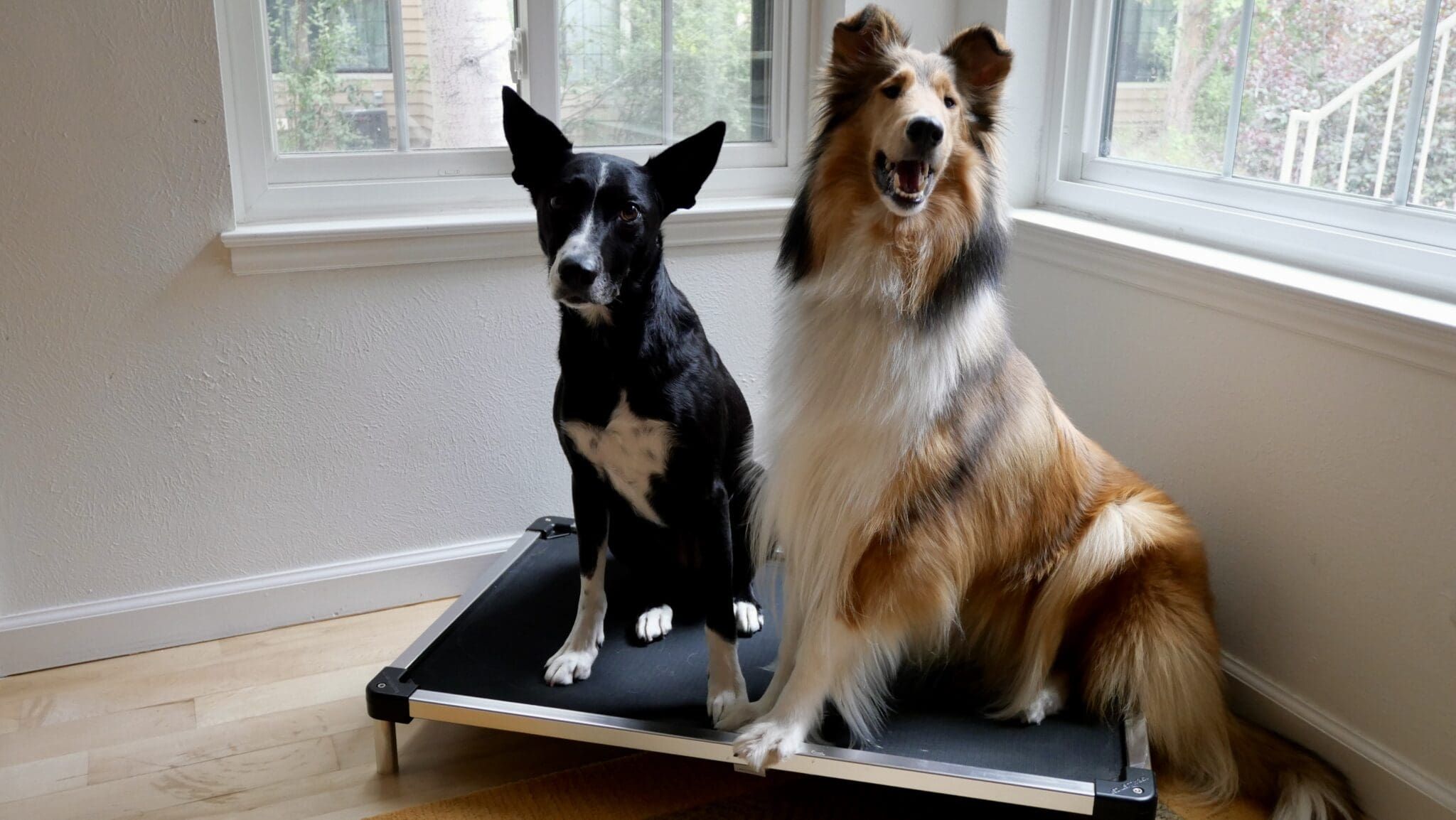
Elevated cot beds
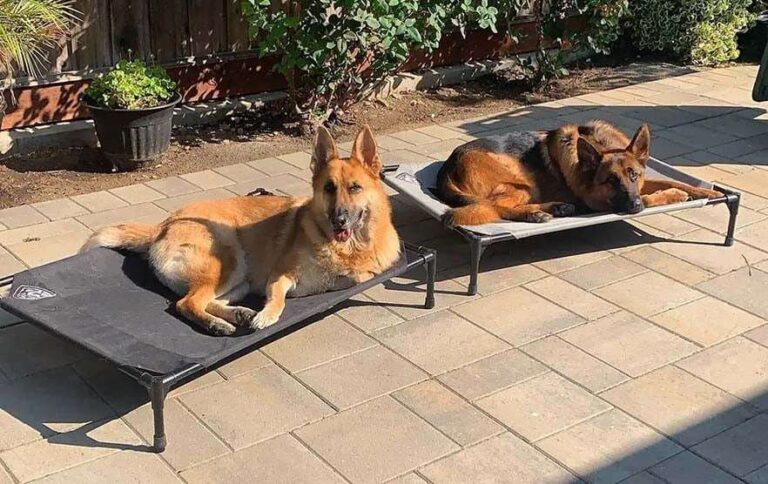
Elevated cot beds have a firm mesh sleeping surface stretched across a frame. Air flows under the bed, which helps keep dogs cool and reduces contact with damp floors.
They are often a strong choice for:
• Large dogs
• Outdoor use
• Dogs that overheat
• Dogs that destroy soft beds
A cot bed has no loose foam for your dog to pull apart. Many models also have washable surfaces. The main weakness is that a determined chewer may attack the fabric edges or plastic feet.
Aluminum-frame beds
Aluminum is light, strong, and resistant to rust. An aluminum-frame dog bed can work well for travel, kennels, and outdoor areas.
It may cost more than a basic plastic bed. Also, a thin frame can bend under extreme force, so check the weight rating before buying.
Molded plastic beds
A molded plastic dog bed has a hard shell that is difficult to shred. It can work well for dogs that tear fabric but do not aggressively chew hard plastic.
Add a tough, washable mat for comfort. Avoid soft blankets if your dog pulls them into pieces or swallows fabric.
Heavy-duty foam mattresses
Some dogs need the comfort of foam, especially older dogs or dogs with joint pain. Choose a mattress with dense orthopedic foam and a thick, chew-resistant cover.
Memory foam offers comfort but is not indestructible. If your dog can reach the foam, the bed may be destroyed quickly. The cover should fit tightly and hide the zipper.
Kennel or crate beds
Crate pads made from durable canvas or waterproof fabric can be useful for dogs that rest in a kennel. Look for a close fit with no excess material around the edges.
Do not leave a bed in a crate with a dog that is actively swallowing fabric or foam. Destructive chewing can create a serious blockage risk.

What Is the Best Dog Bed for Aggressive Chewers?
For aggressive chewers, a raised cot or a simple heavy-duty mat is often safer than a thick plush bed. The best option has few loose parts, strong seams, and no exposed foam.
A useful buying checklist includes:
• A chew-resistant cover
• Double or box stitching
• Hidden zippers
• No buttons, ribbons, or loose trim
• A frame made from sturdy metal or thick molded plastic
• A weight rating above your dog’s body weight
• Replacement covers or replacement fabric
• A return policy that allows you to test the bed
Consider your dog’s exact habit. Does your dog chew the corner, dig at the center, or pull the cover from underneath? Each habit points to a different weakness.
For example, a dog that digs may need a tightly stretched cot surface. A dog that bites edges may do better with a flat plastic bed and a fitted mat. A dog that swallows stuffing may need a bed with no accessible foam at all.
In my experience with durable pet products, the biggest mistake is buying based only on the word “indestructible.” Marketing terms can sound strong, but the actual details matter more. Study the seams, corners, frame, cover, and warranty before you buy.

How to Choose an Indestructible Dog Bed
When asking, “is there an indestructible dog bed,” start with your dog rather than the product label. A small, calm dog may use the same bed for years, while a powerful adult dog may destroy it in one night.
1. Measure your dog
Measure from the nose to the base of the tail. Add several inches so your dog can stretch out.
Your dog should be able to lie on the bed without hanging over the edge. A bed that is too small may wear out faster because your dog constantly pushes against the seams.
2. Match the bed to the chewing level
Think of chewing as three levels:
• Light chewer: May nibble or scratch but does not destroy beds.
• Moderate chewer: Chews corners, zippers, and loose covers.
• Powerful chewer: Tears fabric, removes stuffing, and breaks plastic parts.
A light chewer may need a washable fabric bed. A powerful chewer often needs a cot, plastic shell, or chew-resistant mat.
3. Check the materials
Do not rely only on product photos. Read the material list and look for terms such as:
• Ballistic nylon
• Ripstop nylon
• Heavy-duty canvas
• PVC-coated mesh
• Powder-coated steel
• Aluminum frame
• Waterproof polyester
The material should suit the setting. Outdoor beds need water and UV resistance. Indoor beds may focus more on comfort and odor control.
4. Inspect the weak points
Look closely at:
• Corners
• Seams
• Zippers
• Handles
• Feet
• Frame joints
• Areas where fabric meets metal
These are the places most likely to fail. A bed can have a tough center but still break because of one weak corner.
5. Consider cleaning
A durable bed must also be practical. Removable, machine-washable covers save time and help control allergens.
The American Veterinary Medical Association supports regular cleaning of pet supplies as part of good household hygiene. Follow the product’s cleaning instructions, and avoid harsh chemicals that may irritate your dog’s skin.

Are Indestructible Dog Beds Safe?
A durable dog bed can be safe, but supervision still matters. No bed should be treated as completely risk-free.
Inspect the bed before use. Remove it if you notice exposed foam, torn fabric, sharp metal, broken plastic, or loose threads. Dogs may swallow small pieces, which can lead to choking or an intestinal blockage.
The risk is higher when a dog:
• Swallows fabric or stuffing
• Chews when anxious
• Destroys beds while alone
• Has a history of intestinal blockage
• Bites hard objects until they splinter
Veterinary behavior experts often recommend identifying the reason behind destructive chewing. Boredom, separation anxiety, teething, stress, and lack of exercise can all play a role.
A tough bed is not a substitute for training. Offer safe chew toys, provide exercise, and use gradual crate training if your dog struggles when alone. If chewing is sudden or extreme, speak with a veterinarian or qualified behavior professional.

How to Stop a Dog From Destroying the Bed
Even the best bed can fail if your dog has a strong reason to chew it. Use the bed as one part of a larger plan.
Provide daily exercise
Physical activity can reduce restless behavior. Walks, sniffing games, training sessions, and food puzzles can help your dog use energy in healthy ways.
The right amount varies by breed, age, health, and temperament. A senior dog may need gentle movement, while a young working breed may need much more mental activity.
Teach a clear “leave it” cue
Train the cue with a safe object and a reward. When your dog moves away from the object, praise and reward right away.
Practice in short sessions. Do not shout or chase your dog, since that can turn chewing into a game.
Use a temporary bed
If your dog is still learning, use a simple mat that is easy to remove. Supervise early use and increase access as your dog proves trustworthy.
For dogs that swallow bedding, ask your veterinarian which temporary resting option is safest.
Reduce separation stress
If destruction happens only when you leave, record your dog for a short period or use a pet camera. Look for pacing, barking, panting, drooling, or attempts to escape.
These signs may point to separation anxiety rather than simple boredom. A veterinarian or behavior expert can help create a treatment plan.
Rotate safe enrichment
Give your dog safe chew items that match their size and chewing strength. Rotate them so they stay interesting.
Avoid cooked bones, brittle toys, and items that break into sharp pieces. Always follow the manufacturer’s safety guidance.

How Much Does a Durable Dog Bed Cost?
A durable dog bed may cost more at first, but price alone does not prove quality. A cheap bed replaced every month can cost more than a well-built bed that lasts several years.
Typical price factors include:
• Bed size
• Frame material
• Fabric thickness
• Orthopedic foam
• Waterproof coating
• Replacement parts
• Brand warranty
A basic tough mat may cost less than a framed cot. An orthopedic bed with a reinforced cover may cost more because it combines support with durability.
Look at the long-term value. A bed with replaceable fabric or covers may be a better investment than one that must be thrown away after a small tear.
Avoid any product that promises lifetime protection without clear warranty terms. Read what the warranty excludes, especially damage from chewing, scratching, outdoor use, or washing.
Common Mistakes When Buying a Tough Dog Bed
Many owners search, “is there an indestructible dog bed,” then choose the thickest or most expensive option. That approach can lead to disappointment.
Common mistakes include:
• Buying a plush bed for a dog that destroys stuffing
• Choosing a bed that is too small
• Ignoring exposed zippers
• Assuming waterproof means chew-proof
• Failing to check weight limits
• Leaving a new bed unsupervised
• Skipping regular inspections
• Choosing comfort over safety for a fabric-eating dog
One mistake I often see is giving a destructive dog full access to a new bed right away. A better approach is to introduce the bed during calm, supervised periods. Reward relaxed behavior, and remove the bed at the first sign of chewing.
This method protects the bed and gives you useful information. You learn whether your dog rests, digs, licks, or chews before the problem becomes expensive.

Frequently Asked Questions About Is There an Indestructible Dog Bed
Is there an indestructible dog bed for aggressive chewers?
There is no truly indestructible dog bed, even for aggressive chewers. Raised cots, hard plastic beds, and heavy-duty mats often last longer because they have fewer soft parts to destroy.
What is the toughest material for a dog bed?
Ballistic nylon, ripstop nylon, heavy canvas, and PVC-coated mesh are among the strongest fabric choices. A tough material still needs reinforced seams and protected edges to perform well.
Are elevated cot beds good for dogs that chew?
They can be a good choice because they do not contain loose stuffing or exposed foam. However, some dogs may chew the mesh, corners, or plastic feet, so inspect the bed often.
Can a dog bed be both orthopedic and chew-resistant?
Yes, some orthopedic beds use dense foam with thick, reinforced covers. The cover must remain fully intact, because exposed foam can be dangerous if swallowed.
How can I tell if my dog should not use a soft bed?
Avoid soft beds when your dog tears fabric, swallows stuffing, or damages bedding when unsupervised. Ask your veterinarian about safer options if your dog has a history of swallowing nonfood items.
How often should I replace a durable dog bed?
Replace a bed when it has exposed foam, broken parts, sharp edges, deep tears, or loose threads. A bed may last for years if it remains structurally sound and your dog cannot remove pieces.
Conclusion
So, is there an indestructible dog bed? Not in the absolute sense. The strongest choices are usually simple beds with reinforced seams, chew-resistant materials, sturdy frames, and few loose parts.
Choose based on your dog’s size, chewing style, health, and sleeping habits. Inspect the bed often, introduce it under supervision, and address boredom or anxiety when destruction continues.
A durable bed can save money and protect your dog, but smart matching matters more than bold product claims. Compare materials and safety features carefully, then share your experience or explore more practical dog-care guides before making your purchase.

Pet Care Writer & Researcher
Daniel writes practical guides on daily care, feeding, and safety, turning complex topics into simple, actionable advice.