Why Do Coyotes Bark At Night: Reasons Behind Their Calls
Why do coyotes bark at night? Learn what their howls, yips, and barks mean, plus when these mysterious sounds signal danger.
Coyotes bark at night to communicate, defend territory, find family members, and warn of danger.
If you have heard sharp yips, barks, or howls after dark, you may wonder why do coyotes bark at night so often. Their calls can sound close and intense, but they usually serve as social messages rather than a sign that a coyote is preparing to attack. Understanding coyote behavior can help you stay calm, protect pets, and respond wisely.
Why Do Coyotes Bark at Night?
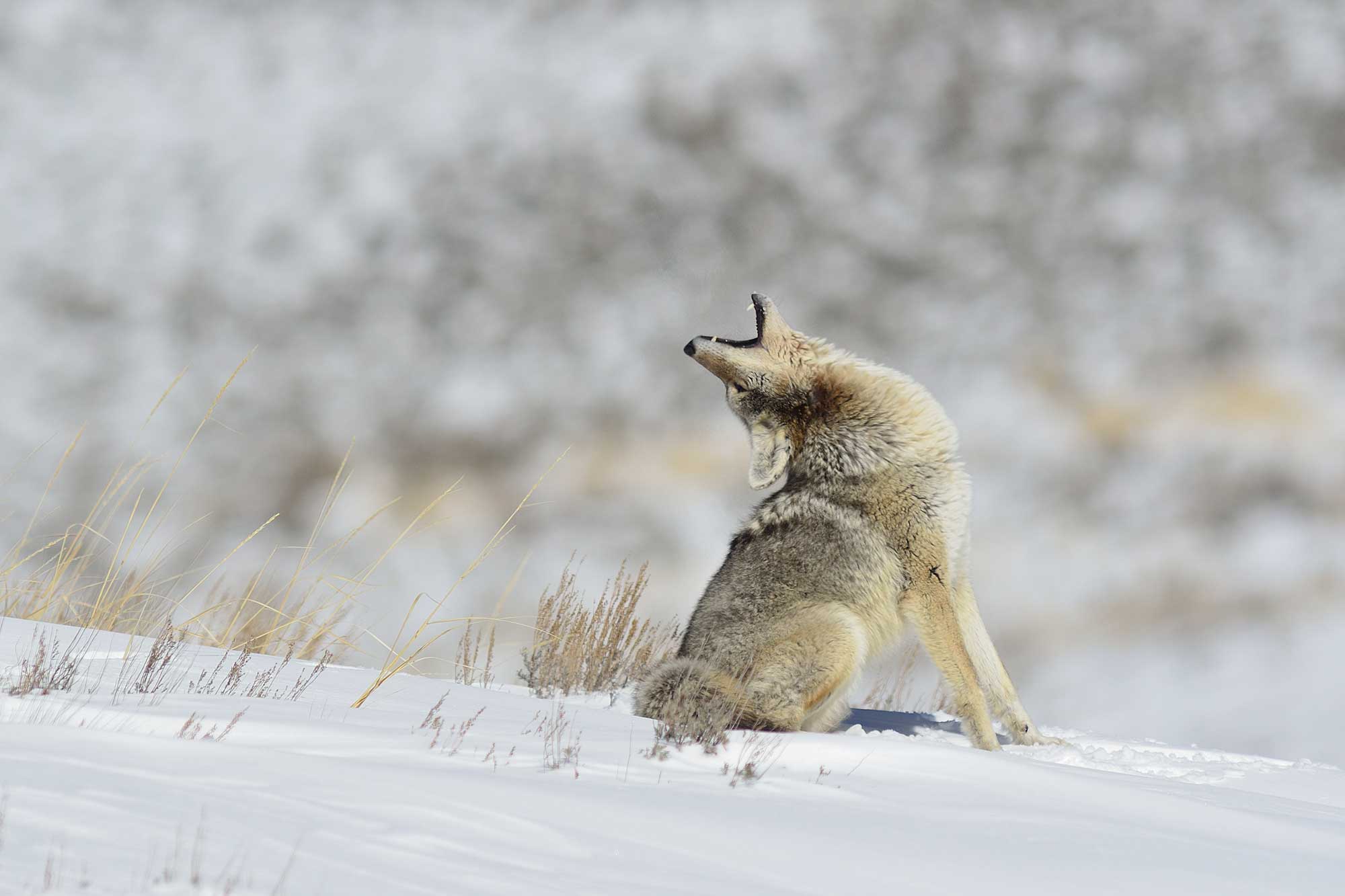
The main reason why do coyotes bark at night is communication. Coyotes use a mix of barks, yips, yowls, whines, and howls to share information with other coyotes.
Their voices help them:
• Mark and defend a territory
• Find separated family members
• Warn others about danger
• Call pups or adults back to the den
• Signal excitement, stress, or alarm
Coyotes are most active around dusk, night, and dawn. Darkness gives them cover, and cooler air makes travel easier. In many areas, people also notice their calls more at night because traffic and daytime sounds have faded.
A coyote’s call is like a group text sent across the landscape. One animal may start with a howl, while others answer with yips and barks. This can make two or three coyotes sound like a large pack.
What Sounds Do Coyotes Make?
People often use the word “bark” for every coyote sound. In reality, coyotes have a broad vocal range. Each sound can carry a different message.
Barking
A bark is often linked to alarm, warning, or territorial defense. A coyote may bark after spotting a person, dog, vehicle, or another animal near its area.
Barking may sound harsh and repeated. It does not always mean aggression. Often, the coyote is saying, “I see you. Stay away.”
Howling
Howls help coyotes communicate over long distances. A lone coyote may howl to locate its mate or family group. Several coyotes may howl together to announce that a territory is occupied.
Yipping
Yips are short, high sounds that often appear during social contact. Young coyotes may yip during play, while adults may use yips when regrouping.
Whining
Whines can signal submission, distress, or a request for attention. Pups often use softer sounds when interacting with adults.
Why do coyotes bark at night in groups?
Coyotes may bark and howl together after reuniting. They may also respond to another group in the distance. The combined sounds can seem much louder than they really are.
The Main Reasons Coyotes Bark at Night
They defend their territory
Coyotes live in home ranges that may overlap with other coyote groups. They use scent marks and vocal calls to announce ownership of an area.
A coyote may bark at night when another coyote crosses a boundary. This helps reduce the need for a physical fight. Vocal warnings can settle a conflict before it becomes dangerous.
They locate family members
Coyote families often spread out while hunting or traveling. Calls help them stay connected when trees, hills, or darkness block their view.
A parent may howl, and a pup may answer from a den or hiding place. Adults may also call after a hunt to bring the group together.
They warn about danger
coyotes can bark when they notice a threat. The threat might be a dog, human, vehicle, mountain lion, or unfamiliar animal.
This warning does not always mean the coyote wants to approach. In many cases, the call helps the animal alert its family and create distance.
They protect pups
Spring and early summer can bring more vocal activity. Coyotes may have pups in a den, and adults may bark when something comes too close.
A den can be in a brush pile, hollow log, rock opening, or abandoned burrow. If you hear repeated calls from one area, avoid exploring it. Young animals and protective adults should be left alone.
They respond to other sounds
Coyotes may answer dogs, sirens, train whistles, and even human voices. This behavior is called a response howl or vocal reaction.
A single coyote may trigger a chain of calls. The first animal calls, others answer, and the sound spreads across the neighborhood.
They react to mating-season activity
Coyote breeding usually occurs in winter, with timing varying by region. During this period, adults may call more as they search for mates or defend space.
This seasonal increase can make people ask why do coyotes bark at night during the colder months. The calls may reflect courtship, pair bonding, or conflict between rival animals.
Why Coyotes Sound Louder at Night
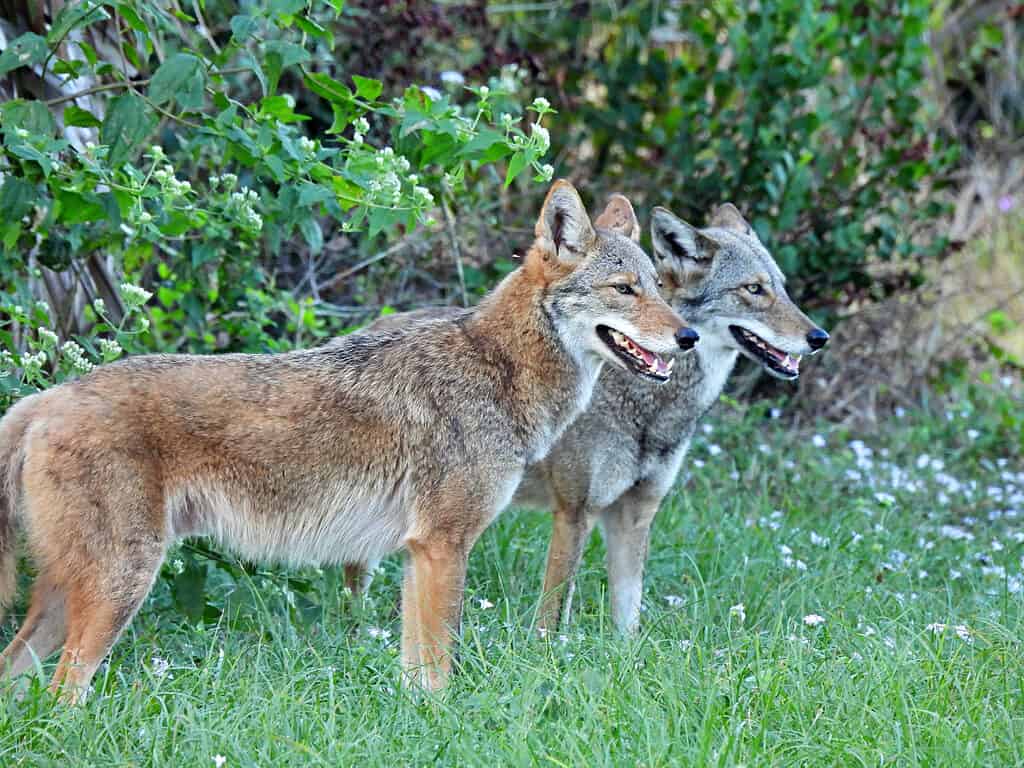
Nighttime sound travels in ways that can make coyote calls seem unusually close. Cooler, calmer air often carries sound across open land. Fewer cars, machines, and people are active, so the calls stand out.
The shape of the land also affects what you hear. Hills, buildings, water, and pavement can reflect sound. This can create echoes that make one coyote sound like several animals in different places.
Coyotes also use sound that is rich in high tones. High, sharp yips can travel well and catch human attention. Your brain may interpret the calls as more threatening because they are sudden and unfamiliar.
A useful rule is this: sound alone is not a reliable way to judge distance. A coyote that sounds close may be farther away, while a quiet animal may be nearby.
Does Coyote Barking Mean an Attack Is Coming?
Usually, no. Coyote barking most often means the animal is communicating, warning, or reacting to something in its environment.
Still, behavior matters more than sound. Be more cautious if a coyote:
• Walks toward people without fear
• Follows a person or pet
• Acts confused, weak, or unable to move normally
• Attacks or bites a person or domestic animal
• Appears active during the day and shows no response to normal threats
Daytime activity alone does not prove disease. Coyotes may travel during daylight when feeding pups, searching for food, or avoiding human activity. However, bold or abnormal behavior deserves attention.
Never assume that a barking coyote is harmless simply because it is vocal. Keep a safe distance and watch how it moves.
How to Tell Whether Coyotes Are Nearby
Hearing a call does not always mean coyotes are close to your home. Look for several signs before deciding whether you have a repeated local visitor.
Common signs include:
• Tracks with four toes and visible claw marks
• Scat containing fur, feathers, seeds, or small bones
• Repeated sightings along the same trail
• Pet food, trash, or fallen fruit being disturbed
• Small livestock or poultry showing signs of nighttime stress
Coyote tracks can resemble dog tracks. Coyote prints are often narrower and more oval, while many dog prints look rounder. Track size varies, so one footprint should not be treated as final proof.
Trail cameras can help confirm activity without disturbing wildlife. Place cameras near paths or suspected food sources, but do not put food out to attract coyotes.
What to Do When You Hear Coyotes Barking
If you hear coyotes at night, remain calm. The sound may be unsettling, but panic can lead to poor choices.
Follow these steps:
-
Bring pets indoors, especially small dogs and cats.
-
Check that doors, gates, and animal enclosures are secure.
-
Remove food bowls, birdseed spills, pet waste, and open trash.
-
Turn on outdoor lights if a coyote is visible near your home.