Why Does My Dog Bark When I Sneeze: The Real Reason
Why does my dog bark when I sneeze? Learn the reasons behind this quirky behavior and what your dog may be communicating.
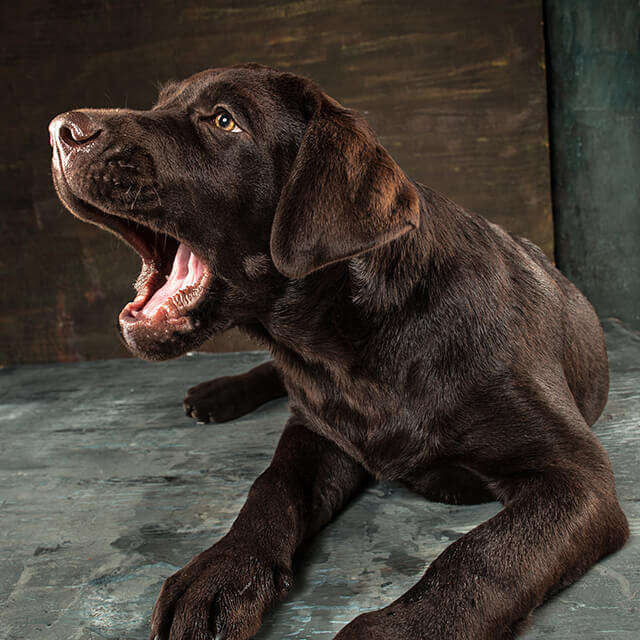
If your dog barks when you sneeze, the most likely reason is that the sound surprises, excites, or concerns them. A sneeze is sudden, loud, and unusual from your dog’s point of view. Some dogs bark because they are startled. Others think you are calling them, playing with them, or signaling that something is wrong.
This reaction is common in dogs across the United States and is usually harmless when your dog quickly returns to normal. The key is to watch the whole body, not just the bark. A loose body and wagging tail suggest excitement or alerting. A stiff body, tucked tail, hiding, or repeated lunging may point to fear or stress.

The short answer: Why does my dog bark when I sneeze?
Your dog may bark at your sneeze because of:
- Startle: The sneeze is sudden and loud.
- Alerting: Your dog thinks the sound may signal a problem.
- Attention seeking: Barking has worked before to make you look, speak, or move.
- Social response: Dogs often react to sounds made by people or other dogs.
- Confusion: Your dog may not understand what the sneeze means.
- Excitement: Some dogs treat the sneeze as the start of play.
- Fear or discomfort: The sound may be unpleasant, especially for noise-sensitive dogs.
A single bark followed by calm behavior is usually not a concern. A strong or worsening reaction deserves a closer look.
What your dog may be communicating
Your dog’s bark is only one part of the message. Body language can help you work out why the barking happens.
Your dog may be startled
A sneeze has no warning for your dog. It can sound sharp and much louder than it feels to you. Dogs also hear a wider range of sounds than humans, so a sneeze may seem intense at close range.
A startled dog may:
- Jump or turn quickly
- Bark once or twice
- Look at your face
- Move away, then return
- Relax within a few seconds
This is often a reflex, much like a person jumping when a door slams.
Your dog may think you need help
Some dogs react to human sneezes as if they are signs of distress. They may come closer, stare at you, lick your hand, whine, or bark. This does not prove that dogs understand sneezing in the same way people do. It means the sound has caught their attention and may have triggered a concern response.
Dogs are skilled at noticing changes in human sounds, posture, and movement. A sneeze changes all three at once.
Your dog may have learned that sneezing brings attention
If you laugh, talk to your dog, touch them, or give them comfort after they bark, the barking may become part of a learned pattern. Your dog may not be “being bad.” They may simply learn:
“When my person makes that sound, barking gets a response.”
Even telling a dog to stop can reward the behavior with attention. The ASPCA explains that dogs may bark for attention, alarm, fear, excitement, or other reasons.
Your dog may be excited
Some dogs become playful when their person sneezes. They may bark, bring a toy, bow with their front legs, or run around. If the rest of the body is loose, this may be excitement rather than fear.
Look for:
- A relaxed mouth
- A loose, wiggly body
- A play bow
- A toy brought to you
- A quick return to calm behavior
Do not assume every wag means happiness. A fast, stiff wag can occur with stress or high arousal.
Your dog may be afraid
A sneeze can be a real trigger for a noise-sensitive dog. Fear is more likely when your dog:
- Crouches or freezes
- Tucks their tail
- Pins their ears back
- Licks their lips
- Yawns outside normal rest times
- Hides or tries to leave
- Barks repeatedly from a distance
- Shows a stiff posture or raised hackles
Fear-based barking can grow stronger if the dog is forced to remain close to the sound. Give your dog space rather than pulling them toward you.
How to tell whether the barking is harmless
The best clue is what happens before, during, and after the sneeze.
| What you see | More likely meaning | Helpful response |
|---|---|---|
| One bark, then your dog relaxes | Startle or alert | Stay calm and carry on |
| Barking with a loose body and toy | Play or excitement | Redirect to a quiet cue |
| Barking while moving toward you | Attention or concern | Reward calm contact |
| Barking while backing away | Fear or discomfort | Increase distance and lower noise |
| Growling, stiff body, or snapping | Stress or defensive behavior | Stop the interaction and seek help if repeated |
| Barking that lasts after you stop sneezing | Learned habit, anxiety, or another trigger | Track the pattern and begin training |
A video can help. If safe, record a normal episode from a distance. Do not provoke repeated sneezes just to film it. Share the video with your veterinarian or a qualified behavior professional if the cause is unclear.

How to stop your dog from barking when you sneeze
You can often reduce the reaction by changing what your dog expects and rewarding calm behavior.
1. Check for fear before training
Do not begin by correcting the bark. First ask whether your dog looks afraid. If your dog is hiding, trembling, trying to escape, or showing defensive behavior, punishment may increase fear.
Move away, give your dog room, and let them settle. A quiet room, bed, crate with the door open, or another safe area may help.
2. Avoid making the sneeze a big event
Try to keep your response calm and brief. Do not shout, laugh loudly, chase your dog, or repeat the sneeze for fun. These actions can make the sound more exciting or frightening.
You do not need to ignore your dog completely. A calm phrase such as “You’re okay” may be fine, as long as it does not lead to a long burst of attention.
3. Reward calm behavior
Keep small treats nearby during normal daily activities. When you sneeze and your dog stays quiet or settles after one bark, place a treat on the floor or give calm praise.
Reward the behavior you want:
- Sneeze naturally.
- Wait for your dog to pause or relax.
- Mark the calm moment with a soft “yes.”
- Give a treat or quiet praise.
- Repeat only during normal sneezes.
The reward should come after calm behavior, not during prolonged barking.
4. Teach an alternative response
A dog cannot easily bark and perform a calm task at the same time. Teach a simple behavior such as:
- Look at me
- Go to your mat
- Sit
- Touch
- Find it
Practice the cue when no one is sneezing. Once your dog knows it well, use it after a sneeze. Start with an easy version, such as asking your dog to look at you, then reward.
5. Use gradual desensitization for noise fear
If your dog is afraid, gradual exposure may help. This means presenting a very mild version of the sound while your dog remains relaxed, then pairing it with something pleasant.
A basic plan is:
- Record a sneeze at very low volume.
- Play it from a distance.
- Give treats while your dog remains calm.
- Stop if your dog stiffens, hides, or barks repeatedly.
- Increase volume or shorten distance only after many calm sessions.
Do not raise the volume quickly. Training should stay below the point where your dog reacts strongly. For serious noise fear, ask your veterinarian or a certified veterinary behaviorist for a tailored plan. The Merck Veterinary Manual describes fear and anxiety as behavior concerns that may need professional assessment.

Common mistakes that can make the barking worse
Several well-meant responses can strengthen the behavior.
Do not punish the bark
Yelling, leash corrections, or physical punishment may stop the sound for a moment, but they can also make your dog associate sneezing with danger or conflict. Fear can then appear as louder barking, avoidance, or defensive behavior.
Do not reward frantic behavior
Petting your dog, picking them up, or offering repeated treats while they are panicking may reinforce the entire sequence. Wait for a small sign of calm, such as four paws on the floor, a loose body, or a pause in barking.
This does not mean you should withhold comfort from a frightened dog. It means you should provide comfort in a calm way and avoid forcing contact.
Do not force your dog to stay near you
A dog that runs away may be asking for distance. Blocking the exit, holding the dog close, or bringing them toward the sneeze can increase fear and may lead to a bite.
Do not assume the cause from the sound alone
The same bark can mean different things in different dogs. Breed traits, age, past experiences, hearing ability, and home setting all matter. A dog barking at a sneeze in a quiet apartment may have a different reason from a dog reacting during a busy family gathering.
When should you call a veterinarian or behavior professional?
Contact your veterinarian if the reaction is sudden, severe, or part of a broader behavior change. Pain, illness, hearing changes, and anxiety can affect how a dog responds to sounds. Veterinary guidance is especially important for older dogs or dogs that have recently become unusually jumpy.
Seek prompt professional help if your dog:
- Attempts to bite during or after the sneeze
- Lunges at people
- Cannot settle for several minutes
- Injures themselves while trying to escape
- Shows fear of many ordinary sounds
- Stops eating or sleeping normally
- Has other symptoms, such as confusion, weakness, coughing, or breathing trouble
A veterinarian can check for medical causes and may refer you to a board-certified veterinary behaviorist. A qualified positive-reinforcement trainer can also help with a mild, well-defined habit. Look for a professional who explains the plan clearly and does not rely on fear, pain, or intimidation.
A bark after a sneeze is not, by itself, a sign of aggression. Aggression risk is better judged by the complete pattern, including stiffness, direct staring, growling, snapping, and the dog’s ability to disengage.
Why do some dogs bark at fake sneezes?
Some dogs bark at fake sneezes for the same reasons they bark at real ones: the sound is sharp, unusual, and linked with movement or attention. A fake sneeze can also become a game if people repeat it and react each time.
Avoid testing your dog over and over. Repeated fake sneezes may increase arousal and make the habit stronger. If your dog reacts, stop the game and reward calm behavior once they settle.
Why does my dog bark at other sounds but not sneezes?
Dogs have different sound preferences and learning histories. One dog may ignore sneezes but bark at doorbells. Another may react to a sneeze because it happens close to their face or because a family member has responded dramatically in the past.
The important question is not whether your dog barks at every loud sound. It is whether the reaction is growing, causing distress, or affecting daily life.
Is it normal for a dog to sneeze back?
Dogs sometimes sneeze during play, excitement, or close social contact. A “play sneeze” can help signal that rough-looking behavior is friendly. However, repeated sneezing, nasal discharge, coughing, trouble breathing, or low energy can point to a health issue.
If you mean your dog makes a rapid series of inward snorts, that may be a reverse sneeze. Reverse sneezing often sounds alarming, but brief episodes can occur when the soft palate or throat becomes irritated. Ask your veterinarian about repeated or severe episodes, especially if your dog struggles to breathe or does not recover quickly. The VCA Animal Hospitals guide to reverse sneezing provides additional background.
Why does my dog bark when I sneeze but not when other people sneeze?
Your dog may have learned a specific association with your sneezes. You may sneeze more often, make a louder sound, sit closer to your dog, or respond more strongly afterward. Your dog may also be more focused on you than on other people in the home.
Compare the setting rather than only the person. Note the distance, volume, time of day, room, and what happens after the bark. This can reveal a learned pattern.
Can I train my dog not to react to sneezing?
Often, yes. The most useful approach is to reward calm behavior and teach an alternate response. For a fearful dog, use slow desensitization rather than correction.
Progress may be gradual. A good result does not always mean your dog never barks again. It may mean the dog startles less, recovers faster, and can follow a calm cue.
Key takeaways
- Dogs may bark at sneezes because the sound is sudden, loud, exciting, or worrying.
- Body language helps distinguish startle, play, attention, and fear.
- Stay calm and reward quiet, relaxed behavior.
- Do not punish, force contact, or repeat fake sneezes to test your dog.
- Seek veterinary or behavior help if the reaction is intense, new, worsening, or unsafe.
Conclusion
Your dog probably barks when you sneeze because the sound triggers a quick alert, startle, social, or learned response. In many cases, the behavior is harmless and fades when you stay calm and reward your dog for settling.
Start by watching your dog’s body language. If your dog looks relaxed, practice a simple calm cue and reward it. If your dog looks afraid or becomes aggressive, give them space and contact a veterinarian or qualified behavior professional for guidance.

Pet Care Writer & Researcher
Daniel writes practical guides on daily care, feeding, and safety, turning complex topics into simple, actionable advice.