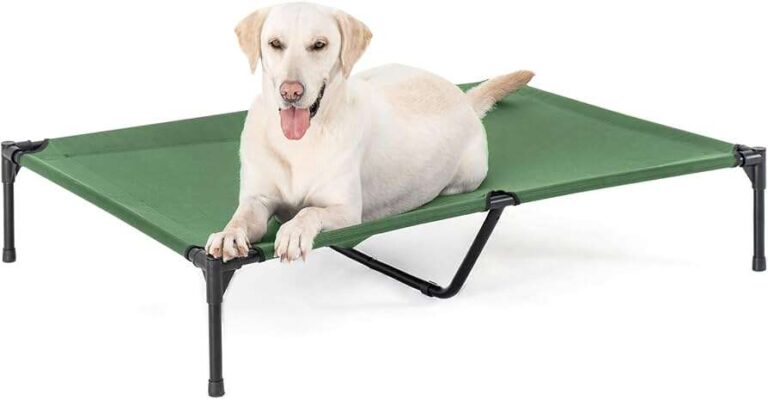
How To Clean A Dog Bed Foam Insert: Easy Guide
Learn how to clean a dog bed foam insert safely, remove odors and stains, and keep your pet’s bed fresh with these simple cleaning tips.
The safest way to clean a dog bed foam insert is to vacuum it, spot-clean stains with mild soap, rinse lightly, and dry it fully before use. Do not put foam in a washing machine or dryer unless the care label or manufacturer says it is safe.
For dog owners in the United States, this method works for most foam inserts found in crate beds, bolster beds, orthopedic beds, and indoor dog mattresses. Always check the tag first. Care instructions can vary by foam type, cover fabric, and bed design.
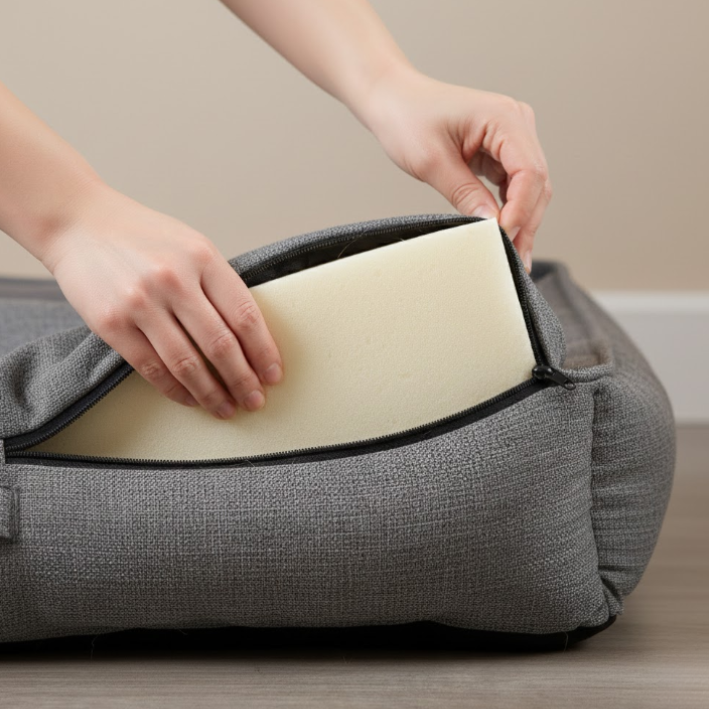
What You Need Before You Start
Gather these items before cleaning the foam:
- A vacuum with an upholstery tool
- A bathtub, large sink, or clean outdoor area
- Cool or lukewarm water
- Mild, unscented laundry detergent or dish soap
- Several clean towels
- A soft brush or sponge
- A spray bottle
- A fan or well-ventilated drying area
- An enzyme cleaner made for pet urine, if needed
Avoid strong fragrances, bleach, ammonia, and harsh solvents. These products may irritate your dog’s skin, lungs, or nose. Never mix cleaning products.
If you use a commercial cleaner, read the label. Look for directions that state the product is suitable for use around pets after the treated area has dried.
Check the care label
Look for terms such as:
- “Spot clean only”
- “Do not machine wash”
- “Do not tumble dry”
- “Remove cover before washing”
- “Air dry only”
The removable cover may be machine washable even when the foam insert is not. Wash the cover based on its own label rather than treating the entire bed as one item.
Identify the foam type
Most dog bed inserts use one of these materials:
| Foam type | Common cleaning concern | Best approach |
|---|---|---|
| Memory foam | Holds water and dries slowly | Light cleaning and long air-drying |
| Polyurethane foam | May tear or crumble when soaked | Gentle spot cleaning |
| Egg-crate foam | Deep grooves trap water and hair | Careful rinsing and thorough drying |
| Shredded foam | Pieces may shift or clump | Clean inside the liner only if allowed |
| Waterproof foam | May resist water but still trap moisture inside | Wipe, rinse lightly, and dry fully |
If the foam has a waterproof liner, clean the liner according to the care label. Do not assume the foam inside is waterproof.
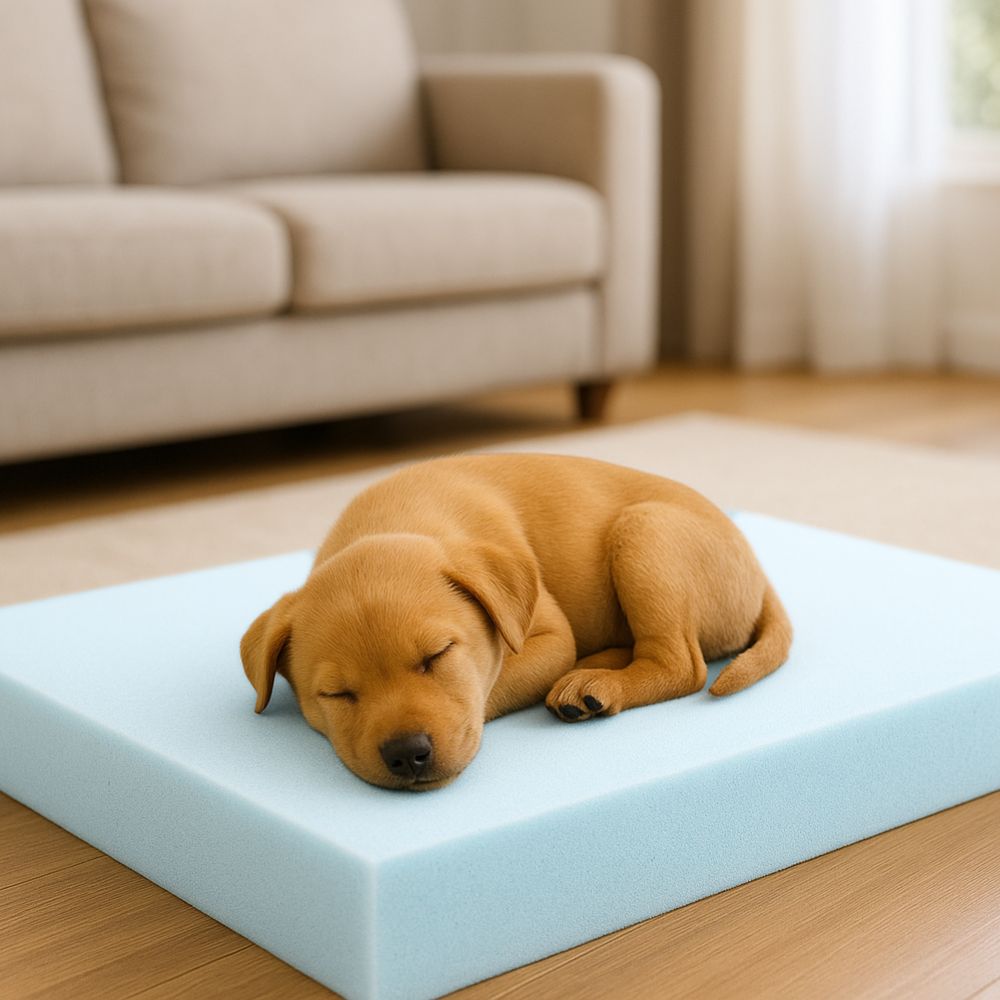
How to Clean a Dog Bed Foam Insert Step by Step
Follow these steps for routine dirt, body oils, drool, and small stains.
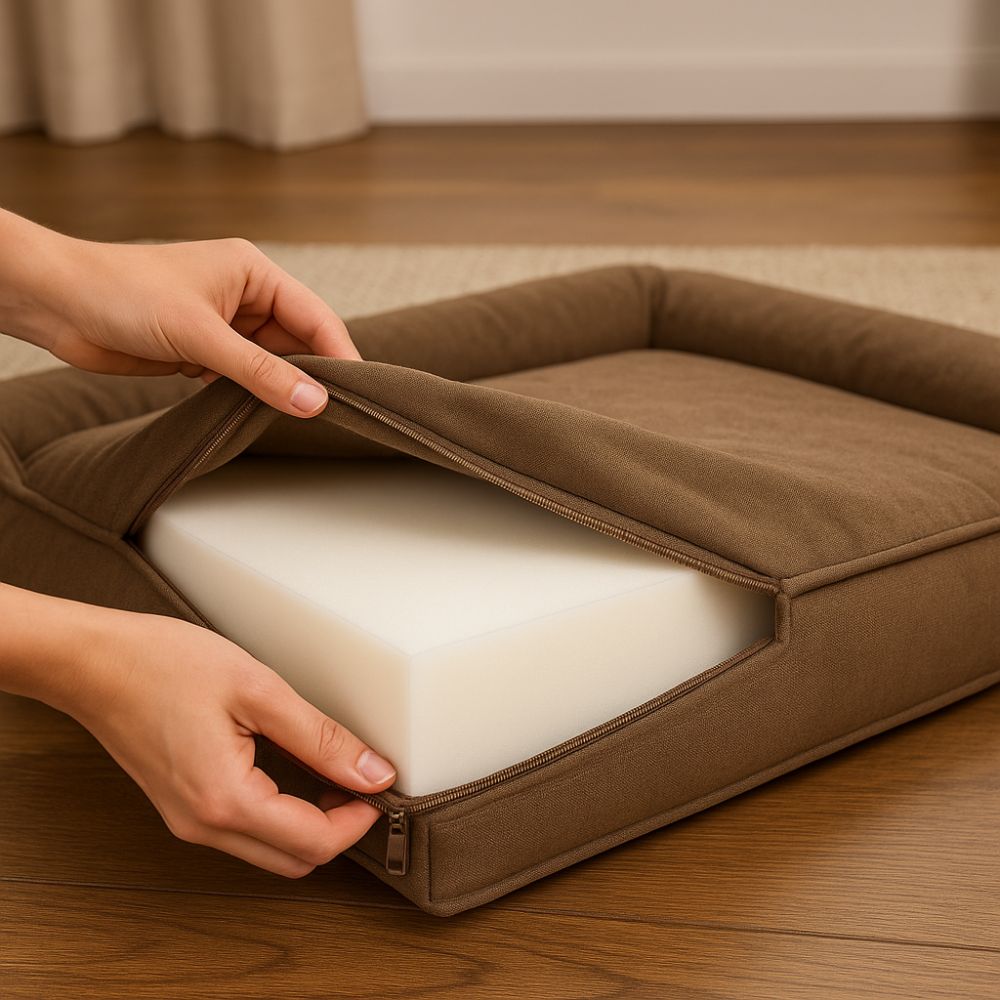
1. Remove the cover
Take off the outer cover and set it aside. Shake loose hair and dirt outdoors if possible.
Wash the cover separately. A wash cycle may remove much of the odor from the cover, but it will not clean the foam inside.
2. Vacuum the foam
Use an upholstery attachment to vacuum every side of the insert. Work slowly over seams, corners, grooves, and the bottom surface.
Vacuuming removes hair and dry dirt before water turns them into mud. It also reduces the amount of debris that can become trapped in the foam.
If the foam is fragile or crumbly, use low suction. Stop if pieces begin to tear away.
3. Test the cleaning solution
Mix a small amount of mild, unscented detergent with lukewarm water. A practical starting point is:
- 1 teaspoon of mild detergent per 2 cups of water
Apply a small amount to a hidden area. Wait several minutes, then blot it with a white towel.
Check for:
- Color transfer
- Sticky residue
- Surface damage
- A strong lasting odor
If the material reacts badly, stop and contact the bed maker for care instructions.
4. Treat stains
Dip a soft sponge or cloth into the solution. Wring it out well, then dab the stain.
Do not pour the solution over the foam. Do not scrub hard. Strong scrubbing can spread the stain and damage the foam cells.
Work from the outside of the stain toward the center. This helps prevent the mark from spreading.
For oily spots, repeat the gentle cleaning process rather than using a stronger chemical. Several light passes are safer than one aggressive treatment.
5. Treat urine or vomit with an enzyme cleaner
For urine, vomit, or other organic stains, use a pet enzyme cleaner that is labeled for the material. Enzymes help break down organic residue that soap may leave behind.
Follow the product label. Some enzyme cleaners need contact time before blotting. Others should not be diluted.
Do not combine an enzyme cleaner with bleach, ammonia, vinegar, or another cleaner. Mixing products can reduce performance or create irritating fumes.
If urine has soaked deeply into memory foam, the odor may return after drying. In that case, repeated treatment may not solve the problem. Replacing the foam may be more practical and hygienic.
6. Rinse lightly
Use a clean cloth dampened with plain water to remove soap or cleaner. Blot the treated areas several times.
Avoid fully saturating the insert. Foam can hold a surprising amount of water, and moisture deep inside may remain even when the surface feels dry.
For a washable insert, you may rinse it more thoroughly in a bathtub. Press water through the foam gently. Do not twist, wring, or fold it sharply.
7. Press out water
Place clean towels over the wet areas and press down firmly. You can also lay the insert between towels and apply gentle pressure with your hands.
Do not wring the foam. Twisting can break the internal structure, especially in memory foam and egg-crate foam.
Replace wet towels with dry ones as needed.
8. Dry the foam completely
Place the insert flat or on a clean, ventilated surface. Use a fan to improve air movement.
Turn the foam every few hours so both sides can dry. Keep it away from direct high heat, heaters, hair dryers, and hot car interiors. High heat may damage foam or cause it to shrink and warp.
The foam is ready only when:
- It feels dry in the center, not just on the surface
- It has no cool, damp areas
- It has no musty smell
- The cover is also fully dry
Drying time varies with foam thickness, humidity, airflow, and how much water entered the insert. A thin pad may dry in a day. A thick orthopedic insert may need longer.
Do not return the bed to your dog while any dampness remains. Trapped moisture can support mold and mildew growth.
9. Reassemble the bed
Put the cover back on only after both parts are completely dry. Check the foam for tears, crumbling, or permanent odor.
If the cover has a waterproof inner layer, inspect it for cracks or leaks. A damaged liner may allow future accidents to reach the foam.

How to Clean a Foam Dog Bed Without Soaking It
Spot cleaning is usually the best choice for memory foam and other thick inserts. It uses less water and reduces drying time.
Use this shorter method for small spills:
- Vacuum the area.
- Blot fresh liquid with towels.
- Apply a small amount of mild cleaner to a cloth.
- Dab the stain from the edge inward.
- Wipe with a clean damp cloth.
- Press with dry towels.
- Air-dry with a fan.
For fresh urine, blot as much liquid as possible before applying an enzyme cleaner. Do not rub the area. Rubbing pushes liquid deeper into the foam.
A waterproof mattress protector under the washable cover can help prevent future accidents. It does not replace cleaning, but it may keep most liquid from reaching the insert.
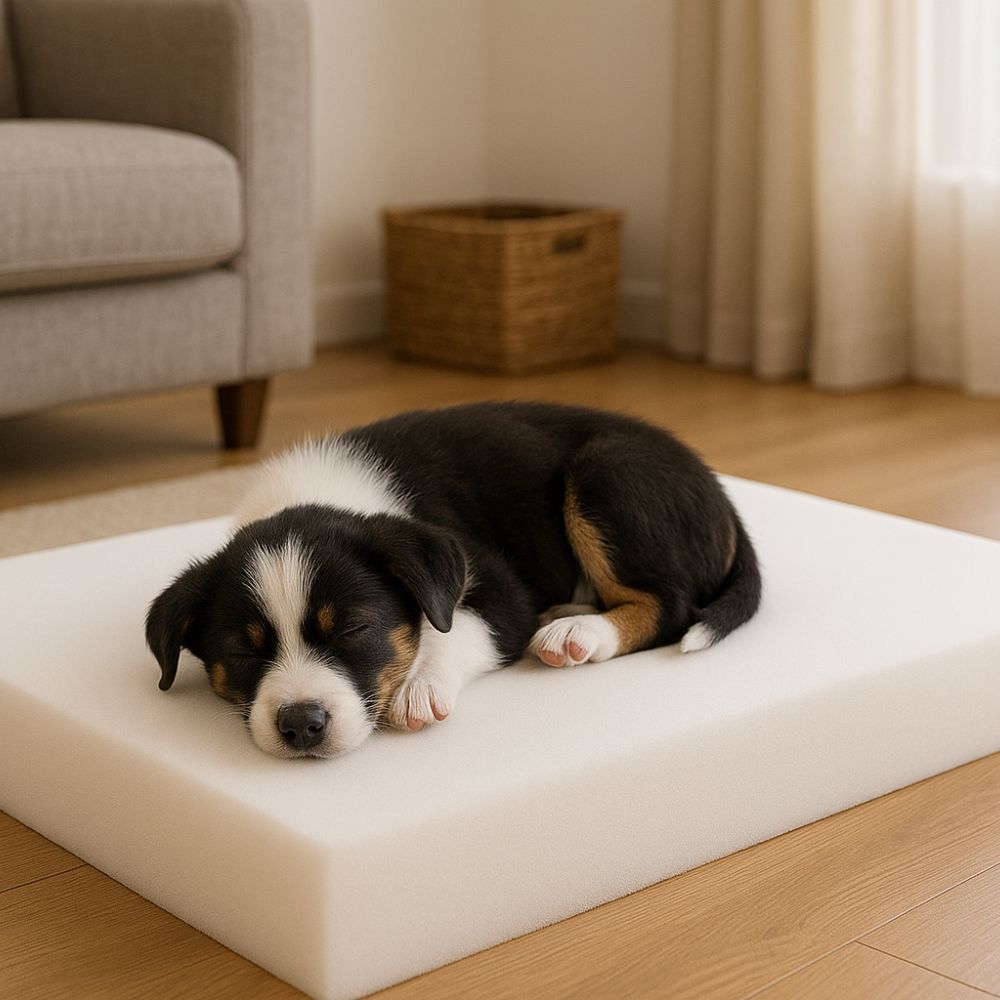
Can You Wash a Dog Bed Foam Insert in a Washing Machine?
Usually, no. Most solid foam inserts should not go in a washing machine unless the manufacturer specifically approves it.
A washer can:
- Tear the foam
- Distort its shape
- Trap water inside
- Damage memory foam cells
- Unbalance the machine
- Leave detergent deep in the insert
Some small, thin foam pads may have machine-wash instructions. If the label allows it, use the stated cycle, water temperature, detergent, and drying method.
Never assume that a removable cover’s machine-wash instructions apply to the foam insert.
Can You Put Foam in the Dryer?
Do not put a foam insert in a dryer unless the care label clearly allows it.
Dryer heat can deform foam and damage waterproof layers. Even a low-heat setting may create problems for thick foam because the center can stay wet while the surface heats up.
Air-drying with good airflow is the safer default. A fan can speed drying without exposing the insert to high heat.
How to Remove a Musty Smell From Foam
A musty smell usually means moisture remains inside the foam or the foam has absorbed an odor. First, make sure the insert is fully dry.
Then:
- Place it in a dry, ventilated area.
- Run a fan near it.
- Turn it several times during drying.
- Inspect the seams, grooves, and center.
- Clean the cover separately.
Do not cover up the odor with perfume or fragrance spray. Fragrance may bother your dog and does not remove the source.
Baking soda may help with a surface odor, but it must be used carefully. Keep your dog away from the foam while it sits, and vacuum every visible grain before the bed is used again. Do not rely on baking soda to remove urine that has soaked into the insert.
If the smell remains after proper cleaning and drying, replace the foam. Persistent odor can signal deep contamination that surface cleaning cannot remove.
What to Do About Mold, Fleas, and Heavy Contamination
Mold or mildew
If you see mold, find the moisture source first. Check for a wet floor, leaking water bowl, damaged cover, or foam that never dried.
Small surface spots may sometimes be addressed according to the manufacturer’s cleaning guidance. However, porous foam is difficult to clean fully once mold grows inside it. Discarding and replacing the insert may be safer than trying to salvage it.
Wear gloves when handling visibly moldy material. Keep the bed away from pets and children while deciding what to do. For extensive mold, strong odor, or a dog with breathing problems, ask a qualified cleaning or veterinary professional for advice.
Fleas
Cleaning the bed alone does not control a flea problem. Wash the cover if the label allows it, vacuum nearby floors and furniture, and speak with a veterinarian about a treatment plan for every pet in the home.
Do not spray household pesticides on the foam unless the product label specifically permits that use. Pesticide labels in the United States define where and how a product may be applied.
Feces or severe contamination
Wear disposable gloves. Remove solid material with paper towels, bag the waste, and clean the area with a suitable product.
If the contamination has spread through thick foam or the insert cannot be cleaned without heavy soaking, replacement may be the safest option. This is especially true if the foam has a lasting odor or visible damage.

Common Mistakes to Avoid
These errors can damage the bed or create a safety problem:
- Soaking thick foam: Water may remain trapped inside for days.
- Using bleach on foam: Bleach can damage materials and leave irritating residue.
- Using ammonia on urine: Its odor may resemble urine to a dog and can encourage repeat marking.
- Mixing cleaners: Combinations can produce harmful fumes.
- Scrubbing hard: Friction can tear foam and spread stains.
- Using high heat: Heat may warp foam and waterproof layers.
- Reusing the bed while damp: Hidden moisture can lead to mildew.
- Leaving cleaner residue: Dogs may lick treated areas.
- Ignoring the cover: A clean insert can quickly become dirty again under a soiled cover.
- Using essential oils as a deodorizer: Concentrated oils may irritate pets and are not a substitute for cleaning.
The main rule is simple: use as little liquid and cleaner as the material needs, then remove residue and dry the insert completely.

How Often Should You Clean a Dog Bed Foam Insert?
Clean the cover more often than the foam. Covers collect hair, dirt, dander, and body oils and are easier to wash.
A practical schedule is:
| Situation | Suggested action |
|---|---|
| Normal indoor use | Vacuum weekly and spot-clean as needed |
| Heavy shedding | Vacuum several times each week |
| Muddy or outdoor dog | Clean the cover when soiled; inspect the foam often |
| Allergy concerns | Wash the cover regularly and vacuum the bed often |
| Urine or vomit | Clean at once |
| Persistent odor | Inspect, clean, and dry the foam rather than masking the smell |
There is no single schedule for every home. A dog that swims, sheds heavily, or sleeps outdoors will soil a bed faster than a dog that stays indoors.
Replace the foam when it stays lumpy, loses support, crumbles, has deep damage, or keeps an odor after cleaning. A clean bed that no longer supports your dog may still need replacement.
Key Takeaways
- Check the care label before using water or a washing machine.
- Vacuum the foam before cleaning it.
- Use mild, unscented soap and very little water.
- Use an enzyme cleaner for urine or vomit when the label allows it.
- Never wring, bleach, or machine-dry foam unless the maker says it is safe.
- Dry the insert fully with strong airflow before your dog uses it.
- Replace foam that stays damp, moldy, damaged, or deeply malodorous.
Frequently Asked Questions
Can I use vinegar to clean a dog bed foam insert?
Vinegar may help with some household odors, but it is not a complete disinfectant and may not remove deep urine residue. It can also leave a strong smell and may interact poorly with other products. Use a material-safe pet cleaner instead, and never mix vinegar with bleach or other cleaners.
How do I clean a dog bed insert after diarrhea?
Remove solid waste while wearing gloves. Blot liquid, apply a suitable pet enzyme cleaner if the label allows it, and clean the area with mild soap. Rinse the area with a damp cloth, press out moisture with towels, and dry the foam fully. Replace the insert if contamination has soaked deeply or the odor remains.
Can I use a steam cleaner on memory foam?
Avoid steam unless the manufacturer specifically approves it. Steam adds heat and moisture, both of which can damage memory foam or leave moisture trapped inside. Check the bed’s care instructions before using any steam device.
How do I dry a large foam dog bed faster?
Use towels first to remove as much water as possible. Then lay the foam flat or on a clean rack in a dry room with fans moving air around it. Turn it often. Do not use direct high heat or place wet foam in a hot car.
Should I replace foam after a dog has fleas?
Not always. Fleas can live in bedding, but the foam may not need replacement if it can be cleaned and dried safely. Wash the cover as directed, vacuum the surrounding area, and ask a veterinarian about treating all pets and the home. Follow all pesticide labels.
Final Recommendation
For most dog bed foam inserts, vacuuming, light spot cleaning, gentle rinsing, and complete air-drying provide the safest cleaning method. Use an enzyme cleaner for organic stains, avoid harsh chemicals, and replace foam that remains wet, moldy, damaged, or strongly scented after cleaning.

Pet Care Writer & Researcher
Daniel writes practical guides on daily care, feeding, and safety, turning complex topics into simple, actionable advice.