What Food Is Good For Dog Skin: Best Healthy Choices
Learn what food is good for dog skin, from omega-3-rich fish to nutrient-packed foods that support a healthy coat and soothe dry, itchy skin.
Introduction
For dogs in the United States, the best food for healthy skin is usually a complete and balanced diet that provides enough protein, essential fats, vitamins, and minerals. Food alone cannot fix every skin problem, but the right diet can support the skin barrier, coat growth, and normal immune function.
Look for dog food that meets AAFCO Dog Food Nutrient Profiles for your dog’s life stage. Good food choices often include animal or plant proteins, omega-3 fats from fish oil or marine sources, and enough zinc, copper, vitamin A, vitamin E, and linoleic acid.
If your dog has severe itching, hair loss, open sores, ear infections, or repeated skin flare-ups, schedule a visit with a U.S.-licensed veterinarian. Fleas, allergies, infections, parasites, and hormonal disease are common causes. Changing food without finding the cause may delay proper care.

The Best Foods for Dog Skin Health
The most useful foods for dog skin support are those that supply complete nutrition and beneficial fats. No single ingredient works for every dog.
1. Complete and balanced dog food
A complete and balanced commercial diet should be the foundation of your dog’s meals. The label should state that the food is complete and balanced for the dog’s life stage, such as:
- Growth and reproduction
- Adult maintenance
- All life stages
This statement means the food is designed to meet nutrient standards recognized by AAFCO. It does not mean that every dog will thrive on that exact recipe. A dog may still react to an ingredient, gain too much weight, or need a veterinary diet for a medical condition.
Choose food from a maker that can explain:
- Who formulates the diet
- How the food is tested
- Whether nutrient testing is used
- Where the ingredients are sourced
- How the company handles quality control
The FDA explains how to read pet food labels and what “complete and balanced” means.
2. Fish and fish oil for omega-3 fats
Fatty fish and properly made fish oil can provide EPA and DHA, two long-chain omega-3 fatty acids. These fats may help support the skin barrier and may reduce some types of inflammation.
Useful fish sources include:
- Salmon
- Sardines packed in water
- Herring
- Mackerel species that are low in mercury
Plain, cooked fish can be a safe treat for many dogs. Remove all bones, and avoid fish cooked with onion, garlic, heavy salt, butter, or spicy sauces.
Fish oil is more concentrated than whole fish. Use a product made for dogs or one recommended by your veterinarian. The label should clearly list the amount of EPA and DHA, not only the total amount of “fish oil.”
Too much fish oil may cause loose stools, weight gain, or other problems. It may also be unsuitable for some dogs, including dogs with certain bleeding disorders, pancreatitis risk, or medicines that affect blood clotting.
3. High-quality protein
Protein supplies the amino acids needed to build skin, hair, nails, enzymes, and immune cells. Dogs may get protein from meat, poultry, fish, eggs, dairy, legumes, or grains.
The key is not simply the word “meat.” The complete diet must provide enough of the right amino acids and energy for the dog’s age, size, and health.
Good food sources include:
- Cooked chicken or turkey without bones
- Lean beef
- Fish
- Cooked eggs
- Plain, low-fat cottage cheese in small amounts, if tolerated
– A complete commercial dog food with a suitable protein source
Do not replace a complete diet with meat alone. A meat-only diet can lack calcium and other nutrients. It may harm bone health and create other nutrient gaps.
4. Foods that supply linoleic acid
Linoleic acid is an essential omega-6 fatty acid. Dogs need it for normal skin and coat function. Most complete dog foods already provide enough linoleic acid through ingredients such as poultry fat, sunflower oil, safflower oil, or other plant oils.
Foods that contain linoleic acid include:
- Chicken fat
- Sunflower oil
- Safflower oil
- Soybean oil
- Eggs
Adding extra oil is not always helpful. Many dog foods already contain the needed amount. Extra fat can add too many calories and may upset the stomach.
5. Foods with zinc and other key nutrients
Zinc supports skin repair, hair growth, and immune function. Copper helps with connective tissue, pigment, and blood cells. Vitamin A supports skin cell growth, while vitamin E helps protect cells from oxidative damage.
Complete dog food should contain these nutrients in the right amounts. Whole foods that contain some of them include:
- Meat
- Fish
- Eggs
- Pumpkin
- Green vegetables
- Small amounts of liver
Liver deserves special caution. It is rich in vitamin A and copper. Too much liver over time can cause vitamin A toxicity. Treat liver as a small part of the diet, not as a daily supplement.
6. Water-rich foods
Fresh water helps support normal body function, including the skin. Wet food can increase water intake for dogs that do not drink much, but it is not a special cure for dry skin.
You can also add small amounts of plain, water-rich foods, such as:
- Cucumber
- Zucchini
- Plain canned pumpkin
- Water added to regular food
Avoid foods with added salt, seasoning, onion, garlic, or artificial sweeteners.

What to Look for on a Dog Food Label
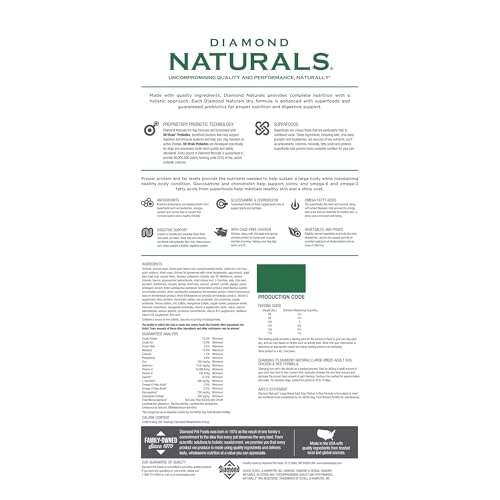
Start with the nutrition statement, not the front of the bag. Words such as “premium,” “natural,” or “holistic” do not by themselves prove that a food will improve skin.
Use this quick check:
| Label feature | Why it matters |
|---|---|
| Complete and balanced statement | Shows the food is intended to meet recognized nutrient needs |
| Correct life stage | Puppies, adults, pregnant dogs, and seniors have different needs |
| Named protein source | Helps you track possible food reactions |
| Calorie information | Helps prevent excess weight, which can worsen skin folds and inflammation |
| Feeding directions | Provides a starting amount, but needs adjustment for the individual dog |
| Company quality details | Gives useful information about testing and formulation |
A food with salmon on the front is not automatically high in EPA and DHA. Ingredient lists show what goes into the food by weight, but they do not always show the final amount of each fatty acid.
If omega-3 support is the reason for a diet change, ask the manufacturer for the amount of EPA and DHA per serving. If the company cannot provide that information, you cannot assume the food contains a useful dose.
Can Food Help a Dog With Itchy Skin?
Food can help when a food allergy or nutrient problem is involved. But many itchy dogs are reacting to fleas, environmental allergens, yeast, bacteria, mites, or another medical condition.
A food allergy is not the same as food intolerance. A food allergy involves the immune system. It may cause itching, ear problems, skin infections, or stomach signs. A food intolerance can cause digestive upset without the same immune response.
Common signs that deserve veterinary attention include:
- Itching that lasts for weeks
- Repeated ear infections
- Chewing at the feet
- Red skin between the toes
- Hair loss
- Hot spots
- Vomiting or diarrhea along with itching
- Skin odor, crusts, or discharge
Flea allergy can cause intense itching even when you see only one flea. Dogs with environmental allergies may itch more at certain times of year, though patterns are not always clear.
Diet can support the skin, but it should not replace flea control, infection treatment, or allergy care.

Best Food for a Dog With a Suspected Food Allergy
The most reliable way to test for a food allergy is a structured elimination diet guided by a veterinarian. Randomly switching among store foods often fails because many diets contain overlapping ingredients or may have trace contamination from other proteins.
A proper food trial usually involves:
- Choosing a veterinary therapeutic diet with a novel protein or hydrolyzed protein.
- Feeding only that diet for the time set by the veterinarian.
- Giving no flavored treats, table food, chews, or flavored medicines unless approved.
- Tracking itching, ears, stool, and skin changes.
- Reintroducing the old food if directed, to see whether signs return.
A hydrolyzed protein has been broken into smaller pieces. This may make it less likely to trigger an immune reaction in some dogs.
Over-the-counter “limited ingredient” diets may be useful for some dogs, but they are not the same as prescription elimination diets. Ingredient testing and manufacturing controls can differ. Ask your veterinarian which option fits your dog.
Do not use a homemade elimination diet without a veterinary nutritionist. A short recipe may look simple but still lack calcium, zinc, essential fats, or other nutrients.
Safe Human Foods for a Dog’s Skin and Coat
Small amounts of plain, dog-safe foods can add variety, but treats should not replace a complete diet. As a practical rule, treats and extras should stay at about 10% or less of daily calories unless your veterinarian gives different advice.
Potential options include:
- Plain cooked salmon, with bones removed
- Plain sardines in water, with no added salt
- Cooked egg
- Plain pumpkin
- Cooked green beans
- Carrots
- Cucumber
- Small pieces of cooked chicken or turkey
Introduce one new food at a time. Watch for vomiting, diarrhea, itching, ear changes, or worsening skin over the next several days.
Never feed dogs:
- Onions or garlic
- Grapes or raisins
- Chocolate
- Xylitol
- Macadamia nuts
- Alcohol
- Raw yeast dough
- Cooked bones
- Very fatty scraps
- Foods heavily seasoned with salt or spices
The ASPCA lists foods that are toxic to pets.

Foods and Supplements That May Not Help
Several popular ideas sound useful but can create risk.
Coconut oil
Coconut oil is high in fat. There is not strong evidence that feeding it improves common canine skin disease. It can add excess calories and may cause stomach upset. Applying oils to the skin can also encourage licking and trap moisture.
Garlic
Garlic is not a safe skin supplement for dogs. Garlic and other allium plants can damage red blood cells, especially in larger amounts or concentrated forms.
High-dose vitamin supplements
More is not better. Excess vitamin A, vitamin D, selenium, zinc, or fish oil can cause harm. A balanced dog food already contains carefully controlled nutrient levels.
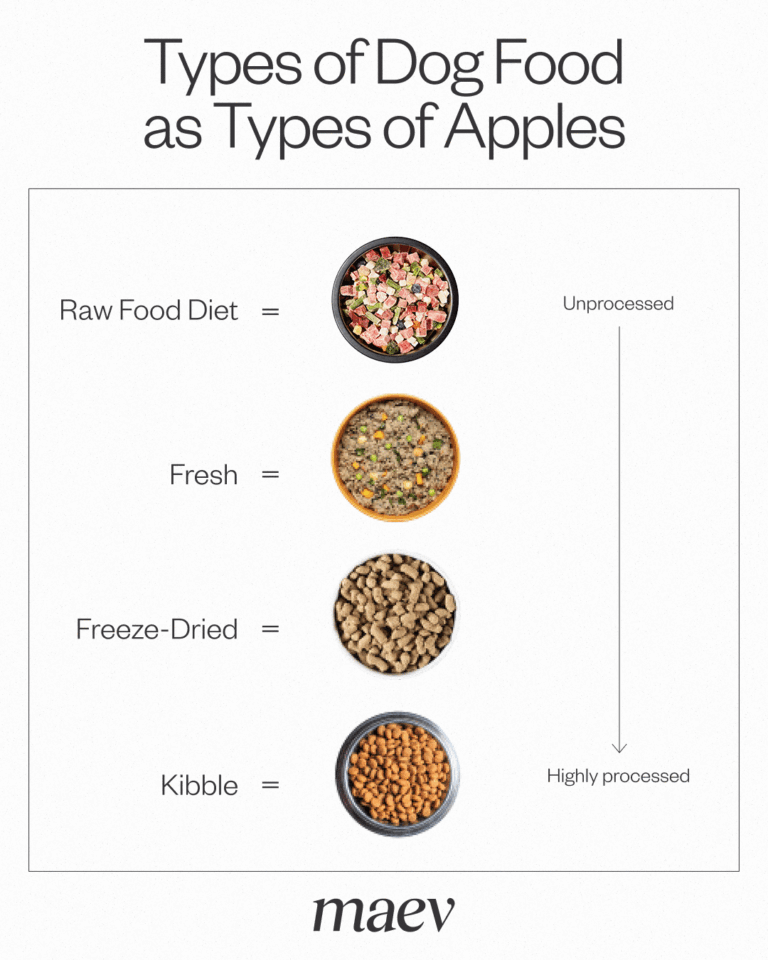
Raw diets
There is no clear need to feed a raw diet for healthy skin. Raw diets can carry pathogens and may be nutritionally unbalanced. The FDA discusses risks linked to raw pet food.
Grain-free food as a skin cure
Grain-free food is not a general treatment for itching. Dogs can react to many ingredients, and grains are not automatically the cause. A diet change should have a clear reason and a safe plan.
How to Change Your Dog’s Food Safely
Change food over about seven days unless your veterinarian advises another plan.
| Days | Old food | New food |
|---|---|---|
| 1–2 | 75% | 25% |
| 3–4 | 50% | 50% |
| 5–6 | 25% | 75% |
| 7 | 0% | 100% |
If your dog develops vomiting, severe diarrhea, refuses food, or becomes weak, stop the transition and contact a veterinarian. Some dogs need a slower change.
Keep a simple record of:
- Food brand and recipe
- Daily amount
- Treats and chews
- Itching level
- Ear problems
- Stool quality
- Weight
- New medicines or flea products
Skin changes are slow. A better coat may take weeks, not days. Weight gain, worsening itch, or new sores means the plan needs review.

When to See a Veterinarian
Arrange prompt veterinary care if your dog has open wounds, pus, strong skin odor, severe pain, facial swelling, breathing trouble, widespread hives, or sudden hair loss.
Make a routine appointment for ongoing itching, repeated ear infections, frequent paw licking, or skin signs that do not improve with basic care. The veterinarian may check for parasites, yeast, bacteria, allergies, hormonal disease, or nutritional problems.
A veterinarian may also recommend a prescription diet, skin testing, blood work, skin cytology, or a carefully planned elimination trial. These tests and treatments help separate a diet problem from a condition that food cannot fix.
Key Takeaways
- Feed a complete and balanced dog food made for your dog’s life stage.
- Choose a diet with adequate protein and essential fats.
- Fish and fish oil may provide EPA and DHA, but ask about the correct amount.
- Do not add high-dose vitamins, minerals, or oils without veterinary advice.
- A food allergy needs a controlled elimination trial, not random food changes.
- Fleas, infections, and environmental allergies are common causes of itchy skin.
- See a veterinarian for severe, ongoing, or recurring skin problems.
Frequently Asked Questions
What is the best protein for a dog’s skin?
There is no single best protein for every dog. A complete diet with a well-tolerated protein source is the main goal. Fish may offer useful omega-3 fats, while chicken, turkey, beef, eggs, and plant proteins can also support skin when used in a balanced diet.
Is salmon good for dogs with dry skin?
Plain, fully cooked salmon can provide protein and omega-3 fats. Remove bones and avoid salt, seasoning, butter, and sauces. Salmon should be a small part of the diet unless the dog food itself is complete and balanced.
Should I give my dog fish oil for itchy skin?
Fish oil may help some dogs, but the correct amount depends on the product’s EPA and DHA content, your dog’s size, health, and medicines. Ask a veterinarian before using it, especially if your dog has pancreatitis, a bleeding disorder, or takes anticoagulant medicine.
Are eggs good for a dog’s coat?
Cooked eggs provide protein and some fat. They can be a small treat for dogs that tolerate them. Do not feed raw eggs as a routine food, and do not let eggs replace a complete diet.
How long does it take for diet to improve a dog’s skin?
It depends on the cause. A nutritional change may take several weeks to affect the coat. A properly managed food-allergy trial may require a longer period set by a veterinarian. If itching worsens or the skin becomes infected, do not wait for the diet to work.
Can a homemade diet improve my dog’s skin?
A homemade diet can be appropriate when formulated for the individual dog by a board-certified veterinary nutritionist. Homemade diets made from general online recipes may lack key nutrients and can create new health problems.
Conclusion
The best food for dog skin is not a trendy ingredient or a single supplement. It is a complete and balanced diet that meets your dog’s nutrient needs, supplies enough protein and essential fats, and fits any known allergy or medical condition.
Start by checking the food’s life-stage statement and feeding amount. Add treats carefully, avoid unsafe supplements, and keep notes during any diet change. If skin problems persist, have a veterinarian look for fleas, infection, allergies, and other causes before relying on food alone.

Pet Care Writer & Researcher
Daniel writes practical guides on daily care, feeding, and safety, turning complex topics into simple, actionable advice.