How To Make Your Dog Bark: Easy Training Tips
Learn how to make your dog bark safely with proven training steps, tips, and timing to encourage barking on cue.
Teach a clear cue, use rewards, and shape the behavior step by step to make your dog bark.
As a trainer with years of hands-on experience teaching dogs simple cues, I will walk you through safe, effective methods for how to make your dog bark on command. This guide blends practical steps, troubleshooting, and real-world tips so you can teach a reliable cue without stress or confusion for your dog. Read on to get step-by-step coaching, a short training plan, and tips I’ve learned from working with many breeds and temperaments.
Why dogs bark: quick science and behavior basics
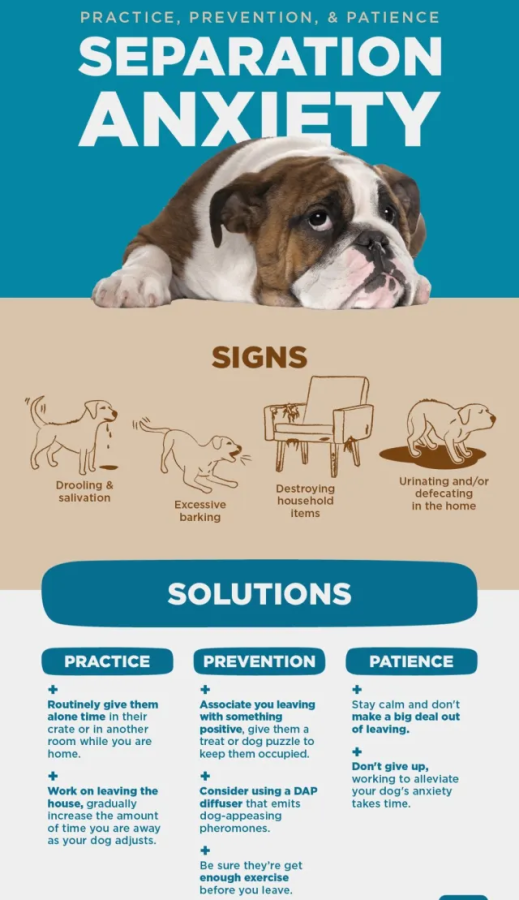
Barking is a natural form of dog communication. Dogs bark to get attention, warn, play, or express excitement or anxiety. Understanding why your dog barks helps you teach the sound on cue without encouraging unwanted barking.
Dogs learn by association and reward. If a bark gets a reward, the dog will repeat it. That makes how to make your dog bark a matter of shaping and reinforcing the sound you want. Use clear cues and consistent rewards to guide the behavior.
Dogs differ by breed, age, and personality. Some breeds are naturally vocal, while others are quiet. Tailor your approach to your dog’s energy and reactivity.

Is it safe and ethical to teach a dog to bark?
Teaching a dog to bark on command is safe when done with humane methods. Avoid punishment or aversive tools. Focus on positive reinforcement, short sessions, and monitoring stress signs.
Consider why you want to teach the cue. Useful reasons include training for detection, play, or a working role. If your dog has anxiety-related barking, consult a behavior professional before encouraging more vocal behavior. Teaching controlled barking can actually help reduce problem barking by giving the dog a clear outlet.
How to make your dog bark on command: step-by-step
Follow these simple steps. Keep sessions short and fun. Repeat daily.
- Capture a bark
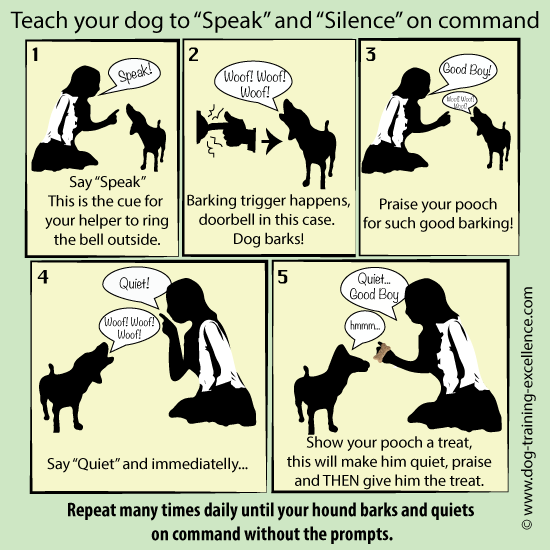
- Wait for a natural bark. When your dog barks, say a one-word cue like “Speak” and reward immediately with a treat or toy.
- Reinforce timing
- Reward within one second of the bark. Consistent timing links the cue to the behavior.
- Add the cue before it happens
- Once the dog connects bark = reward, give the cue just before you expect a bark. Reward when the dog barks after the cue.
- Shape quieter or louder barks
- Reward louder barks only if you want a big sound. Reward softer sounds for a quieter cue.
- Teach a quiet cue
- After reliable barking on cue, add a separate cue (for example “Quiet”) and reward silence. This creates control and balance.
Stay patient. Dogs learn in small steps. Short, frequent repeats work better than long sessions.

Training plan: a simple two-week schedule
Use this plan to practice how to make your dog bark with daily structure. Sessions should be 5 minutes, two to three times per day.
Week 1
- Day 1–3: Capture natural barks and mark them with the cue. Reward every success.
- Day 4–7: Begin giving the cue shortly before you expect a bark. Reward and praise.
Week 2
- Day 8–10: Increase distractions slightly. Practice in different rooms and outdoors.
- Day 11–14: Add the quiet cue and practice alternating Speak and Quiet. Lower treat rate; use praise or a toy intermittently.
Track progress with a simple log. Note which contexts trigger barking naturally and which need more practice.

Troubleshooting and common issues
If your dog won’t bark
- Try playful arousal: play tug or use an energetic toy to elicit excitement barks.
- Use prompts like door knocks, knocks on a wall, or doorbell sounds that safely cause a bark.
If your dog barks too much - Teach the quiet cue and reward silence.
- Avoid reinforcing unwanted barks with attention or treats.
If your dog seems stressed
- Stop the session. Look for calming signals: lip licking, yawning, turning away.
- Return to a gentler approach and consult a behaviorist if anxiety persists.

Tools, rewards, and cues that work best
Choose rewards your dog loves. High-value treats, a favorite toy, or brief play are effective. Keep rewards small and repeatable.
Use a clear, consistent verbal cue and pair it with a hand signal. A one-word cue like speak, bark, or say-it works best. Add a hand signal to help in noisy settings.
Consider a clicker to mark the exact moment of the bark. Clicker training can speed learning by providing precise timing.
Benefits and limitations of teaching a bark cue
Benefits
- Gives you control: teaching how to make your dog bark on command teaches both expression and restraint.
- Useful for jobs: service, therapy, or alert training often use a vocal cue.
- Fun and engaging: structured training strengthens your bond.
Limitations
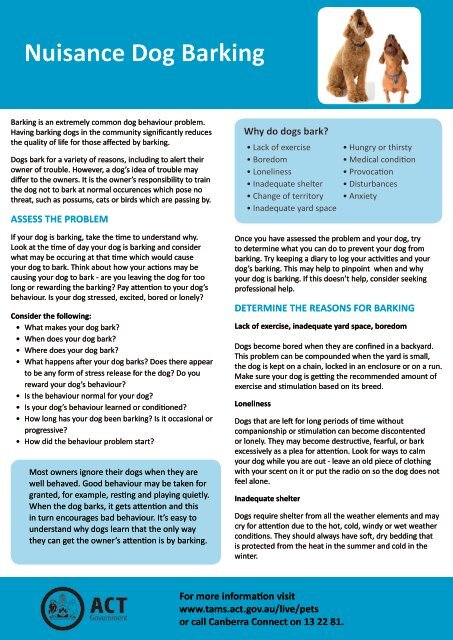
- Not every dog is naturally vocal. Some dogs may never produce a loud or frequent bark.
- Risk of reinforcing unwanted barking if timing and context are poor.
- Dogs with noise sensitivity or anxiety may require professional guidance.
Be honest about your dog’s limits. Adjust goals to your dog’s temperament.

Personal experience and lessons learned
I’ve trained dogs from quiet rescues to talkative herding breeds. One quiet rescue needed fun play sessions to encourage a bark. I started by flipping a toy and celebrating small sounds. Within days the dog learned a reliable “Speak” cue.
Common mistakes I’ve seen
- Rewarding at the wrong time, which teaches the wrong behavior.
- Training too long. Dogs lose focus after a few minutes.
- Skipping a quiet cue. Teaching both Speak and Quiet prevents trouble.
My best advice: be consistent, keep sessions short, and celebrate progress.
Frequently Asked Questions of how to make your dog bark
How long does it take to teach my dog to bark on command?
Most dogs learn a basic bark cue in a few days with short daily sessions. Consistency and high-value rewards speed learning.
Can teaching a bark cue cause problem barking?
It can if you accidentally reward unsolicited barking. Teach both Speak and Quiet to maintain control and avoid encouraging constant barking.
What if my dog refuses to make noise?
Try increasing excitement with play or gentle prompts like a knock or doorbell sound. If the dog seems fearful or stressed, stop and reassess.
Is clicker training helpful for barking?
Yes. A clicker marks the exact moment of the bark and improves timing, which often shortens training time.
Should I use toys or treats to reward barking?
Use whatever your dog finds most motivating. Rotate toys and treats to keep sessions exciting and prevent satiation.
Conclusion
Teaching how to make your dog bark on command is practical and rewarding when done thoughtfully. Use clear cues, short sessions, and strong rewards. Pair the Speak cue with a Quiet cue to keep balance and control. Start small, track progress, and adapt to your dog’s personality. Try the two-week plan and share what works for you—leave a comment, subscribe, or explore more resources to keep improving your training.

Pet Care Writer & Researcher
Daniel writes practical guides on daily care, feeding, and safety, turning complex topics into simple, actionable advice.