How To Stop Dog Barking At Visitors: Calm Greetings Fast
Learn how to stop dog barking at visitors with proven training tips that create calmer greetings and a more peaceful home.
Teach a calm alternate behavior, manage the doorway, and reward your dog before barking starts.
Learning how to stop dog barking at visitors takes more than saying “quiet.” Barking often comes from excitement, fear, territorial behavior, or a learned habit. With the right setup, steady practice, and rewards, your dog can learn that guests mean calm choices and good things.
This guide explains how to stop dog barking at visitors in a safe, practical way. You will learn why the barking happens, what to do before guests arrive, how to train a quiet response, and when professional help is the best choice.

Why Dogs Bark at Visitors
A dog may bark at visitors for many reasons. The sound can mean, “Go away,” “I am excited,” “I am unsure,” or “Look at me.” Understanding the cause is the first step in learning how to stop dog barking at visitors.
Common reasons include:
• Territorial behavior: Your dog sees the home as a space to protect.
• Fear or worry: A stranger may feel unsafe or unpredictable.
• Excitement: Your dog wants to greet the guest but lacks self-control.
• Attention seeking: Barking has worked in the past because people respond.
• Frustration: A barrier, such as a door or window, prevents your dog from reaching the visitor.
• Learned habit: Repeated barking becomes a strong routine.
Dogs also notice small signals that people often miss. A delivery person may approach quickly, make eye contact, or create a loud sound at the door. To a nervous dog, these events can feel like an alarm.
What the bark may tell you
Watch your dog’s body, not only the noise. A loose body, wagging tail, and playful movement may suggest excitement. A stiff body, tucked tail, pinned ears, lip licking, or repeated retreat may point to fear.
A dog that lunges, growls, snaps, or cannot take food needs careful handling. These signs can show that the dog is over its comfort limit. Do not force a greeting or punish the warning.
Prepare Before Visitors Arrive
Good management prevents your dog from practicing the barking routine. Every time your dog races to the door and barks for several minutes, the behavior can become stronger.
Before a visitor arrives, take these steps:
- Give your dog exercise.
A walk, scent game, or short training session can reduce extra energy. Exercise will not fix fear, but it may help an excited dog think more clearly.
- Set up a safe space.
Use a bedroom, crate, playpen, or baby gate. Add water, a comfortable bed, and a long lasting food toy. The space should feel safe, not like punishment.
- Close visual triggers.
Pull the curtains or use a window film if your dog barks at people outside. Reducing the view can lower the number of daily barking rehearsals.
- Prepare high value treats.
Use small pieces of chicken, cheese, or a favorite soft treat. The reward should be more exciting than the visitor.
- Tell guests what to do.
Ask visitors to text instead of knocking. Request that they enter quietly, avoid eye contact, and ignore the dog at first.
- Keep your dog on a leash when needed.
A leash gives you control without chasing or grabbing. Use a well-fitted harness if your dog pulls or lunges.
One mistake I often see is inviting a guest inside and expecting instant calm. That puts the dog in the hardest situation before the training is ready. A better plan starts with distance, safety, and simple choices.
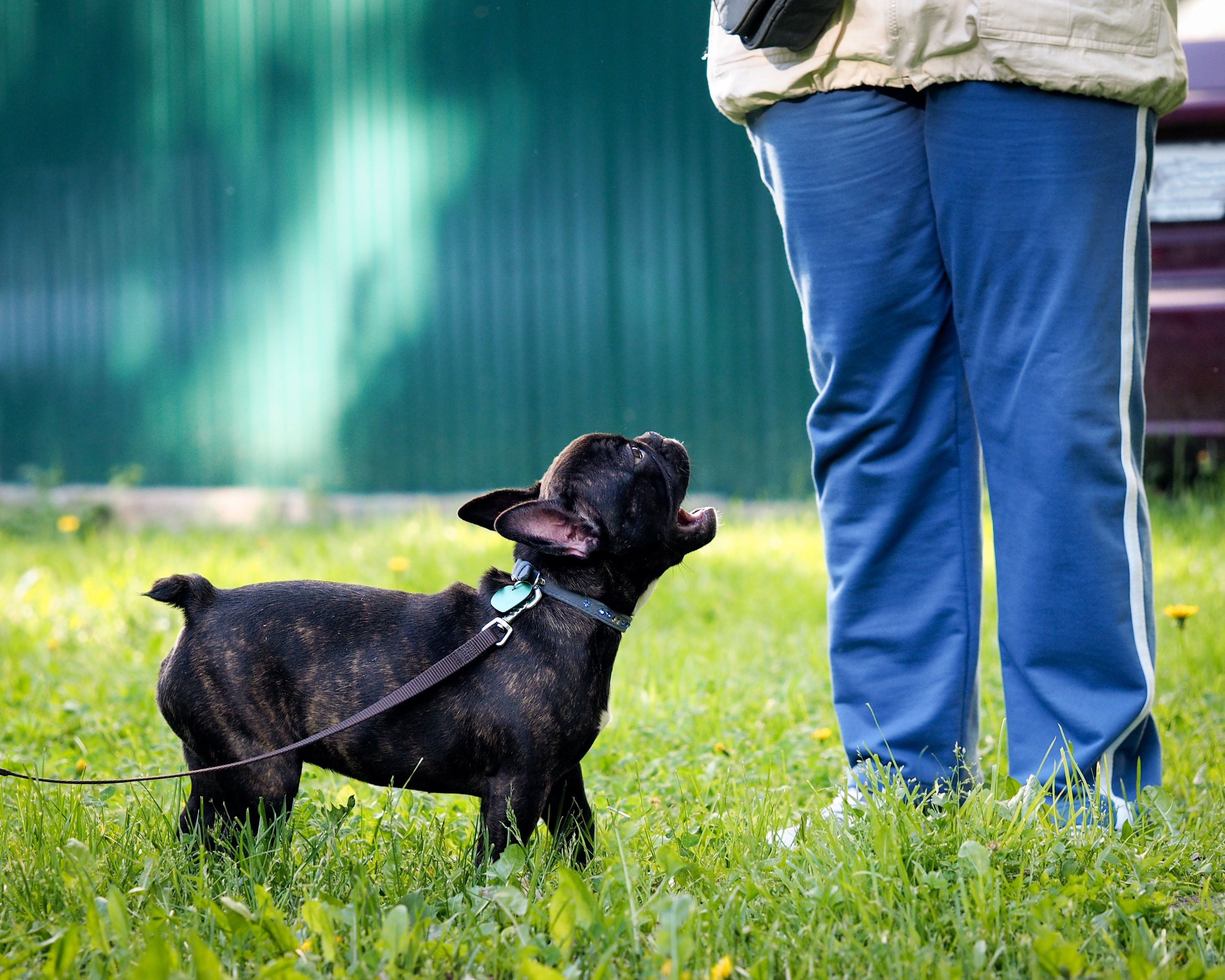
Teach a Quiet Behavior Away From the Door
Do not begin training during a real visitor event. First, teach the skills when the home is calm. This makes it easier for your dog to understand what you want.
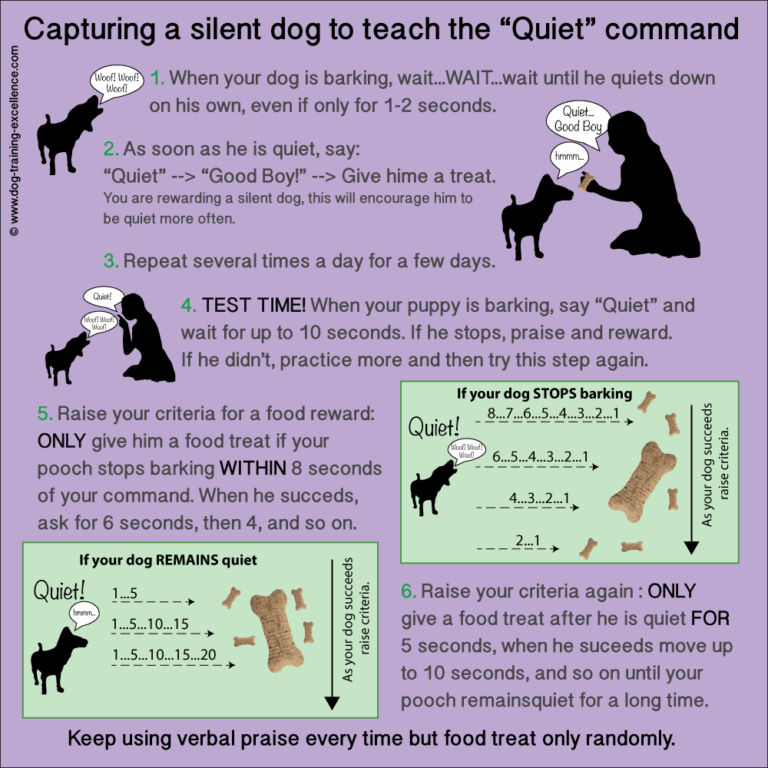
Start with a “go to mat” behavior. Place a mat several feet from the door and reward your dog for looking at it, walking toward it, and standing on it. Then reward lying down.
Use short sessions of two to five minutes. Repeat several times each day.
Next, teach a calm response to a mild sound. You can lightly tap a table or play a quiet doorbell recording. When your dog notices the sound but stays calm, give a treat.
Follow this simple pattern:
• Make a soft sound.
• Wait for your dog to look at you.
• Say “yes” or use a clicker.
• Give a treat.
• Pause until your dog is relaxed.
• Repeat several times.
The goal is not to demand silence through force. The goal is to build a new habit: hear a sound, look at the owner, and move to a safe place.
Use a reward marker
A reward marker can be the word “yes” or a click from a clicker. It tells your dog exactly which action earned the treat.
Timing matters. Mark the calm moment at once, then deliver the reward. If you wait too long, your dog may connect the treat with barking, jumping, or running.
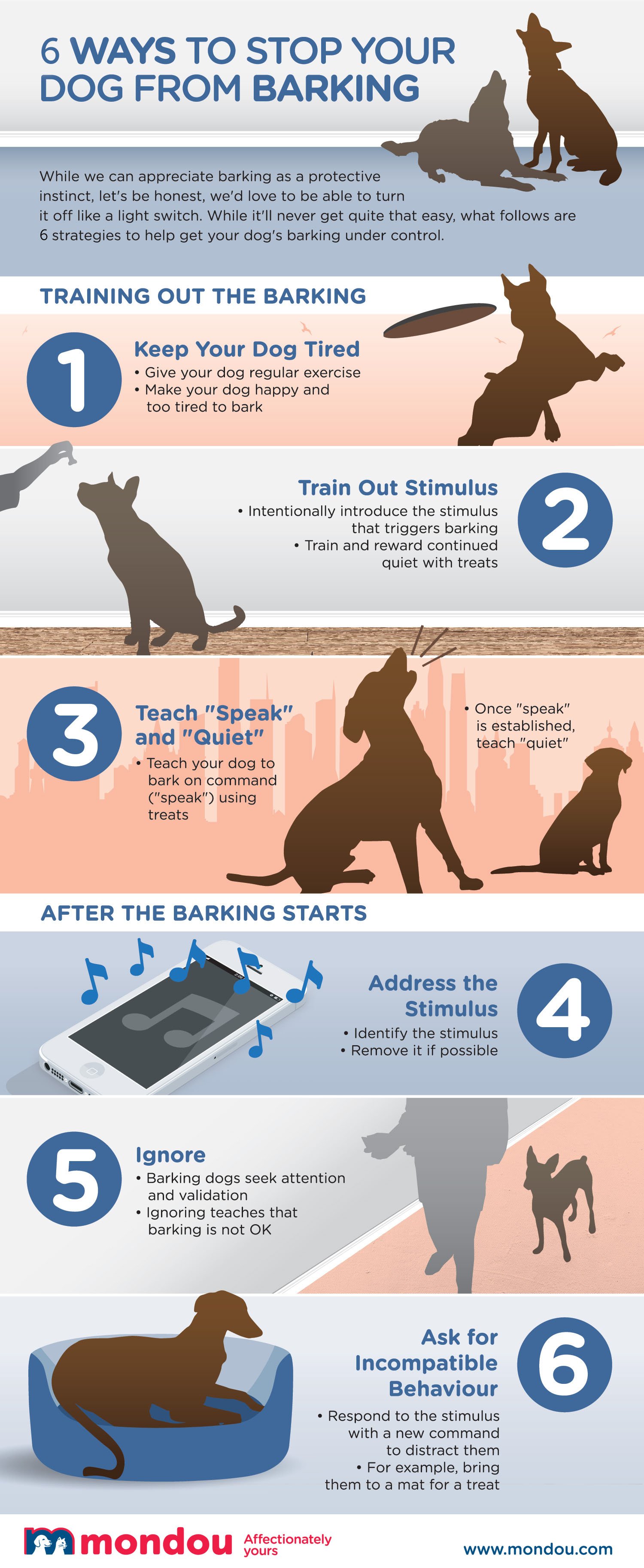
Teach “speak” only if useful
Some owners teach “speak” before teaching “quiet.” This can help some dogs understand the difference between barking and stopping. However, it may increase barking in dogs that already bark often.
You do not need to teach “speak” to stop dog barking at visitors. A calm mat behavior and a reliable attention cue are often more useful.
Practice With a Planned Visitor
Once your dog knows the mat behavior, practice with a helper. Choose someone calm who will follow your instructions.
Start with the visitor outside. Keep your dog far from the door, behind a gate or on a leash. Ask the helper to make a very soft sound.
When your dog hears the sound, guide attention toward you. Reward calm behavior right away. If your dog starts barking, increase distance or make the sound softer.
Gradually practice each step:
-
The visitor stands outside.
-
The visitor walks near the door.
-
The visitor touches the door.
-
The visitor gives one soft knock.
-
The visitor enters and sits.
-
The visitor stands and walks slowly.
-
The visitor talks in a normal voice.
Move forward only when your dog can stay relaxed at the current level. This process is called desensitization and counterconditioning. It changes the dog’s emotional response by pairing the trigger with something pleasant.
Reward calm behavior, not only silence
A dog can stop barking while still feeling frightened. Look for softer body language, loose muscles, normal breathing, and the ability to eat.
Reward these actions:
• Looking at the visitor and then looking away
• Sitting or lying down
• Walking to the mat