Is There A Chew Proof Dog Bed: Durable Options
Is there a chew proof dog bed? Learn which durable materials, designs, and features help protect beds from determined chewers.
Yes, chew-proof dog beds exist, but no bed can resist every dog, especially a strong or anxious chewer.
If you are asking, “is there a chew proof dog bed?” the honest answer is yes, with an important limit: most products are chew resistant rather than truly indestructible. The best choice depends on your dog’s bite strength, age, habits, and the reason behind the chewing. This guide explains which materials work, what features matter, what to avoid, and how to choose a safer bed that lasts longer.
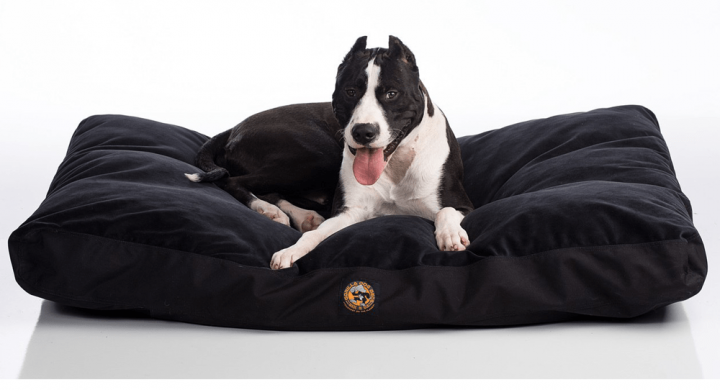
Is There a Chew Proof Dog Bed?
There is no dog bed that is guaranteed to be chew proof for every dog. A determined dog can damage fabric, seams, zippers, foam, and even some tough plastics.
Still, some beds are far more resistant to chewing than standard plush beds. They use strong materials, simple designs, reinforced seams, and fewer loose parts. For many dogs, these beds can reduce damage and last much longer.
When people ask, “is there a chew proof dog bed?” they often mean one of three things:
• A bed that can survive light chewing
• A bed that resists digging and scratching
• A bed that remains safe when a dog tries to tear and eat it
These are different needs. A bed may resist surface bites but fail when a dog targets one seam. A strong bed may also become unsafe if the dog pulls off small pieces and swallows them.
The safest goal is not to find an impossible-to-destroy bed. It is to find the most durable bed for your dog and remove it when damage begins.
What Makes a Dog Bed Chew Resistant?
A chew-resistant dog bed usually has a simple shape and tough materials. It should have few weak points that a dog can grab with its teeth.
Look for these features:
• Ballistic nylon or tightly woven polyester fabric
• PVC-coated or mesh fabric on elevated beds
• Heavy-duty canvas with reinforced stitching
• Metal frames with smooth, covered edges
• Hidden or protected zippers
• No exposed foam
• No buttons, tassels, ties, or loose trim
• Double-stitched seams
• A removable cover that fits tightly
Thick fabric alone does not make a bed chew proof. A dog can often start at the edge, pull a thread, and open a seam like a zipper. Strong construction matters as much as fabric strength.
The shape also matters. Flat mats give dogs fewer edges to lift and bite. Elevated cot beds are often useful because the sleeping surface is stretched across a frame. However, some dogs may chew the legs or corners, so regular checks are still needed.
Best Types of Chew Resistant Dog Beds
Different bed designs work for different chewing habits. The best answer to “is there a chew proof dog bed?” may depend more on the design than on the brand.
Elevated cot beds
Elevated beds use a firm fabric panel stretched across a metal or durable plastic frame. They often have no stuffing, which removes one of the most common targets for destructive chewing.
Benefits include:
• No loose foam to swallow
• Good airflow
• Easy cleaning
• A firm sleeping surface
• Less access to fabric edges
These beds can work well for outdoor use, warm climates, and dogs that destroy stuffed beds. Check the corners and frame feet often. A dog that chews metal or hard plastic may still damage the frame or hurt its teeth.
Flat chew-resistant mats
A flat mat is often a better choice than a pillow bed for dogs that attack seams. It has less filling and fewer raised edges.
Choose a mat with:
• Dense fabric
• Strong stitching
• A close-fitting cover
• No exposed zipper pull
• A thin or firm inner pad
A flat mat may not feel as soft as a plush bed, but it is often easier to supervise and replace.
Aluminum frame beds
Aluminum-framed beds can be durable and light. They are useful for large dogs and travel when the frame has rounded edges and strong joints.
Avoid beds with sharp corners, thin plastic connectors, or exposed screws. Even a strong frame can become dangerous if your dog can loosen and swallow small parts.
Heavy-duty crate mats
Some crate mats use tough fabric and firm foam. These may work for mild chewers, but they are not always suitable for dogs that tear open beds.
If your dog has already swallowed foam, choose a bed without exposed filling. A crate mat should be removed as soon as your dog begins to rip the cover.

Which Materials Are Best for Aggressive Chewers?
When choosing a chew resistant dog bed, focus on the whole construction. A tough fabric cannot protect a weak seam.
Ballistic nylon
Ballistic nylon is a dense woven material made to resist wear and tearing. It is often stronger than ordinary polyester and may handle scratching well.
It is not bite proof. A powerful dog can still cut or tear it, especially at corners and seams.
Ripstop fabric
Ripstop fabric has a grid pattern that helps stop small tears from spreading. It can be useful for moderate chewers and dogs that scratch before lying down.
Ripstop fabric varies in quality. A thin ripstop cover may fail quickly, while a thick version with reinforced stitching can last much longer.
PVC-coated fabric
PVC-coated fabric is smooth, water resistant, and easy to wipe clean. It is common on outdoor cot beds.
It can resist moisture and surface wear, but sharp teeth may puncture it. Inspect it for cracks, holes, and peeling.
Canvas
Heavy canvas feels strong and durable. It may work for dogs that dig or scratch but do not actively tear and eat fabric.
Canvas can absorb water and may hold odor if it is not cleaned well. Look for a washable cover and dry it fully after washing.
Mesh
Tight mesh can provide airflow and a firm surface. Loose mesh is risky because teeth and claws can catch in it.
Choose a bed with a smooth, tightly woven panel. Replace it if the mesh begins to fray.
Foam
Foam provides comfort but can create a serious hazard when exposed. Dogs may pull it apart and swallow chunks.
For aggressive chewers, a bed with no exposed foam is usually the safer option. If comfort is needed, use a durable outer layer and supervise closely.
How to Choose the Right Bed for Your Dog
A useful buying decision starts with your dog’s behavior, not the product label. Ask what your dog does when left alone.