What Color Bedding Hides Dog Hair: Best Choices
What color bedding hides dog hair? Find the best shades and practical bedding tips to keep pet hair less visible and your bedroom looking cleaner.
Introduction
The best bedding color for hiding dog hair is usually close to your dog’s coat color. Light hair blends well with cream, beige, tan, or light gray bedding. Dark hair is less visible on charcoal, navy, brown, or black bedding. For dogs with mixed coats, a heathered, mottled, or small-patterned fabric often works better than a solid color.
This guide applies to common bedding sold in the United States, including cotton sheets, microfiber covers, duvet covers, quilts, and dog blankets. Color helps, but the fabric’s texture and weave can matter just as much. A smooth black sheet may show more hair than a textured gray cover.

Which bedding color hides different types of dog hair?
Choose a bedding color that sits near the middle of your dog’s main coat shade. The smaller the contrast between the hair and the fabric, the less visible loose hair will be.
| Dog hair color | Bedding colors that usually hide it | Colors that often show it |
|---|---|---|
| White or cream | White, ivory, cream, pale beige, light gray | Black, navy, dark brown |
| Tan or golden | Beige, sand, camel, warm gray, light brown | Black, white, deep blue |
| Red or rust | Rust, terracotta, camel, warm brown, tan | White, black, cool gray |
| Brown | Medium brown, taupe, mocha, olive, dark beige | White, pale gray |
| Black | Black, charcoal, dark gray, navy | White, cream, pale colors |
| Gray | Gray, slate, blue-gray, greige | White, black, dark brown |
| Mixed colors | Heathered gray, tweed, small checks, mottled beige | Bright white, solid black |
These are practical color-matching guidelines, not a guarantee. Dog hair can look different in sunlight, indoor light, and photographs. Under bright light, even well-matched hair may still be visible.
The best choices for common coat colors
White-haired dogs: Try ivory, cream, pale beige, or very light gray. Pure white can hide white hair well, but it may show stains, muddy paw prints, and drool.
Black-haired dogs: Charcoal and dark gray often work better than pure black. They can hide black hair while making dust and lint less obvious than a very dark sheet.
Golden or tan dogs: Beige, sand, camel, and warm gray are useful choices. A beige cover may hide golden hair while still looking lighter and cleaner than brown bedding.
Brown dogs: Taupe, mocha, medium brown, and olive can reduce the contrast. Very dark brown bedding may hide hair but can make lint stand out.
Gray dogs: Medium gray and slate are good matches. A blue-gray cover can also work if your dog’s coat has a cool tone.
Red or orange dogs: Warm tan, rust, terracotta, and muted brown are often better than cool gray. The goal is to match the warmth of the coat, not only its darkness.
Dogs with several coat colors: Use a mixed-color fabric instead of trying to match every shade. Heathered fabric, tweed, speckles, narrow stripes, and small checks break up loose hair.

Why color matters less than contrast
Dog hair is easiest to see when it strongly contrasts with the bedding. A white hair on black fabric creates a sharp visual difference. A tan hair on beige fabric creates less contrast, so it blends into the surface.
This is a simple visual effect. It does not mean the hair is gone. It only means the eye has a harder time separating the hair from the fabric.
The same principle explains why solid bedding can be a poor choice for some homes. A solid white comforter may look clean after washing, but every dark hair can stand out. A small pattern can hide loose hair better because the eye sees the pattern before it sees each strand.
Solid colors versus patterns
Solid colors are easy to match with a dog’s coat, but they can reveal every stray strand. Patterns add visual noise and may hide hair from more than one color.
Good pattern choices include:
- Heathered or marled fabric
- Small checks
- Fine stripes
- Speckled fabric
- Flecks of gray, beige, brown, or black
- Low-contrast geometric patterns
- Mottled or washed finishes
Large, high-contrast patterns may hide hair, but they can make a room look busy. A low-contrast pattern is often the best balance between appearance and maintenance.
The role of room lighting
Lighting changes how visible dog hair looks. Hair may be hard to see in a dim bedroom but obvious near a sunny window. Dark fabrics can also show fine pale hair under direct light.
Before buying a full bedding set, place a small fabric sample or blanket in the room. Check it during the day and at night. This simple test can prevent a disappointing color choice.
Does fabric type affect how much dog hair shows?
Yes. Fabric texture, fiber type, and static can affect how hair looks and how easily it comes off. Color is only one part of the decision.
Smooth cotton and percale
Smooth cotton sheets, including many percale weaves, have a fairly flat surface. Hair may be easy to remove with a lint roller or vacuum attachment. However, loose hair can be very visible when the color contrasts with the coat.
Cotton is often a practical choice for people who want bedding that can be washed often. Check the care label before using hot water or high heat, because shrinkage and fabric wear vary by product.
Flannel and brushed fabrics
Flannel and other brushed fabrics have raised fibers. They feel warm and soft, but dog hair may catch in the surface more firmly. A matching color can hide the hair visually, yet removal may take more effort.
These fabrics may suit cold U.S. climates, but they can be less convenient for heavy shedders.
Microfiber and polyester blends
Microfiber and polyester blends often have a smooth feel. Some repel loose hair better than brushed materials, while others create static that attracts hair. Results vary by fabric finish and by the type of hair your dog sheds.
Do not assume that all microfiber bedding performs the same way. Read the care instructions and, when possible, test a small item first.
Fleece, velvet, and sherpa
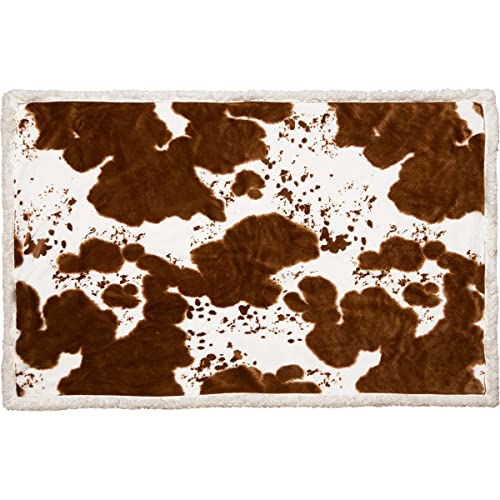
Soft pile fabrics can trap hair between their fibers. They may feel comfortable for a dog bed or throw, but they can be harder to clean than a flat-weave cover.
For a washable dog blanket, choose a fabric you can shake out, vacuum, or launder without damaging the pile.
The most useful fabric features
For homes with frequent shedding, look for:
- A smooth or low-pile surface
- A tight weave
- A washable cover
- A fabric that does not create heavy static
- A weight that fits your washing machine
- Color or pattern that matches the dog’s coat
No fabric prevents shedding. It only changes how hair sits on the surface and how easy it is to remove.

Best bedding colors for a multi-dog household
If your dogs have different coat colors, avoid choosing a color that matches only one dog. A mixed or medium-tone fabric is usually more forgiving.
For example:
- Black and white dogs: Try medium gray with white or charcoal flecks.
- Golden and brown dogs: Try beige, camel, taupe, or a warm small-scale pattern.
- Black and tan dogs: Try charcoal, brown-gray, or a dark heathered fabric.
- White and gray dogs: Try pale gray, greige, or a soft mottled pattern.
- Dogs with many colors: Try tweed, heathered beige, or a low-contrast multicolor print.
A medium shade often offers the best compromise. Very light bedding may reveal dark hair. Very dark bedding may reveal light hair. Mid-tone colors reduce the difference for several coat shades at once.
If one dog sheds much more than the others, match the bedding to the heaviest shedder. That choice will usually make the largest difference in daily cleaning.
How to choose bedding that hides dog hair and stays easy to clean
Use this short process before buying new bedding.
1. Identify the most visible hair
Look at the hair that collects on your current bedding. Is it white, dark, red, fine, long, curly, or wiry? Focus on the hair you see most often, not only the color of the dog’s coat.
2. Compare three color families
Choose one color close to the coat, one medium neutral, and one patterned option. Place samples beside the dog’s favorite resting area.
3. Check the fabric surface
Run your hand over the fabric. A smooth, tight weave is often easier to clean than a deep pile. If the fabric creates static, it may attract more loose hair.
4. Consider the washing machine
A king-size comforter may not fit safely in a standard home washer. If bedding is too large for the machine, you may need a laundromat or a professional cleaner.
Follow the manufacturer’s care label. Do not overload the washer, and avoid mixing heavily hairy bedding with clothes.
5. Use a removable top layer
A washable throw or blanket can protect the main bed. Choose a color that hides hair and wash the top layer more often than the duvet or comforter.
6. Test hair removal
Let a small amount of hair collect on the fabric. Try a lint roller, rubber glove, fabric brush, or vacuum attachment. Keep the option that removes hair with the least effort.
Signs that you chose well include:
- Loose hair is difficult to spot from normal room distance.
- The fabric does not hold hair tightly.
- The cover fits your washer or cleaning plan.
- You can remove hair without damaging the weave.
- The color still looks good under your room’s lighting.

How to remove dog hair from bedding
Color can hide hair, but regular cleaning still matters. Remove loose hair before washing when possible.
- Shake the bedding outdoors if local rules and weather allow. This can remove loose surface hair before it enters the washer.
- Use a lint roller or rubber glove on small areas. A slightly damp rubber glove may gather hair into small clumps.
- Vacuum large bedding with an upholstery tool. Use a gentle setting if the fabric is delicate.
- Wash according to the care label. Avoid overcrowding the washer.
- Check the dryer filter after drying. A clogged filter can reduce airflow and drying performance.
- Clean the washer when needed. Hair may collect around the door seal, filter, or drain area.
A washer’s drain system may not handle large amounts of pet hair well. Removing surface hair first can reduce buildup. For bedding with heavy hair, use a laundromat machine only if its instructions permit the item and the load fits without being packed tightly.
Wash bedding more often if your dog sleeps on it every night, sheds heavily, has accidents, or brings in dirt from outside. If your dog has a skin condition or your household has a medically diagnosed allergy, ask a veterinarian or health professional for advice about cleaning and exposure control.

Common mistakes when choosing bedding for dog hair
Choosing pure black or pure white by default
Black and white may look stylish, but they create strong contrast with many coats. Charcoal, ivory, beige, and heathered colors are often more forgiving.
Matching only the dog’s fur but ignoring stains
A cream cover may hide white hair but show muddy paw marks. A dark cover may hide dirt but show pale hair and lint. Choose for both hair and daily mess.
Buying deep-pile fabric
Plush bedding can trap hair. It may require more brushing and vacuuming than a flat weave.
Using a large pattern with strong contrast
A bold pattern may hide hair, but it can show dirt in another way. Small, low-contrast patterns tend to look calmer and require less visual upkeep.
Forgetting the underside
Hair may collect on the bottom of a duvet, around seams, and inside a cover. Choose bedding with seams and closures that are easy to inspect and clean.
Assuming color solves allergies
Bedding color only changes visibility. It does not remove pet allergens. Allergens can come from dander, saliva, and other materials, not just loose hair. People with allergies should follow advice from a qualified health professional.

Frequently asked questions
What is the best overall bedding color for dog hair?
A heathered medium gray, beige, taupe, or greige is often a useful overall choice. These colors hide some light and dark hair better than pure white or pure black. The best option still depends on your dog’s coat and your room’s lighting.
Does gray bedding hide dog hair?
Gray bedding can hide gray, black, and some light-colored hair, especially when it is heathered or textured. A solid gray may still show white or golden hair under direct light.
What color hides white dog hair best?
White, ivory, cream, pale beige, and light gray usually hide white hair better than dark colors. If your dog also tracks in dirt, light beige may be more practical than pure white.
What color hides black dog hair best?
Black, charcoal, dark gray, navy, and dark brown can hide black hair. Charcoal is often easier to live with than pure black because it may show less lint and dust.
Are patterned sheets better for dog hair?
Often, yes. Small checks, flecks, heathered yarns, and low-contrast patterns can hide hair from more than one coat color. Patterns do not make bedding cleaner, but they can reduce how often loose hair catches your eye.
Should I choose cotton or microfiber?
Choose based on the actual weave and care label. Smooth cotton is often easy to wash and handle. Some microfiber fabrics release hair well, while others build static and attract it. A small test is more useful than the fiber name alone.

Conclusion
The best bedding color for hiding dog hair is the one that creates the least contrast with your dog’s coat. Match light hair with light neutrals, dark hair with charcoal or navy, and mixed coats with heathered or small-patterned fabric.
For most U.S. households, a medium heathered gray, beige, taupe, or greige cover offers a practical balance. Pair the color with a smooth, washable fabric and a removable top blanket. That combination will not stop shedding, but it can make hair less noticeable and cleaning much easier.
The next step is simple: place three fabric colors beside your dog’s usual sleeping spot and view them in both daylight and room light. Choose the one that hides hair, handles stains, and fits your washing routine.

Pet Care Writer & Researcher
Daniel writes practical guides on daily care, feeding, and safety, turning complex topics into simple, actionable advice.