How To Make A Dog Bark Sound: Easy Training Guide
Learn how to make a dog bark sound naturally with simple vocal techniques, training tips, and step-by-step guidance for realistic results.
To make a dog bark sound, use a calm vocal cue, reward one bark, and never scare or hurt the dog.
Learning how to make a dog bark sound can mean two different things: teaching a dog to bark on cue or imitating a bark with your voice. Both are simple when you understand canine body language, use rewards, and keep the session brief. This guide explains safe methods, common mistakes, recording tips, and when barking may signal stress or illness.
What Does “Make a Dog Bark Sound” Mean?
The phrase “how to make a dog bark sound” often has two meanings. You may want your dog to bark when you give a command. Or, you may want to copy a dog bark for a video, play, theater, training demo, or sound effect.
These goals need different methods:
• Teaching a bark cue involves reward-based dog training.
• Copying a bark involves controlling your breath, pitch, and voice.
• Producing a realistic sound effect may involve a phone app or audio editor.
A dog’s bark is not one fixed sound. Dogs bark in different ways to show excitement, fear, alertness, play, frustration, or pain. A short, sharp bark can signal alertness, while a low, repeated bark may show concern or a desire to create distance.
Responsible training matters. Animal behavior experts generally recommend reward-based methods and advise against yelling, hitting, shock collars, or frightening sounds. Fear may cause a bark, but it can also damage trust and increase unwanted behavior.

How to Make a Dog Bark Sound Safely
The safest way to make a dog bark sound is to wait for a natural bark and reward it. You do not need to frighten the dog or push it into distress.
Follow these steps:
-
Choose a calm place with few distractions.
-
Prepare small, soft treats that your dog enjoys.
-
Watch for a natural bark, such as when the dog notices a visitor or hears a quiet knock.
-
As soon as the bark begins, say a clear word such as “speak.”
-
Give the treat at once.
-
Repeat the process for a few short sessions.
-
Stop while your dog still seems relaxed and interested.
Timing is the key. The reward must come within a second or two of the bark. If you wait too long, your dog may think the reward is for jumping, pawing, or running across the room.
Keep each session to about three to five minutes. One or two sessions a day is enough for most dogs. Puppies, older dogs, and nervous dogs may need even shorter sessions.
A useful training pattern is:
• Natural bark
• Cue word
• Quiet pause
• Treat and praise
After your dog understands the cue, say “speak” just before the bark happens. Over time, reduce the use of natural triggers. The goal is a controlled bark, not constant barking.

How to Teach a Dog to Bark on Command
Teaching a dog to bark on command works best when you first teach a quiet command. This may sound backward, but it gives your dog an off switch.
Start by noticing what causes your dog to bark. Some dogs bark when someone knocks. Others bark at a toy, a window, or a favorite game. Use a mild trigger that does not cause fear or intense excitement.
When the dog barks once, say “speak.” Reward the bark. Then wait for a pause and say “quiet.” When the dog stops barking for one or two seconds, reward again.
Gradually increase the quiet time:
• One second of silence
• Three seconds of silence
• Five seconds of silence
• Ten seconds of silence
Do not repeat “speak” many times in a row. Repeating the cue can teach your dog that the first command does not matter. Say it once, wait, and guide the dog with a gentle trigger if needed.
Some dogs bark because they want attention. If you reward every demand bark, you may create a noisy habit. Use the cue only when you ask for it, and reward calm behavior at other times.
In my experience with reward-based training examples, the most common mistake is rewarding too much excitement. Owners often cheer, wave treats, and move fast. That can turn one bark into jumping, spinning, and nonstop noise. Calm hands and fast timing work much better.

How to Imitate a Dog Bark With Your Voice
If you mean how to make a dog bark sound with your own voice, focus on rhythm rather than volume. A real dog bark is short, sudden, and shaped by the throat and mouth.
Try this simple process:
-
Take a comfortable breath.
-
Keep your throat relaxed.
-
Say “ruff,” “woof,” or “arf” in a short burst.
-
Use a lower pitch for a large dog sound.
-
Use a higher pitch for a small dog sound.
-
Add a quick pause between barks.
For a large dog effect, try “woof, woof” with a low, rounded tone. For a small dog effect, use a lighter “yap, yap” sound. Avoid forcing your voice into an extreme low pitch, as this may strain your throat.
The rhythm often makes the sound believable:
• Alert bark: “woof… woof”
• Excited bark: “ruff-ruff-ruff”
• Small dog sound: “yap-yap-yap”
• Playful sound: “arf… arf”
A real bark is not usually a long “woooooof.” It is more like a quick vocal pop. Think of it as knocking on a door with your voice.
Practice at a low volume. If your throat feels sore, stop and rest. Do not use a tight, harsh voice for long periods. Children should also avoid shouting or trying to copy loud barking for extended periods.

How to Make a Dog Bark Sound for a Video or Recording
When you need how to make a dog bark sound for a video, you have three practical options: record a real dog, create the sound with your voice, or use a licensed sound effect.
Recording a real dog can sound natural, but you must protect the dog’s comfort. Record during a normal, brief bark. Do not tease the dog, trap it behind a gate, or use loud alarms to force a reaction.
For a cleaner recording:
• Use a quiet room.
• Keep the phone or microphone several feet away.
• Record multiple short takes.
• Avoid touching the microphone.
• Leave a few seconds of silence before and after the bark.
• Check local privacy and permission rules if other people or pets are present.
A phone microphone may distort a loud bark. Place the device farther away instead of asking the dog to bark louder. You can raise the volume later with editing software.
If you imitate the bark, record several versions. Change the pitch, speed, and spacing. A sound editor can then trim unwanted noise and add a small amount of room sound.
For public videos, games, podcasts, or commercial work, use sounds with clear usage rights. A free file is not always free for every purpose. Check the license before publishing.

How to Make a Dog Bark Sound Without Scaring the Dog
Some methods may produce a bark but should not be used. Startling a dog with a scream, air horn, bang, or sudden movement can create fear. It may also lead to lunging, hiding, snapping, or long-term noise sensitivity.
Avoid these actions:
• Shouting in the dog’s face
• Pretending to attack the dog
• Pulling the leash to force a reaction
• Using pain or shock
• Blocking the dog’s escape route
• Teasing the dog with food
• Repeatedly ringing a doorbell
• Encouraging barking at people or animals
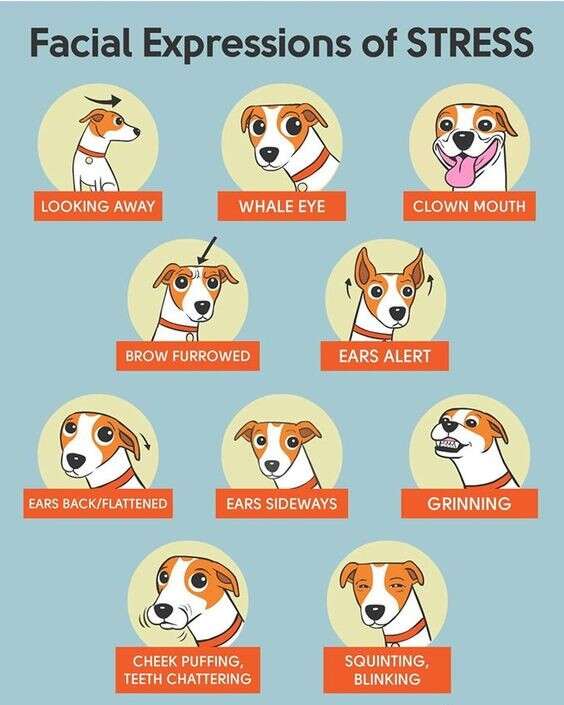
If your dog looks away, licks its lips, yawns, trembles, crouches, hides, or tries to leave, stop the session. These signs can show stress. Give the dog space and return to a calm activity.
A safe bark cue should feel like a small game, not an emergency. The dog should be able to stop, eat a treat, and relax. If the dog cannot settle after training, the trigger is too strong.
Veterinary behavior guidance supports changing the dog’s emotional response instead of simply suppressing the bark. In simple terms, teach the dog that calm behavior brings good results.

Common Mistakes When Teaching a Bark
Many owners search for how to make a dog bark sound because their dog is quiet. That is not a problem by itself. Some dogs naturally bark less because of breed, age, personality, training history, or environment.
Common training mistakes include:
• Rewarding barking at the wrong time: The dog may learn to bark for food or attention.
• Using a scary trigger: Fear can create lasting behavior problems.
• Training for too long: Tired dogs lose focus and become frustrated.
• Saying the cue after the bark every time: The dog may not connect the word with the action.
• Forgetting the quiet cue: A bark without control can become a nuisance.
• Expecting instant results: Dogs learn at different speeds.
Another mistake is asking for several barks in a row. One bark is easier to control than a long burst. Begin with one bark, then add more only when your dog can remain calm.
Reward silence often. If your dog lies quietly while a visitor enters, give praise or a treat. This teaches a valuable lesson: barking is one behavior, not the only way to earn attention.

What If Your Dog Will Not Bark?
Do not force a quiet dog to bark. A dog may not bark because it feels calm, does not understand the trigger, or has learned that barking does not work.
You can try a gentle prompt:
• Show a favorite toy.
• Begin a short play session.
• Ask a trusted person to stand outside.
• Use a familiar, quiet sound.
• Wait for a natural bark during normal life.
Reward even a small vocal sound at first. A soft “woof,” whine, or bark may be the starting point. Never reward fear, aggression, or frantic behavior.
Some dogs are more vocal than others. Beagles, Shetland Sheepdogs, Chihuahuas, and many terrier breeds may bark readily, while other dogs may be quieter. Breed does not predict every individual, so focus on your own dog’s behavior.
If your dog used to bark but suddenly cannot, contact a veterinarian. A change in voice may relate to throat irritation, respiratory disease, pain, or overuse. A veterinary check is especially important if coughing, breathing trouble, low energy, or trouble swallowing is present.

How to Stop the Bark After You Get the Sound
Knowing how to make a dog bark sound is only half of the skill. Good control means the dog can also stop on cue.
Wait for one bark. Place a high-value treat near your dog’s nose. Most dogs pause to sniff. The moment the dog is quiet, say “quiet” and give the treat.
Repeat this several times. Then slowly delay the treat for a longer period of silence. Keep your voice soft. If you shout “quiet,” your dog may think you are joining the barking.
You can also teach a replacement behavior:
• Ask for “sit.”
• Ask for eye contact.
• Guide the dog to a mat.
• Reward calm breathing and stillness.
This is useful when a dog barks at the door. Ask for one alert bark, say “quiet,” then guide the dog to a mat. Reward the dog for staying there while the visitor enters.
Never expect perfect silence in every situation. Dogs may bark when startled, injured, threatened, or highly excited. The realistic goal is fewer unwanted barks and a reliable way to regain calm.
Safety and Welfare Tips
Before practicing how to make a dog bark sound, check the dog’s health and mood. Barking uses the throat and respiratory system, so repeated loud barking can irritate the voice, especially if the dog is already coughing or hoarse.
Follow these basic rules:
• Keep training short.
• Offer fresh water.
• Use rewards that fit your dog’s diet.
• Avoid training in extreme heat.
• Stop if the dog shows stress.
• Keep the dog away from unsafe triggers.
• Do not train barking at strangers, cars, or other animals.
• Ask a certified trainer or veterinarian for help with aggression.
A dog that barks from fear may need behavior support, not a bark command. A professional can help identify the trigger and create a gradual desensitization plan.
Trust grows through small wins. If your dog makes one calm bark and then relaxes, that is better than producing ten frantic barks. Good training protects both communication and the relationship.
Frequently Asked Questions About How to Make a Dog Bark Sound
How can I make my dog bark on command?
Wait for a natural bark, say “speak,” and reward the dog immediately. Repeat short sessions until the dog links the word with the behavior.
How do I make a dog bark sound with my voice?
Use a short “woof,” “ruff,” or “arf” sound with a relaxed throat. Change the pitch and rhythm to imitate a small, medium, or large dog.
Is it safe to scare a dog to make it bark?
No. Scaring a dog can create anxiety, defensive behavior, and poor trust. Use natural triggers and reward-based training instead.
How long does it take to teach a dog to bark?
Some dogs learn the cue in a few sessions, while others need several weeks. Progress depends on the dog’s personality, motivation, history, and the trainer’s timing.
Why will my dog not bark?
Your dog may be naturally quiet, relaxed, tired, distracted, or unsure of the cue. Do not force barking, and speak with a veterinarian if the change is sudden.
Can I teach my dog to bark less after teaching “speak”?
Yes. Teach “quiet” by rewarding short periods of silence after a bark. Practice both cues so your dog learns when to vocalize and when to settle.
Can barking hurt a dog’s throat?
Repeated, intense barking may irritate the throat or worsen an existing problem. Stop training if your dog becomes hoarse, coughs, struggles to breathe, or seems uncomfortable.
Conclusion
Learning how to make a dog bark sound should be calm, kind, and controlled. For dog training, reward a natural bark, add a clear cue, and teach “quiet” at the same time. For voice work or videos, use short sounds, safe volume, and realistic rhythm.
Avoid fear, pain, teasing, and loud noises. Watch your dog’s body language, keep sessions brief, and ask a veterinarian or qualified behavior professional about sudden changes or distress. Practice one small step today, and share your experience or explore more reward-based dog training resources for the next skill.

Pet Care Writer & Researcher
Daniel writes practical guides on daily care, feeding, and safety, turning complex topics into simple, actionable advice.