How To Stop Dog Barking Outside: Proven Training Tips
Learn how to stop dog barking outside with proven training tips, calming strategies, and simple steps for a quieter, happier home.
Stop outdoor barking by finding its cause, reducing triggers, teaching quiet, and rewarding calm behavior every time.
Learning how to stop dog barking outside takes more than saying “quiet” louder. A dog may bark at people, wildlife, sounds, other dogs, boredom, fear, or a need for attention. The most reliable plan combines management, daily exercise, reward-based training, and patience. This guide explains how to stop dog barking outside with practical steps that fit real homes and real dogs.
Why dogs bark outside
Barking is normal dog communication. It can signal excitement, fear, frustration, alertness, or distress. The goal is not to silence every bark. The goal is to reduce excessive barking and help your dog respond in a calmer way.
The first step in learning how to stop dog barking outside is to identify the reason behind it. Watch what happens before, during, and after each barking episode.
Common causes include:
• Territorial behavior when a dog sees people, cars, animals, or other dogs
• Alarm barking after hearing a door, engine, voice, or unfamiliar sound
• Fear or anxiety caused by new sights, loud noises, or open spaces
• Boredom from long periods alone with little exercise or mental activity
• Social frustration when a dog wants to greet another dog or person
• Attention seeking when barking leads to eye contact, talking, or release indoors
• Chase instinct triggered by squirrels, rabbits, birds, or passing bikes
• Separation distress when barking begins after you leave
A useful rule is simple: barking that works tends to repeat. If barking makes a person go away, earns a treat, opens a door, or starts a game, your dog may learn that barking is effective. This does not mean your dog is being stubborn. It means the behavior has been reinforced.
Check the outdoor setup first
Before training, make barking less rewarding. Every time your dog spends 20 minutes barking at the fence, the habit may become stronger. Management protects your training plan while your dog learns new skills.
Start with the view. If your dog barks at pedestrians or animals, use a privacy screen, solid fence panel, outdoor curtains, or a different part of the yard. For a temporary solution, move chairs, planters, or play areas away from the fence line.
Also reduce sound triggers where possible. Bring your dog inside during busy times, close nearby windows, or use gentle background noise indoors. If your dog barks at delivery workers, avoid leaving the dog outside when packages commonly arrive.
Helpful changes include:
• Use a well-fitted harness or collar, never a choke or shock collar
• Keep outdoor sessions short and supervised
• Remove tempting items that trigger guarding, such as food bowls near the fence
• Provide shade, water, and a comfortable resting area
• Use a long line only when you can supervise it safely
• Bring your dog inside before barking becomes intense
• Check local noise rules and speak politely with neighbors if barking has caused conflict
Outdoor management is not a failure. It is like putting training wheels on a bicycle. It gives your dog fewer chances to practice the unwanted behavior.

Teach a reliable quiet cue
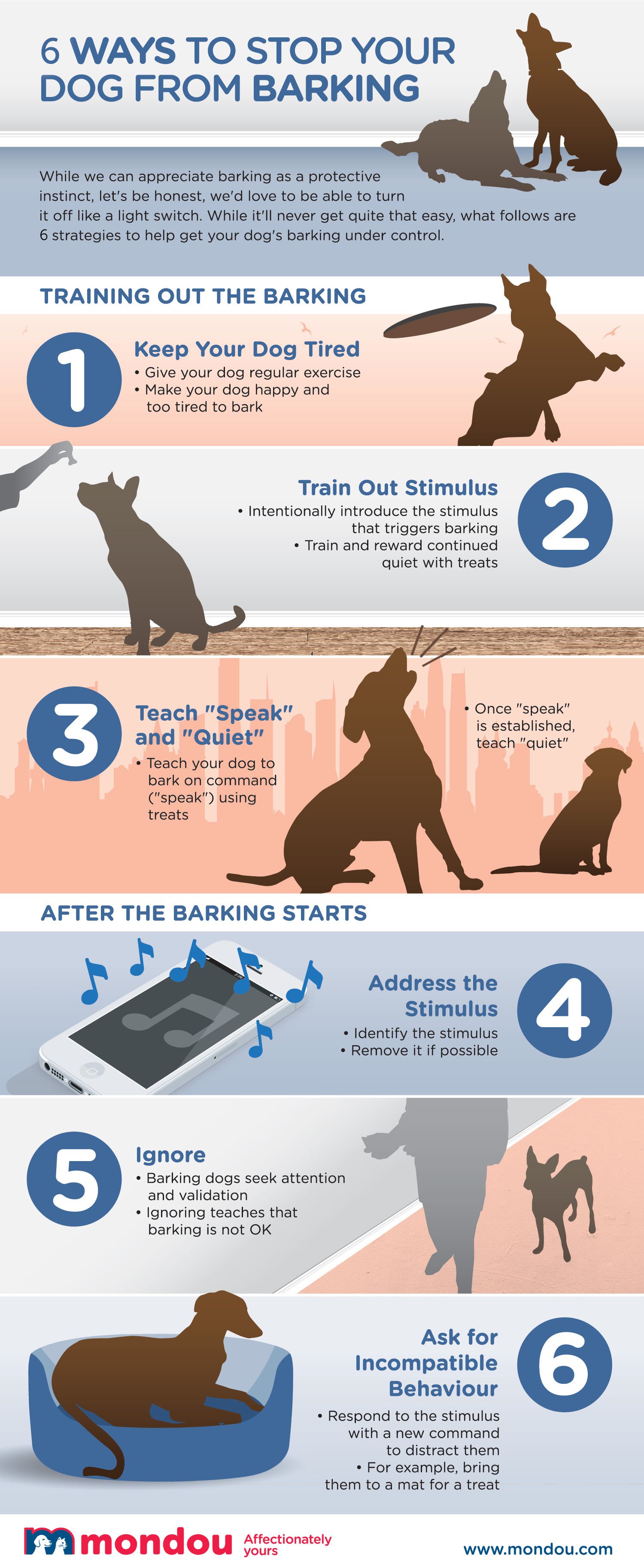
A quiet cue works best when your dog already understands that calm behavior earns rewards. Avoid repeating “quiet” while your dog is barking nonstop. Repetition can turn the cue into background noise.
Use this simple method:
-
Choose a low-level trigger, such as a soft knock or a distant passerby.
-
Allow one or two alert barks.
-
Say “quiet” in a calm, friendly voice.
-
Hold a high-value treat near your dog’s nose.
-
As soon as your dog pauses to sniff, mark the moment with “yes.”
-
Give the treat.
-
Wait for another calm pause, then reward again.
At first, reward one second of silence. Then build to three seconds, five seconds, and 10 seconds. Keep sessions short and end while your dog is still successful.
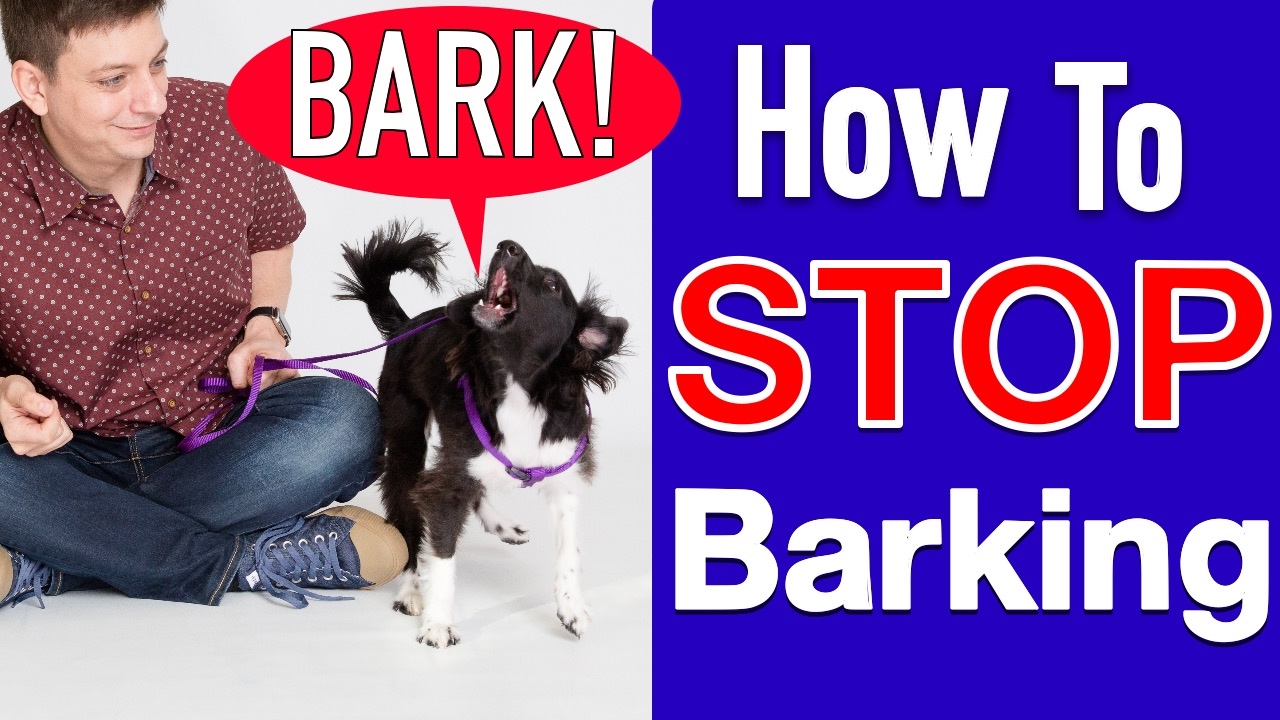
The key to how to stop dog barking outside is timing. Reward the quiet pause, not the bark. If you shout, your dog may think you are joining the alarm. A calm voice and quick reward make the lesson clear.
Once your dog understands the cue indoors, practice near a window, then in the yard, and later around mild outdoor distractions. Increase only one challenge at a time. You may need to lower the trigger distance if your dog cannot eat, look at you, or respond.
Use the “look and return” game
Some dogs bark because they cannot stop watching a trigger. A simple focus game can break that cycle without force.
Stand far enough from the trigger that your dog notices it but remains able to take food. The moment your dog looks at the person, dog, or sound source, say “yes” and give a treat. When your dog looks back at you, reward again.
Over time, your dog learns this pattern:
• Notice the trigger
• Stay calm
• Look back at the handler
• Earn a reward
This method is often called counterconditioning. It changes the dog’s emotional response by pairing a troubling event with something positive. Desensitization works alongside it by keeping the trigger mild enough for learning.
If your dog barks, lunges, freezes, or refuses food, the setup is too difficult. Move farther away or choose a quieter time. Pushing through fear may make the reaction stronger, so progress should feel steady rather than dramatic.
This game is especially helpful for dogs that bark at other dogs, joggers, children, or vehicles. It does not promise instant results. Some dogs need weeks or months of careful practice, but small improvements add up.

Meet your dog’s exercise and mental needs
Exercise alone will not solve every barking problem, but an under-stimulated dog often has less self-control. A yard is not a complete exercise plan because many dogs simply patrol, chase, and bark there.
Aim for a balanced routine that may include:
• A daily sniff walk at a comfortable pace
• Short training sessions with treats
• Food puzzles or stuffed toys
• Safe games such as fetch or tug
• Chewing activities approved for your dog
• Calm time after exercise
Sniffing matters. It lets dogs gather information and use their brains. A slow 20-minute sniff walk may help more than a rushed walk around the block.
Avoid trying to exhaust a dog with nonstop high-energy play. Some dogs become fitter and more excited, which can increase barking. Add calming work, such as mat training, scent games, and quiet chewing.
In my experience with behavior plans, owners often focus on the yard but overlook the hours before the barking starts. A dog that has had no activity, no social contact, and no rest may treat every leaf as breaking news. A predictable daily rhythm can make outdoor training much easier.

Reward calm behavior before barking starts
Many people reward their dog only after a problem appears. Instead, notice calm moments and pay for them.
When your dog lies quietly in the yard, looks at a passerby without barking, or turns away from a squirrel, offer a small treat. You can also calmly praise the behavior or invite your dog indoors.
This teaches an important lesson: calm behavior has value. Your dog does not need to bark to get your attention or access to something good.
Try a “settle on a mat” routine:
-
Place a mat near you indoors.
-
Reward your dog for stepping onto it.
-
Reward sitting or lying down.
-
Give treats slowly while your dog remains relaxed.
-
Add mild sounds or movement.
-
Practice in the yard when your dog is ready.
The mat becomes a portable calm zone. It can help during outdoor meals, visits, and times when neighbors pass by.
Do not reward your dog immediately after a long barking fit if the reward gives access to the trigger. First wait for a genuine pause, guide your dog away from the trigger, and then reward calm behavior in a quiet place.

Avoid methods that can make barking worse
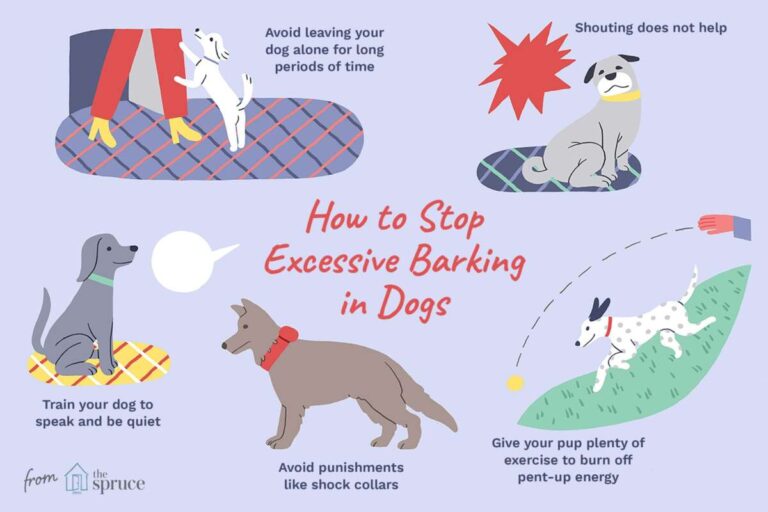
Punishment may stop noise for a moment, but it often fails to solve the cause. Yelling can add excitement. Physical corrections can increase fear. Shock, spray, and ultrasonic devices may suppress warning signals without making the dog feel safer.
This matters because a dog that stops barking may still feel afraid or frustrated. The dog may then growl, lunge, snap, or react more suddenly. Any training method that creates pain or fear deserves serious caution.
Common mistakes include:
• Shouting “quiet” from across the yard
• Leaving a dog outside for hours without supervision
• Letting the dog rehearse fence running
• Opening the door while the dog is barking wildly
• Introducing a trigger too close
• Rewarding the dog only after intense barking
• Expecting one training session to fix a long-term habit
A better approach is to interrupt early, guide the dog away, and reward a calm choice. If barking is linked to fear, aggression, or separation anxiety, punishment can be especially risky.
The most humane and effective approach to how to stop dog barking outside is usually reward-based training combined with careful management. If a professional recommends aversive tools, ask what risks they carry and whether a qualified veterinary behavior professional has assessed your dog.
Build a practical daily plan
A clear routine helps everyone follow the same rules. Here is a sample plan for a healthy adult dog:
-
Begin with a sniff walk before the busiest outdoor period.
-
Give breakfast through a puzzle feeder or training game.
-
Let your dog rest indoors.
-
Practice five minutes of quiet-cue training.
-
Offer a short, supervised yard session.
-
Reward calm behavior before a trigger appears.
-
Bring your dog inside at the first sign of rising stress.
-
Repeat a short focus game later in the day.
Keep a simple log. Record the trigger, distance, time, barking level, and what helped. You may discover that your dog barks more at dusk, after a nap, when tired, or when a neighbor’s dog is outside.
Use a scale from zero to five:
• Zero means relaxed
• One means noticing the trigger
• Two means alert but responsive
• Three means occasional barking
• Four means intense barking and poor response
• Five means lunging, panic, or loss of control
Train mostly at levels one and two. If your dog reaches four or five, stop the session and create distance. This record gives you useful evidence and helps a trainer understand the pattern.

Know when to ask for professional help
Some barking problems need more than home training. Contact your veterinarian if barking starts suddenly, changes sharply, or occurs with confusion, pain, hearing changes, sleep problems, or other unusual behavior. Medical issues can affect mood and reactivity.
Ask for professional support when your dog:
• Barks with lunging or attempted biting
• Cannot calm down after a trigger disappears
• Shows signs of panic when left alone
• Guards the yard or fence aggressively
• Has injured itself trying to escape
• Ignores food during every training attempt
• Has a history of trauma or serious fear
A veterinarian can check for health concerns and refer you to a qualified behavior professional. Look for credentials, reward-based methods, and a clear explanation of the plan. Be cautious of anyone who promises a guaranteed fix or blames your dog for the problem.
Professional help is not an admission that you failed. It is often the fastest way to protect your dog, your neighbors, and your relationship.
How long does it take to stop outdoor barking?
The timeline depends on the cause, the dog’s age, the length of the habit, and how often the dog encounters triggers. Mild alert barking may improve within a few weeks of consistent practice. Fear, separation anxiety, and aggression can take much longer.
Progress is rarely perfectly straight. Your dog may improve for several days and then bark more after a stressful event. Measure success by shorter episodes, faster recovery, greater distance from triggers, and more frequent calm choices.
For how to stop dog barking outside, consistency matters more than one perfect session. Everyone in the home should use the same cues and rewards. If one person allows fence barking for an hour while another trains for five minutes, progress may slow.
Be realistic about limitations. Some dogs will always alert when something unusual happens. A successful plan may mean two alert barks followed by quiet, not complete silence.
Frequently Asked Questions About How to Stop Dog Barking Outside
What is the fastest way to stop a dog from barking outside?
Bring your dog away from the trigger, block the view, and reward the first calm pause. This can stop the current episode, but lasting change requires repeated training and better management.
Should I yell at my dog to be quiet?
No. Yelling may sound like barking to your dog and can increase excitement or fear. Use a calm cue, create distance, and reward silence instead.
Will more exercise stop my dog from barking outside?
Exercise can help when boredom or excess energy is part of the problem, but it is not a complete cure. Combine walks and enrichment with trigger control and reward-based training.
Do anti-bark collars work?
They may suppress barking without addressing fear, frustration, or territorial behavior. Painful or startling devices can increase stress and may create unsafe reactions, so humane training and professional advice are safer choices.
How can I stop my dog from barking at people through the fence?
Block the view, supervise yard time, and reward your dog for noticing people without reacting. Practice at a distance where your dog can still eat and respond to you.
What should I do if my dog barks when left outside alone?
Start by reducing alone time and checking for separation anxiety, fear, or boredom. A veterinarian or qualified behavior professional can help if barking comes with pacing, escape attempts, drooling, destruction, or panic.
Conclusion
The best way to stop dog barking outside is to understand the trigger, prevent repeated rehearsals, and reward calm behavior. Use privacy barriers, short supervised sessions, exercise, mental enrichment, and gradual training. Avoid yelling and painful tools, especially when fear or anxiety is involved.
Start today with one small change: block the biggest trigger and reward five calm moments. Track progress, stay patient, and seek professional help when the behavior feels unsafe or overwhelming. Share your experience with a trainer, veterinarian, or trusted dog community to keep building a calmer routine.

Pet Care Writer & Researcher
Daniel writes practical guides on daily care, feeding, and safety, turning complex topics into simple, actionable advice.