
Why Does My Dog Bark At Everyone: Causes And Fixes
Why does my dog bark at everyone? Learn the common causes and practical training tips to reduce barking and help your dog stay calm.
Your dog may bark at everyone because of fear, excitement, territorial instincts, poor socialization, or learned attention-seeking.
Why does my dog bark at everyone? The answer is rarely as simple as “bad behavior.” Barking is your dog’s way of sending a message, and the meaning depends on body language, timing, distance, and what happens after each bark. Once you understand the cause, you can choose training methods that reduce stress instead of merely trying to silence your dog.

Why does my dog bark at everyone?
Dogs bark to communicate. They may warn you about a stranger, greet a neighbor, ask for space, or release nervous energy. Some dogs bark because people predict exciting events, such as walks, play, or treats.
The most useful question is not only, “Why does my dog bark at everyone?” Ask, “What does my dog gain or avoid by barking?” A dog may bark at a person, the person moves away, and the dog learns that barking works. Another dog may bark, receive attention, and learn to repeat the behavior.
Common reasons include:
• Fear or anxiety around unfamiliar people
• Territorial behavior near the home, yard, car, or window
• Excitement and frustration during greetings
• Lack of early socialization
• A strong guarding instinct
• Past negative experiences
• Pain, hearing loss, vision changes, or age-related confusion
• Learned behavior that has been rewarded by attention
Barking is not always a sign of aggression. A fearful dog may bark while backing away. An excited dog may pull forward with a loose, wiggly body. Careful observation helps you tell the difference.
Read your dog’s body language
Your dog’s bark is only one part of the message. The rest of the body often tells you whether your dog feels afraid, excited, defensive, or playful.
Look for these signals:
Fear or discomfort
A fearful dog may:
• Lean away or hide behind you
• Keep the tail low or tucked
• Pin the ears back
• Lick the lips or yawn
• Show the whites of the eyes
• Tremble or freeze
• Bark sharply while trying to create distance
When barking comes from fear, punishment can make the problem worse. Your dog may learn that strangers bring scary events, such as yelling or leash corrections.
Excitement or frustration
An excited dog may:
• Wag the tail quickly
• Bounce, spin, or jump
• Pull toward the person
• Whine between barks
• Keep the body loose
• Seek eye contact
This dog may want to greet everyone but lack the self-control to do so calmly. The behavior can still become unsafe if jumping, pulling, or rushing is allowed.
Territorial warning
A territorial dog may:
• Stand tall and stiff
• Move toward the window, fence, or door
• Raise the tail
• Bark in repeated bursts
• Watch the person closely
• Stop barking when the person leaves
Territorial barking often grows when a dog spends long periods watching people pass the home. Each person who walks away can seem like proof that the warning worked.
Possible aggression
Aggressive behavior can include stiff posture, a hard stare, snarling, lunging, snapping, or biting. Barking alone does not prove aggression, but these signals require careful management.
Keep distance from triggers and seek help from a qualified veterinary behaviorist or reward-based trainer. Do not force greetings or test how close your dog can get.

Main reasons your dog barks at strangers
Fear and anxiety
Fear is one of the most common answers to why does my dog bark at everyone. Unfamiliar people can feel unpredictable. Hats, umbrellas, loud voices, fast movements, or direct eye contact may make the person seem even more threatening.
Some dogs bark because they want the stranger to go away. If the person keeps walking, the dog may feel successful. This creates a cycle: the dog feels worried, barks, the person leaves, and the barking becomes stronger next time.
Territorial behavior
Dogs naturally notice changes near their living space. A person at the front door, a delivery worker, or someone near the fence may trigger a warning response.
Territorial barking can become a daily habit. Windows, fences, and front yards give dogs many chances to rehearse it. Limiting the view and rewarding quiet behavior can help reduce this pattern.
Poor socialization
Socialization means learning how to feel safe and behave around different people, animals, places, sounds, and surfaces. The most sensitive socialization period occurs during puppyhood, but adult dogs can still learn new responses.
A dog that met few people as a puppy may find strangers confusing. However, limited socialization does not mean the dog cannot improve. Slow exposure, safe distance, and rewards can build confidence over time.
Excitement and greeting frustration
Some dogs bark at everyone because they want to say hello. They may become frustrated when a leash, gate, car window, or owner blocks access.
This often happens at parks, sidewalks, daycare entrances, and veterinary clinics. The dog is not always angry, but the behavior can look intense. Teaching a calm greeting is more effective than allowing the dog to greet after barking and pulling.
Attention-seeking
Dogs quickly repeat actions that produce results. If barking makes you look at your dog, speak, open a door, or offer a treat, your dog may bark more often.
Even negative attention can reward barking. To a social animal, yelling may still feel like interaction. Reward quiet behavior before barking begins, and avoid turning each bark into a long conversation.
Breed traits and individual temperament
Some dogs were bred to notice movement, guard property, alert handlers, or work closely with people. Herding breeds, watchdog breeds, and many terriers may be more vocal than others.
Breed traits influence behavior, but they do not determine it. Training, health, past experiences, environment, and the individual dog all matter.
Pain or medical changes
A sudden increase in barking deserves attention. Pain, reduced hearing, reduced vision, neurological illness, or cognitive changes can alter how a dog reacts to people.
Older dogs may bark at familiar people because they do not recognize them right away. A veterinary exam is wise when barking starts suddenly, changes sharply, or appears with confusion, restlessness, aggression, or other unusual behavior.

Why does my dog bark at everyone on walks?
Walks place dogs close to many triggers while limiting their ability to move away. A leash can make a worried dog feel trapped. It can also create frustration when the dog wants to approach another person.
Distance is one of the most important tools. If your dog barks at everyone when a person is 10 feet away, begin training at a greater distance, such as across the street or at the end of a quiet parking lot.
Try this simple pattern:
-
Notice a person before your dog reacts.
-
Say a calm marker word, such as “yes.”
-
Give a small, tasty treat.
-
Keep feeding while the person remains at a safe distance.
-
Stop when the person passes or moves away.
-
Repeat during short, successful sessions.
This changes the emotional meaning of strangers. Instead of predicting pressure, strangers begin to predict good things. This process is called counterconditioning.
If your dog barks, lunges, or refuses food, the trigger is too close or the session is too difficult. Turn away, create more space, and try again later. Training works best when your dog can still think and eat.
How to stop your dog from barking at everyone
The goal is not to stop all barking. Barking is normal communication. The goal is to reduce unnecessary barking and teach a safer response.
Manage the environment first
Training is harder when your dog practices barking all day. Management prevents repeated rehearsal while new skills develop.
Useful changes include:
• Close blinds or use privacy film on low windows
• Move furniture away from windows
• Use a white-noise machine near busy areas
• Keep your dog away from the front door during deliveries
• Use a secure, opaque fence if your dog barks at passersby
• Walk during quieter times
• Choose wide paths that allow space from strangers
• Ask visitors to text rather than knock
Management is not failure. It is like placing a ramp beside stairs while someone learns to walk safely.
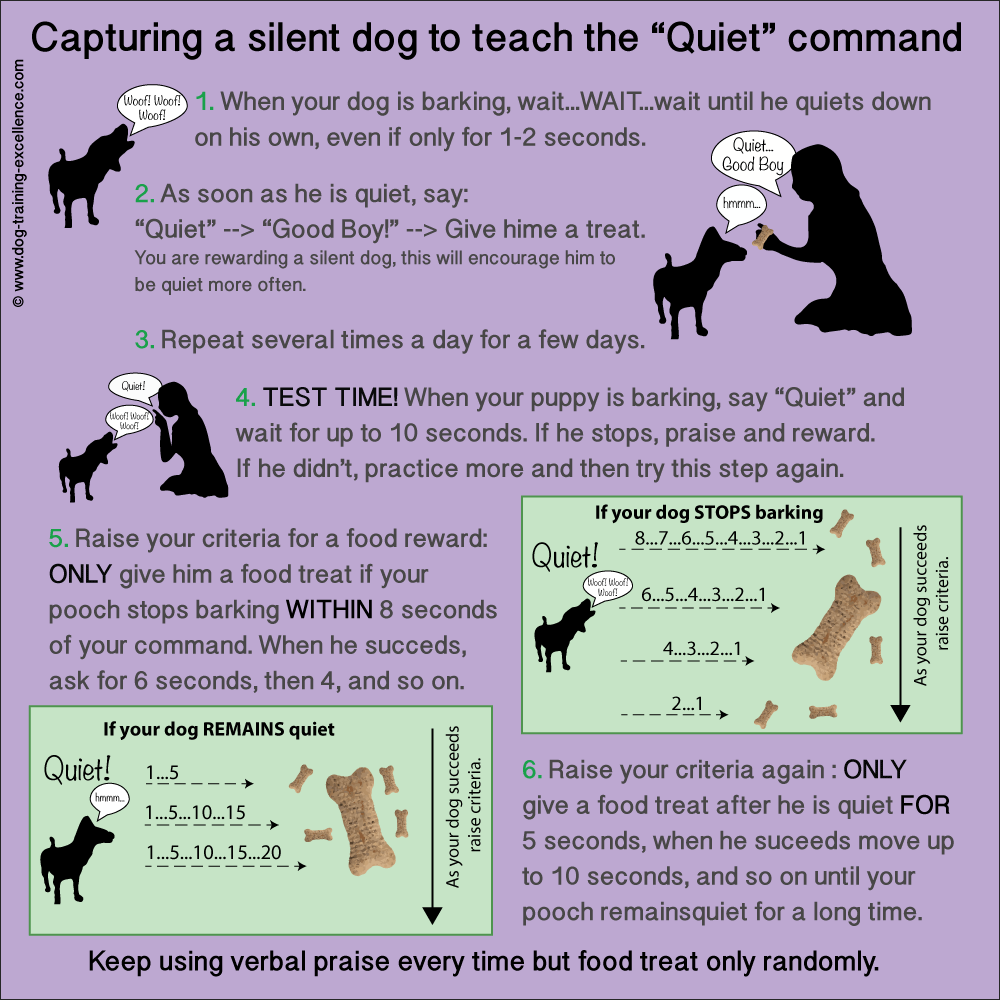
Teach a quiet behavior
Choose a calm cue, such as “quiet,” but do not shout it over barking. Wait for a brief pause, mark the silence, and provide a reward. Gradually increase the length of quiet time.
You can also teach your dog to go to a mat when someone arrives. Practice without real visitors first:
-
Toss a treat onto the mat.
-
Reward your dog for stepping onto it.
-
Add a release word.
-
Practice staying there for a few seconds.
-
Add mild distractions.
-
Later, practice with a calm helper outside the door.
Reward calm observation
Many owners wait for barking before they respond. Instead, reward the moment your dog notices a person and remains calm.
You might say “good” and offer a treat when your dog looks at a stranger without barking. Over time, your dog learns that calm observation brings rewards.
Use high-value treats
Dry kibble may not compete with a stressful stranger. Use small pieces of chicken, turkey, cheese, or another safe food your dog loves. Keep pieces tiny so training can continue without overfeeding.
Food is not a bribe when it changes an emotional response. It is a reward that helps your dog build a new habit.
Teach an alternative response
A dog needs something useful to do instead of barking. Good options include:
• Looking at you
• Touching your hand with the nose
• Walking beside you
• Sitting on a mat
• Turning away from the trigger
• Finding treats scattered on the ground
Practice these skills in quiet places before using them around strangers.
Mistakes that can make barking worse
Understanding why does my dog bark at everyone also means knowing what not to do. Several common responses increase fear, frustration, or arousal.
Avoid these mistakes:
• Yelling, which can sound like you are joining the alarm
• Forcing your dog to greet strangers
• Allowing strangers to reach over your dog’s head
• Using painful equipment without professional guidance
• Waiting until your dog is already lunging
• Punishing growling, which removes an important warning signal
• Giving inconsistent rules from one day to the next
• Taking long, stressful walks instead of short training walks
• Holding the leash tight for the entire walk
A tight leash can increase body tension. Keep control, but create slack when safe and give your dog room to move away.
Do not punish a dog for growling. Growling is communication. If it is punished, some dogs stop warning and move more quickly to snapping or biting.
How long does it take to change barking?
Progress depends on the cause, the dog’s age, health, history, environment, and training consistency. Some dogs show small changes within days. Others need several weeks or months of steady work.
Set practical goals. A successful session may mean your dog notices one person and stays calm for two seconds. That may seem small, but it is real progress.
Keep a simple behavior log:
• What triggered the barking?
• How far away was the person?
• What did your dog’s body look like?
• Could your dog eat?
• How long did recovery take?
• What helped?
A log reveals patterns that are easy to miss. You may discover that barking is worse near the house, after poor sleep, in crowded places, or when your dog has not had enough exercise.
Training should not rely on exhausting a dog. Exercise can help, but an over-tired or overstimulated dog may react more strongly. Add sniffing, food puzzles, rest, and calm play.
When to contact a professional
Seek help if your dog has bitten, attempted to bite, caused injury, or cannot calm down around people. Professional support is also important when barking comes with lunging, snapping, severe fear, or unpredictable behavior.
Start with your veterinarian. A medical check can rule out pain and other conditions. Your veterinarian may refer you to a board-certified veterinary behaviorist or another qualified professional.
Look for a trainer who:
• Uses reward-based methods
• Explains the plan clearly
• Works below your dog’s stress limit
• Does not promise instant results
• Does not use fear, pain, or intimidation
• Has experience with fear, reactivity, and aggression
Ask about credentials, methods, safety plans, and follow-up support. Avoid anyone who says every barking problem has the same cause.
A practical seven-day training plan
This plan is a starting point, not a substitute for professional help in serious cases.
Day one: Find the trigger distance
Observe when your dog notices people without barking. Measure that distance and keep training farther away.
Day two: Pair people with treats
The moment your dog sees a person, give a treat. Stop feeding when the person is gone.
Day three: Add a focus cue
Practice your dog’s name, hand touch, or “look at me” in a quiet place. Then use it at a safe distance from people.
Day four: Practice calm movement
Walk away from mild triggers before barking starts. Reward your dog for following you.
Day five: Train at home
Use a helper outside the home. Reward your dog for looking at the person and returning to the mat.
Day six: Add mild distractions
Practice near a quiet sidewalk or open space. Keep the session short.
Day seven: Review progress
Increase distance if your dog barked often. Make training easier if your dog stopped eating, pulled hard, or took a long time to recover.
Short sessions are often better than one long session. End while your dog is still successful.

Frequently Asked Questions
Why does my dog bark at everyone but not bite?
Barking may be a warning, a fear response, an attempt to gain attention, or an excited greeting. A dog that has not bitten can still feel overwhelmed, so use distance and reward calm behavior rather than testing the dog.
Why does my dog bark at everyone outside the window?
Your dog may be guarding the home or reacting to movement. Block the view, move your dog away from the window, and reward quiet observation before the barking begins.
Why does my dog bark at everyone on walks but act calm at home?
The leash, busy setting, close distance, and lack of escape options can make walks harder. Begin in quiet areas, keep more space from people, and reward your dog for noticing strangers without reacting.
Should I ignore my dog when barking at people?
Ignoring can help when barking is used for attention, but it will not solve fear or territorial behavior by itself. First manage the trigger, then reward calm behavior and teach an alternative response.
Can socialization stop my dog from barking at everyone?
Careful socialization can help your dog feel safer, but forced exposure may increase fear. Use gradual exposure at a comfortable distance and pair people with food, praise, or another positive reward.
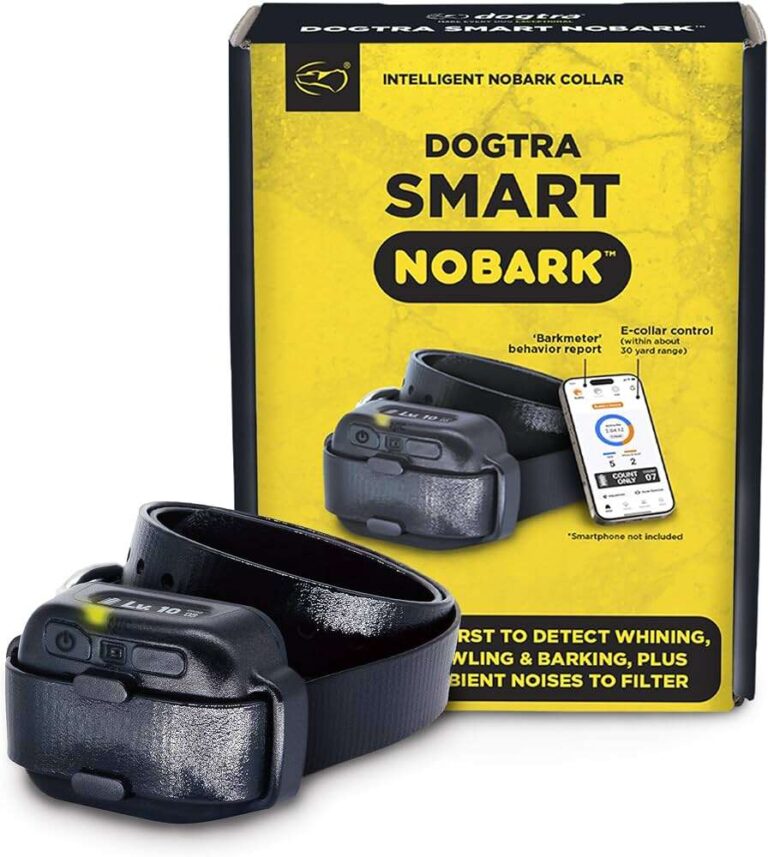
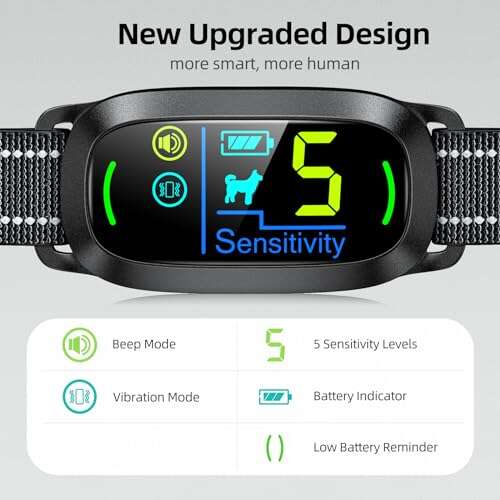
Should I use a bark collar?
Bark collars may suppress noise without changing the reason for barking. They can increase fear or stress, especially in anxious dogs, so reward-based training and veterinary guidance are safer first choices.
Why does my older dog suddenly bark at everyone?
Sudden barking in an older dog may relate to pain, hearing or vision loss, anxiety, or cognitive changes. Schedule a veterinary examination before treating it as a simple training problem.
What should I do if my dog lunges at strangers?
Create distance, turn away, and prevent contact. Do not punish the behavior or allow greetings, and contact a qualified behavior professional for an individualized safety plan.
Conclusion
Why does my dog bark at everyone? Most often, the behavior comes from fear, excitement, territorial concern, frustration, limited social experience, or a learned habit. Your dog’s posture, setting, and recovery time can help reveal the cause.
Start with management, safe distance, calm rewards, and a clear alternative behavior. Avoid yelling and forced greetings, and contact a veterinarian when barking is sudden, severe, or linked with possible pain. With patience and consistent practice, many dogs can learn that seeing people does not require an alarm.
Try one small training session today, track your dog’s progress, and explore professional support if you feel stuck.

Pet Care Writer & Researcher
Daniel writes practical guides on daily care, feeding, and safety, turning complex topics into simple, actionable advice.

One Comment