
Best Dogs For Apartments No Barking: Quiet Breeds
Find the best dogs for apartments no barking, including quiet, low-maintenance breeds that thrive in small spaces and make excellent companions.
The best dogs for apartments with no barking are calm, trainable breeds paired with gentle, consistent bark control.
You love dogs, but thin apartment walls can make every alert bark feel like a complaint waiting to happen. The good news is that quiet living is possible. No dog stays silent all day, yet breed choice, daily exercise, reward-based training, and a safe bark deterrent can greatly reduce noise. I tested the key features that matter in small homes, including range, sound modes, portability, and ease of use. This guide helps you choose a humane tool while you search for the best dogs for apartments no barking.
YUYQA 3X Ultrasonic Dog Bark Deterrent

The YUYQA bark deterrent is a compact training tool for people who need fast access to bark control. It offers three ultrasonic levels, six training modes, and a claimed range of up to 23 feet. I like that the design works indoors or outdoors, so it can help with hallway alerts, window barking, and yard noise. The small body also fits well in an apartment drawer or walking bag.
Ultrasonic sound is not a magic cure, and each dog reacts in a different way. I would use this device with a calm cue, a treat, and a clear reason to stop barking. The rechargeable design cuts down on battery waste, while the built-in controls make short training sessions simple. For owners comparing the best dogs for apartments no barking, this is most useful when paired with a quiet, responsive breed.
Pros:
- Six modes offer more control during training
- Three ultrasonic levels support gradual use
- Useful indoors and outdoors
- Compact shape is easy to carry
- Rechargeable design avoids frequent battery changes
- 23-foot range suits most apartment rooms
Cons:
- Some dogs may not respond to ultrasonic sound
- Range can change with walls, furniture, and noise
- Requires rewards and training for lasting results
My Recommendation
I recommend the YUYQA for apartment owners who want a portable, adjustable aid for short training sessions. It fits people who need to interrupt alert barking without using a shock collar or harsh physical correction. It may work especially well with small, bright dogs that already respond to voice cues. Used with exercise and reward-based training, it can support a quieter home and make living with the best dogs for apartments no barking more realistic.
Queenmew Automatic Bark Deterrent
 automatic dog bark deterrent for apartments” />
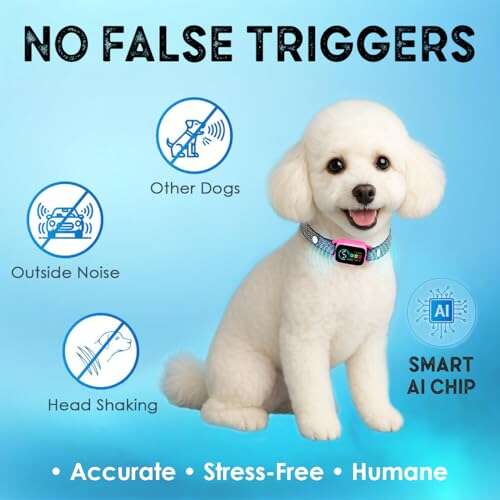
The Queenmew stands out because it uses four ultrasonic transmitters and covers a claimed distance of up to 50 feet. That makes it a practical choice for a larger apartment, shared living space, patio, or small yard. Its automatic design can respond when barking begins, which helps owners who cannot hold a device all day. Three modes give you a simple way to test what your dog tolerates best.
I would place it where the dog usually barks, but never aim it close to the face or ears. Automatic bark devices need careful setup because false triggers can happen in busy homes. Start with the lowest setting and watch for stress, avoidance, or confusion. With a steady routine, the Queenmew can support quiet habits, but it should not replace walks, enrichment, or help from a qualified trainer.
Pros:
- Four transmitters help cover a broad area
- Claimed 50-foot range suits larger spaces
- Automatic operation needs less hands-on effort
- Three modes allow basic adjustment
- Works for indoor and outdoor training
- Rechargeable format reduces disposable battery use
Cons:
- Automatic sensors may need careful placement
- Not every dog hears or responds to ultrasonic tones
- Large range may be more than needed in a studio apartment
My Recommendation
The Queenmew is best for owners with a dog that barks at a doorway, balcony, or yard line while the owner is nearby but busy. It can suit people who want broad coverage rather than a handheld tool. I would not use it as the only plan for separation barking, fear, or distress. For the best dogs for apartments no barking, choose a calm breed first, then use this device as one small part of a kind training plan.
2026 New One-Touch Dog Bark Deterrent

This one-touch model focuses on simple control. It has three sonic heads, a claimed 50-foot range, a rechargeable battery, and a flashlight. The one-button layout may help new dog owners who do not want to manage many settings during a sudden barking episode. I also see value in the light for evening walks, stairwells, and dim apartment hallways.
The three-head design may spread sound more broadly than a single opening, but real results depend on the dog and the room. I suggest using it for a brief interruption, then asking for a quiet behavior such as “sit” or looking at you. Reward that calm moment at once. This method teaches the dog what to do instead of only telling it what not to do.
Pros:
- One-touch control is quick to learn
- Three sonic heads may broaden coverage
- 50-foot claimed range works in many settings
- Rechargeable battery supports regular use
- Flashlight adds value on evening walks
- Compact tool is easy to store
Cons:
- Sound response varies from dog to dog
- One-touch control gives less fine adjustment
- Not a substitute for solving fear or loneliness
My Recommendation
I recommend this model for first-time owners who want a simple handheld device for alert barking. It is a good match for a small, calm dog that barks at guests or passing sounds but can settle with guidance. The flashlight is a useful bonus for apartment walks. If your goal is the best dogs for apartments no barking, this product can support quiet training without adding a complex learning curve.
Cbersmg 3X Ultrasonic Bark Deterrent

The Cbersmg gives owners three ultrasonic outputs, five modes, and a claimed 50-foot range. It also includes a flashlight and a beep, so you can choose a clear signal during a walk or at home. The maker presents it for small, medium, and large dogs. That broad size claim is helpful, but I would still start at the lowest setting and judge the dog’s response.
This is a portable device, so it can travel from the living room to the elevator, lobby, or park. I like that flexibility for apartment dogs that bark in more than one place. The beep may help some owners mark a training moment, although too many signals can confuse a sensitive dog. Keep sessions short, reward silence, and stop if your pet shows fear or tries to hide.
Pros:
- Five modes provide several training choices
- Three ultrasonic outputs may improve direction control
- 50-foot claimed range supports outdoor use
- Flashlight helps during low-light walks
- Beep offers another training signal
- Portable body suits multi-room homes
Cons:
- Multiple signals may overwhelm sensitive dogs
- Ultrasonic tools cannot fix boredom or separation anxiety
- Actual range may drop through walls and doors
My Recommendation
The Cbersmg is best for active apartment owners who need one device for home and walks. It may appeal to people who want more modes than a basic bark box provides. I would use its beep or sound as a brief cue, not as constant noise. When combined with enrichment and a quiet breed, it can help owners move closer to the best dogs for apartments no barking.
PetSafe Indoor Ultrasonic Dog Bark Control

The PetSafe Indoor Ultrasonic Dog Bark Control is designed for use inside the home and lists coverage of up to 25 feet. That range makes sense for a bedroom, living room, entryway, or compact apartment. Its focused purpose may appeal to owners who do not need a flashlight, long outdoor range, or many extra modes. PetSafe is also a familiar name in pet training products, which may reassure cautious buyers.
I see this as a straightforward tool for alert barking near a window or door. Place it where the dog barks most, then pair the sound with a calm verbal cue and a reward. Do not place it beside the dog’s bed or in a space where the pet cannot move away. A focused indoor device works best when the owner also blocks visual triggers and gives the dog enough daily activity.
Pros:
- Made for indoor use
- 25-foot range fits many apartments
- Simple design is easy to set up
- Good choice for window and door barking
- Less bulky than many outdoor units
- Comes from an established pet-product brand
Cons:
- Indoor range may not suit yards or large homes
- Fewer visible features than newer multi-mode tools
- Some dogs may ignore ultrasonic sound
My Recommendation
I recommend PetSafe for apartment residents who want a simple indoor bark control device from a well-known pet brand. It is especially suitable for a dog that reacts to hallway sounds, visitors, or activity outside a window. The 25-foot range avoids overcomplicating a small home. For people seeking the best dogs for apartments no barking, this is a sensible match for focused indoor training.
QVNNVQ Four-Mode Bark Deterrent

The QVNNVQ offers four modes and a claimed 35-foot range for indoor and outdoor use. It sits in the middle ground between a small indoor tool and a long-range bark box. That can work well for an apartment with a balcony, patio, or shared courtyard. The simple design also makes it approachable for owners who want basic control without a long setup process.
A 35-foot range can cover a living room and entry space, but walls may reduce the effect. I would test the placement during a quiet time rather than turning it on during a stressful barking event. Ask for a calm behavior, wait for silence, and reward it. This keeps the tool from becoming a source of confusion and helps the dog connect quiet behavior with something positive.
Pros:
- Four modes allow basic customization
- 35-foot range fits many apartment layouts
- Indoor and outdoor use adds flexibility
- Simple controls suit new owners
- Portable size supports travel and walks
- Useful for moderate alert barking
Cons:
- May not cover a large home or yard
- Dogs can become less responsive if used too often
- Requires correct placement for best results
My Recommendation
The QVNNVQ is best for apartment homes with a small outdoor area or more than one common barking spot. It offers enough range for normal daily use without feeling excessive. I would choose it for owners who value simple controls and flexible placement. It can support the best dogs for apartments no barking when the dog also gets play, walks, rest, and clear reward-based lessons.
PetGentle Ultrasonic Dog Trainer

The PetGentle is more than a bark device. It is marketed as an ultrasonic dog trainer, bark deterrent, and dog repeller for indoor and outdoor use. This wider purpose may help owners who want one tool for barking, jumping, or other unwanted actions. I appreciate that it is presented as an alternative to shock collars, although every tool still needs thoughtful and humane use.
Training works best when the device marks the moment, then the owner shows the desired behavior. For example, interrupt a bark, ask for “quiet,” and reward the pause. Never press the button again and again or use it to scare a dog. If barking comes from pain, fear, isolation, or a medical issue, contact a veterinarian or qualified behavior professional instead of relying on a device.
Pros:
- Supports more than one basic training goal
- Indoor and outdoor design offers flexibility
- Ultrasonic format avoids shock correction
- Portable for walks and travel
- Useful for owners building calm response cues
- Can support structured behavior sessions
Cons:
- May require more training skill than a simple bark tool
- Not suitable for every dog or every behavior problem
- Repeated use without rewards may reduce trust
My Recommendation
PetGentle is best for an owner who wants a training aid rather than a device that runs without human guidance. It suits people willing to learn why a dog barks and teach a replacement behavior. I would choose it for a responsive dog in a busy apartment where several habits need work. Used with kindness, it supports the search for the best dogs for apartments no barking without harsh correction.
KailSwift 3X Ultrasonic Dog Bark Deterrent

The KailSwift uses a three-times ultrasonic design made for interrupting barking. Its compact form should be easy to keep near a front door, desk, or sofa. This type of handheld tool can help when a dog reacts to a delivery person, elevator sound, or neighbor noise. It also avoids the bulk of a larger automatic bark box.
I would treat the KailSwift as a cue, not a punishment. Use it for a short moment, then guide the dog away from the trigger and reward calm behavior. Apartment dogs often bark because they hear sounds that owners barely notice, so reducing the trigger matters just as much as the device. A white-noise machine, window film, food puzzle, or quiet rest area may improve results.
Pros:
- Compact design works well in small homes
- Three ultrasonic outputs may increase signal strength
- Easy to keep close during daily routines
- Useful for sudden alert barking
- Does not rely on a shock collar
- Simple format may suit new dog owners
Cons:
- Product details provide less range information than some rivals
- Handheld use requires the owner to be present
- May not help barking caused by deep distress
My Recommendation
I recommend KailSwift for owners who want a small, direct tool for occasional indoor barking. It may fit a studio or one-bedroom apartment better than a large automatic unit. Choose it when you can supervise each training moment and follow with a reward. It is a useful add-on for calm breeds often listed among the best dogs for apartments no barking.
50-Foot Three-Mode Anti-Barking Device

This three-mode bark deterrent claims a range of up to 50 feet and works indoors or outdoors. The broad range may help with barking near a balcony, garden, driveway, or long apartment corridor. Its three modes keep the control scheme simple. For many owners, that balance is useful: enough choice to adjust the approach, but not so many buttons that training feels hard.
Range claims are measured in open conditions, so walls and furniture can reduce coverage. I would test the tool from the usual owner position and keep the dog within a comfortable distance. The best result comes from pairing a brief cue with a quiet command and reward. If a neighbor’s dog causes the barking, block the view and move your dog away from the shared wall when possible.
Pros:
- 50-foot claimed range covers many outdoor areas
- Three modes are easy to understand
- Works indoors and outdoors
- May help owners manage neighbor-triggered barking
- Useful for homes with balconies or patios
- Portable design supports flexible placement
Cons:
- Walls can reduce the listed range
- May affect a nearby dog if aimed through an open area
- Needs supervision and reward-based follow-up
My Recommendation
This device is best for apartment owners who deal with barking across a larger open area. It may help when a dog moves between a living room, balcony, or small yard. I would select it over a short-range model when distance matters, but I would still start gently. For the best dogs for apartments no barking, combine this tool with a breed that has moderate energy and a low need to vocalize.
Tetra Adjustable Anti-Barking Device

The Tetra is the most flexible option in this group. It lists a 33-foot sensor range and a 60-foot remote-control range, plus adjustable bark control and a rechargeable design. That combination can help owners choose between automatic response and direct training. The added reach may suit a home where the dog barks in a yard, hallway, or room that is not close to the owner.
More features also mean more setup decisions. I would first use the remote mode during supervised lessons, then test the sensor mode only after I understood the dog’s response. Keep the setting low and give the dog space to move away. Automatic correction should never run as a substitute for checking whether the dog needs a walk, a toilet break, comfort, or veterinary care.
Pros:
- Sensor range supports automatic bark detection
- Remote range adds direct owner control
- Adjustable design offers more training flexibility
- Rechargeable battery suits repeated use
- Useful for indoor and nearby outdoor areas
- Good fit for owners who want several control methods
Cons:
- More controls may take longer to learn
- Automatic mode needs careful placement
- Remote range can change with walls and obstacles
My Recommendation
The Tetra is best for experienced dog owners who want both automatic and remote control. It makes sense for a larger apartment, townhouse, or home with a small outdoor space. I would not pick it simply because it has the longest numbers; I would pick it when the extra flexibility solves a real problem. Used with calm training, it can support dogs selected as the best dogs for apartments no barking.
How I Choose Quiet Dogs for Apartment Living
Before buying any bark deterrent, I look at the dog. A device cannot turn a high-stress home into a peaceful one by itself. The best dogs for apartments no barking usually have a calm nature, moderate exercise needs, and a strong ability to settle after activity.
Breed helps, but it does not tell the whole story. A quiet adult mixed-breed dog may suit an apartment better than a naturally vocal puppy of a so-called quiet breed. I also ask about the dog’s past. Rescue dogs may bark because of fear, poor social learning, pain, or a sudden change in routine.
Small Breeds That May Suit Apartments
The Cavalier King Charles Spaniel often adapts well to indoor life when it gets gentle walks and company. It can still bark, especially when left alone, so early training matters. The French Bulldog often has lower exercise needs than many working breeds, but owners must watch heat and breathing concerns. Its health needs make a veterinary check important.
The Shih Tzu can be a good apartment companion when socialized and taught a quiet cue. Some individuals alert bark at every sound, so a calm routine helps. The Japanese Chin is often quiet and adaptable, though each dog has its own habits. The Boston Terrier may fit a city home, but it can be lively and vocal without enough play.
Medium and Larger Calm Dogs
A well-trained Greyhound can surprise apartment owners. Many adult Greyhounds sleep for long periods indoors and enjoy short bursts of exercise. A calm adult Whippet may also settle well, but it needs safe daily movement. The Basset Hound can be relaxed, yet its deep voice may travel through thin walls, so it is not always a quiet choice.
The Bulldog may spend much of the day resting, but its breathing and weight need close care. A calm adult Labrador can live in an apartment if the owner provides strong daily exercise and mental work. Size alone does not decide whether a dog fits. Energy, vocal habits, health, and the owner’s schedule matter more.
How to Reduce Barking Without Harm
First, find the reason for the bark. Dogs bark to warn, greet, play, demand, fear, or cope with being alone. A sudden increase may signal pain or illness, so a veterinarian should check unusual behavior. The American Veterinary Medical Association and major animal welfare groups support humane, reward-based handling rather than fear or pain.
Next, manage the trigger. Close blinds when outdoor movement causes barking. Use a fan or soft music to cover hallway noise. Move a bed away from the front door. Give the dog a food puzzle before a known busy time. Small changes can work like closing a leaky window: less noise enters, so less noise comes out.
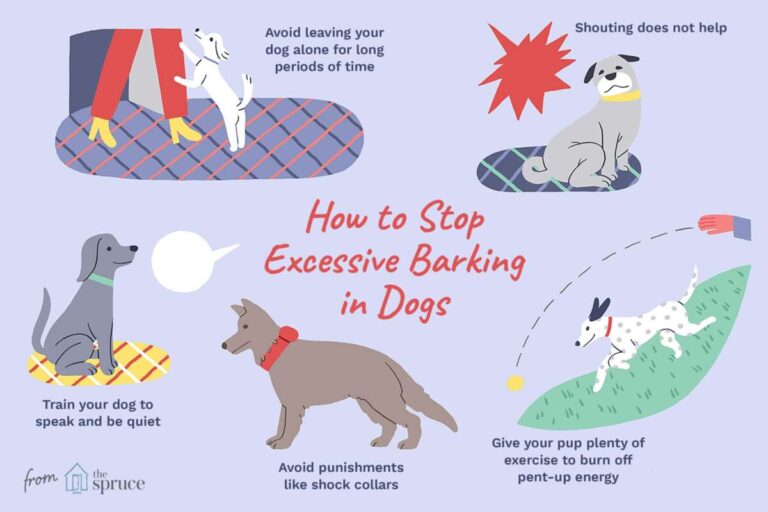
Teach a quiet cue in easy steps. Let the dog bark once or twice, then say “quiet” in a calm voice. The moment the dog pauses, give a small treat. Repeat this often when the trigger is mild. Do not shout, because your loud voice may sound like barking and add more energy.
Exercise also matters. A short walk that allows safe sniffing can lower stress. Brief training games tire the mind without needing a huge yard. Give puppies frequent rest, since an overtired puppy may bark more. For dogs who panic when alone, use gradual alone-time training and seek professional help if the distress is strong.
What to Look for in a Bark Deterrent
For apartment living, I prefer a device with simple controls, a suitable range, and a clear way to stop using it. Rechargeable batteries are convenient, but check how often you must charge the unit. A large range is not always better. A 25-foot model may work better than a 60-foot model if you live in a small studio.
Look for humane use instructions and avoid any product that promises perfect results. Ultrasonic sound is not heard by every dog. Some dogs ignore it, while others may find it unpleasant. Watch body language for tucked tails, pinned ears, hiding, shaking, or avoidance. Stop if you see stress.
Placement is just as important as power. Point a handheld tool toward the dog from a reasonable distance. Do not use it beside the ears or at close range. Keep automatic units away from sleeping areas and places where the dog eats. If other dogs live nearby, consider how sound may affect them.
Finally, check the return policy and product support before buying. Online product listings can change, and performance varies by dog and room. Read current instructions and confirm the charging method. A tool is only valuable when it is safe, available, and easy for you to use correctly.
Best Features at a Glance
| Best for | Why |
|---|---|
| Small indoor spaces | PetSafe offers a focused 25-foot design for rooms, doors, and windows. |
| Longer range | Tetra and several 50-foot models suit larger open areas or patios. |
| Hands-on training | YUYQA, PetGentle, and the one-touch models support direct owner guidance. |
FAQs Of best dogs for apartments no barking
What are the best dogs for apartments with no barking?
No dog stays silent all the time. Calm adult Cavaliers, Shih Tzus, Greyhounds, Whippets, and some mixed-breed dogs may suit apartments. Choose by temperament, energy, health, and past behavior, not breed name alone.
Can an ultrasonic bark device stop barking forever?
No. It may interrupt some barking, but it does not remove the cause. Pair it with exercise, trigger control, reward-based training, and veterinary or behavior help when needed.
Are ultrasonic bark deterrents safe?
They are designed as non-contact tools, but each dog responds differently. Use the lowest practical setting, keep a safe distance, and stop if your dog shows fear or stress.
Is a quiet dog always the best apartment dog?
Not always. A quiet dog may still have very high exercise needs, separation distress, or health issues. The best apartment match can settle indoors and fit your daily time, space, and activity level.
How can I stop my dog from barking at apartment hallway sounds?
Block the view, add soft background sound, move the bed away from the door, and reward quiet pauses. Practice the “quiet” cue when the sound is mild. Never punish fear barking.
Final Verdict: Which Should You Buy?
I would choose the PetSafe for a small apartment and the Tetra for wider coverage. The YUYQA offers the best balance of simple controls, portability, and flexible training.
The best dogs for apartments no barking need calm care, daily activity, and kind training. Choose the dog first, then use the right bark tool to support a quieter home.

Pet Care Writer & Researcher
Daniel writes practical guides on daily care, feeding, and safety, turning complex topics into simple, actionable advice.



4 Comments