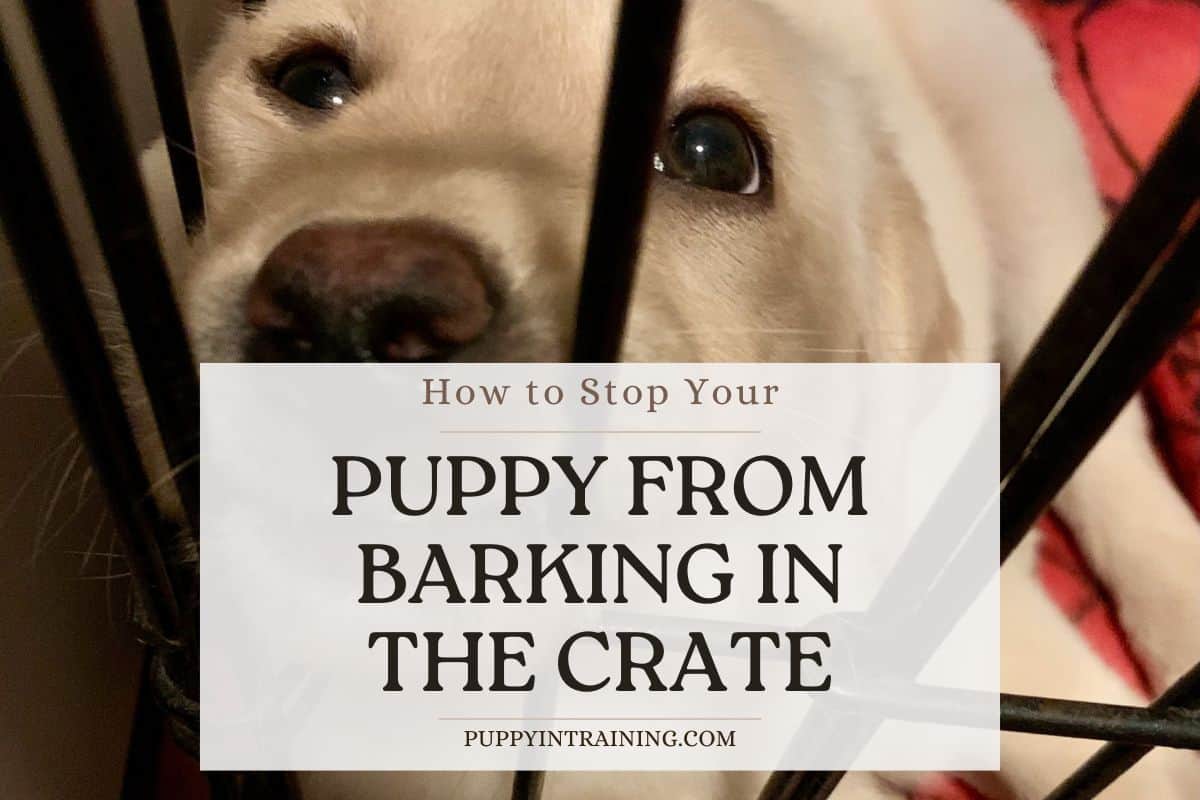
How To Stop A Puppy From Barking In Crate: Calmly
Learn how to stop a puppy from barking in crate with gentle, effective training tips that build comfort, confidence, and peaceful nights.
Stop crate barking by meeting your puppy’s needs, building calm crate skills, and rewarding quiet behavior step by step.
Learning how to stop a puppy from barking in crate takes patience and a clear plan. Most puppies bark because they feel alone, need to potty, feel trapped, or have not yet learned that the crate is safe. This guide explains what to do, what to avoid, and when barking may signal a deeper problem.
Why Puppies Bark in the Crate
Puppy barking in a crate is a form of communication. It does not always mean your puppy is being stubborn or trying to control you. Your puppy may be scared, lonely, bored, tired, or in need of a bathroom break.
The crate is also a new space. A young puppy has just left its mother and littermates. Being alone behind a crate door can feel like a sudden change from a busy, warm nest.
Common reasons for crate barking include:
• Your puppy needs to pee or poop.
• Your puppy has too much unused energy.
• The crate is linked with punishment or isolation.
• Your puppy is hungry, thirsty, hot, or uncomfortable.
• The crate is too large, too small, or poorly placed.
• Your puppy has learned that barking brings attention.
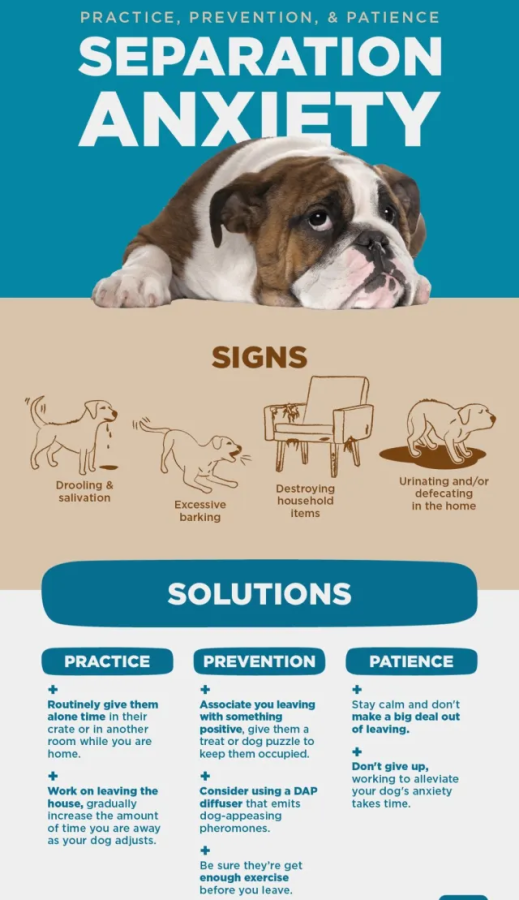
• Your puppy is experiencing fear or separation distress.
The first step in learning how to stop a puppy from barking in crate is finding the cause. You cannot solve a bathroom problem with training alone. You also cannot fix true panic by simply waiting longer.
Check Your Puppy’s Basic Needs First
Before you respond to barking, check the simple things. A puppy with a full bladder, an empty stomach, or too much energy will struggle to settle.
Most puppies need frequent bathroom trips. A common starting guide is that a puppy may hold urine for about one hour for each month of age, but this is only an estimate. Small breeds, active puppies, and puppies who have just had water may need to go sooner.
Use this checklist before crate time:
• Take your puppy outside for a calm potty break.
• Give your puppy a short walk or gentle play session.
• Offer water, but avoid letting your puppy gulp a large amount right before bed.
• Check that the crate has safe bedding and good airflow.
• Remove collars, harnesses, and loose items that could catch on the crate.
• Make sure the room is not too hot, cold, bright, or noisy.
• Give your puppy a safe chew approved for the puppy’s size and age.
Avoid exhausting your puppy with wild play right before crating. Overstimulation can make a puppy act like an overtired toddler. A short sniff walk, gentle training, and quiet time often work better.
When I have seen owners struggle with crate barking, the missing piece was often a routine. The puppy went into the crate at random times, after random activities, with no clear chance to settle. A predictable pattern made the crate feel much less confusing.
Make the Crate Feel Safe
A crate should be a safe resting place, not a time-out box. Your puppy should learn that the crate predicts comfort, food, sleep, and calm.
Place the crate in a quiet area where your puppy can still sense your presence. At night, many young puppies settle better when the crate is near your bed. This lets you hear signs that your puppy needs to go outside and can reduce the fear of being alone.
During the day, you can slowly move the crate farther away. Do this only when your puppy rests calmly in its current spot.
Try these crate games:
-
Toss a treat near the crate and let your puppy get it.
-
Toss a treat just inside the crate.
-
Reward your puppy for placing one paw inside.
-
Reward your puppy for walking all the way in.
-
Feed meals beside the crate, then just inside it.
-
Close the door for one second, then open it before barking starts.
-
Slowly add time while your puppy stays relaxed.
Never force your puppy into the crate. Do not drag, push, or slam the door. A forced introduction can create fear and make it harder to stop a puppy from barking in crate later.

Teach Quiet Crate Time Gradually
The most reliable answer to how to stop a puppy from barking in crate is gradual practice. Start with time your puppy can handle. If your puppy barks after 30 seconds, begin with five or ten seconds.
Reward calm behavior before barking begins. Give a small treat through the bars, then calmly walk away. Return while your puppy is still quiet. This teaches your puppy that calm behavior keeps you nearby and earns good things.
Increase crate time in small steps:
• Five seconds with the door closed
• Ten seconds while you sit nearby
• Thirty seconds while you stand up
• One minute while you take a few steps away
• Several minutes while you move around the room
• Short periods when you leave the room
If your puppy barks, whines, or scratches, the step may be too hard. Reduce the time and try again. Training should feel like climbing a gentle staircase, not jumping over a wall.
Do not rush because one good session went well. Puppies often have uneven progress. A puppy may rest for ten minutes one day and bark after two minutes the next. This does not mean training failed.

Respond to Barking Without Reinforcing It
Many owners accidentally teach crate barking by opening the door at the loudest moment. From the puppy’s point of view, barking worked. The door opened, the person appeared, or play began.
If you know your puppy does not need a bathroom break and is not in distress, wait for a brief pause. One second of quiet is enough at first. Then calmly reward the pause or release your puppy.
Keep your response boring and calm. Avoid shouting, arguing, tapping the crate, or repeating “quiet” again and again. To a puppy, even angry attention can feel rewarding.
Use this simple pattern:
-
Wait for a short quiet pause.
-
Say a calm marker such as “yes.”
-
Offer a treat or open the door if the session is complete.
-
Move slowly and avoid exciting greetings.