Why Do Dogs Bark Through Fences: Causes & Solutions
Why do dogs bark through fences? Learn the common causes and practical ways to reduce fence barking and help your dog stay calm.
Dogs bark through fences because barriers trigger territorial, fearful, frustrated, or highly excited reactions.
Understanding why dogs bark through fences helps you respond with patience instead of punishment. This behavior is common, but it is not always simple “bad behavior.” A dog may be guarding the yard, reacting to a passing dog, feeling trapped, or enjoying the excitement of the chase. With the right plan, you can lower the noise, improve safety, and teach calmer habits.

Why do dogs bark through fences?
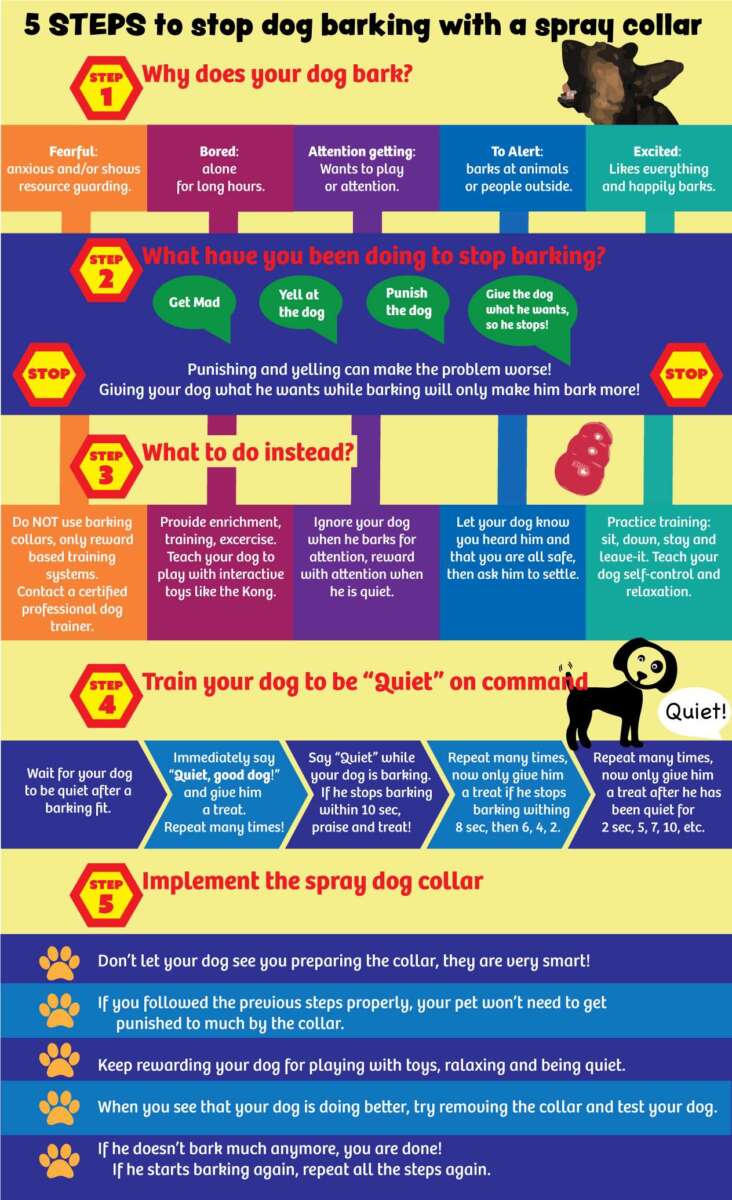
Dogs bark through fences for many reasons, and more than one cause may be present at once. The fence changes how a dog sees and responds to the world. It blocks movement, limits access, and can make a passing person or animal seem more important.
The most common reasons include:
• Territorial behavior: Your dog sees the yard as part of its home area and tries to warn others away.
• Barrier frustration: Your dog wants to greet, chase, or investigate something but cannot reach it.
• Fear or worry: The fence may feel like a safety line. Barking helps create distance from a person, dog, bicycle, or vehicle.
• Social excitement: Some dogs bark because they are eager to play or greet.
• Predatory interest: Fast movement, such as a squirrel or jogger, may trigger chasing and barking.
• Learned behavior: If barking makes a person leave, the dog may learn that barking works.
• Boredom: A dog with too little exercise or mental activity may use the fence as entertainment.
This is why two dogs can bark at the same fence for very different reasons. One dog may be afraid, while another may be excited. The sound alone does not tell you the full story.

The role of territorial behavior
Territorial barking is one of the clearest answers to why do dogs bark through fences. Dogs often treat the yard as an extension of their home. When someone walks past, the dog may believe that an intruder has entered its space.
The fence can make this feeling stronger. Your dog may patrol the boundary, stare through gaps, and rush toward movement. It may bark until the person or animal disappears. To the dog, this can look like a successful defense.
However, the person usually leaves because they were already walking away. The dog does not understand that. It may think, “I barked, and the threat left.” This reward can make the habit stronger over time.
Territorial barking often includes:
• A stiff body
• A high tail or tight tail wag
• Forward weight
• Direct staring
• Repeated movement along the fence
• A deep, sharp, or steady bark
Do not assume that a dog showing territorial behavior is confident. Many dogs bark loudly because they feel unsure. A fence can give them courage while also preventing them from moving away.

Barrier frustration and fence aggression
Barrier frustration happens when a dog cannot reach something it wants. The dog may want to greet another dog, chase a cat, or investigate a stranger. The fence blocks access, so the dog becomes tense and vocal.
This helps explain why do dogs bark through fences even when they seem friendly in other settings. A dog that plays well at a dog park may still bark, lunge, or snap at a dog on the other side of a fence.
The barrier creates conflict. Your dog may feel both excited and frustrated. Its body wants to move closer, but the fence stops it. This emotional pressure can produce barking, jumping, pawing, and biting at the fence.
Barrier frustration is not the same as true aggression. Still, the behavior can become risky. A frustrated dog may redirect its bite toward another dog, a person, or even a family member who grabs its collar.
Watch for warning signs such as:
• Lunging into the fence
• Pacing back and forth
• Whining mixed with barking
• Jumping repeatedly
• Growling when a person approaches
• Inability to respond to its name
When a dog is this aroused, teaching is difficult. The first step is to create more distance and reduce visual access.

Fear, anxiety, and defensive barking
Some dogs bark through fences because they are afraid. A passing stranger, loud truck, or unfamiliar dog may feel dangerous. Barking is often an attempt to make the scary thing go away.
Fear-based barking may look aggressive, but the goal is often escape. The dog may lean back, lower its body, tuck its tail, pin its ears, or show the whites of its eyes. It may bark while trying to hide behind a person or fence post.
A dog can also develop fence-related anxiety after a frightening event. For example, another dog may have charged the fence, or a person may have teased the dog. One bad event can create a strong link between the fence and danger.
Punishment can make fear worse. Yelling, shock collars, or leash corrections may add pain to an already stressful situation. The dog may then associate the passing person or animal with both fear and punishment.
A safer approach is to:
• Increase distance from the trigger
• Block part of the dog’s view
• Reward calm behavior
• Avoid forcing greetings
• Work with a qualified positive-reinforcement trainer
If your dog has bitten, escaped, or caused injury, ask your veterinarian for a behavior referral.

Why do dogs bark through fences at other dogs?
Dogs often bark through fences at other dogs because the fence creates excitement, frustration, uncertainty, or territorial concern. The other dog may be close enough to see and smell but too far away to greet normally.
Body language gives useful clues. A loose body, curved movement, and relaxed tail may suggest social excitement. A rigid body, hard stare, raised hackles, and deep growl may suggest fear or conflict.
Some dogs also react to the other dog’s behavior. If one dog barks, the second dog may bark back. Soon, both dogs are in a cycle. Each dog hears the other as proof that something is wrong.
Fence-line arguments can become intense quickly. Even if neither dog shows aggression away from the fence, repeated practice can build a strong habit. It is best to interrupt the cycle early.
You can help by:
• Calling your dog inside before the other dog reaches the fence
• Using a visual barrier
• Moving your dog to a quiet part of the yard
• Rewarding your dog for looking at you