A Dog Bed That Can’t Be Chewed Up: Chew-Proof Picks
Find a dog bed that can’t be chewed up with durable, comfortable options designed for aggressive chewers and long-lasting comfort.
A durable dog bed made with ballistic fabric, metal frames, and hidden seams can resist even strong chewers.
Finding a dog bed that can't be chewed up is not about picking the thickest cushion. It means matching the bed’s materials, design, and safety features to your dog’s chewing habits. This guide explains what works, what often fails, and how to choose a bed that lasts.
What Is a Dog Bed That Can't Be Chewed Up?
A dog bed that can't be chewed up is built to resist tearing, shredding, and bite damage. However, no soft dog bed is truly indestructible. A determined dog may damage almost any fabric, so “chew-proof” usually means highly resistant rather than impossible to destroy.
The strongest choices often include:
• Ballistic nylon or ripstop fabric that resists tearing
• Elevated cot-style frames with tightly stretched mesh
• Powder-coated steel or aluminum frames
• Welded seams instead of loose stitching
• Hidden zippers and protected edges
• Minimal stuffing that cannot be pulled out
A dog bed that can't be chewed up should also be safe. Loose threads, foam pieces, and broken plastic can cause choking or bowel problems. Always inspect the bed often, especially during the first few weeks.

Why Dogs Chew Their Beds
Chewing is normal dog behavior, but the reason behind it can vary. Puppies may chew because their gums hurt during teething. Adult dogs may chew from boredom, stress, hunger, or a lack of exercise.
Some dogs also chew beds because the fabric smells like their family. That familiar scent can be comforting, but it may also make the bed more interesting. If your dog chews only when left alone, separation-related stress may be part of the problem.
Common causes include:
• Teething and sore gums
• Excess energy
• Boredom
• Anxiety or stress
• Attention-seeking behavior
• Natural chewing instincts
• Lack of suitable chew toys
A dog bed that can't be chewed up helps, but it does not solve the cause. Think of the bed as a seat belt, not a driving lesson. It can reduce damage, while training and enrichment improve the behavior.
Give your dog safe chew toys, daily walks, short training sessions, and puzzle feeders. If chewing starts suddenly or becomes extreme, speak with a veterinarian or a qualified behavior professional.
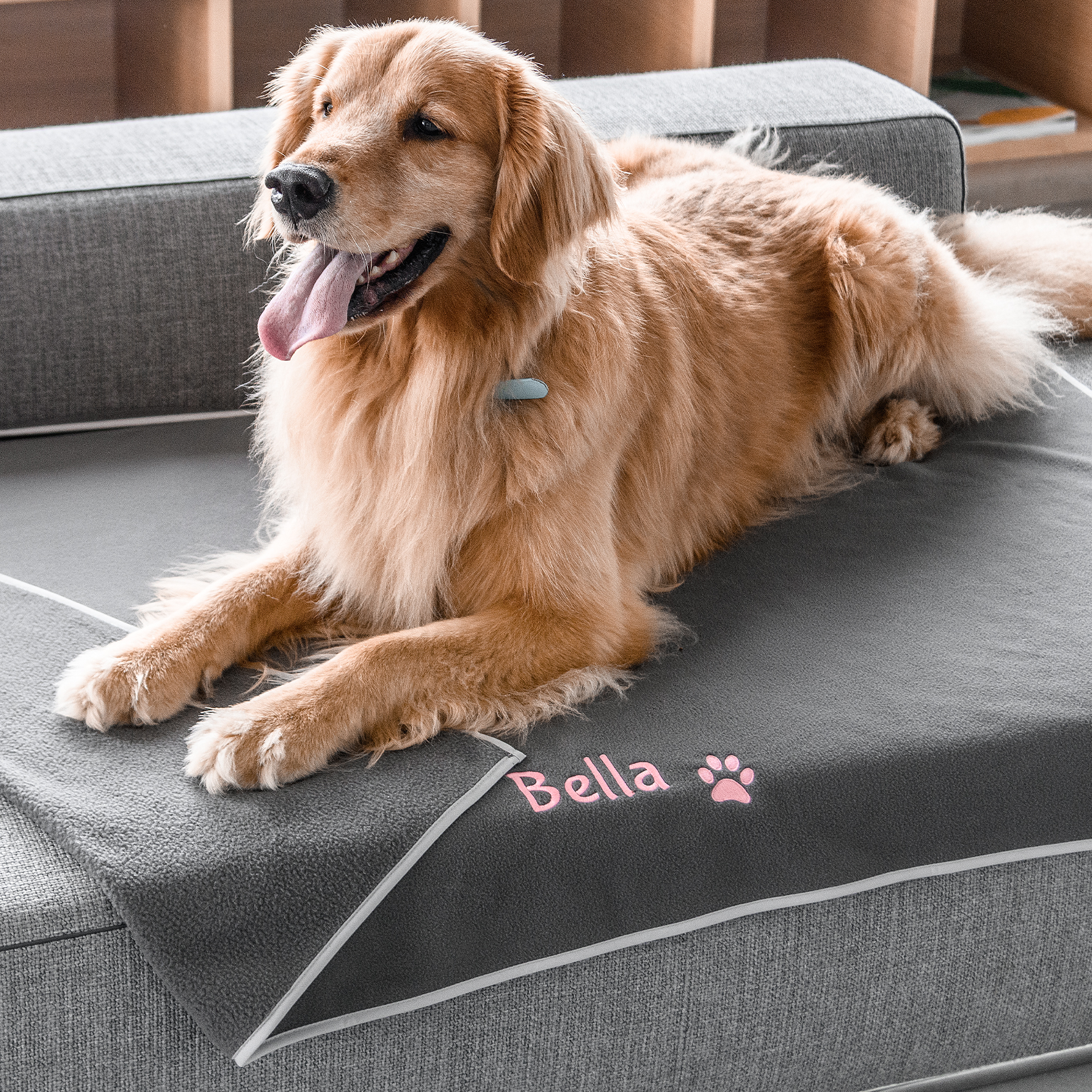
Best Types of Chew-Resistant Dog Beds
Different bed styles suit different dogs. The right choice depends on your dog’s size, sleep style, chewing strength, and indoor or outdoor use.
Elevated cot-style beds
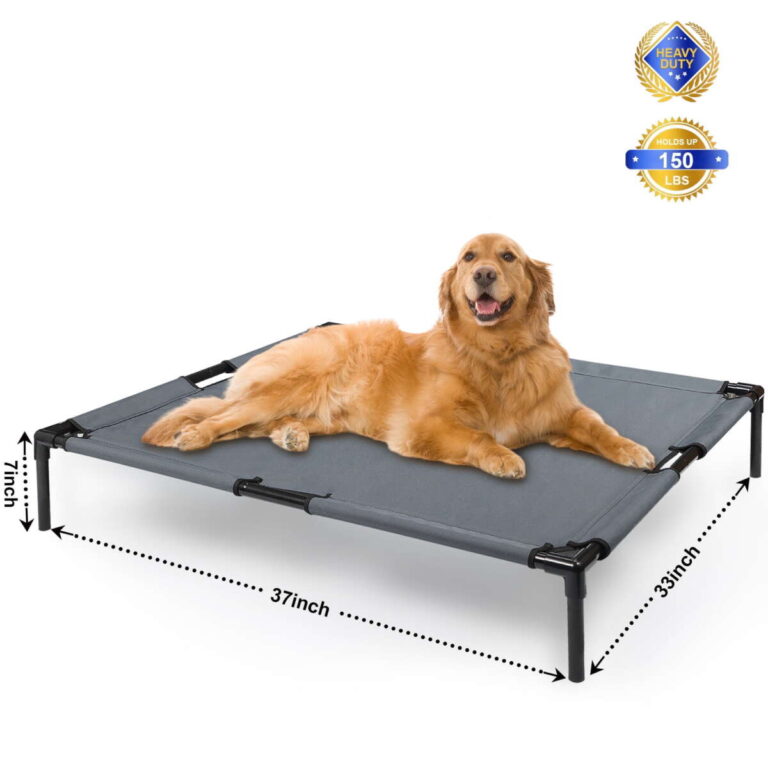
Elevated beds are often the best option for strong chewers. They use a stretched fabric panel over a metal frame. Since there is little or no loose padding, dogs have fewer edges to grab.
They also allow air to move under the bed. This can help keep dogs cool in warm homes or outdoor spaces. Look for a cot with a sturdy frame, rounded corners, and replacement fabric sold by the maker.
Heavy-duty fabric beds
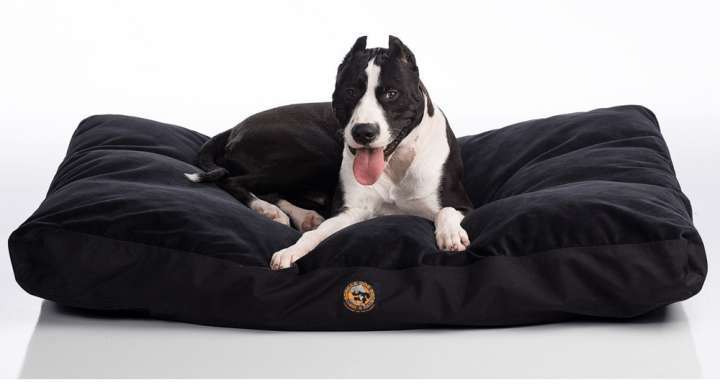
Some flat beds use thick ballistic nylon, canvas, or reinforced polyester. These beds can work well for mild to moderate chewers. Choose one with hidden zippers and tightly finished seams.
Avoid beds with exposed piping. Many dogs can grip the raised edge and pull it apart. A simple, flat design is often stronger than a plush bed with many decorative parts.
Place beds with protective covers
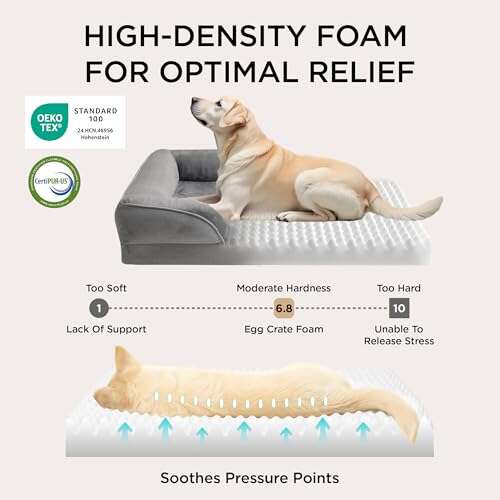
A durable place bed may use a firm foam core with a tough outer cover. This can provide better joint support than a cot. It is a good option for senior dogs, but the cover must be difficult to remove and chew.
Check the foam often. Once a dog opens the cover, foam can come out quickly. A dog bed that can't be chewed up should have a cover that fits snugly and does not create loose flaps.
Heavy-duty crate mats
A crate mat may suit dogs that chew only when resting in a crate. Look for a thin, firm mat made from ripstop or ballistic fabric. Avoid thick, fluffy mats for dogs that pull out stuffing.
A crate mat should fit the crate floor without curling at the corners. A loose corner is an invitation to chew.
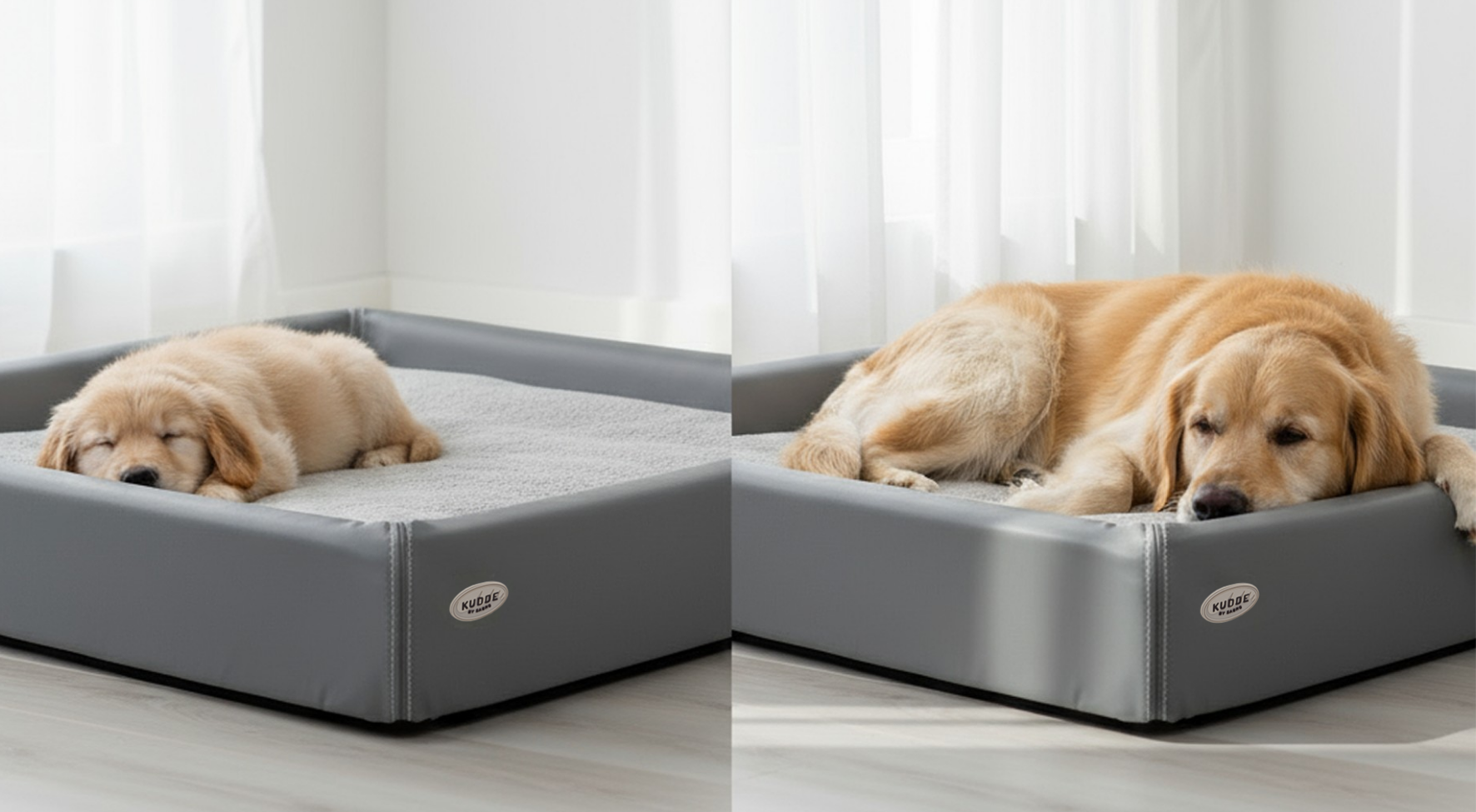
Materials That Resist Chewing
Material choice is one of the clearest signs of a durable bed. Still, strength depends on the full design. Strong fabric with weak seams can fail fast.
Ballistic nylon
Ballistic nylon has a tight weave and good resistance to abrasion. It is common in luggage, work gear, and outdoor products. It may be a strong choice for a dog bed that can't be chewed up.
Ripstop fabric
Ripstop fabric uses thicker threads in a grid pattern. If a small tear starts, the grid may help slow its spread. It is light, practical, and easy to clean.
Coated polyester
Coated polyester can resist moisture and surface damage. It is useful for messy dogs or outdoor use. Check that the coating does not peel, since loose flakes should not be swallowed.
Metal
Steel frames usually withstand more abuse than thin plastic frames. Powder coating can help protect the metal from rust and scratches. Inspect welds and joints for sharp points.
Mesh
Tight, heavy-duty mesh can work well in elevated beds. Yet mesh is not always chew-proof. A dog with strong front teeth may still cut or fray it, so inspect the surface often.
Avoid these features when shopping for a dog bed that can't be chewed up:
• Loose stuffing
• Exposed foam
• Thin fleece
• Frayed rope trim
• Weak plastic clips
• Long fabric tags
• Large exposed zippers

Features to Look For Before Buying
A durable dog bed should be judged by more than its product label. “Indestructible” and “chew-proof” are marketing terms, not guarantees. Look closely at the construction.
Use this checklist:
-
Check the fabric weight and weave. Thick, tight fabric usually lasts longer than thin cloth.
-
Examine the seams. Double stitching and reinforced corners are useful signs.
-
Look for hidden closures. Zippers, snaps, and fasteners should not be easy for your dog to reach.
-
Test the frame. It should not twist, wobble, or make sharp noises under pressure.
-
Measure your dog. The bed should let your dog stretch out without hanging over the edge.
-
Review the care instructions. A washable bed is easier to keep clean and inspect.
-
Check replacement parts. Replaceable covers or mesh panels can extend the bed’s life.
-
Read reviews with care. Focus on comments about strong chewers, not only comments about softness.