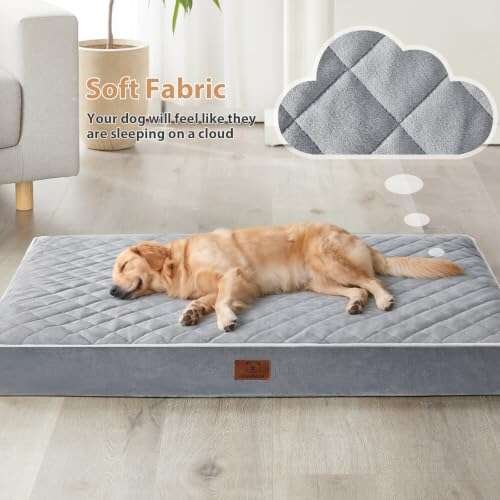
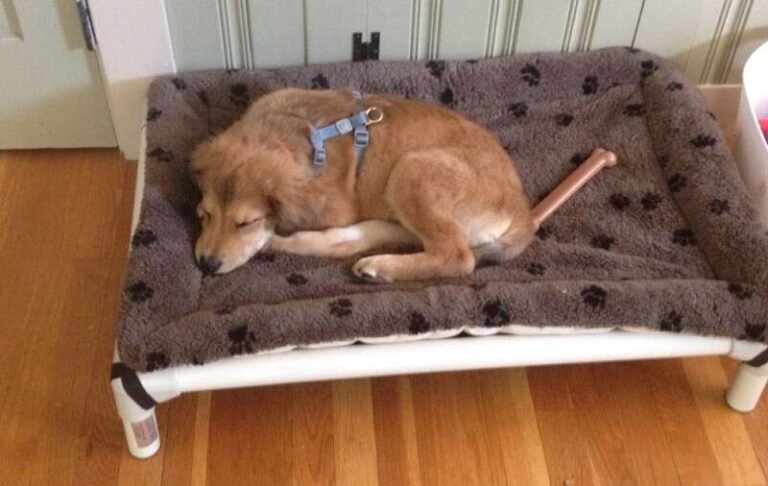
What Are The Best Orthopedic Dog Beds: Expert Guide
Find out what are the best orthopedic dog beds for comfort, joint support, and restful sleep. Compare features and choose the right bed for your dog.
The best orthopedic dog bed is one that supports your dog’s joints, fits their body, stays dry and clean, and makes it easy to get up and lie down. For most dogs, the safest starting point is a well-sized bed with a thick, supportive foam core, a washable cover, and a low entry.
There is no single best bed for every dog in the United States. A senior Labrador may need a large, dense mattress. A small dog with arthritis may do better with a lower bed that does not have a high step. A nervous dog may prefer bolsters, while a dog that overheats may need an open, breathable design.
This guide explains what to look for, which bed types suit different dogs, how much support your dog may need, and when a bed problem may point to a health issue.
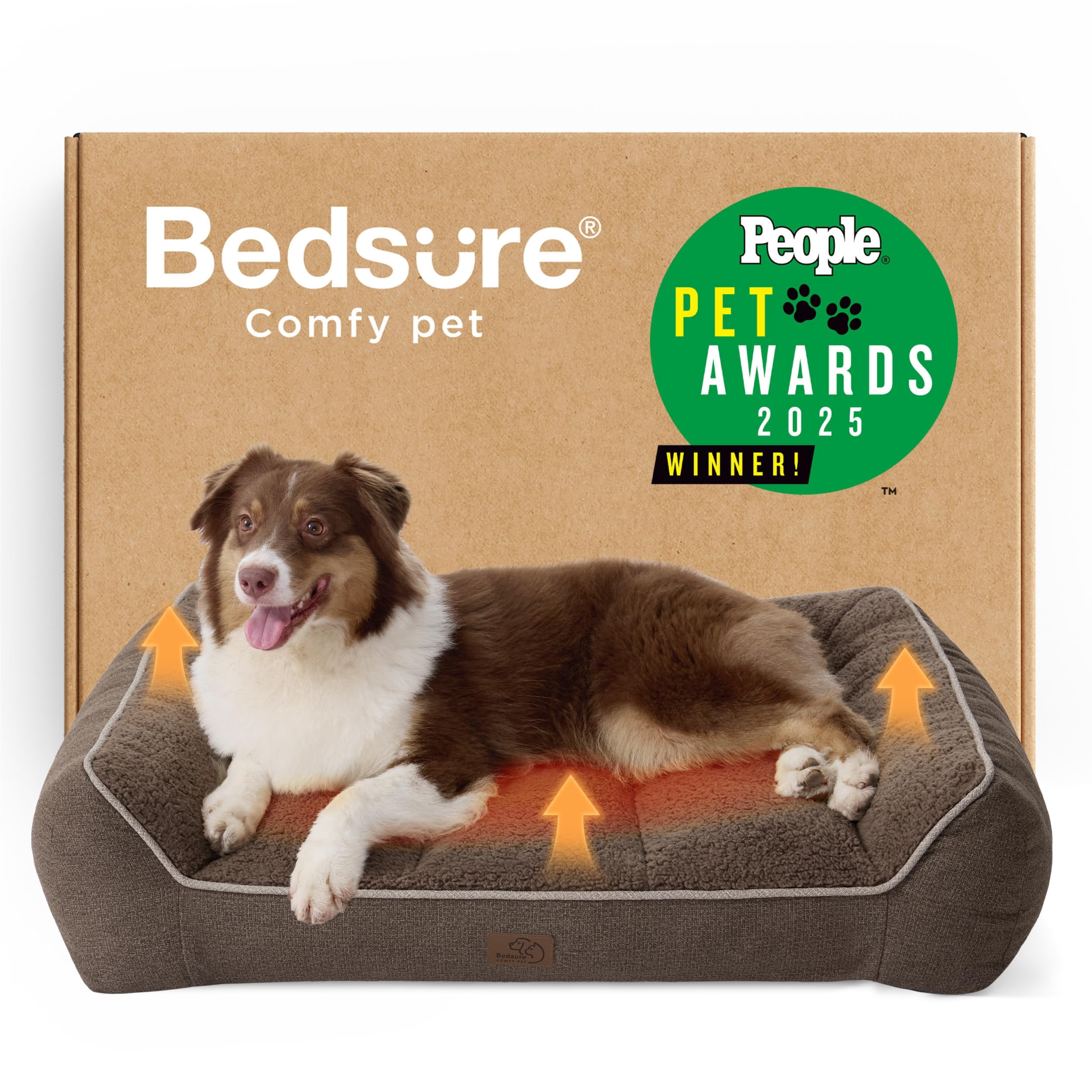
Quick answer: Which orthopedic dog bed is best?
For most older, large, or joint-sensitive dogs, choose a flat orthopedic mattress made with high-density foam or a layered foam core. It should be long enough for your dog to stretch out, thick enough to resist flattening, and covered with a removable, machine-washable cover.
Use this simple guide:
| Dog’s main need | Best bed style | What to prioritize |
|---|---|---|
| Arthritis or stiff joints | Thick foam mattress | Firm support, low entry, easy cleaning |
| Large or heavy dog | Dense, high-support foam | Weight capacity, edge support, thick base |
| Hip or elbow problems | Pressure-relieving mattress | Even support, stable surface, non-slip bottom |
| Senior dog with accidents | Waterproof orthopedic bed | Waterproof liner, washable cover, replacement parts |
| Dog that nests or curls up | Bolster bed with a supportive base | Firm base, soft but stable sides |
| Hot climate or warm indoor home | Cooling orthopedic bed | Breathable cover, airflow, removable cooling layer |
| Chewer or digger | Simple, durable mattress | Fewer loose parts, tough cover, replaceable parts |
A plush bed can feel soft but still provide poor support. The key question is not, “How fluffy is it?” It is, “Does the foam keep your dog’s body from sinking onto the floor?”
What makes a dog bed “orthopedic”?
An orthopedic dog bed is designed to reduce pressure on a dog’s joints and support the body during rest. Most use foam, layered foam, or another dense filling that spreads weight more evenly than loose fiberfill.
The term orthopedic is not a guarantee of medical performance. It is often used as a product description rather than a regulated health claim. A bed can be labeled orthopedic and still be too thin, too soft, or poorly made for a large dog.
Look for these features:
- A supportive foam core: Memory foam can cushion pressure points. High-density support foam helps prevent the bed from collapsing.
- Enough thickness for your dog’s weight: A heavy dog needs more structure than a small dog.
- A flat, stable sleep area: This helps dogs with weak legs or poor balance.
- A low step-in edge: Older dogs may struggle to climb into a deep or tall bed.
- A washable cover: Dogs bring in dirt, hair, moisture, and allergens.
- A waterproof inner liner: This protects the foam from urine, drool, and spills.
- A non-slip bottom: Movement can make it harder for a dog with arthritis to stand.
- A strong seam and zipper: These matter if your dog digs or moves around before lying down.
An orthopedic bed supports comfort. It does not treat arthritis, hip dysplasia, an injury, or another disease. If your dog is limping, crying when touched, unable to rise, or suddenly avoiding the bed, contact a veterinarian.
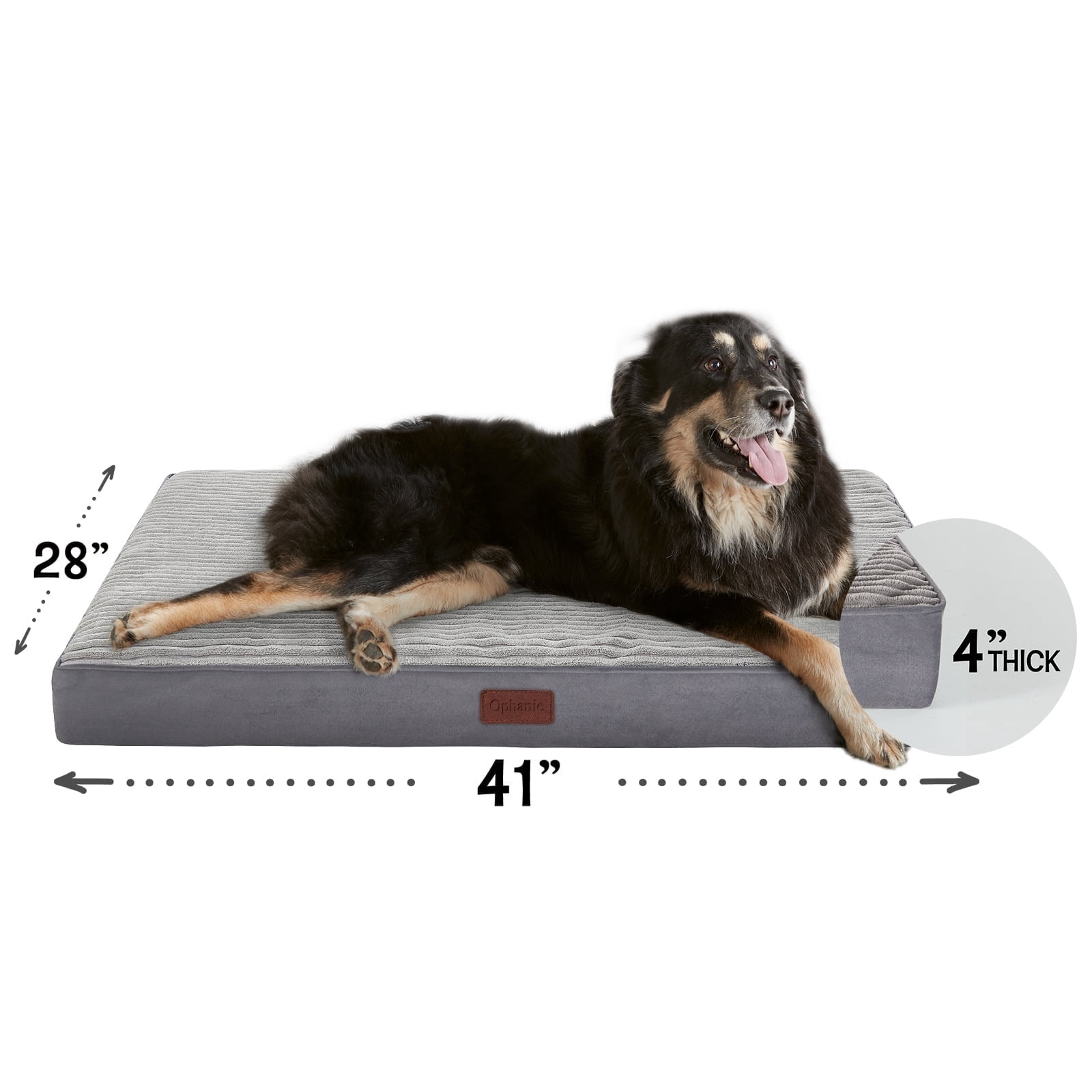
The best orthopedic dog beds by dog type
The right choice depends on your dog’s size, health, habits, and sleeping position. A good match often matters more than the brand name.
Best for senior dogs
A senior dog often benefits from a firm, low-profile mattress with a soft washable cover. The bed should not require a jump or a high step. A wide sleeping surface also helps if your dog changes position during the night.
Choose:
- A low front edge or step-in design
- Dense foam that does not flatten easily
- A non-skid base
- A cover that can be washed often
- A waterproof liner if accidents are possible
Avoid beds with tall walls on every side if your dog has weak hips or knees. High bolsters may make it harder to enter and exit.
Best for large and giant breeds
Large dogs place more force on a bed. A thin foam pad may feel comfortable at first but compress quickly under the hips and shoulders.
For a large dog, look for:
- A thick, high-density base
- A center mattress that does not sag
- A wide sleep area
- Reinforced seams
- A cover that can be replaced
- Clear weight and dimension information
Some large dogs like bolsters for head support. Others need a flat surface because they stretch out. Measure the dog while fully extended instead of choosing a bed based only on breed.
Best for dogs with arthritis or joint pain
Dogs with arthritis often need stable support and easy access. A medium-firm foam mattress is usually more useful than a very soft cushion that lets the body sink deeply.
The bed should allow your dog to:
- Walk onto it without jumping.
- Turn around without hitting a high wall.
- Lie down without touching the floor.
- Stand up without the bed sliding away.
Keep the bed in a warm, quiet area away from cold drafts. A heated bed may seem appealing, but heat products need care. Use only a pet-safe product, follow its instructions, and avoid unsupervised heat for dogs that may chew cords or have reduced sensation.
Best for dogs with hip or elbow problems
Dogs with hip dysplasia, elbow dysplasia, or other joint conditions may benefit from a bed that spreads pressure across the body. A flat mattress with even support is often easier to use than a sagging pillow bed.
Ask your veterinarian about the best setup if your dog has a diagnosed orthopedic condition. The bed is one part of care. Weight control, exercise plans, medication, and physical therapy may also affect comfort.
Best for dogs that like bolsters
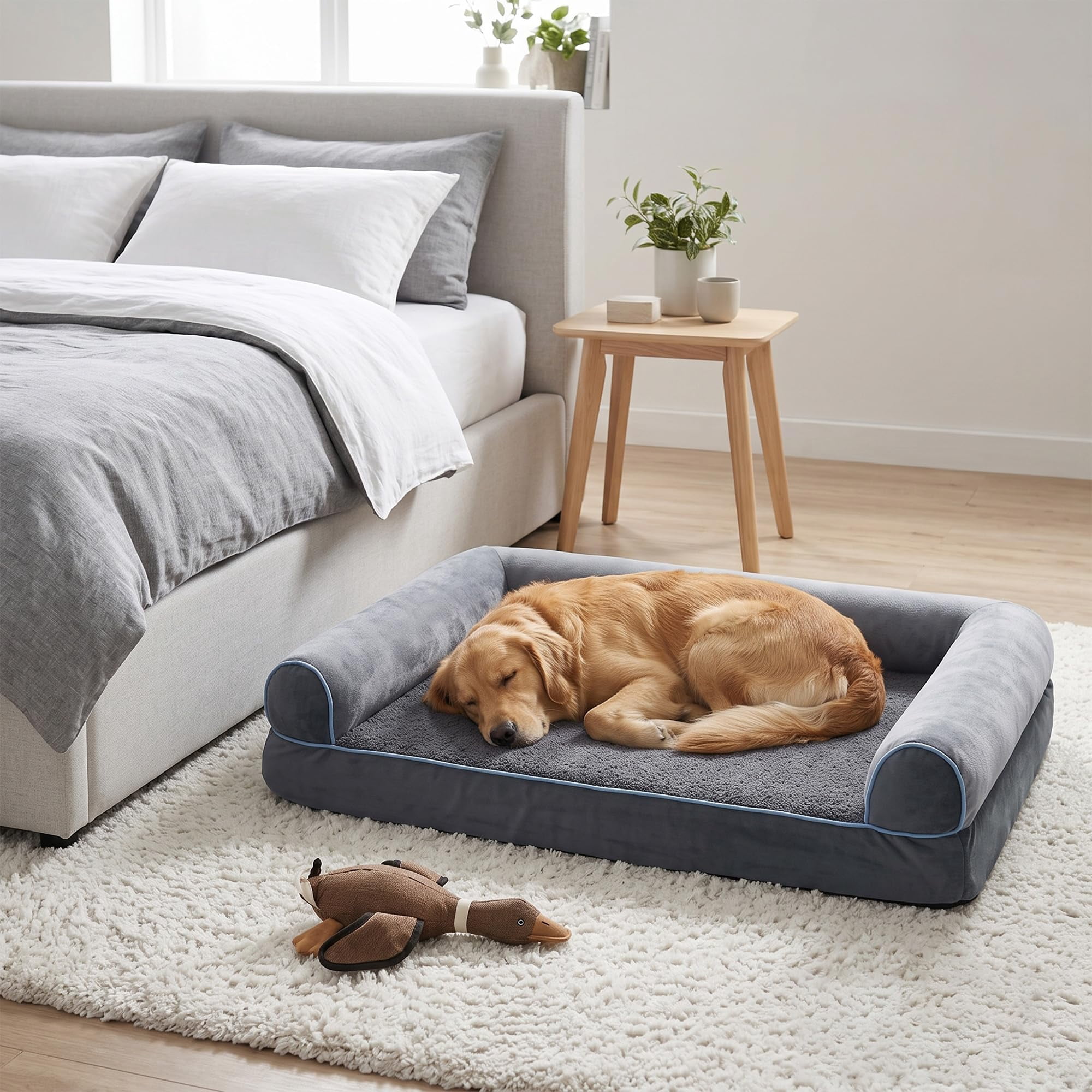
Bolster beds provide a raised edge for dogs that curl up or rest their heads on a side. They can also make a bed feel more enclosed.
The trade-off is access. A tall bolster can block a dog with stiff knees or weak hips. Choose a bed with:
- One lower entry side
- A firm base below the bolster
- Enough space for the dog to stretch
- A cover that fits tightly and does not bunch up
Best for chewers and diggers
No orthopedic bed is truly chew-proof. A determined dog can damage foam, zippers, and fabric. For destructive dogs, choose a simple mattress with fewer parts and a durable outer cover.
Supervise the first use. Remove the bed if your dog tears the cover or pulls out foam. Swallowed fabric or foam can cause an intestinal blockage, which may require urgent veterinary care.
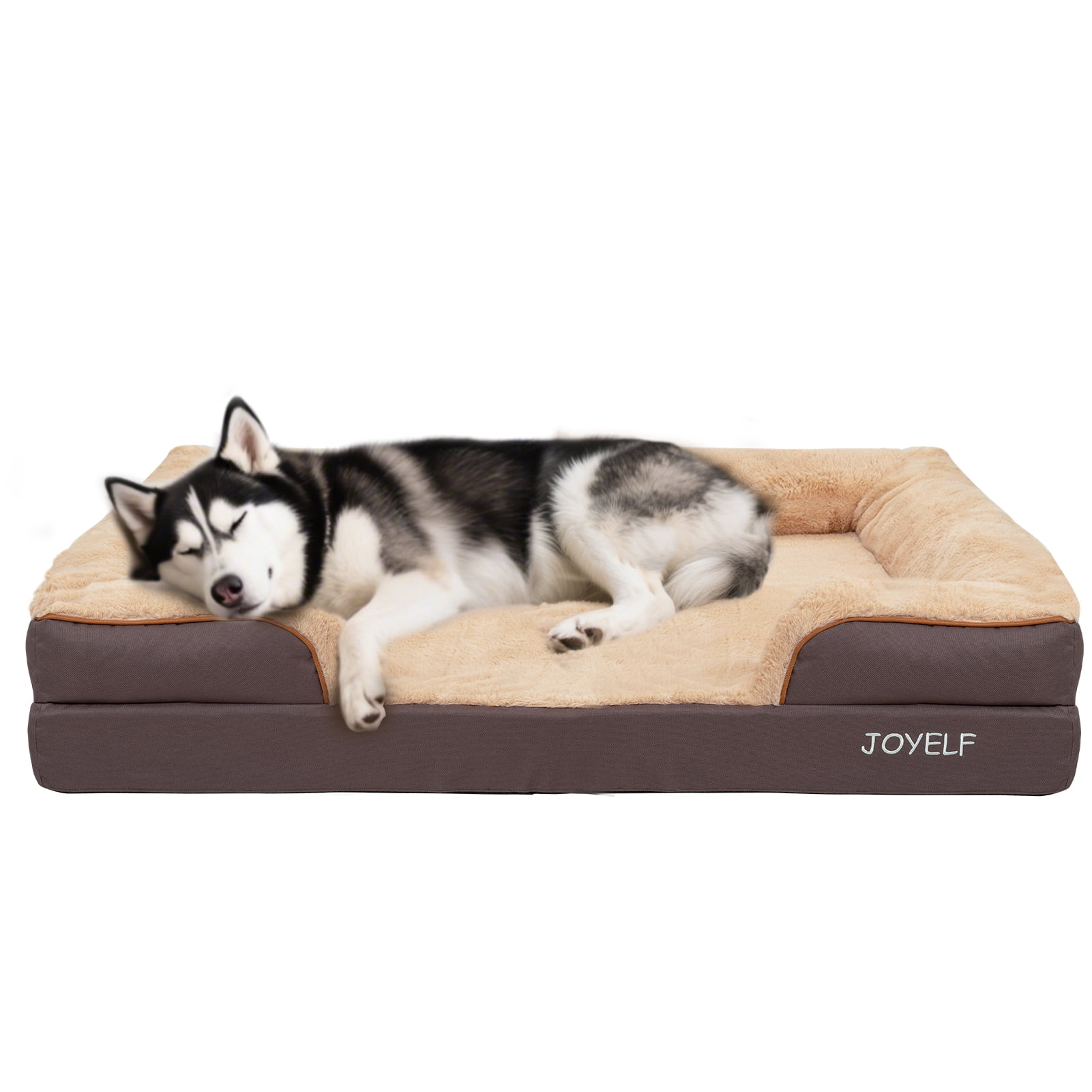
How to choose the right size
The best orthopedic dog bed should let your dog lie flat without hanging over the edges. Measure your dog while they are stretched out in their usual sleeping position.
Use this basic method:
- Measure from the nose to the base of the tail.
- Add about 6 to 12 inches for movement and stretching.
- Measure the dog’s width at the shoulders or hips.
- Compare those measurements with the bed’s inside sleeping area, not only its outside dimensions.
- Size up if your dog sleeps stretched out, changes position often, or shares the bed.
For example, if a dog measures 32 inches from nose to tail, a bed with an inside sleep area of about 38 to 44 inches may provide better room. This is a sizing example, not a universal rule.
Do not rely on weight alone. Two dogs with the same weight can have very different body shapes and sleep habits. Also check the bed’s listed weight limit, because a large bed is not always made with a supportive enough foam core for a heavy dog.
Foam types: memory foam, support foam, and alternatives
The foam determines how the bed feels and how well it holds up.
Memory foam
Memory foam molds around the body and may reduce pressure on shoulders, hips, and elbows. It can be comfortable for dogs that sleep in one position for long periods.
Its limits include heat retention and slower rebound. Some memory foam beds also feel too soft for dogs that need firm footing when standing.
High-density support foam
Support foam gives the bed its structure. It helps prevent the dog from sinking through the mattress onto the floor.
A support foam base is especially useful for large dogs and dogs with weak legs. Product pages may list foam density, but many do not. If density is not provided, do not assume that a thick-looking bed has strong support.
Layered foam
Layered designs combine a firmer base with a softer top. This can offer a useful balance between support and cushioning.
The quality still depends on the materials, thickness, and construction. A thin comfort layer over a weak base may not perform well for a heavy dog.
Fiberfill and polyfill
Fiberfill beds are soft, light, and often less expensive. They can suit small dogs, travel, or short-term use. However, loose filling can flatten and shift over time.
For a dog with joint pain, fiberfill alone may not provide the stable support that a dense foam mattress can provide.
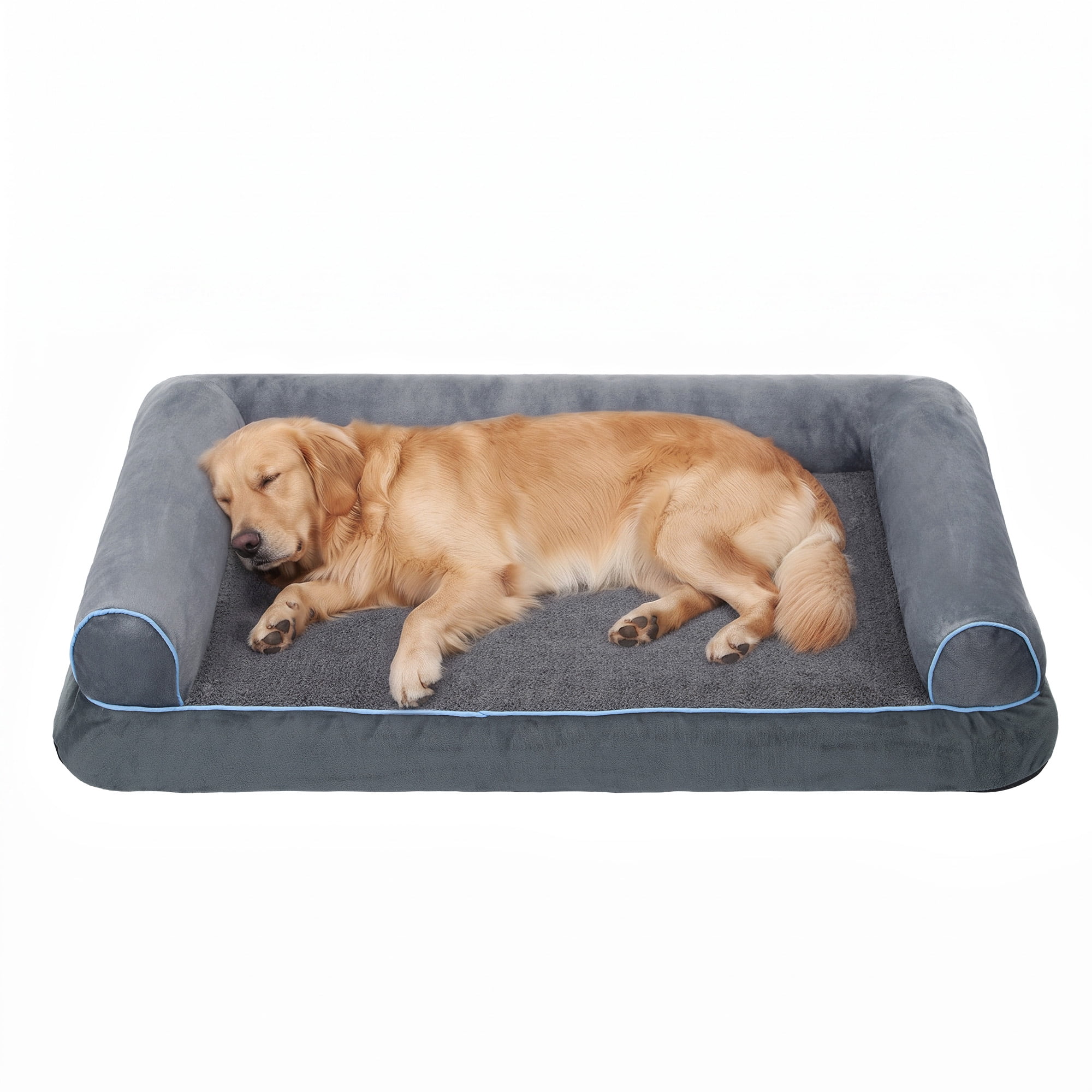
What thickness should an orthopedic dog bed be?
Thickness should match the dog’s weight and the foam’s support. There is no universal thickness that works for every dog.
As a general buying guide:
- Small dogs may do well with a moderately thick supportive bed.
- Medium dogs often need more depth if they sleep on hard floors.
- Large and giant dogs usually need a thick, dense base that resists compression.
- Very heavy dogs should not be matched to a bed by thickness alone.
A 5-inch bed made from weak foam may support a dog worse than a 3-inch bed made from denser foam. This is why foam quality, weight capacity, and real sleeping-surface dimensions matter together.
A simple home check can help after several days of use. Watch your dog lie down. If their hips or shoulders seem to bottom out, the bed forms a deep permanent dip, or your dog avoids it in favor of the floor, the bed may not provide enough support.
Cooling, waterproofing, and cleaning
A good orthopedic bed must remain useful after repeated washing. Comfort means little if the foam becomes damp or the cover cannot be cleaned.
Cooling features
Cooling beds may use breathable fabric, gel layers, raised designs, or removable cooling mats. These features can help some dogs, but they do not replace water, shade, ventilation, or veterinary care during hot weather.
Watch for overheating signs such as heavy panting, weakness, confusion, vomiting, or collapse. Move the dog to a cool area and seek urgent veterinary help if symptoms are severe or do not improve quickly.
Waterproof protection
A waterproof inner liner is valuable for senior dogs, puppies, and dogs with incontinence. A removable cover alone does not protect the foam if liquid passes through.
Check whether the liner fully encloses the mattress. Also see whether the manufacturer sells replacement covers. Replacing a cover is often more practical than replacing the entire bed.
Cleaning
Follow the care label. Some covers can go in a washing machine, while foam may need spot cleaning and air drying.
Do not put foam in a dryer unless the instructions allow it. Wet foam can hold moisture inside and develop an odor or mold problem. Let every layer dry fully before putting the bed back together.
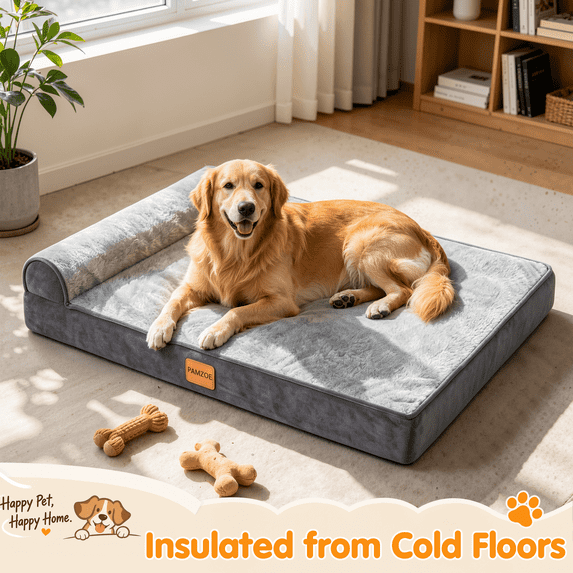
How much do good orthopedic dog beds cost?
Prices vary by size, foam quality, cover fabric, and brand. Large beds cost more because they require more material and stronger construction.
Instead of choosing by price alone, compare:
- Foam type and support
- Mattress thickness
- Interior sleep dimensions
- Weight limit
- Waterproof liner
- Washable cover
- Replacement-cover availability
- Warranty terms
- Return policy
- Shipping cost for large items
A low-cost bed may be suitable for a small dog, a crate, or travel. A large senior dog may need a more durable mattress to avoid replacing flattened beds again and again.
Do not treat a long warranty as proof of medical benefit. Read what the warranty covers and whether normal foam compression is excluded.
Common mistakes when buying an orthopedic dog bed
Buying by outside dimensions
Bolsters and thick walls reduce the usable space. Compare the inside sleeping area with your dog’s stretched length.
Choosing the softest bed
Very soft beds can feel inviting but may make standing harder. Dogs with weak joints often need cushioning plus a stable base.
Ignoring the entry height
A bed can have excellent foam and still be difficult for an older dog to use. Look for a low entry when mobility is limited.
Forgetting the floor
A supportive bed can slide on hardwood, tile, or polished concrete. A non-slip base or a rubber-backed mat can improve stability.
Skipping the waterproof liner
Urine and spilled water can damage foam from the inside. A waterproof liner protects the mattress and reduces odor.
Using a human mattress topper
A human foam topper may not have a durable cover, waterproof protection, or a safe size for a dog. It can also be easy for a dog to tear apart.
Keeping a damaged bed in use
Replace or repair a bed when the foam is exposed, the cover tears, the base slides, or the mattress stays damp. Loose foam and fabric may be dangerous if swallowed.
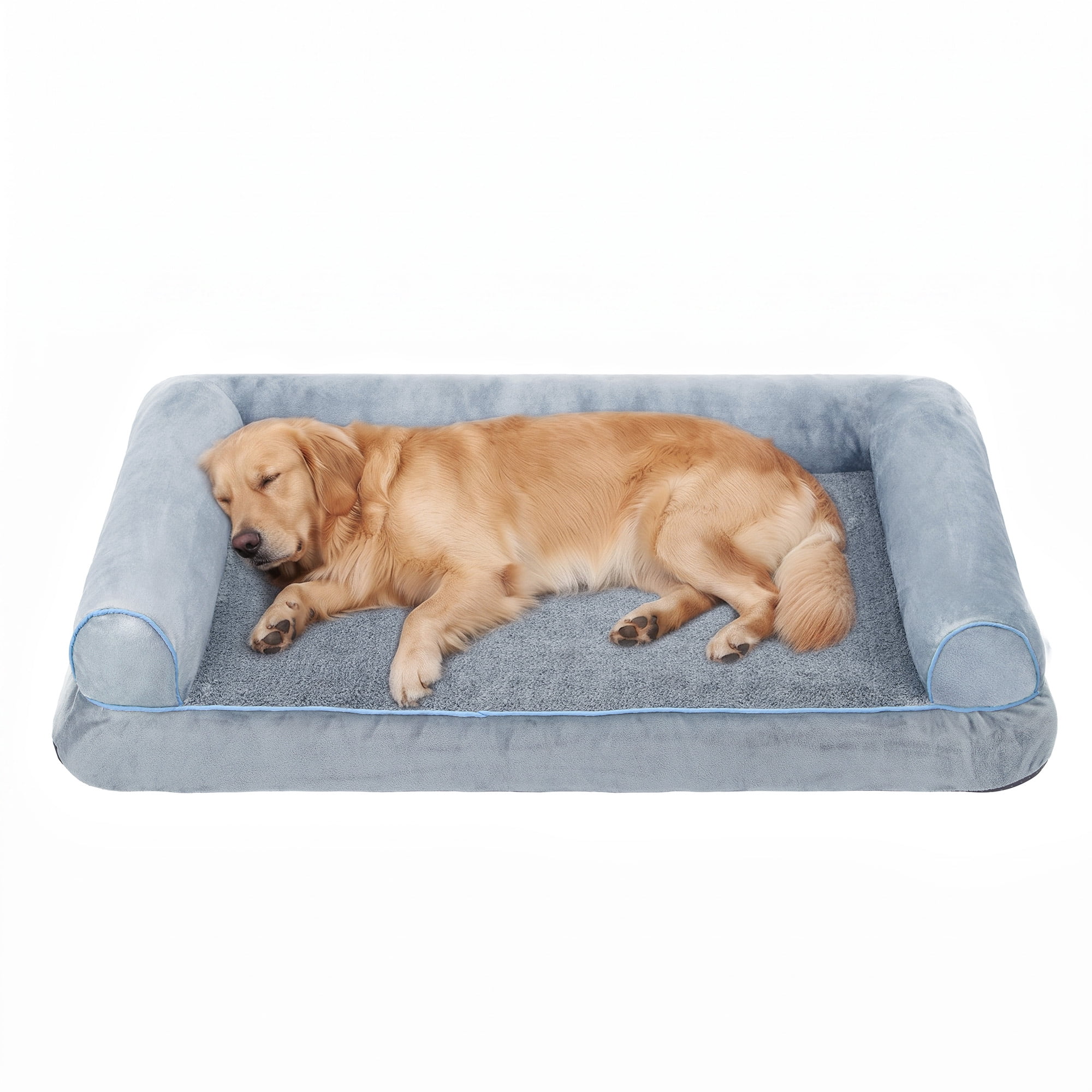
How to tell whether your dog likes the bed
Give your dog time to adjust, especially if the new bed feels firmer than an old cushion. Place it near the dog’s usual sleeping area and add a familiar blanket if safe.
Signs of a good fit include:
- Your dog chooses the bed without being forced.
- They lie down with a relaxed body.
- They can stand up without slipping.
- They do not repeatedly circle because the surface shifts.
- They sleep for a normal period and seem comfortable afterward.
- The bed keeps its shape under their hips and shoulders.
If your dog avoids the bed, check the temperature, smell, location, firmness, and entry height. A dog may reject a bed because it is too warm or unstable, not because orthopedic support is unnecessary.
If your dog suddenly changes sleep habits, struggles to rise, pants while resting, or shows pain, arrange a veterinary exam. A new bed cannot diagnose or fix a sudden health change.
Are expensive orthopedic dog beds worth it?
An expensive bed may be worth the cost when it offers a durable foam core, a washable waterproof cover, a reliable fit, and replacement parts. Those features can reduce waste and improve daily use.
Price alone does not prove quality. Compare the construction details that affect your dog:
- Does the foam keep its shape?
- Is the base stable?
- Can you wash the cover?
- Can you replace the cover?
- Does the bed fit the dog’s sleeping style?
- Does the company provide clear care instructions?
For a dog with arthritis or a large body, a durable supportive bed may be a better long-term purchase than several thin beds that flatten quickly.
Frequently asked questions
What is the best orthopedic dog bed for a dog with arthritis?
A firm, supportive foam mattress with a low entry and non-slip base is a strong starting choice. Add a waterproof liner if accidents are possible. Ask your veterinarian for advice if your dog has severe pain, a diagnosis, or trouble standing.
Is memory foam good for dogs?
Memory foam can cushion pressure points and improve comfort. It should be paired with enough support underneath so the dog does not sink to the floor. Some dogs may find memory foam warm, so airflow and room temperature also matter.
Should an orthopedic dog bed be hard or soft?
It should be supportive with enough cushioning. A bed that is too hard may create pressure points, while one that is too soft may make movement difficult. The best firmness depends on the dog’s weight, age, joints, and preferred sleep position.
How often should I replace an orthopedic dog bed?
Replace it when the foam stays compressed, the dog touches the floor, the bed smells damp after cleaning, or the cover no longer protects the filling. A heavily used bed may wear sooner than one used only at night.
Can an orthopedic bed cure hip dysplasia or arthritis?
No. A bed may improve rest and reduce pressure, but it does not cure joint disease. Veterinary care may include weight management, controlled exercise, medicine, rehabilitation, or other treatment based on the diagnosis.
Final recommendation
For most dogs that need extra joint support, choose a properly sized, low-entry orthopedic mattress with a dense foam base, a pressure-relieving top, a washable cover, a waterproof liner, and a non-slip bottom.
Choose the bed around your dog, not around a label. Measure the sleep area, consider how your dog gets up and lies down, and match the firmness to their weight and mobility. If pain, limping, weakness, or sudden sleep changes are present, contact a veterinarian rather than relying on a new bed alone.

Pet Care Writer & Researcher
Daniel writes practical guides on daily care, feeding, and safety, turning complex topics into simple, actionable advice.