
What Are The Best Dog Foods: A Guide To Healthy Choices
What are the best dog foods for your pet? Compare healthy ingredients, trusted options, and expert tips to choose the right diet for your dog.
The best dog foods provide complete, balanced nutrition, clear ingredient information, and the right calories for each dog.
Choosing among hundreds of bags, cans, and fresh-food plans can feel like trying to read a menu in a foreign language. The best dog foods are not always the most expensive or the ones with the most impressive package claims. They are foods that meet established nutrition standards, fit your dog’s age and health needs, and support a healthy weight over time. This guide explains how to compare dog food with confidence, avoid common marketing traps, and choose a diet your dog can safely enjoy.

What Are the Best Dog Foods for Most Dogs?
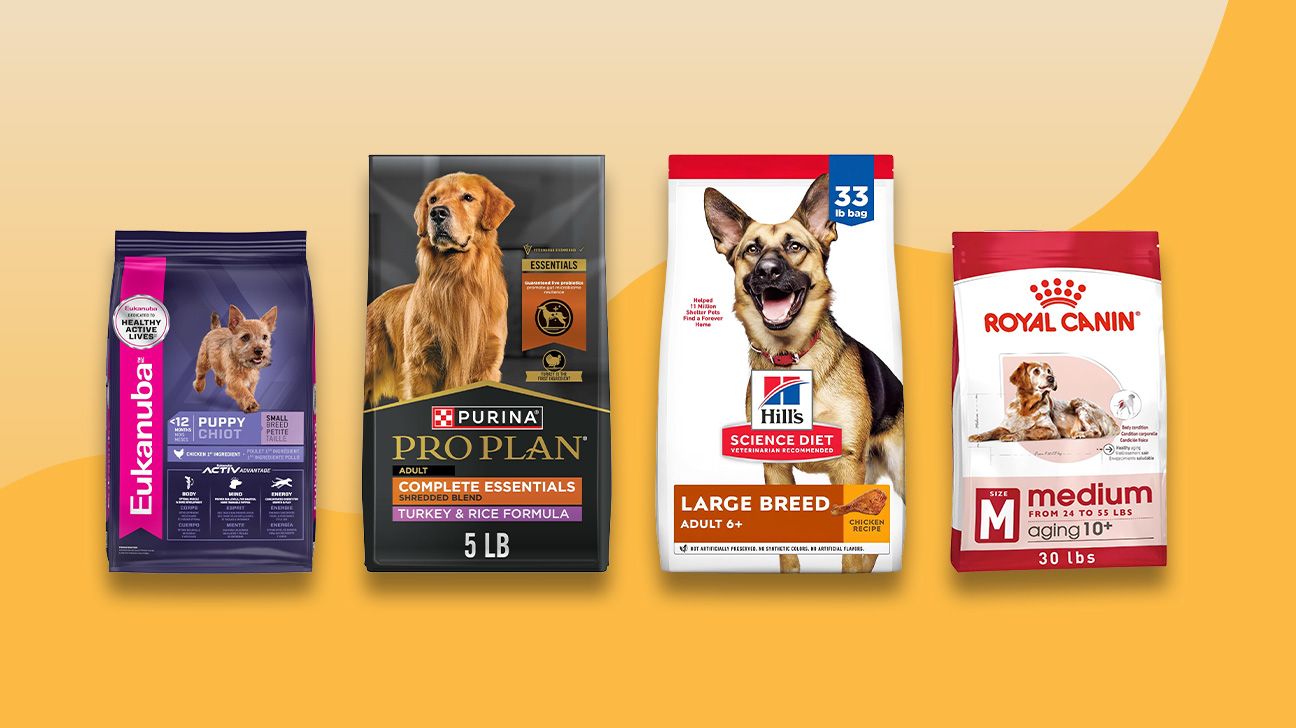
For most healthy dogs, the best dog foods are complete and balanced recipes made for the correct life stage. These foods should provide suitable levels of protein, fat, vitamins, and minerals. They should also come from a company with strong quality control and clear feeding instructions.
A good starting point is a food labeled for one of these categories:
• Growth and development for puppies
• Maintenance for adult dogs
• All life stages, when appropriate
• Senior dogs, if the recipe suits the dog’s health and calorie needs
The term “complete and balanced” matters. In the United States, this claim means the food is designed to meet nutrient standards set by the Association of American Feed Control Officials, often called AAFCO. The label should also identify the species and life stage the food is made for.
The best dog foods should match the individual dog, not just the breed name on the package. A healthy adult Labrador may do well on a standard maintenance diet, while a small senior dog may need smaller kibble, fewer calories, or a diet recommended by a veterinarian.
How to Choose the Best Dog Foods
Choosing the best dog foods requires more than scanning the first few ingredients. Ingredients matter, but the final nutrient profile, safety process, calorie level, and feeding amount matter just as much.
Use this practical checklist when comparing foods.
Check the nutritional adequacy statement
Look for a statement that confirms the food is complete and balanced for your dog’s life stage. A treat, topper, or food labeled “intermittent or supplemental feeding only” should not replace a complete diet.
This statement is one of the most useful parts of the label. Without it, you may not know whether the recipe supplies enough calcium, essential amino acids, vitamins, and other nutrients.
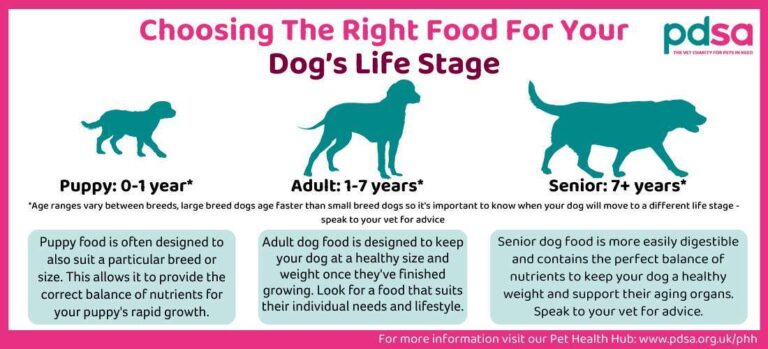
Match the food to your dog’s life stage
Puppies grow fast. They need carefully balanced nutrients, including calcium and phosphorus. Large-breed puppies need extra care because too much energy or an incorrect mineral balance may affect bone development.
Adult dogs need enough nutrients to maintain muscle, skin, organs, and energy. Senior dogs do not all need the same diet. Some need fewer calories, while others may need more protein to help preserve muscle. A senior formula is not automatically better unless it fits the dog’s condition.
Consider calories, not only ingredients
Weight gain is common in dogs, and extra body fat can raise the risk of joint disease, diabetes, breathing problems, and other health concerns. The best dog foods provide a clear calorie statement, usually listed as kilocalories per cup, can, or kilogram.
Treats should usually make up no more than about 10% of daily calories. If your dog gets several treats, reduce the main meal slightly or choose low-calorie options such as small pieces of carrot, when safe for that dog.
Look for quality control
A trusted manufacturer should be willing to explain where it makes food, how it tests ingredients, and what safety checks it uses. Good companies often employ veterinary nutritionists, food scientists, or other qualified experts.
Ask whether the company:
• Tests finished food for nutrient content
• Checks ingredients for contamination
• Maintains written safety standards
• Provides a way to contact the company
• Has a clear recall process
• Can provide a typical nutrient analysis when requested
A beautiful package does not prove quality. Strong manufacturing practices are far more valuable than clever words on the front of a bag.
Best Dog Foods by Type
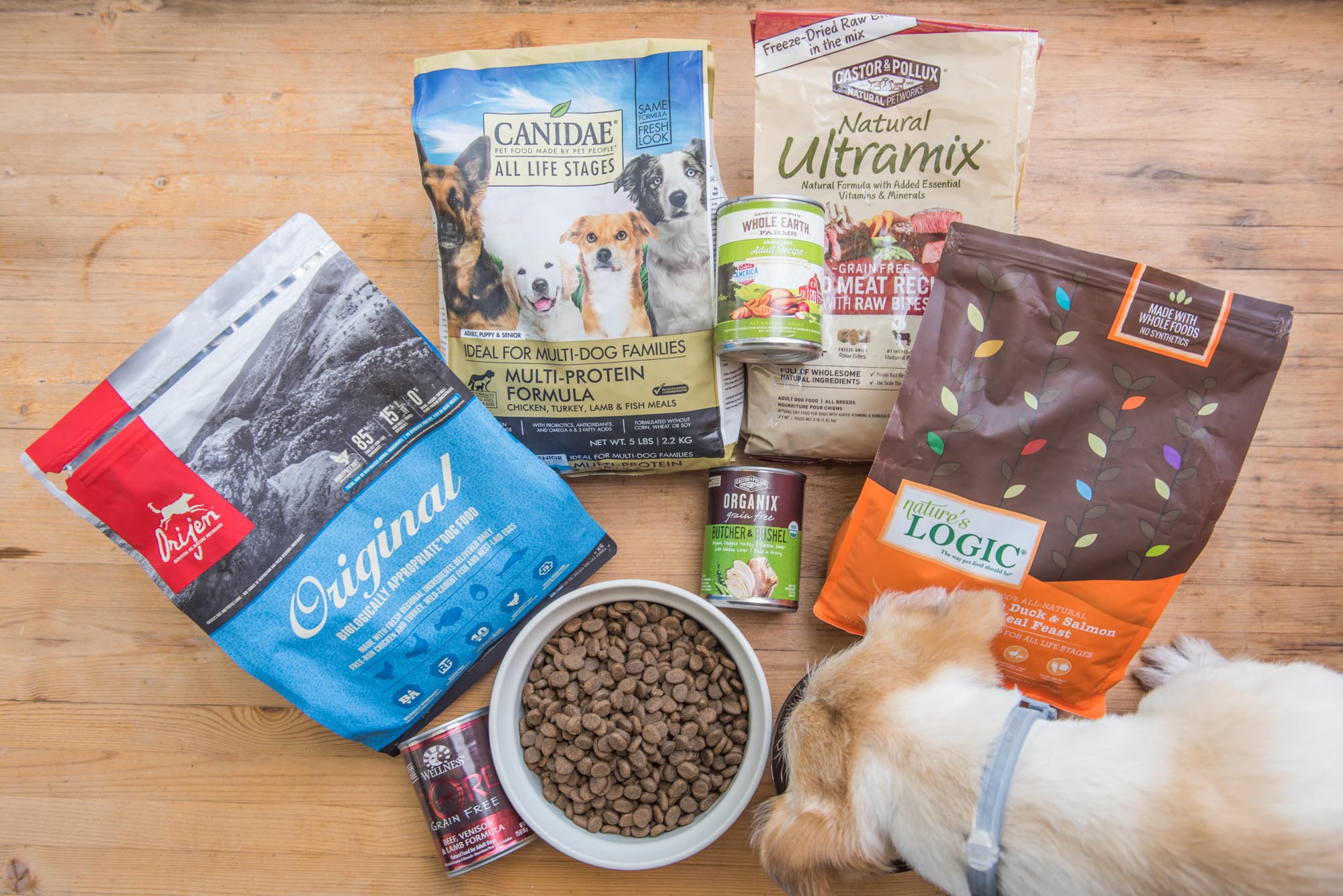
There is no single food format that wins for every dog. Dry food, wet food, fresh food, and prescription diets can all be useful when they are nutritionally complete and properly matched to the dog.
Dry dog food
Dry food is convenient, easy to measure, and often less expensive per meal. It also stores well and works for many households.
However, dry food contains less water than canned food. Dogs that drink very little may benefit from added water or a mix of wet and dry food. Dry kibble also does not reliably clean teeth, despite common marketing claims. Daily tooth brushing remains the most effective home dental care.
Wet dog food
Canned food contains more moisture and may help dogs that need extra water. It can also be easier for dogs with poor teeth, a reduced appetite, or a strong preference for soft food.
The limits are cost, storage, and shelf life after opening. Once opened, canned food should be covered and refrigerated. Follow the storage instructions and discard food that has been left out too long.
Fresh and gently cooked food
Fresh diets may appeal to owners who want recognizable ingredients and less processed textures. Some commercial fresh foods are complete and balanced, while others are not.
The key question is not whether the food looks homemade. Ask whether it meets recognized nutrient standards and whether the company uses qualified nutrition experts to formulate and test it. Refrigerated food also requires careful handling to prevent bacterial growth.
Freeze-dried and dehydrated food
These foods are light, convenient, and often have strong flavor. Some are complete meals, while others are mixers or treats.
Read the label closely. A freeze-dried product is not automatically a complete diet. If you feed it as a main meal, confirm that it is labeled complete and balanced for your dog’s life stage.
Prescription veterinary diets
Prescription diets are made for specific medical needs, such as kidney disease, urinary problems, food allergies, or digestive disorders. They should be used with veterinary guidance.
These foods may look less exciting than trendy diets, but their nutrient design can be clinically important. A dog with a health condition may need therapeutic nutrition rather than a general “premium” food.
Best Dog Foods for Puppies
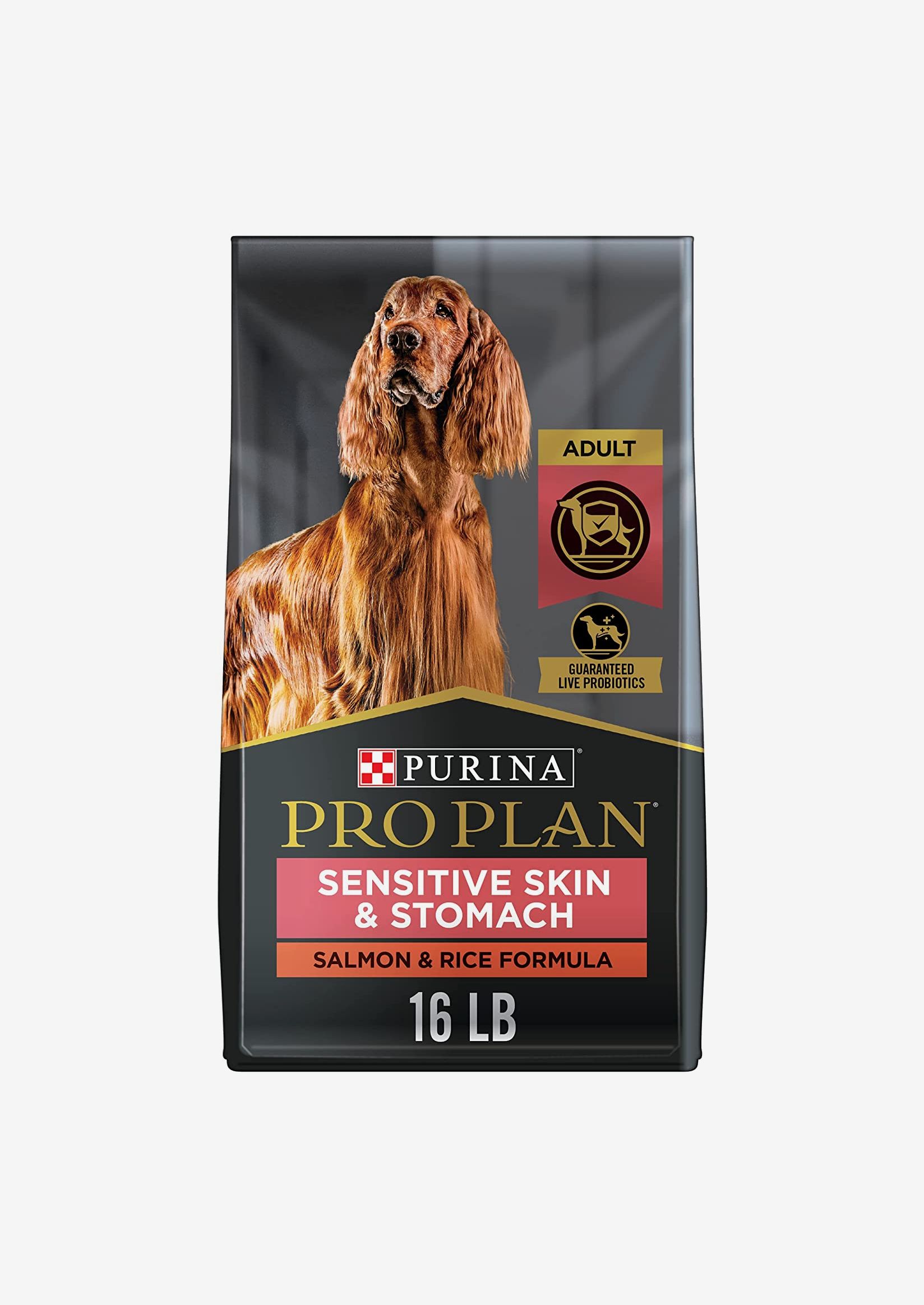
The best dog foods for puppies support steady growth without providing excessive calories. Puppy food should be labeled for growth, and large-breed puppy food should be considered for dogs expected to reach a large adult size.
Puppies need regular meals because their stomachs are small. A typical schedule may include:
• Three or four meals each day for young puppies
• Two or three meals each day as they mature
• A gradual move to adult food when growth is nearly complete
The correct changeover age depends on breed size. Small dogs may reach maturity earlier than giant breeds. Your veterinarian can help determine when to switch.
Avoid giving puppies large amounts of calcium supplements unless a veterinarian prescribes them. More is not always better. An excess of certain nutrients can disrupt healthy bone development.
The best dog foods for puppies should also support a healthy body condition. You should be able to feel the ribs with light pressure, but the ribs should not be sharply visible in a healthy, growing puppy.
Best Dog Foods for Adult Dogs
Adult dogs need food that maintains a healthy weight, strong muscles, and normal body function. The best dog foods for adult dogs provide enough protein and essential nutrients without supplying more calories than the dog needs.
Activity level makes a major difference. A working dog that runs for hours may need far more energy than a calm apartment dog. Feeding instructions are useful, but they are only a starting point. Adjust the amount based on body condition, weight changes, stool quality, and activity.
A simple body check can help:
• You should be able to feel the ribs without pressing hard
• The waist should be visible from above
• The abdomen should rise slightly when viewed from the side
• There should not be heavy fat around the tail base or chest
If your dog gains weight, reduce food slowly and measure each meal. A measuring cup is better than guessing, but a kitchen scale is even more accurate.
Best Dog Foods for Senior Dogs
Senior dogs may need fewer calories because they often become less active. Still, age alone does not tell you exactly what a dog should eat. A healthy senior may do well on a standard adult food, while a dog with kidney, heart, joint, or dental disease may need a veterinary diet.
The best dog foods for senior dogs often provide:
• Controlled calories
• High-quality protein
• Appropriate fat levels
• Added nutrients for joint or brain support, when suitable
• A texture that is easy to chew
Protein deserves special attention. Many older dogs benefit from enough high-quality protein to help maintain muscle. Do not reduce protein simply because a dog is old unless your veterinarian identifies a medical reason.
Routine checkups become more important with age. Blood tests, dental exams, and weight checks can reveal problems before a food change alone can solve them.
Ingredients: What Matters Most?
Ingredient lists can help you understand a food, but they can also mislead you. Ingredients are listed by weight before cooking, so water-rich ingredients may appear higher than their actual contribution to the final dry food.
Meat ingredients can be valuable sources of protein. Grains such as rice, corn, oats, and barley can also provide energy, fiber, vitamins, and minerals. There is no scientific reason to avoid grains unless a dog has a confirmed medical problem involving a specific ingredient.
“Meat by-products” are not automatically poor quality. They may include nutrient-rich organs. Likewise, words such as “natural,” “holistic,” and “premium” do not have one universal meaning that guarantees better nutrition.
The best dog foods are judged by the complete recipe and the manufacturer’s process. Focus on:
• Nutrient adequacy
• Calorie content
• Digestibility for your dog
• Safety testing
• Transparent company information
• Your dog’s body condition and health
Food allergies are less common than many owners think. Dogs with itching or repeated ear infections may have allergies, but fleas, environmental allergens, and infections are also common causes. A veterinarian-supervised elimination diet is more reliable than switching among many retail foods.

Grain-Free Dog Food: Is It Better?
Grain-free food is not automatically one of the best dog foods. It may be useful for a dog with a confirmed reaction to a specific grain, but true grain allergies are uncommon.
Some grain-free recipes replace grains with peas, lentils, chickpeas, or potatoes. Reports have linked some diets high in certain pulses or unusual ingredients with cases of canine dilated cardiomyopathy, a serious heart condition. The exact cause is complex and may involve multiple factors.
This does not mean every grain-free food causes heart disease. It does mean owners should avoid choosing grain-free food only because it sounds healthier. Discuss the choice with your veterinarian, especially if your dog has heart symptoms, a heart murmur, or a breed-related risk.
A balanced food with grains is a sound option for many dogs. The right choice depends on the complete formula and the individual animal.
Raw Dog Food: Benefits and Risks
Raw diets attract attention because they seem natural. However, raw meat may contain bacteria such as Salmonella, Listeria, or E. coli. These germs can affect dogs and people in the home, including children, older adults, pregnant people, and anyone with a weakened immune system.
Raw bones can also break teeth, cause choking, or create intestinal blockages. Homemade raw diets may be low or high in key nutrients unless they are carefully formulated by a veterinary nutrition professional.
The best dog foods are not defined by whether they are raw or cooked. They are defined by nutritional completeness, safety, and suitability. If you are considering raw feeding, discuss the risks with a veterinarian before changing your dog’s diet.
Homemade Dog Food: What Owners Should Know
Homemade food can work in some cases, but casual recipes from social media or general websites often lack essential nutrients. Common problems include low calcium, incorrect mineral balance, inadequate zinc, and too little vitamin D or certain amino acids.
A safe homemade diet should be formulated for your dog by a board-certified veterinary nutritionist or another qualified professional. The recipe must be followed closely. Replacing ingredients or skipping supplements can change the nutrient balance.
Some owners use home-cooked food as a small topper. Keep extras to about 10% of daily calories unless your veterinarian provides a different plan. The main diet should remain complete and balanced.
How to Compare Dog Food Labels
A dog food label gives you several useful clues. Learning to read it can prevent expensive mistakes.
Check these parts in order:
-
Find the intended life stage and species.
-
Confirm the food is complete and balanced.
-
Check calories per cup, can, or serving.
-
Review the feeding guide.
-
Look for a lot number and expiration date.
-
Examine storage instructions.
-
Contact the company if important information is missing.
The guaranteed analysis lists minimum crude protein and crude fat, plus maximum crude fiber and moisture. These values are helpful, but they do not show the full nutrient profile or how digestible the nutrients are.
For a more precise comparison, ask the manufacturer for an average or typical nutrient analysis. This may include calcium, phosphorus, sodium, and calories on a dry-matter basis. Such information is especially useful when a dog has a medical condition.
How Much Food Should You Give Your Dog?
Feeding charts are estimates. Two dogs of the same weight may need different amounts because of age, metabolism, activity, neuter status, and health.
Start with the package guide, then monitor your dog for two to four weeks. Weigh the dog when possible and adjust portions in small steps. Sudden large changes can lead to hunger, loose stool, or unnecessary overfeeding.
Measure food with a standard cup, or use a kitchen scale for better accuracy. Free-feeding can make weight control difficult, especially for dogs that eat out of boredom.
Treat calories count too. Common high-calorie treats include cheese, fatty meat, peanut butter, and large dental chews. Small training treats or pieces of the dog’s regular kibble can help keep the daily total under control.
How to Change Your Dog’s Food Safely
A slow transition can reduce stomach upset. Most dogs can change foods over seven days, although sensitive dogs may need longer.
Try this schedule:
-
Days 1 and 2: Feed about 75% old food and 25% new food.
-
Days 3 and 4: Feed about 50% old food and 50% new food.
-
Days 5 and 6: Feed about 25% old food and 75% new food.
-
Day 7: Feed the new food alone.
Slow down if your dog develops soft stool, vomiting, or reduced appetite. Contact a veterinarian if symptoms are severe, last more than a day, or occur with weakness, blood, pain, or dehydration.
One practical lesson is easy to overlook: change only one major thing at a time. If you switch food, add new treats, and start supplements in the same week, you will not know which change caused a problem.
Common Mistakes When Choosing Dog Food
Even caring owners can make food choices based on confusing claims. Avoid these common mistakes.
• Choosing food only because the first ingredient is meat
• Assuming the most expensive food is the best dog food
• Feeding a grain-free diet without a medical reason
• Ignoring calories and focusing only on ingredients
• Changing food too quickly
• Giving too many treats or table scraps
• Using homemade recipes without nutrient analysis
• Feeding a prescription diet without veterinary guidance
• Believing that a senior label solves every age-related problem
• Ignoring weight gain because the dog still seems happy
Marketing is designed to attract attention. Your dog’s body condition, stool, energy, appetite, and veterinary health checks provide better evidence of whether a diet is working.
When to Ask a Veterinarian for Help
Food changes are not a substitute for medical care. Ask your veterinarian for advice if your dog has ongoing vomiting, diarrhea, weight loss, weight gain, skin problems, repeated ear infections, poor appetite, excessive thirst, or changes in urination.
Veterinary guidance is also important for puppies, pregnant or nursing dogs, dogs with chronic disease, and dogs taking long-term medication. These animals may have nutrition needs that a standard retail diet cannot meet.
A veterinarian can help separate a food problem from other causes. For example, itching may result from fleas or environmental allergies rather than food. A proper diagnosis saves time, money, and frustration.
Frequently Asked Questions About What Are the Best Dog Foods
What are the best dog foods for a healthy adult dog?
The best dog foods for a healthy adult dog are complete and balanced recipes made for adult maintenance. Choose a calorie level that supports a lean body condition and select a company with clear quality and safety practices.
What are the best dog foods for dogs with sensitive stomachs?
The best dog foods for dogs with sensitive stomachs are easy to digest and introduced slowly. If vomiting, diarrhea, weight loss, or poor appetite continues, seek veterinary care instead of repeatedly changing foods.
Are expensive dog foods always better?
No. Price does not prove nutritional quality, safety, or suitability. The best dog foods may be affordable foods that meet nutrient standards, provide clear calorie information, and work well for the individual dog.
Is grain-free food one of the best dog foods?
Grain-free food is not automatically better. Many dogs digest grains well, and owners should discuss grain-free diets with a veterinarian because some grain-free formulas have been associated with reports of diet-related heart concerns.
Can dogs eat the same food at every life stage?
Some foods are labeled for all life stages, but that does not mean every dog needs the same portion or formula forever. Puppies, adults, seniors, pregnant dogs, and dogs with medical conditions may need different nutrition plans.
How can I tell whether a dog food is working?
A suitable food usually supports a stable, lean body weight, normal stools, good energy, healthy skin, and a steady appetite. These signs do not replace veterinary exams, but they are useful daily clues.
Conclusion
The best dog foods are complete, balanced, safe, and suited to the dog eating them. Look beyond front-of-bag promises and review the life-stage statement, calorie content, feeding guide, ingredient list, and manufacturer’s quality controls.
Start with your dog’s age, size, activity, body condition, and health needs. Make food changes slowly, measure portions, limit treats, and involve your veterinarian when medical concerns appear. A thoughtful choice today can support a healthier, happier life for your dog. Share this guide with another dog owner and keep learning from trusted veterinary resources as your dog’s needs change.

Pet Care Writer & Researcher
Daniel writes practical guides on daily care, feeding, and safety, turning complex topics into simple, actionable advice.

10 Comments