What Are The Best Types Of Dog Food: Healthy Choices
Learn what are the best types of dog food, from dry and wet options to fresh diets, and choose a nutritious meal your dog will love.
The best dog food is complete, balanced, and matched to your dog’s age, size, health, and lifestyle.
Choosing among the best types of dog food can feel like standing in a store aisle packed with endless labels and promises. As a practical rule, quality nutrition matters more than whether the food is dry, wet, fresh, or raw. This guide explains how each type works, what to look for, what to avoid, and how to choose a safe diet your dog will enjoy.
What makes dog food a healthy choice?
The best types of dog food provide all the nutrients your dog needs in the right amounts. These nutrients include protein, fat, carbohydrates, vitamins, minerals, water, and essential fatty acids.
A food can look natural or premium and still be poorly balanced. On the other hand, a simple-looking food may meet strong nutritional standards and support excellent health.
Look for these key features:
• A statement that the food is “complete and balanced” for your dog’s life stage
• Animal protein from sources such as chicken, beef, turkey, fish, lamb, or eggs
• Adequate fat for energy, skin health, and brain function
• Controlled calories that suit your dog’s size and activity level
• Clear feeding instructions
• Contact details for the manufacturer
• Quality control information and nutritional testing
In the United States, many complete dog foods are made to meet nutritional profiles set by the Association of American Feed Control Officials, often called AAFCO. The U.S. Food and Drug Administration also regulates pet food safety and labeling.
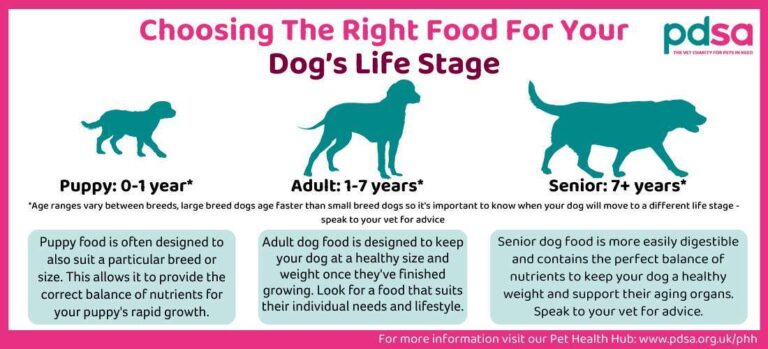
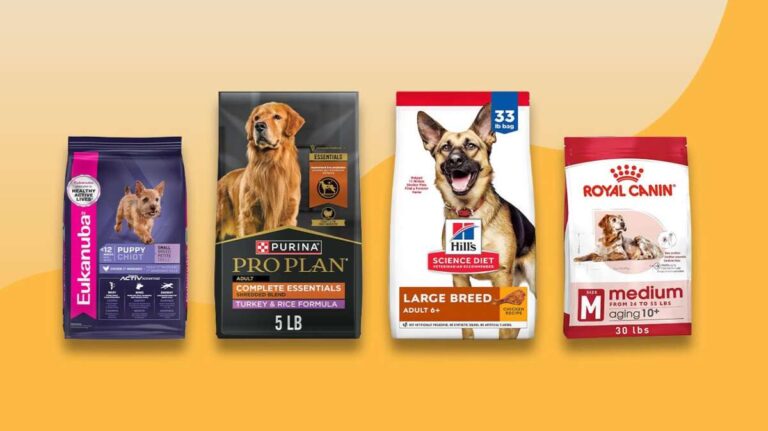
A complete food for a puppy may not be right for an adult dog. Likewise, a diet designed for weight loss may not provide enough calories for a working dog. The label should state whether the food is meant for growth, maintenance, reproduction, or all life stages.
One mistake I often see is choosing food based only on the first ingredient. Ingredients matter, but the full nutrient profile matters more. Think of dog food as a recipe: one good ingredient cannot fix an unbalanced meal.
The best types of dog food by format
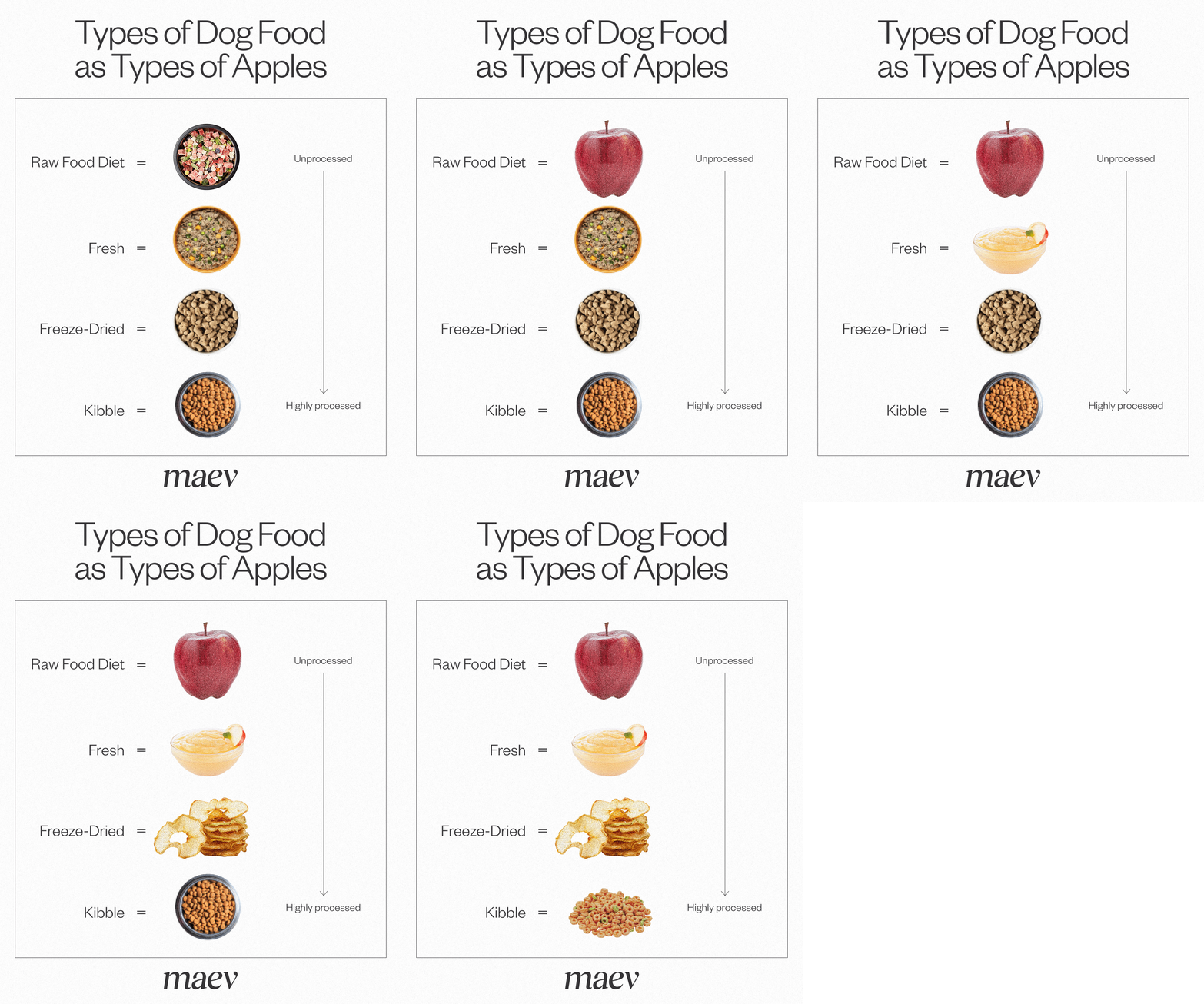
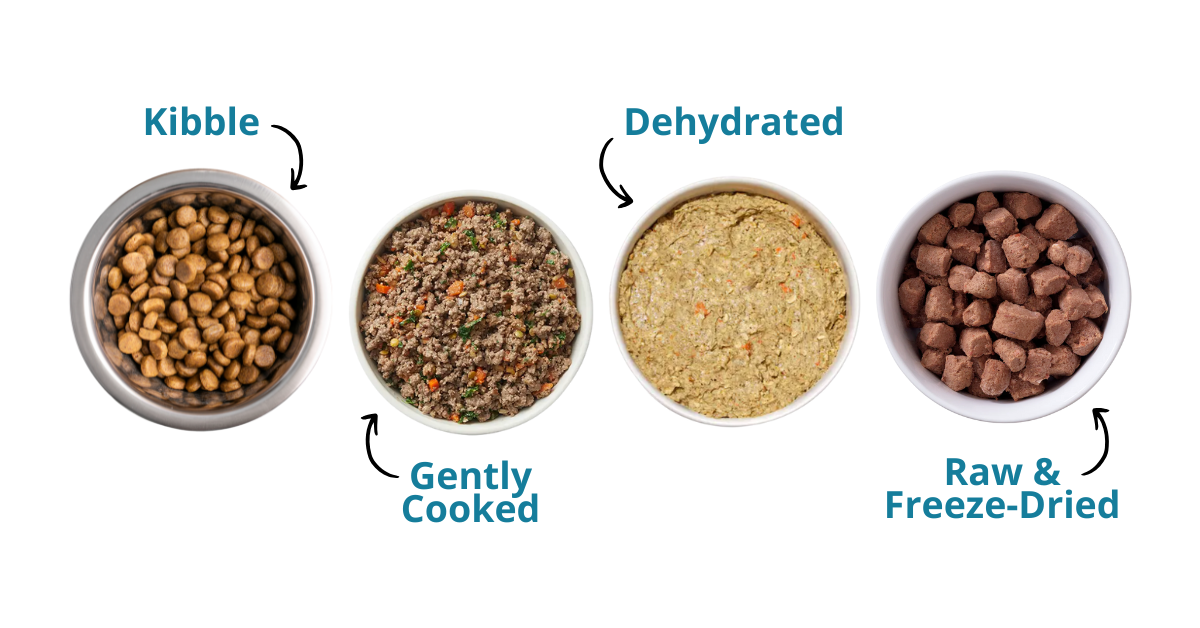
Dog food comes in several main forms. Each type has benefits and limits, so the right choice depends on your dog and your daily routine.
Dry dog food
Dry food, also called kibble, is one of the most popular options. It is easy to measure, simple to store, and usually less expensive per serving than wet food.
Good dry food can provide complete nutrition when it meets the correct standards. Its crunchy texture may also help reduce some surface plaque, although it does not replace tooth brushing or professional dental care.
Benefits of dry dog food include:
• Convenient storage
• Lower cost in many cases
• Easy portion control
• Less mess
• Useful for food puzzles and slow feeders
The main limit is its low water content. Most kibble contains about 10% moisture, so dogs eating dry food must have fresh water available at all times.
Kibble quality varies widely. Check the calorie content and feeding guide, since two foods with similar ingredients can contain very different amounts of energy.
Wet or canned dog food
wet food contains much more water than kibble. This can help dogs that drink little, have dental pain, or need a softer meal.
Many dogs prefer wet food because it smells stronger and has a softer texture. It may also help older dogs or dogs with missing teeth eat more comfortably.
Benefits include:
• High moisture content
• Strong taste and smell
• Soft texture
• Useful for dogs with low appetite
• Helpful for adding variety
Wet food often costs more and spoils faster after opening. Refrigerate unused portions and follow the storage instructions on the package. Do not leave an opened can at room temperature for long periods.
Wet food can also be calorie dense. A small portion may contain more calories than expected, so measure it rather than feeding by sight.
Fresh or gently cooked dog food
Fresh dog food is usually made with cooked meat, vegetables, grains, and added vitamins and minerals. Some products are sold refrigerated or frozen, while others are shelf stable.
Fresh food can be appealing to picky eaters. It may also make portion control easier because many companies provide exact calorie information.
However, “fresh” does not automatically mean complete. Check for a nutritional adequacy statement. If the food is labeled for supplemental or intermittent feeding only, it should not make up your dog’s entire diet.
Fresh diets can also cost more and require careful storage. Keep refrigerated food cold, wash bowls after meals, and follow the company’s handling instructions.
Freeze-dried and dehydrated food
Freeze-dried food removes moisture while keeping much of the original flavor. Dehydrated food uses heat to remove water. Both types are light and easy to store.
Some products are complete meals. Others are toppers or treats only. Read the label closely before using them as your dog’s main diet.
Many freeze-dried foods need added water. Rehydrating the food can improve moisture intake and make the meal easier to chew.
These foods often have a higher price per pound. They may also be calorie dense, so small serving sizes can be misleading.
Raw dog food
Raw diets include uncooked meat, organs, bones, and other ingredients. Some owners choose them because they believe raw food is more natural or may improve coat quality.
The evidence does not show that raw diets are automatically healthier than balanced cooked diets. Raw food can carry harmful bacteria, including Salmonella, E. coli, and Listeria. These germs can affect dogs and people, especially young children, older adults, pregnant people, and those with weak immune systems.
Raw bones may cause broken teeth, choking, intestinal blockage, or digestive injury. Homemade raw meals can also lack calcium, iodine, zinc, vitamin D, or other key nutrients.
If you are considering a raw diet, speak with a veterinarian or a board-certified veterinary nutritionist first. Food safety and nutritional balance must come before trends.
Among the best types of dog food, raw food is not a default choice for most households. A complete cooked diet is often easier and safer to manage.
How to choose the best types of dog food for your dog
There is no single best food for every dog. A healthy diet for a Chihuahua may be unsuitable for a Great Dane, and food for a young puppy may not suit a senior dog.
Start with these factors:
Age
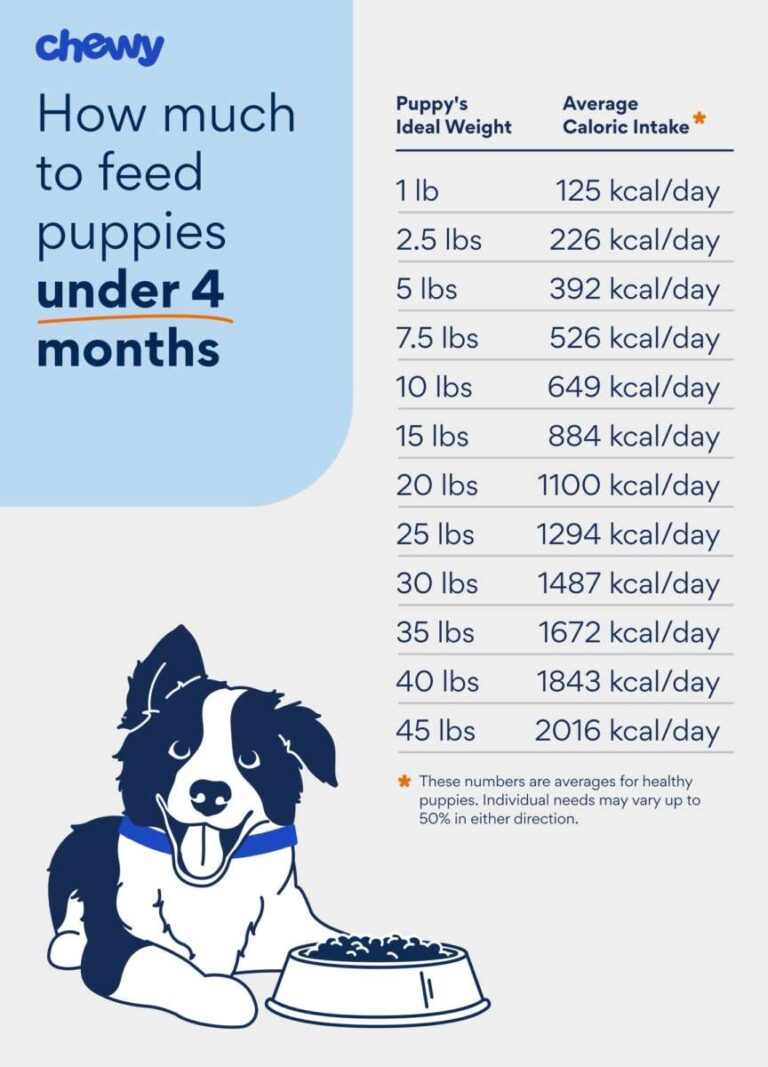
Puppies need more calories, protein, calcium, and other nutrients to support growth. Large-breed puppies need special control of calcium and calories because rapid growth can harm developing bones and joints.
Adult dogs need food that supports a stable body weight. Senior dogs may need fewer calories, although their needs vary with health, muscle mass, and activity.
Size
Small dogs often need calorie-dense food in small portions. Large dogs may benefit from larger kibble and careful calorie control.
A large dog should not simply eat more of a small-breed formula. Nutrient levels and calorie density can differ by product.
Activity level
A working dog, running partner, or sporting dog may need more calories than a relaxed house dog. Dogs that spend most of the day resting may gain weight on an energy-rich diet.
Watch body condition rather than relying only on the feeding chart. Feeding guides are starting points, not exact prescriptions.